Hyundai Sonata Fuel Efficiency: Expert Tips for Your 2015 2.0T
The 2015 Hyundai Sonata 2.0T represents a balanced approach to performance and fuel economy in the midsize sedan category. With its turbocharged engine, this model delivers respectable power while maintaining reasonable efficiency metrics. However, like any vehicle, maximizing fuel efficiency requires understanding your car’s capabilities and adopting smart driving habits that benefit both your wallet and the environment.
Whether you’re navigating city streets or cruising highways, optimizing your Sonata’s fuel consumption involves a combination of maintenance practices, driving techniques, and awareness of how various factors impact gas mileage. This comprehensive guide explores evidence-based strategies to help you get the most from every gallon while reducing your vehicle’s environmental footprint. By implementing these expert recommendations, owners can achieve measurable improvements in fuel economy and contribute to broader sustainability goals.
Understanding Your Sonata’s 2.0T Engine
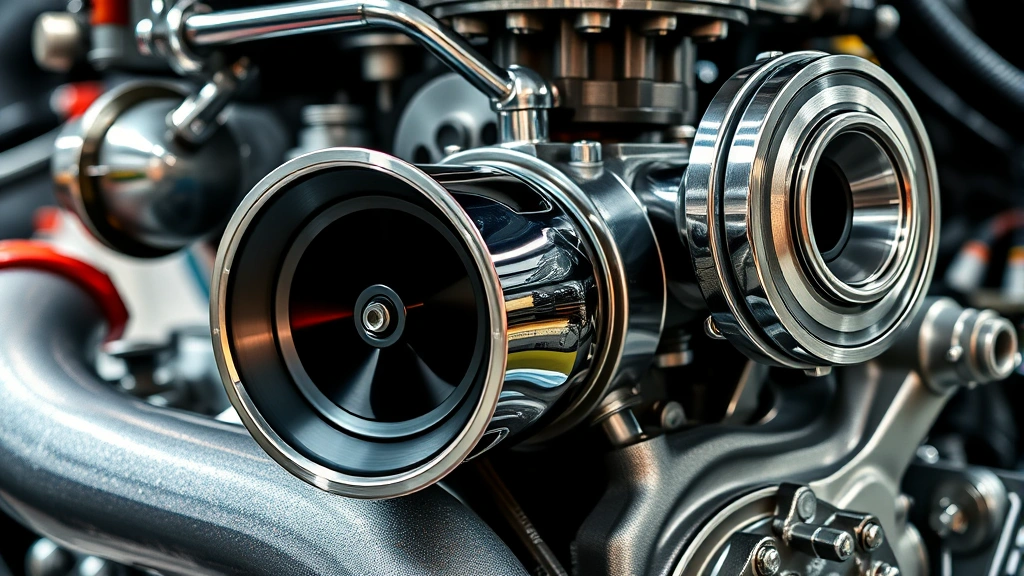
The 2015 Hyundai Sonata equipped with the 2.0-liter turbocharged gasoline engine produces 274 horsepower and 278 pound-feet of torque. This engine represents a significant leap in efficiency compared to naturally aspirated engines of similar displacement, thanks to advanced fuel injection systems, variable valve timing, and optimized combustion chamber design. Understanding how turbocharging works helps explain why maintaining proper conditions becomes critical for fuel efficiency.
Turbochargers increase air pressure entering the combustion chamber, allowing engines to produce more power from less fuel. However, this efficiency advantage only materializes when the engine operates within designed parameters. The 2.0T achieves EPA ratings of approximately 22 mpg city and 32 mpg highway under optimal conditions, though real-world results vary significantly based on driving patterns and maintenance status.
Recognizing that your Sonata’s turbocharged design differs from conventional engines helps explain why certain efficiency practices matter more. The turbo system relies on precise fuel delivery and air management, making quality maintenance non-negotiable. When components wear or fall out of specification, the turbo must work harder, consuming more fuel to maintain performance levels. This connection between mechanical condition and fuel consumption forms the foundation for all efficiency improvements.
Learning about sustainable energy solutions extends beyond your vehicle to encompass broader transportation choices. While optimizing your current vehicle’s efficiency remains valuable, understanding how vehicles fit into comprehensive energy consumption patterns provides important perspective on personal environmental impact.
Essential Maintenance for Optimal Efficiency
Regular maintenance directly impacts fuel economy by ensuring all engine systems operate at peak efficiency. The most critical maintenance task involves oil changes using the manufacturer-specified grade and interval. The 2015 Sonata 2.0T requires synthetic oil to protect the turbocharger’s high-speed bearings and maintain proper lubrication at elevated temperatures. Using the correct oil viscosity reduces internal friction, allowing the engine to operate more freely and consume less fuel.
Air Filter Replacement: A clogged air filter forces the engine to work harder by restricting oxygen flow. Restricted airflow triggers the engine computer to richen the fuel mixture, directly reducing efficiency. Inspecting your air filter every 15,000 miles and replacing it when visibly dirty prevents this efficiency loss. Many owners can accomplish this simple task independently, saving both money and reducing waste from unnecessary professional service visits.
Fuel Filter Maintenance: The fuel filter prevents contaminants from reaching fuel injectors, which require precise operation for efficient combustion. A restricted fuel filter increases fuel pump pressure and can cause lean-running conditions that trigger check engine lights. Following the maintenance schedule ensures fuel reaches injectors at optimal pressure and flow rate, maintaining the precise fuel metering that turbocharged engines demand.
Spark Plug Condition: Factory spark plugs typically last 100,000 miles in modern vehicles, but checking their condition at 60,000 miles helps identify premature wear. Worn plugs create incomplete combustion, wasting fuel and increasing emissions. Replacing plugs before they fail prevents efficiency degradation and ensures reliable ignition timing that the engine computer depends on for fuel economy calculations.
Engine Computer Diagnostics: Having a qualified technician scan your vehicle’s onboard diagnostic system reveals efficiency-affecting issues before they cause noticeable problems. Oxygen sensor drift, catalytic converter inefficiency, and other sensor malfunctions trigger the engine to abandon optimal fuel mapping. Regular diagnostics catch these issues early, maintaining the precise sensor feedback that enables efficient operation.
Driving Techniques That Maximize Fuel Economy
How you drive significantly impacts fuel consumption, often more than any mechanical factor. Aggressive acceleration forces the turbocharger to boost pressure, dramatically increasing fuel consumption. Gentle, progressive acceleration allows the turbo to spool gradually, maintaining efficiency while still building speed. During city driving, smooth throttle application reduces fuel consumption by 10-15 percent compared to aggressive driving patterns.
Anticipatory Driving: Observing traffic patterns ahead allows you to maintain steady speeds rather than constantly accelerating and braking. Excessive braking represents wasted energy—fuel used to accelerate is literally thrown away as heat in brake pads. Professional drivers minimize braking by anticipating traffic flow and coasting when safe, maximizing efficiency during every trip.
Highway Efficiency: Maintaining steady speeds on highways produces better fuel economy than constantly adjusting throttle position. Aerodynamic drag increases exponentially with speed; driving 65 mph instead of 75 mph can improve highway fuel economy by 7-10 percent. The Sonata’s aerodynamic design benefits from consistent cruising speeds that minimize wind resistance effects.
Cold Start Efficiency: Modern engines require no warm-up period, but cold engines run richer fuel mixtures for a few minutes after starting. Minimizing the number of cold starts by combining trips into single outings significantly reduces fuel consumption. When possible, driving directly to your destination rather than making separate trips reduces the proportion of cold-running time in your overall driving.
Idle Reduction: Idling consumes fuel without producing any forward motion, making it the least efficient driving state possible. Modern engines use minimal fuel at idle, but extended idling still wastes resources. Turning off the engine during extended waits (more than 10 seconds) reduces fuel consumption, though this requires balancing against starter wear and immediate restart needs.

Tire Pressure and Alignment Impact
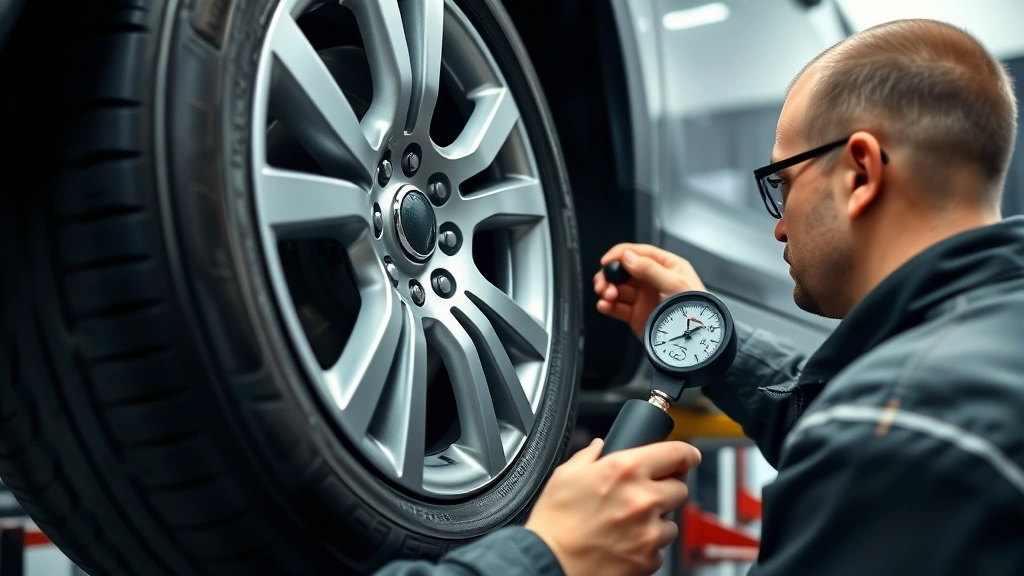
Tire pressure directly affects rolling resistance, which represents 15-20 percent of fuel consumption during highway driving. Under-inflated tires flex excessively, generating heat and requiring more energy to roll. The 2015 Sonata’s recommended tire pressure appears on a label inside the driver’s door jamb—typically 32-35 psi depending on load conditions. Checking pressure monthly, including the spare tire, maintains optimal efficiency and extends tire life.
Tire Pressure Monitoring Systems: Your Sonata includes a tire pressure monitoring system that alerts you to significant pressure loss. However, this system typically activates only when pressure drops 25 percent below specification, meaning tires can be somewhat under-inflated without triggering warnings. Proactive manual checking catches minor pressure loss before efficiency degradation occurs, and proper inflation extends tire tread life by 5-10 percent.
Wheel Alignment Effects: Misaligned wheels increase rolling resistance by forcing tires to scrub laterally as they roll. This creates both excessive tire wear and increased fuel consumption. Professional wheel alignment every two years, or immediately after hitting significant potholes or curbs, maintains optimal efficiency and prevents tire damage that would otherwise require premature replacement.
Tire Selection: Replacement tires vary significantly in rolling resistance characteristics. Low-rolling-resistance tires can improve fuel economy by 3-5 percent compared to standard tires. Look for tires with high treadwear ratings and low rolling resistance coefficients, which indicate longer tread life and better efficiency. Quality tires represent an investment that pays dividends through improved economy and reduced replacement frequency.
Weight Reduction Strategies
Every pound of weight requires energy to accelerate and maintain speed. Removing unnecessary items from your vehicle improves fuel economy proportionally to the weight reduction. A roof rack adds aerodynamic drag and weight—removing it when not needed can improve efficiency by 1-2 percent. Similarly, clearing trunk clutter and removing roof-mounted cargo boxes during off-season months reduces both weight and drag.
Fuel Tank Management: Keeping your fuel tank three-quarters full instead of completely full reduces weight by approximately 30-40 pounds, improving efficiency by roughly 1-2 percent. While this strategy seems minor, combined with other efficiency measures, it contributes meaningfully to overall fuel economy improvements. The slight efficiency gain from weight reduction must be balanced against more frequent fill-ups, but for vehicles driven locally, this trade-off often proves worthwhile.
Aftermarket Modifications: Lightweight wheels can reduce unsprung weight, improving both handling and efficiency. However, the fuel economy benefit from lighter wheels remains modest—typically 1-2 percent—compared to the cost. Focus on practical weight reduction before considering expensive modifications. Removing unused equipment, minimizing personal cargo, and maintaining an efficient vehicle proves far more cost-effective than expensive lightweight components.
Transmission and Gear Management
The 2015 Sonata 2.0T uses a six-speed automatic transmission designed to keep engine RPM low during highway cruising, maximizing efficiency. Understanding how your transmission operates helps you drive in ways that complement its design. Maintaining steady throttle position allows the transmission to remain in higher gears, reducing engine speed and fuel consumption. Excessive throttle modulation can cause downshifting, forcing higher engine speeds and increased fuel consumption.
Cruise Control Efficiency: Using cruise control on highways maintains constant speed without the micro-adjustments human drivers typically make. These tiny throttle variations cause unnecessary fuel consumption variations. Cruise control eliminates this variability, maintaining optimal efficiency on flat terrain. However, on hilly terrain, cruise control may cause excessive downshifting when climbing, sometimes reducing efficiency compared to manual speed management.
Manual vs. Automatic Considerations: Your 2015 Sonata’s six-speed automatic transmission can achieve fuel economy comparable to manual transmissions when operated efficiently. Modern automatics with torque converters and multiple gears optimize efficiency across varied driving conditions. Understanding that your automatic transmission automatically selects the most efficient gear for current conditions helps you appreciate the sophistication of modern powertrain technology.
Downshift Awareness: Aggressive acceleration causes downshifting to lower gears, dramatically increasing engine speed and fuel consumption. Smooth, progressive acceleration allows the transmission to remain in higher gears, maintaining efficiency. When merging onto highways or passing, accelerate smoothly over several seconds rather than aggressively, allowing the transmission to manage gear selection efficiently.
Environmental Benefits of Efficient Driving
Improving your Sonata’s fuel economy produces measurable environmental benefits beyond personal fuel savings. Every gallon of gasoline burned produces approximately 20 pounds of carbon dioxide, a primary greenhouse gas contributing to climate change. Improving fuel economy by 5 mpg reduces annual carbon emissions by approximately 2.5 tons for average drivers, equivalent to planting dozens of trees annually.
Efficient driving also reduces tailpipe emissions of nitrogen oxides and particulate matter that contribute to urban air quality problems. These emissions particularly affect communities near highways and urban centers, where air pollution correlates with respiratory disease, cardiovascular problems, and reduced life expectancy. By maximizing your vehicle’s efficiency, you contribute to cleaner air quality that benefits entire communities.
Understanding how personal transportation choices fit into broader advantages of electric vehicles provides perspective on long-term transportation sustainability. While optimizing your current gasoline vehicle remains valuable, considering hybrid or electric alternatives for your next vehicle purchase represents a more comprehensive sustainability approach. The sustainability blog explores how various transportation choices contribute to environmental goals.
Fuel efficiency improvements also reduce dependence on fossil fuels, supporting broader energy security and economic benefits. Every gallon of fuel conserved reduces demand for petroleum extraction, refining, and transportation—energy-intensive processes with significant environmental costs. By adopting efficient driving practices, you become part of the solution to climate change and environmental degradation.
Exploring green technology innovations reveals how automotive efficiency continues advancing through engine design, transmission technology, and alternative fuels. Your 2015 Sonata incorporates many efficiency features that were cutting-edge when manufactured. Understanding this technological progression helps you appreciate how efficiency improvements compound across generations of vehicles.
Frequently Asked Questions
What fuel octane should I use in my 2015 Sonata 2.0T?
The 2015 Sonata 2.0T requires 87-octane regular unleaded gasoline minimum, though some owners report slightly better efficiency with 91-octane premium fuel. The owner’s manual specifies that premium fuel is optional and not required. Using premium fuel provides no efficiency benefit in this engine, as it features knock sensors that adjust ignition timing for whatever fuel octane is used. Regular 87-octane fuel provides optimal cost-benefit efficiency.
How often should I service my 2.0T engine?
Hyundai recommends synthetic oil changes every 10,000 miles or annually, whichever comes first. This interval reflects the turbocharged engine’s higher operating temperatures and pressures. Adhering strictly to this schedule maintains warranty coverage and ensures optimal engine efficiency. Skipping service intervals allows sludge buildup and component wear that directly reduces fuel economy.
Can I improve efficiency with aftermarket air intakes or exhaust systems?
Aftermarket air intakes and exhaust systems typically provide minimal fuel economy improvement—usually 1-2 percent at best—while adding cost. Cold air intakes theoretically reduce intake air temperature, but in practice, most aftermarket intakes provide warmer air than factory systems. Exhaust systems provide slight efficiency gains through reduced backpressure, but costs rarely justify the modest improvements. Focus on maintenance and driving technique for better returns on efficiency investment.
Does using cruise control improve fuel economy?
Cruise control improves highway fuel economy by maintaining constant speed without the micro-throttle adjustments human drivers make. Testing shows 5-10 percent efficiency improvements on flat highway terrain. However, on hilly terrain, cruise control may reduce efficiency by causing excessive downshifting when climbing. Use cruise control on flat highways and disable it when terrain becomes undulating.
What tire pressure should I maintain for best efficiency?
The 2015 Sonata 2.0T should maintain tire pressure between 32-35 psi, as specified on the driver’s door jamb label. Increasing pressure above this specification provides minimal efficiency gains while increasing tire wear and reducing ride comfort. Never exceed the maximum pressure listed on the tire sidewall. Check pressure monthly and adjust as needed for optimal efficiency and tire longevity.
How does driving speed affect fuel economy?
Fuel economy decreases significantly at higher speeds due to exponential aerodynamic drag increases. Driving 65 mph instead of 75 mph typically improves highway fuel economy by 7-10 percent. Driving 55 mph instead of 65 mph provides roughly another 7-10 percent improvement. For maximum efficiency, maintain the lowest safe speed appropriate for traffic conditions.
Should I keep my gas tank full or run it low?
Keeping your fuel tank three-quarters full instead of completely full reduces weight and improves efficiency by approximately 1-2 percent. However, this strategy requires more frequent fill-ups, which increases overall time and potentially negates efficiency savings through more cold starts. For most drivers, maintaining a full or nearly-full tank proves more practical, though local drivers might benefit from lighter fuel loads.
Can synthetic oil improve fuel economy?
Synthetic oil reduces internal engine friction compared to conventional oil, potentially improving fuel economy by 1-2 percent. More importantly, synthetic oil provides superior protection in turbocharged engines operating at elevated temperatures. The 2015 Sonata 2.0T requires synthetic oil per manufacturer specifications, making the choice mandatory rather than optional. The efficiency benefit, while modest, adds to the superior protection synthetic provides.
Additional Resources: The EPA’s Green Vehicles website provides comprehensive fuel economy data and efficiency ratings for all vehicles. FuelEconomy.gov allows you to track your specific vehicle’s real-world fuel consumption and compare it against EPA estimates. The National Highway Traffic Safety Administration offers tire safety information and pressure recommendations. Consulting these authoritative sources ensures you receive accurate, evidence-based guidance for maintaining your vehicle’s efficiency and safety.


