Hyundai Sonata Gas Tank: Expert Insights on the 2015 Sport 2.0T Model
Understanding your vehicle’s fuel capacity is essential for efficient driving, cost management, and environmental responsibility. The 2015 Hyundai Sonata Sport 2.0T represents a popular midsize sedan that balances performance with reasonable fuel consumption. Whether you’re a current owner seeking maintenance insights or a prospective buyer evaluating fuel efficiency, this comprehensive guide provides expert knowledge about gas tank specifications, fuel economy, and sustainable driving practices.
The 2015 model year marked an important evolution in Hyundai’s lineup, introducing turbocharged engine options that delivered enhanced performance without sacrificing efficiency. Knowing your vehicle’s exact fuel tank capacity helps with trip planning, fuel cost budgeting, and understanding your car’s environmental footprint. This guide explores everything you need to know about the 2015 Sonata Sport 2.0T’s fuel system, combined with actionable insights for maximizing efficiency and minimizing emissions.
Gas Tank Capacity Specifications
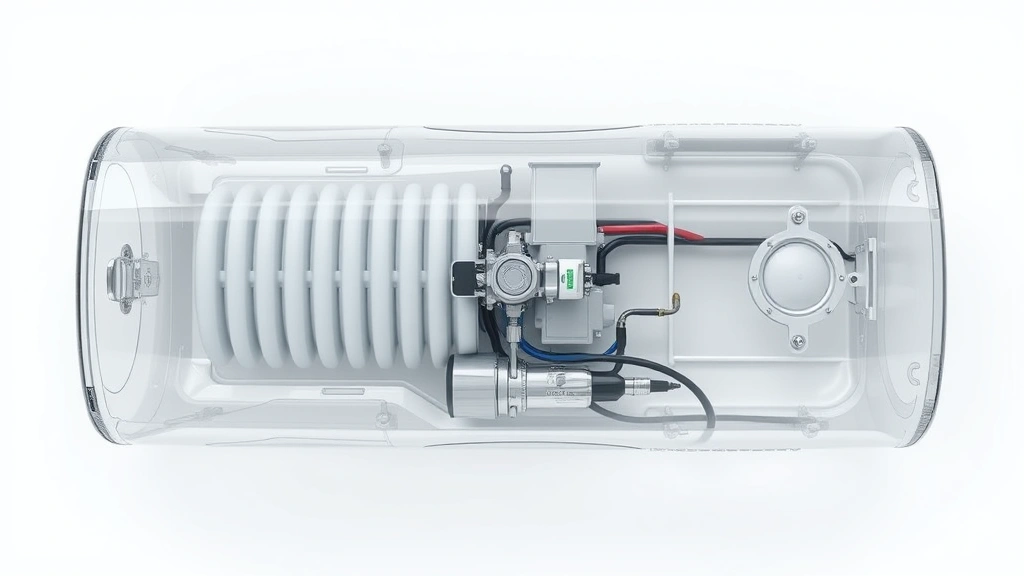
The 2015 Hyundai Sonata Sport 2.0T features a fuel tank capacity of 16.0 gallons (60.6 liters). This specification applies consistently across the 2015 Sonata lineup, regardless of trim level or engine configuration. The 16-gallon capacity represents a balanced design choice that provides adequate range for daily commuting while maintaining reasonable vehicle weight and safety standards.
For drivers of the 2.0T turbocharged variant, understanding fuel capacity becomes particularly relevant when calculating driving range. With an EPA-estimated fuel economy of approximately 21 miles per gallon city and 31 miles per gallon highway, a full tank theoretically provides a range of 336 to 496 miles depending on driving conditions. Real-world performance varies based on driving habits, traffic conditions, and vehicle maintenance status.
The fuel tank design incorporates modern safety features including an anti-slosh baffle and fuel vapor recovery system that minimizes emissions. These engineering details reflect Hyundai’s commitment to meeting federal environmental standards while providing reliable performance. The tank’s location beneath the rear seat offers protection and balanced weight distribution.
Fuel System Components
The 2015 Sonata Sport 2.0T employs a sophisticated fuel delivery system designed for precision, reliability, and emissions control. The primary components include the fuel pump, fuel injectors, pressure regulator, and fuel filter. Understanding these elements helps owners appreciate how modern vehicles optimize fuel consumption and minimize environmental impact.
The fuel pump assembly sits inside the tank and operates at approximately 50-60 PSI, delivering pressurized gasoline to the fuel rail and injectors. Modern fuel pumps feature electric operation controlled by the vehicle’s engine control unit, ensuring precise fuel delivery based on driving conditions. This precision represents a significant advancement in sustainable energy solutions for personal transportation.
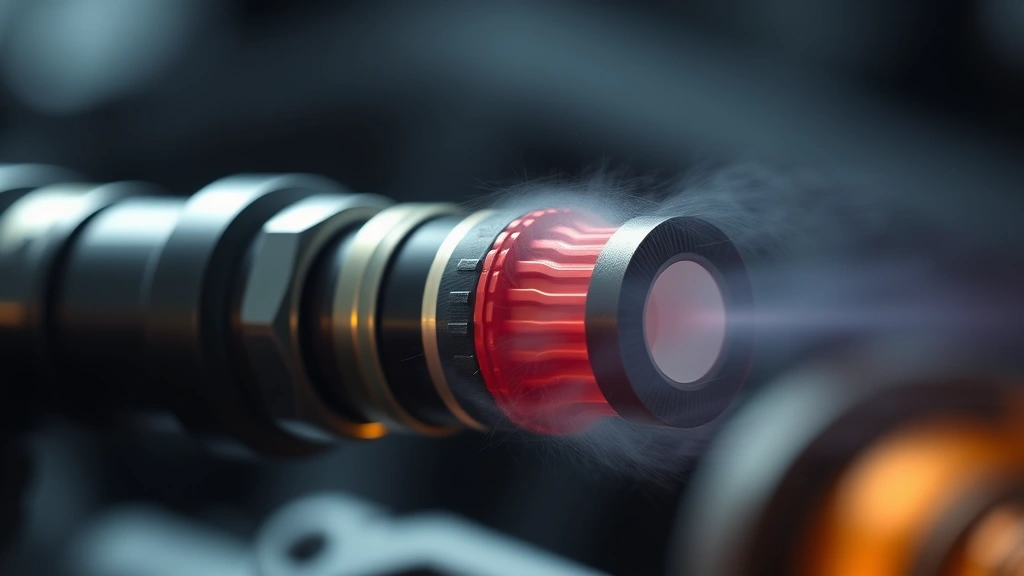
The fuel injectors spray a fine mist of gasoline into each cylinder at precisely timed intervals. The 2015 Sonata Sport 2.0T uses direct injection technology, where fuel sprays directly into the combustion chamber rather than the intake port. This approach improves fuel atomization, combustion efficiency, and reduces emissions compared to traditional port injection systems.
A fuel filter protects the fuel pump and injectors from contaminants. Regular replacement of the fuel filter—typically every 15,000 to 30,000 miles—maintains optimal fuel system performance and prevents costly damage. The pressure regulator maintains consistent fuel pressure across varying engine speeds and loads, ensuring stable engine performance.
Fuel Economy Performance
The 2015 Hyundai Sonata Sport 2.0T delivers competitive fuel economy for a turbocharged sedan. Official EPA ratings show 21 MPG city, 31 MPG highway, and 25 MPG combined. These figures position the vehicle favorably within its class, particularly when considering the performance advantages of the turbocharged engine.
The turbocharged 2.0-liter engine produces 274 horsepower and 310 pound-feet of torque, offering spirited acceleration while maintaining reasonable fuel consumption. The turbocharger forces additional air into the engine, increasing power output without requiring engine displacement increases that would typically reduce efficiency. This engineering approach exemplifies how green technology innovations create performance benefits alongside environmental advantages.
Real-world fuel economy varies significantly based on driving patterns. Aggressive acceleration, frequent braking, and highway driving at high speeds all reduce fuel efficiency. Conservative driving techniques can improve economy by 10-15% compared to aggressive driving. Understanding these variables helps owners make conscious choices about their driving impact.
Compared to non-turbocharged alternatives, the 2.0T provides better acceleration response while maintaining competitive efficiency. This balance appeals to drivers seeking performance without excessive fuel consumption or emissions. However, drivers prioritizing maximum efficiency should explore advantages of electric vehicles as a longer-term sustainability strategy.
Maximizing Fuel Efficiency
Optimizing fuel efficiency requires attention to driving habits, vehicle maintenance, and operational practices. These actionable strategies help 2015 Sonata Sport 2.0T owners reduce fuel consumption, lower operating costs, and minimize environmental impact simultaneously.
Tire Pressure Management: Under-inflated tires increase rolling resistance, reducing fuel economy by up to 3%. Check tire pressure monthly and maintain the manufacturer-recommended PSI listed on the driver’s door jamb. Properly inflated tires also extend tire life and improve safety. Use a reliable tire pressure gauge and adjust pressure when tires are cold for accurate readings.
Smooth Acceleration and Deceleration: Aggressive acceleration wastes fuel and increases emissions. Accelerate gradually and maintain steady speeds whenever possible. Anticipate traffic flow changes to avoid sudden braking. Hypermiling techniques—maintaining constant velocity and coasting to deceleration points—can improve economy significantly during highway driving.
Engine Maintenance: A well-maintained engine operates more efficiently. Regular oil changes using the manufacturer-recommended viscosity grade, air filter replacements, and spark plug service ensure optimal combustion. Clean fuel injectors improve spray patterns and combustion efficiency. Consider professional fuel system cleaning every 50,000 miles.
Reduce Excess Weight: Every 100 pounds of additional weight reduces fuel economy by approximately 1-2%. Remove unnecessary items from the trunk and roof racks when not in use. Roof racks particularly increase aerodynamic drag, significantly impacting highway fuel economy.
Route Planning and Consolidation: Combine errands into single trips rather than multiple short journeys. Cold engines consume more fuel during initial operation, so consolidating trips maximizes efficiency. Plan routes to minimize traffic congestion and idle time. Using navigation apps that optimize routing can reduce fuel consumption substantially.
Transmission Efficiency: The 2015 Sonata Sport 2.0T uses a 6-speed automatic transmission with overdrive capability. Allow the transmission to shift into overdrive on highways to reduce engine RPM and fuel consumption. Avoid constant gear shifting or holding gears at high RPM.

Fuel System Maintenance
Proper fuel system maintenance preserves performance, reliability, and efficiency while reducing emissions. The 2015 Sonata Sport 2.0T requires specific maintenance intervals to keep fuel delivery systems operating optimally.
Fuel Filter Replacement: The fuel filter should be replaced every 15,000 to 30,000 miles depending on fuel quality and driving conditions. A clogged fuel filter restricts fuel flow, reducing engine power and efficiency. Replacement typically costs $50-150 at professional service centers.
Fuel Injector Cleaning: Direct injection engines benefit from periodic fuel injector cleaning every 50,000 to 100,000 miles. Carbon deposits accumulate on injector tips over time, affecting spray patterns and combustion efficiency. Professional cleaning services restore optimal fuel atomization and engine performance.
Fuel Tank Inspection: Inspect the fuel tank for signs of rust, corrosion, or damage during regular service. Modern fuel tanks include corrosion-resistant linings, but damage or age can compromise integrity. Water contamination in fuel tanks requires professional service and fuel system flushing.
Fuel Cap Inspection: A properly functioning fuel cap maintains fuel system pressure and prevents fuel vapor emissions. Replace damaged or cracked caps immediately. A faulty fuel cap triggers check engine lights and allows fuel vapors to escape, increasing emissions and reducing efficiency.
Regular Oil Changes: Clean oil supports efficient fuel combustion and reduces engine wear. Using synthetic oil rated for the 2015 Sonata Sport 2.0T improves fuel economy by 1-3% compared to conventional oil. Follow the manufacturer’s service schedule for optimal results.
Environmental Considerations
Every vehicle contributes to environmental impact through fuel consumption and emissions. Understanding the 2015 Sonata Sport 2.0T’s environmental footprint encourages conscious ownership decisions aligned with definition of sustainability principles.
The 2015 Sonata Sport 2.0T produces approximately 5.8 metric tons of CO2 emissions annually based on average driving of 12,000 miles per year at 25 MPG combined efficiency. Over a vehicle’s 10-year ownership period, cumulative emissions reach approximately 58 metric tons. These calculations highlight why fuel efficiency matters for climate impact.
Direct injection technology in the 2.0T engine reduces particulate matter emissions compared to older port-injection designs. The vehicle meets EPA Tier 2 Bin 5 emissions standards, representing significant pollution reductions compared to earlier generation vehicles. However, even compliant vehicles contribute to atmospheric CO2 and local air quality challenges.
The manufacturing process for the 2015 Sonata generates approximately 7-8 metric tons of CO2 equivalent emissions. Combined with operational emissions over the vehicle’s lifetime, total carbon footprint reaches 65-66 metric tons. Maximizing fuel efficiency throughout ownership reduces this impact by 10-20%.
Responsible fuel sourcing and recycling practices extend environmental stewardship beyond driving efficiency. Disposing of used motor oil properly through recycling programs prevents environmental contamination. Using recycled or remanufactured fuel system components when available reduces manufacturing-related emissions.
Exploring Sustainable Alternatives
While the 2015 Sonata Sport 2.0T provides reasonable efficiency, exploring alternative transportation options aligns with comprehensive sustainability goals. Current vehicle owners can implement strategies that reduce reliance on personal vehicles, while prospective buyers should consider long-term environmental implications.
Public Transportation: Utilizing buses, trains, or commuter rail eliminates personal fuel consumption entirely. A single bus passenger produces 45% fewer emissions than a single-occupant vehicle. For commutes exceeding 5 miles, public transportation often proves more economical than vehicle ownership when accounting for fuel, maintenance, insurance, and parking.
Carpooling and Ride-Sharing: Sharing vehicles with colleagues or family divides fuel consumption and emissions among passengers. Carpooling three people reduces per-person emissions by 66% compared to solo driving. Ride-sharing services provide similar benefits while eliminating parking challenges.
Electric and Hybrid Vehicles: Modern electric vehicles produce zero direct emissions and operate at 85-90% efficiency compared to gasoline engines at 20-30% efficiency. The advantages of electric vehicles extend beyond emissions to include lower operating costs, reduced maintenance requirements, and quieter operation. Hybrid vehicles combine electric and gasoline powertrains for improved efficiency in mixed-driving conditions.
Active Transportation: Walking and cycling eliminate emissions entirely while providing health benefits. For distances under 3 miles, active transportation often proves faster than motorized vehicles when accounting for parking and traffic. E-bikes extend cycling range and accessibility for longer commutes or hilly terrain.
Remote Work and Telecommuting: Reducing commute frequency through remote work arrangements eliminates fuel consumption for those commute days. Even two days per week of remote work reduces annual emissions by 40% for typical commuters, while providing productivity and lifestyle benefits.
For current 2015 Sonata owners, these alternatives complement efficient driving practices. Combining fuel-efficient driving with reduced vehicle miles through alternative transportation creates meaningful environmental impact. As vehicles age, considering EV adoption for replacement vehicles represents the most significant sustainability upgrade available.
Frequently Asked Questions
What is the exact gas tank capacity for a 2015 Hyundai Sonata Sport 2.0T?
The 2015 Hyundai Sonata Sport 2.0T has a fuel tank capacity of 16.0 gallons (60.6 liters). This capacity remains consistent across all 2015 Sonata trim levels and engine options, including the base four-cylinder and turbocharged models.
How far can I drive on a full tank?
With a 16-gallon tank and EPA-estimated fuel economy of 21 MPG city and 31 MPG highway, you can expect a driving range of 336 miles in city driving or 496 miles in highway driving. Combined driving typically yields approximately 400 miles per tank under average conditions. Real-world range depends on driving habits, traffic conditions, and vehicle maintenance status.
What type of gasoline should I use?
Hyundai recommends using regular unleaded gasoline with an octane rating of 87 or higher for the 2015 Sonata Sport 2.0T. While the turbocharged engine can accept regular fuel, using premium 91-93 octane gasoline may provide slight performance improvements and reduce knock tendency under aggressive acceleration. Premium fuel typically costs 20-40 cents more per gallon without substantial efficiency improvements for normal driving.
How often should I replace the fuel filter?
Hyundai recommends fuel filter replacement every 15,000 to 30,000 miles depending on fuel quality and driving conditions. Drivers in areas with poor fuel quality or those who frequent gas stations with unreliable fuel sources should replace filters more frequently. A clogged fuel filter reduces engine power and fuel economy.
Can I improve fuel economy through driving techniques?
Yes, absolutely. Smooth acceleration, maintaining steady speeds, reducing excess weight, and proper tire pressure maintenance can improve fuel economy by 10-25%. Hypermiling techniques and route optimization for reduced idle time further enhance efficiency. Refer to the practical tips for greener living that apply to vehicle operation as well.
What does direct injection mean?
Direct injection sprays fuel directly into the engine’s combustion chamber rather than into the intake manifold. This approach improves fuel atomization, combustion efficiency, and power output while reducing emissions. The 2015 Sonata Sport 2.0T uses direct injection technology that contributes to its competitive fuel economy and performance balance.
How does the turbocharger affect fuel efficiency?
The turbocharger forces additional air into the engine, increasing power output without requiring larger engine displacement. This efficiency approach allows the 2.0T to produce 274 horsepower while maintaining reasonable fuel consumption. Turbochargers improve efficiency by reducing the need for engine size increases that would typically reduce fuel economy significantly.
What maintenance impacts fuel system performance?
Regular oil changes, air filter replacements, fuel filter service, and spark plug maintenance all contribute to optimal fuel system performance. Engine deposits accumulate over time, reducing combustion efficiency and fuel economy. Professional fuel system cleaning every 50,000-100,000 miles restores performance and efficiency by removing carbon buildup.
Should I consider switching to an electric vehicle?
Electric vehicles offer significant advantages for environmentally conscious drivers, including zero direct emissions, lower operating costs, and reduced maintenance requirements. However, current electric vehicles require upfront investment and may not suit all driving patterns. For high-mileage drivers or those with long commutes, EV advantages become increasingly compelling over vehicle lifetime. Visit our comprehensive SustainWise Hub Blog for detailed EV comparisons and sustainability insights.
What is the environmental impact of my 2015 Sonata?
Based on average annual driving of 12,000 miles at 25 MPG combined efficiency, the 2015 Sonata Sport 2.0T produces approximately 5.8 metric tons of CO2 emissions annually. Over a 10-year ownership period, cumulative operational emissions reach 58 metric tons. Manufacturing emissions add approximately 7-8 metric tons, resulting in total lifecycle carbon footprint of 65-66 metric tons. Improving fuel efficiency by 15-20% through driving techniques reduces this impact meaningfully.
How does fuel quality affect performance?
Higher-quality gasoline with robust detergent packages maintains fuel injector cleanliness and combustion efficiency. Poor-quality fuel may contain contaminants that accumulate in fuel systems, reducing performance and efficiency. Using gasoline from reputable brands typically ensures better quality and performance. Fuel system cleaning addresses deposits regardless of source fuel quality.
Conclusion
The 2015 Hyundai Sonata Sport 2.0T represents a practical balance between performance and fuel efficiency for midsize sedan buyers. Understanding the 16-gallon fuel tank capacity and implementing efficient driving practices helps owners maximize value while minimizing environmental impact. Regular maintenance of fuel system components preserves reliability and efficiency throughout vehicle ownership.
While the 2015 Sonata provides competitive efficiency for traditional gasoline vehicles, contemporary buyers should consider how personal transportation choices align with broader sustainability goals. The transition toward electric vehicles, increased public transportation usage, and reduced vehicle dependence collectively create meaningful environmental benefits. For current owners, maximizing fuel efficiency through conscious driving and proper maintenance represents an immediate, actionable step toward responsible vehicle stewardship.
Explore additional sustainable energy solutions and visit the SustainWise Hub Blog for comprehensive guides on reducing your transportation environmental footprint and exploring long-term sustainability strategies for personal mobility.


