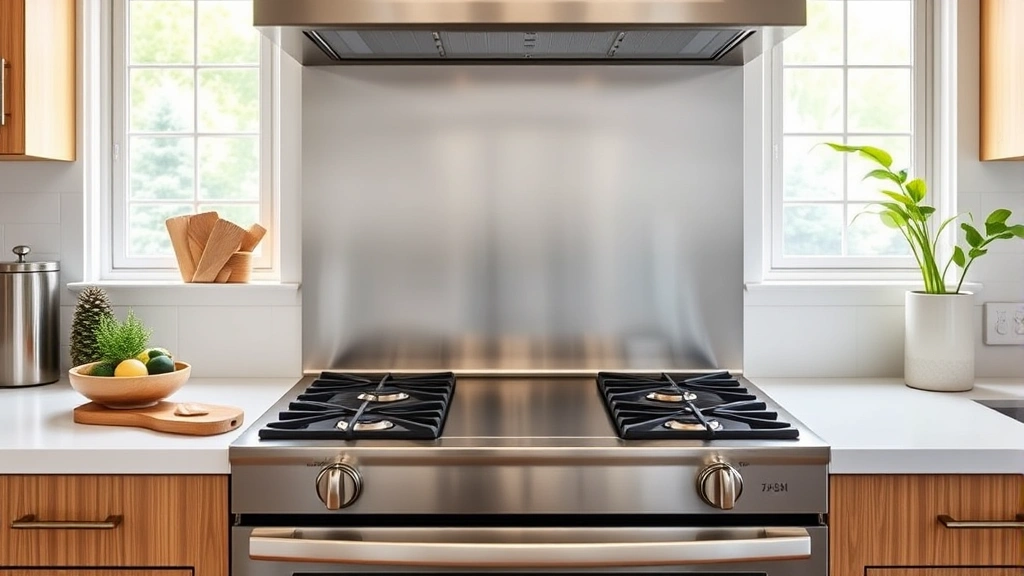
Is 24 Gas Range Efficient? Eco-Friendly Guide to Modern Cooking Appliances
When it comes to kitchen appliances, the 24-inch gas range remains a popular choice for home cooks and professional chefs alike. But as environmental consciousness grows, many homeowners wonder whether these compact cooking powerhouses align with eco-friendly living practices. Understanding the efficiency metrics of a 24 gas range requires examining energy consumption, emissions, cooking performance, and how it compares to alternative cooking methods.
The compact size of a 24-inch gas range offers distinct advantages for smaller kitchens and modern living spaces. However, efficiency isn’t solely about size—it encompasses fuel consumption, heat distribution, insulation, and overall environmental impact. This comprehensive guide explores whether a 24 gas range deserves a place in your sustainable kitchen, examining real-world performance data and practical recommendations for maximizing efficiency.
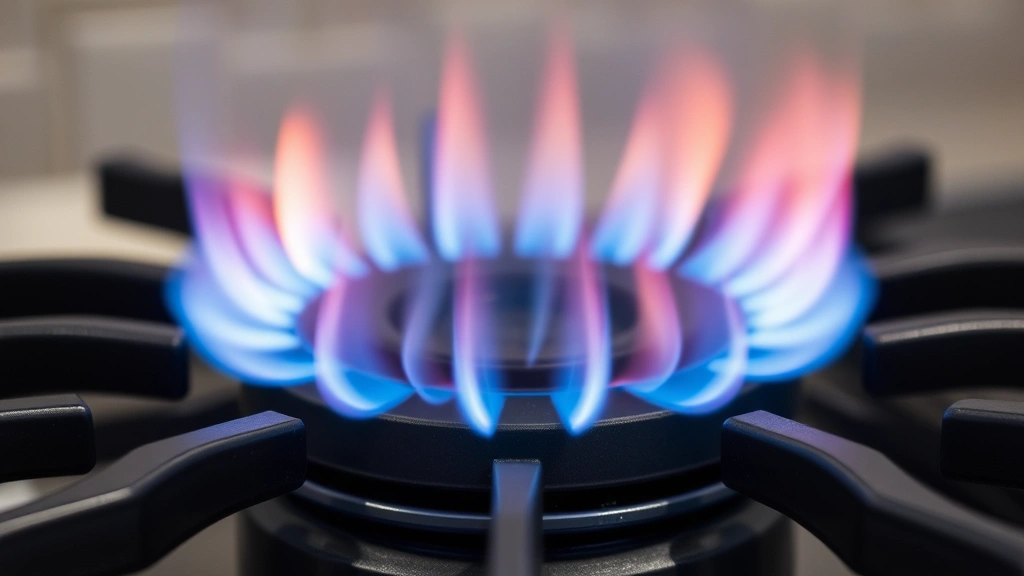
Understanding Gas Range Efficiency Ratings
Gas ranges don’t carry the same standardized efficiency ratings as refrigerators or dishwashers, which makes evaluation more challenging. The ENERGY STAR program does not currently certify gas cooking appliances, though this landscape is evolving. Instead, manufacturers publish thermal efficiency data—the percentage of heat energy that actually transfers to cookware versus escaping into the kitchen environment.
Most modern 24 gas ranges achieve thermal efficiency rates between 65-75%, meaning roughly 65-75% of the fuel burned heats your food, while 25-35% escapes as waste heat. This is significantly higher than older gas ranges, which operated at 40-50% efficiency. The improvement stems from better burner design, improved grate construction, and enhanced oven insulation in contemporary models.
When evaluating a specific 24 gas range, look for models featuring sealed burners, which prevent spills from reaching ignition components and improve overall efficiency. Burner output matters too—measured in BTUs (British Thermal Units)—but higher isn’t always better. A 24-inch range typically features burners ranging from 5,000 to 18,000 BTUs, allowing precise heat control for different cooking tasks.
24 Inch Gas Range Performance Metrics
The compact footprint of a 24-inch gas range offers specific performance characteristics worth understanding. These ranges typically feature four burners arranged in a standard configuration, making them ideal for apartments, condos, and smaller homes. The oven capacity usually ranges from 2.4 to 2.8 cubic feet—smaller than full-size 30-inch models but adequate for most household cooking needs.
Burner response time is notably quick with gas cooking. When you turn the dial, flames ignite instantly, providing immediate heat adjustment. This responsiveness reduces cooking time compared to electric resistance elements, which require several minutes to reach temperature. Shorter cooking times directly translate to reduced energy consumption, a significant efficiency advantage for gas ranges.
Oven performance in 24-inch gas ranges has improved dramatically with modern convection technology. Convection ovens circulate heated air using internal fans, distributing warmth evenly and reducing cooking time by 20-30% compared to conventional ovens. Many contemporary 24-inch models incorporate this feature, enhancing both cooking efficiency and food quality.
Key performance indicators for 24 gas ranges include:
- Burner ignition type (electronic vs. pilot light—electronic is more efficient)
- Sealed versus open burner design
- Oven insulation quality and door seal effectiveness
- Convection capability and fan efficiency
- Thermostat accuracy and temperature maintenance
- Self-cleaning function energy requirements
Energy Consumption and Emissions
A typical 24 gas range consumes approximately 30,000-40,000 BTUs per hour during active cooking. However, actual consumption depends heavily on usage patterns. Simmering a sauce uses far less gas than bringing water to a rolling boil for pasta. For household cooking averaging 1-2 hours daily, a 24 gas range typically consumes 10-15 therms of natural gas monthly.
In terms of environmental impact, natural gas combustion produces carbon dioxide and water vapor as primary byproducts. A 24 gas range generates roughly 30-40 pounds of CO2 monthly during typical use. While this seems significant, it’s substantially less than operating an electric range powered by a coal-heavy electrical grid, though electricity from renewable sources would be cleaner.
Indoor air quality represents another consideration. Gas combustion releases nitrogen dioxide and other pollutants into your kitchen. Proper ventilation through range hoods is essential—not just for efficiency but for health. A high-quality range hood with adequate CFM (cubic feet per minute) rating removes combustion byproducts effectively, though it does consume electricity.
Natural gas production involves extraction, processing, and distribution. Methane leakage throughout the supply chain contributes to greenhouse gas emissions beyond direct combustion. Some environmental advocates argue this makes gas less efficient than electric options powered by renewable energy sources. However, in regions where electricity still relies heavily on fossil fuels, natural gas may actually be more efficient than electric resistance cooking.
Emissions comparison shows:
- Gas range: ~30-40 lbs CO2/month (direct combustion plus supply chain)
- Electric range (coal-powered grid): ~45-55 lbs CO2/month
- Electric range (renewable grid): ~5-10 lbs CO2/month
- Induction range (renewable grid): ~3-8 lbs CO2/month
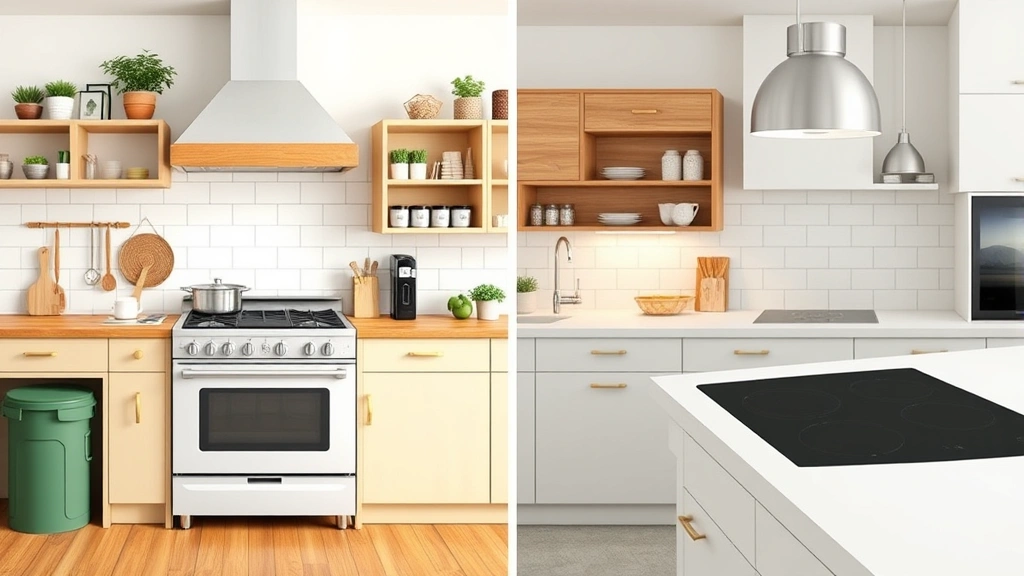
Comparing Gas to Electric and Induction
Understanding how 24 gas ranges compare to alternatives provides crucial context for eco-conscious purchasing decisions. Sustainable energy solutions in the kitchen extend beyond the appliance itself to include the energy grid powering it.
Gas vs. Electric Resistance: Electric coil and smooth-top electric ranges transfer heat less efficiently than gas. While the range itself is 100% efficient at converting electricity to heat, the energy is delivered to cookware less effectively. You’ll wait longer for water to boil and experience more heat loss during cooking. Gas’s instant responsiveness and superior heat control make it generally more efficient for actual cooking tasks, though electricity’s generation efficiency varies by region.
Gas vs. Induction: Induction cooking represents the efficiency frontier. Induction ranges are 80-90% efficient at transferring energy to cookware, compared to gas’s 65-75%. Induction heats cookware directly through magnetic fields, minimizing wasted heat. However, induction requires compatible cookware (ferromagnetic metals), and 24-inch induction models remain less common than gas or electric options.
Induction’s true environmental advantage depends on your electrical grid’s composition. In regions powered predominantly by renewables, induction is substantially cleaner. In coal-heavy regions, the advantage narrows. When powered by renewable energy, induction represents the most efficient and environmentally responsible cooking method available.
Cost considerations matter too. Quality 24-inch induction ranges typically cost 30-50% more than comparable gas models. For budget-conscious consumers, a high-efficiency gas range may represent the most practical eco-friendly choice, especially if your home already has natural gas service.
Environmental Impact Assessment
Evaluating the true environmental impact of a 24 gas range requires lifecycle analysis—examining environmental costs from manufacturing through disposal. Modern manufacturing processes have reduced waste and emissions significantly, but the production of stainless steel components and electronic controls carries environmental weight.
Methane leakage in natural gas distribution is a critical environmental concern. The EPA tracks methane emissions from natural gas systems, finding that approximately 1-2% of distributed gas leaks into the atmosphere. Methane’s global warming potential is 25-28 times greater than CO2 over a 100-year period, making these leaks environmentally significant.
However, residential cooking accounts for only a small fraction of total gas consumption. Home heating and industrial applications consume far more natural gas. By focusing on overall household energy consumption rather than just cooking, you can achieve greater environmental benefits. Consider how to reduce your environmental footprint through comprehensive household efficiency improvements.
The lifespan of your 24 gas range matters environmentally. A quality model lasting 15-20 years distributes manufacturing impacts over two decades of use. Choosing durable, well-made appliances reduces replacement frequency and associated manufacturing emissions. Stainless steel construction and solid ignition systems typically indicate longer-lasting designs.
When your gas range reaches end-of-life, proper recycling minimizes environmental harm. Most steel, aluminum, and copper components are recyclable. Some manufacturers offer take-back programs or recycling partnerships, making responsible disposal straightforward.
Maximizing Your Gas Range Efficiency
If you own or plan to purchase a 24 gas range, numerous strategies enhance its efficiency and reduce environmental impact. These practical approaches require minimal investment while delivering measurable benefits.
Burner optimization techniques:
- Match flame to cookware: Adjust burner output so flames reach only the cookware bottom. Flames climbing sides waste energy and create safety hazards. Most gas ranges allow manual adjustment or feature flame-sensing technology.
- Use appropriate cookware: Flat-bottomed pots and pans with tight-fitting lids maximize heat transfer. Copper-bottomed cookware conducts heat exceptionally well. Avoid warped cookware that rocks on burners.
- Keep burners clean: Debris blocks gas ports, reducing efficiency. Clean burner caps and grates regularly to maintain optimal performance.
- Use lids while cooking: Covered pots retain heat far more effectively, reducing cooking time by 25-30% and gas consumption proportionally.
- Batch cooking: Using your range for multiple dishes simultaneously maximizes heat utilization and reduces total cooking sessions needed weekly.
Oven efficiency improvements:
- Preheat strategically: Only preheat when necessary—most baked goods don’t require it. When preheating is essential, 10 minutes usually suffices rather than the traditional 15-20.
- Avoid opening the door: Each door opening drops oven temperature 25-50 degrees, requiring additional gas to reheat. Use the window to check progress instead.
- Utilize residual heat: Turn off the oven 5-10 minutes before dishes finish cooking. Residual heat continues cooking while saving fuel.
- Cook multiple items: When using the oven, prepare several dishes simultaneously. The energy cost remains similar whether baking one item or filling the racks.
- Maintain oven seals: Check door gaskets regularly. Damaged seals allow heat escape, reducing efficiency significantly.
Ventilation considerations also affect overall efficiency. Range hoods remove combustion byproducts and cooking odors, but they also exhaust conditioned air from your home. Powerful hood settings increase energy consumption for heating and cooling. Use the minimum hood setting that effectively removes odors and steam—usually the lowest speed setting.
Cost-Benefit Analysis for Eco-Conscious Buyers
Determining whether a 24 gas range aligns with your sustainability goals and budget requires honest cost-benefit analysis. The decision involves upfront expenses, operating costs, and environmental considerations.
Initial investment: Quality 24-inch gas ranges range from $600-$2,500 depending on features. Basic models with four burners and a conventional oven occupy the lower end, while convection-equipped models with premium finishes cost more. Compare this to 24-inch induction ranges ($1,200-$3,500) and electric models ($800-$2,000).
Operating costs: Natural gas typically costs $0.80-$1.50 per therm depending on location and season. Monthly cooking costs for an average household average $10-$20. Electricity costs vary regionally from $0.08-$0.20 per kilowatt-hour. Electric range monthly costs typically exceed gas by $5-$15 in most regions, though this varies significantly.
Over a 15-year appliance lifespan, a gas range’s operational cost advantage totals $900-$2,700 compared to electric. This savings partially offsets the environmental advantages of electric or induction cooking in regions with renewable energy.
Environmental ROI: Choosing a high-efficiency 24 gas range over a standard electric range prevents approximately 2-4 tons of CO2 emissions over 15 years in typical regions. If your electricity comes from renewable sources, this calculation reverses, favoring electric or induction.
For homeowners in regions with clean electrical grids, a 24-inch induction range represents the best environmental choice despite higher upfront costs. The efficiency advantage and zero direct emissions justify the premium over 15-20 years.
For those in regions relying on fossil fuel electricity, or facing budget constraints, a modern 24 gas range with sealed burners, convection capability, and electronic ignition offers solid efficiency and environmental performance. The key is selecting quality models designed for longevity and combining the range with conscientious cooking practices.
Explore green technology innovations transforming our future to understand broader trends in sustainable appliances and how kitchen choices fit within comprehensive home efficiency strategies.
FAQ
Are 24 gas ranges more efficient than 30-inch models?
Efficiency ratings are similar between 24 and 30-inch gas ranges—typically 65-75% thermal efficiency. The smaller oven means slightly less wasted heat due to smaller cavity volume, but this advantage is marginal. The real efficiency comes from how you use the appliance, not its size.
Do sealed burners make a significant difference in efficiency?
Yes, sealed burners improve efficiency by preventing spills from reaching ignition components and improving heat concentration. They also simplify cleaning, reducing maintenance-related efficiency losses. Sealed burners are worth the modest price premium.
Should I replace my old gas range with a new 24-inch model?
If your existing range functions adequately, replacement isn’t justified from an environmental perspective. Manufacturing a new appliance creates substantial emissions. Only replace when the old range becomes unreliable or unsafe. When replacement becomes necessary, a modern 24-inch model with convection and sealed burners offers significant efficiency improvements.
Can I make my gas range more eco-friendly?
Absolutely. Using lids, matching flame to cookware, avoiding unnecessary door openings, and batch cooking all reduce consumption. Proper maintenance keeps burners and ovens operating at peak efficiency. These behavioral changes often matter more than appliance choice.
Is natural gas sustainable?
Natural gas is a fossil fuel with environmental impacts, though cleaner than coal or oil. It’s not renewable or truly sustainable, but it serves as a practical bridge fuel during energy transition periods. Pairing gas cooking with other sustainability efforts—renewable electricity, efficient heating, water conservation—creates genuine environmental progress.
What’s the environmental impact of manufacturing a 24 gas range?
Manufacturing creates approximately 2-3 tons of CO2 emissions through steel production, component manufacturing, and transportation. This carbon debt is repaid through efficiency advantages within 6-12 months of typical use. Durability matters greatly—appliances lasting 20 years spread manufacturing impacts more favorably than those lasting 10 years.
Should I use the self-cleaning function on my gas range?
Self-cleaning cycles consume significant energy—equivalent to 30-50 hours of normal cooking. Avoid using this feature unless absolutely necessary. Manual cleaning with appropriate products is far more efficient and environmentally responsible.
How does gas cooking compare to induction for environmental impact?
Induction is 80-90% efficient versus gas’s 65-75%, making it superior from a pure energy perspective. However, environmental impact depends on electrical grid composition. In regions powered by renewables, induction is significantly cleaner. In coal-heavy regions, the advantage narrows. Both beat electric resistance cooking in most scenarios.


