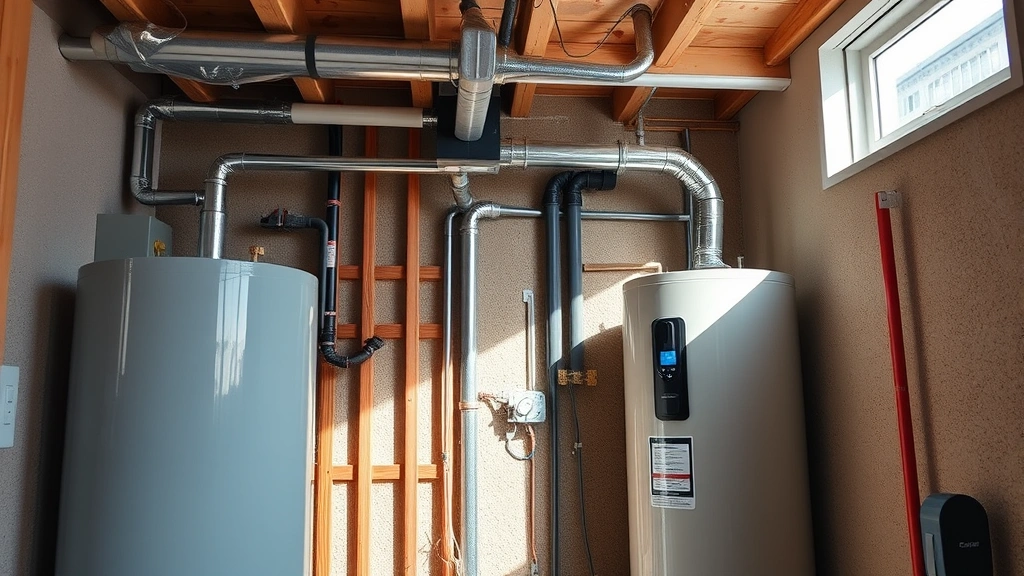
Is a 30-Gallon Gas Water Heater Eco-Friendly? Facts!
When it comes to home energy consumption, water heating represents one of the largest expenses and environmental impacts for most households. A 30-gallon gas water heater is a common choice in many American homes, but the question of its environmental sustainability deserves serious examination. Understanding the ecological implications of this appliance requires looking beyond surface-level efficiency ratings to consider manufacturing, operational emissions, resource consumption, and long-term environmental costs.
The debate over gas water heater sustainability isn’t simply about whether these devices are good or bad for the planet—it’s more nuanced. A 30-gallon gas water heater occupies a middle ground: it’s more efficient than older electric models but less eco-friendly than modern heat pump systems or solar alternatives. This comprehensive guide explores the environmental reality of gas water heaters, compares them to alternatives, and provides actionable steps to minimize their ecological footprint.
Understanding Gas Water Heater Emissions
A 30-gallon gas water heater operates by burning natural gas to heat water, which immediately creates carbon dioxide and other greenhouse gas emissions. According to EPA energy data, water heating accounts for approximately 17-21% of household energy consumption. For gas-powered systems, this translates to direct combustion emissions that contribute to climate change.
The carbon footprint of operating a gas water heater depends on several factors: the age of the unit, its insulation quality, your local water temperature, usage patterns, and the carbon intensity of your regional natural gas supply. A typical 30-gallon gas water heater produces roughly 2-3 tons of CO₂ equivalent annually, though this varies significantly based on household size and hot water demand.
Natural gas itself is a fossil fuel extracted through drilling and transported via pipelines, introducing additional environmental concerns beyond combustion emissions. Methane leaks during extraction, processing, and distribution represent a significant climate impact. Research from the International Energy Agency indicates that methane leakage can substantially increase the overall climate impact of natural gas compared to initial calculations.
Additionally, gas water heaters require venting systems that expel combustion byproducts, including nitrogen oxides and particulate matter. These pollutants contribute to indoor and outdoor air quality degradation, particularly concerning for households with respiratory sensitivities. The EPA emphasizes indoor air quality as a critical health concern, and improper venting of gas appliances poses real risks.

Energy Efficiency and Operating Costs
Modern 30-gallon gas water heaters typically achieve energy factors (EF) between 0.60 and 0.65, meaning they convert 60-65% of fuel energy into usable hot water. While this represents improvement over older models with EF ratings below 0.50, it also means roughly 35-40% of energy is wasted through combustion inefficiency and heat loss.
The size of your water heater matters significantly for sustainability. A 30-gallon capacity suits households of 2-3 people with moderate hot water usage. Oversizing or undersizing creates inefficiencies—oversized units waste energy keeping unnecessary water hot, while undersized units may require more frequent heating cycles. Matching your heater size to actual household needs is a critical way to reduce your environmental footprint.
Operating costs for a 30-gallon gas water heater average $400-600 annually, depending on local natural gas prices and usage patterns. While competitive with electric resistance heaters, these costs pale in comparison to the true environmental expense when accounting for upstream emissions, methane leakage, and climate impacts. The apparent affordability of gas heating masks significant hidden environmental costs.
Insulation quality dramatically affects operational efficiency. Older 30-gallon gas heaters lose substantial heat through their tanks and pipes. Modern units with improved insulation and heat trap valves perform better, but even contemporary models experience standby losses. Wrapping your water heater in an insulating blanket (R-value 8-24) can reduce heat loss by 25-45%, though this requires careful installation to avoid blocking ventilation.
Environmental Impact Comparison
To properly evaluate whether a 30-gallon gas water heater is eco-friendly, comparison with alternatives reveals the true sustainability picture. Electric resistance water heaters produce similar operational emissions when powered by coal-heavy grids, but regions with cleaner electricity sources see substantially lower impacts. Heat pump water heaters consume 50-60% less energy than gas or electric resistance models, dramatically reducing environmental impact over their lifetime.
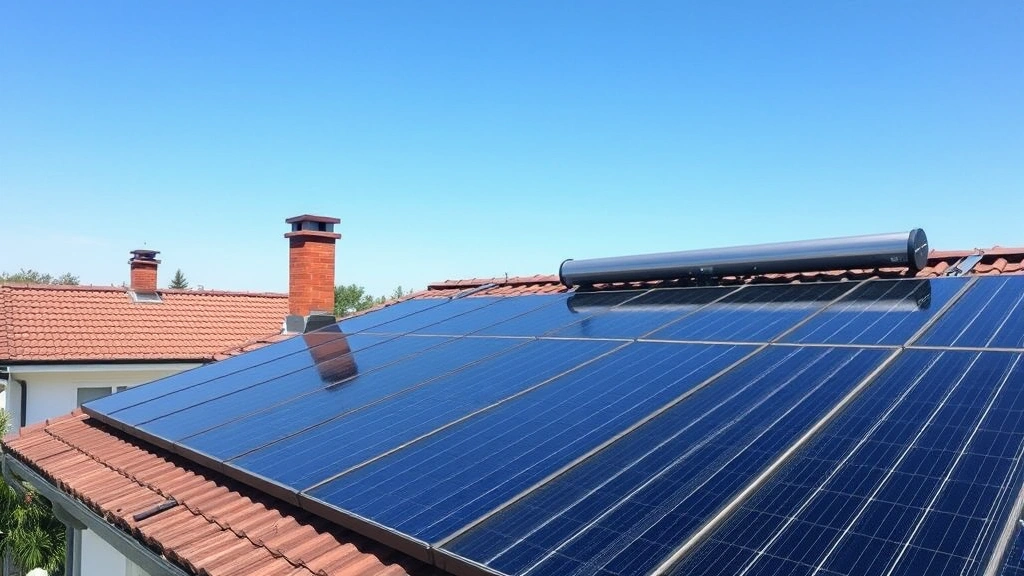
Solar water heating systems represent the most environmentally friendly option, eliminating operational emissions entirely while utilizing renewable energy. A solar thermal system paired with a small gas backup heater achieves near-zero emissions for most of the year. However, solar requires significant upfront investment ($3,000-6,000) and suitable roof conditions.
Tankless gas water heaters offer modest efficiency improvements over tank models by eliminating standby losses, but they still produce direct combustion emissions. Condensing gas water heaters recover heat from exhaust gases, achieving EF ratings above 0.90, but cost significantly more than standard 30-gallon units and require specialized venting infrastructure.
When considering sustainable energy solutions, water heating warrants serious attention. The average household can reduce water heating emissions by 20-50% through strategic upgrades and behavioral changes, representing meaningful climate action without requiring immediate full replacement.
Manufacturing and Lifecycle Assessment
The environmental impact of a 30-gallon gas water heater extends far beyond operational emissions. Manufacturing involves extracting and processing steel, copper, brass, and other materials, consuming energy and generating waste. A typical unit weighs 80-100 pounds, requiring significant material inputs and industrial processes.
Lifecycle assessments accounting for manufacturing, transportation, installation, operation, and disposal reveal that operational emissions typically represent 80-90% of total environmental impact over a 10-15 year lifespan. However, manufacturing impact remains substantial—producing the average water heater generates roughly 1-2 tons of CO₂ equivalent before the unit produces a single gallon of hot water.
Durability affects lifecycle sustainability significantly. A 30-gallon gas water heater lasting 15 years spreads manufacturing impact across 1,825 weeks of operation, whereas one lasting only 8 years concentrates that impact into fewer operational years. Regular maintenance—annual flushing to remove sediment, anode rod replacement, and pressure relief valve inspection—extends lifespan and improves overall sustainability.
End-of-life considerations matter too. Water heaters contain recyclable materials (steel, copper, brass) but also hazardous components (insulation, gas controls). Proper recycling diverts these materials from landfills while recovering valuable resources. Many municipalities offer water heater recycling programs, and scrap metal facilities accept these units.
Strategies to Reduce Your Water Heater’s Carbon Footprint
If you currently own a 30-gallon gas water heater, several practical strategies can substantially reduce its environmental impact without requiring replacement:
- Lower the temperature setting: Reducing your water heater temperature from 140°F to 120°F decreases energy consumption by 6-8% annually while still providing adequate hot water for most household needs. This simple adjustment prevents scalding risks and saves money.
- Install low-flow fixtures: Aerating showerheads and faucet restrictors reduce hot water demand, allowing your heater to work less frequently. A family reducing shower duration by 2 minutes daily can cut water heating energy by 10-15%.
- Insulate pipes: Hot water traveling through uninsulated pipes loses heat rapidly. Foam pipe insulation (R-3 to R-4) applied to exposed hot water lines costs $20-50 and prevents 5-10% of standby losses.
- Add a blanket insulation: Wrapping your tank with a commercial water heater blanket (minimum R-8) reduces heat loss by 25-45%. Ensure you don’t block the thermostat, temperature relief valve, or burner access.
- Perform regular maintenance: Annual flushing removes sediment that insulates the heating element, reducing efficiency. Replacing the anode rod every 3-5 years prevents corrosion and extends tank life.
- Explore green technology innovations like on-demand circulation pumps with timers, which deliver hot water quickly without wasting water down the drain.
- Consider a timer: Installing a 24-hour timer allows you to reduce heating during hours when hot water demand is minimal, particularly overnight or during work hours.
These interventions collectively can reduce your 30-gallon gas water heater’s environmental impact by 20-35% at minimal cost, often paying for themselves through energy savings within 1-3 years.
Sustainable Alternatives to Traditional Gas Heaters
When considering replacement or upgrading, several alternatives merit serious evaluation from an environmental perspective:
Heat Pump Water Heaters: These systems transfer heat from air or ground sources rather than generating heat through combustion. They consume 50-60% less energy than gas or electric resistance heaters, resulting in dramatically lower lifetime emissions. A hybrid heat pump model maintains gas backup for periods of high demand, balancing efficiency with reliability. Initial costs run $1,500-2,500 installed, but federal tax credits and utility rebates often reduce net expense significantly.
Solar Thermal Systems: Rooftop solar collectors capture renewable energy to heat water, virtually eliminating operational emissions. A solar thermal system costs $3,000-6,000 installed and can provide 50-80% of annual hot water energy in sunny climates. Combined with a gas or electric backup for cloudy periods, solar represents the most sustainable option for suitable properties.
Tankless Gas Water Heaters: These on-demand systems eliminate standby losses and typically achieve EF ratings of 0.80-0.85, compared to 0.60-0.65 for tank models. However, they still produce direct combustion emissions and require higher gas flow rates. Condensing tankless models achieve EF above 0.90 but cost substantially more.
Point-of-Use Electric Heaters: Small electric units installed directly at the tap provide hot water without maintaining a large tank. While electrical source matters for emissions calculations, they eliminate standby losses and suit specific high-demand fixtures.
Understanding the definition of sustainability helps contextualize these choices—true sustainability balances environmental impact, economic feasibility, and social responsibility. For some households, replacing a functioning 30-gallon gas heater remains less sustainable than maintaining it while implementing efficiency improvements, since manufacturing impact of a new unit requires years of operational savings to offset.
Cost-Benefit Analysis for Eco-Conscious Homeowners
Determining whether to upgrade from your current 30-gallon gas water heater requires weighing environmental benefits against economic and practical considerations:
Replacement Timeline: If your heater is 8-10 years old and approaching typical lifespan, replacement becomes economically and environmentally sensible. Upgrading to a heat pump or solar system captures significant lifetime environmental benefits. Conversely, replacing a functioning 3-year-old heater purely for environmental reasons requires that the new system’s efficiency advantage offset manufacturing impacts—typically requiring 5-7 years of operation.
Regional Factors: Your location significantly affects upgrade economics. Areas with high natural gas prices make efficient alternatives more cost-competitive. Sunny regions benefit dramatically from solar investments. Electricity grids powered by renewable sources make heat pump upgrades environmentally compelling. Check your utility’s energy source mix and rebate programs before deciding.
Financial Incentives: Federal tax credits currently provide up to $3,750 for heat pump water heater installation and $1,500 for solar thermal systems. Many states and utilities offer additional rebates. These incentives substantially improve the financial case for upgrading to efficient alternatives. Research available programs at the Database of State Incentives for Renewables & Efficiency.
Total Cost of Ownership: While a new 30-gallon gas heater costs $400-600 installed, a heat pump system costs $1,500-2,500 and a solar installation runs $3,000-6,000. However, factoring energy savings over 15-20 years often makes efficient alternatives cost-competitive or cheaper than conventional gas heaters. A heat pump saving $150-200 annually in energy costs recovers its premium in 7-10 years while providing superior environmental performance.
Home Value Impact: Energy-efficient water heating systems, particularly solar installations, can increase property value by 3-4%, potentially recovering upgrade costs at resale while improving buyer appeal in environmentally conscious markets.
For most households, the most eco-friendly water heater is the one you already own, optimized through efficiency improvements. However, when replacement becomes necessary due to age or failure, choosing a sustainable alternative represents a meaningful opportunity to reduce your household’s long-term environmental impact. Explore sustainable energy solutions specific to your circumstances before making this significant decision.
FAQ
Is a 30-gallon gas water heater more eco-friendly than electric?
It depends on your electricity grid’s composition. In regions powered primarily by renewable energy or natural gas plants, electric resistance heaters produce similar or lower emissions than gas. However, heat pump electric heaters are 50-60% more efficient than either gas or traditional electric resistance models, making them the most sustainable electric option. A 30-gallon gas heater ranks between conventional electric and heat pump systems in environmental performance.
How much CO₂ does a 30-gallon gas water heater produce annually?
A typical 30-gallon gas water heater produces 2-3 tons of CO₂ equivalent annually, depending on usage patterns, unit age, insulation quality, and regional natural gas carbon intensity. Households using more hot water produce higher emissions, while those implementing efficiency measures can reduce annual output by 20-35%.
Can I make my 30-gallon gas water heater more eco-friendly?
Yes, significantly. Insulating your tank and pipes, lowering the temperature setting, installing low-flow fixtures, performing regular maintenance, and using timers can collectively reduce environmental impact by 20-35%. These improvements typically cost under $200 and pay for themselves through energy savings.
What’s the most eco-friendly water heater option?
Solar thermal water heating systems represent the most environmentally sustainable option, eliminating operational emissions while utilizing renewable energy. Heat pump water heaters rank second, consuming 50-60% less energy than gas or electric resistance models. Condensing gas tankless heaters offer modest improvements over standard gas tanks but still produce direct combustion emissions.
Should I replace my functioning 30-gallon gas water heater for environmental reasons?
Unless your heater is 10+ years old or failing, replacement is generally less sustainable than optimizing your current unit. Manufacturing a new heater generates 1-2 tons of CO₂ equivalent, requiring 5-7 years of operational savings to recover. However, if replacement is already necessary, choosing a heat pump or solar system dramatically improves lifetime environmental performance.
How does water heater size affect sustainability?
Oversized tanks waste energy maintaining unnecessary hot water volume, while undersized units require frequent heating cycles. A 30-gallon capacity suits 2-3 person households with moderate usage. Matching size to actual needs optimizes energy efficiency and reduces environmental impact.
What percentage of home energy consumption is water heating?
Water heating typically accounts for 17-21% of household energy consumption, making it the second-largest energy expense after heating and cooling. Improving water heater efficiency represents one of the most impactful household sustainability upgrades available.
Are tankless gas water heaters more eco-friendly than 30-gallon tank models?
Tankless heaters eliminate standby losses and typically achieve 5-10% better efficiency than tank models. However, they still produce direct combustion emissions and don’t provide the dramatic efficiency improvements of heat pump or solar systems. Condensing tankless models achieve better performance but cost substantially more.


