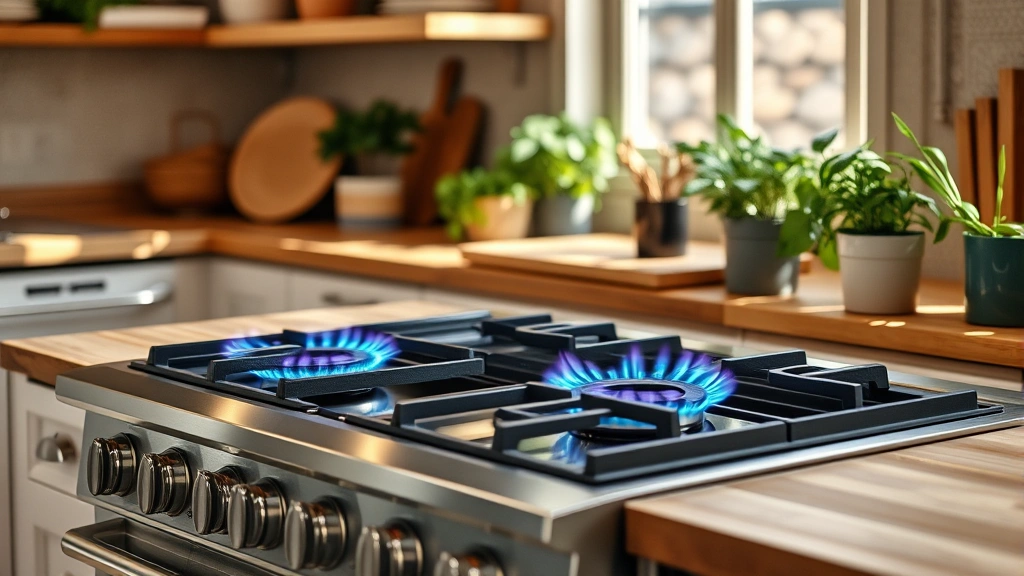
Is a 30″ Gas Range Eco-Friendly? Expert Insight on Kitchen Sustainability
When it comes to outfitting your kitchen with appliances, the 30 gas range remains a popular choice for home cooks and professional chefs alike. However, in an era of heightened environmental awareness, many homeowners are asking critical questions about whether gas cooking aligns with sustainable living practices. The answer is nuanced and depends on multiple factors including energy efficiency, gas sourcing, cooking habits, and available alternatives.
The environmental impact of a 30 gas range extends beyond the appliance itself. It encompasses the entire lifecycle of the product, from manufacturing and installation to daily operation and eventual disposal. Understanding these dimensions helps you make an informed decision that balances your culinary needs with your definition of sustainability and environmental values.
Energy Efficiency and Fuel Consumption
A 30 gas range operates through direct flame combustion, which offers several efficiency advantages over traditional electric coil burners. Modern 30 gas ranges typically achieve energy efficiency ratings between 70-80%, meaning that roughly 70-80% of the fuel’s energy translates directly into heat for cooking. This is notably higher than conventional electric coil ranges, which operate at approximately 65-75% efficiency.
The key to understanding energy efficiency in gas cooking lies in the instantaneous heat delivery. When you turn on a gas burner, you get immediate heat without the warm-up time required by electric elements. This means less wasted energy and shorter cooking times. However, it’s crucial to distinguish between different types of electric alternatives. Sustainable energy solutions have evolved significantly, particularly with induction cooking technology, which achieves 80-90% efficiency rates.
The combustion process itself matters environmentally. Natural gas burns cleaner than coal or oil, producing primarily carbon dioxide and water vapor. However, methane—the primary component of natural gas—is a potent greenhouse gas, approximately 25-28 times more effective at trapping heat than CO2 over a 100-year period. This means that even small leaks in your gas supply line or appliance can have disproportionate environmental consequences.
For those committed to how to reduce your environmental footprint, monitoring your gas range’s condition is essential. Regular maintenance, checking for leaks, and ensuring proper ventilation all contribute to minimizing your kitchen’s climate impact.
Environmental Impact of Natural Gas
The environmental story of a 30 gas range begins long before it reaches your kitchen. Natural gas extraction, processing, transportation, and distribution all carry environmental costs. Hydraulic fracturing (fracking), the dominant extraction method, raises concerns about groundwater contamination, methane emissions, and habitat disruption. According to the EPA’s greenhouse gas emissions overview, methane leakage throughout the natural gas supply chain represents a significant source of unaccounted emissions.
The carbon footprint of natural gas cooking depends heavily on your regional energy grid composition. In areas where electricity comes primarily from renewable sources like wind, solar, or hydroelectric power, an electric or induction range would have a substantially lower carbon footprint than a gas alternative. Conversely, in regions relying heavily on coal-fired power plants, a gas range might actually produce fewer emissions than electric cooking.
Indoor air quality presents another environmental and health consideration often overlooked. Gas combustion produces nitrogen dioxide (NO2), carbon monoxide (CO), and particulate matter. These byproducts can accumulate in your kitchen if ventilation is inadequate, potentially affecting respiratory health and indoor environmental quality. This represents an often-invisible environmental cost that extends beyond global climate considerations to your immediate living space.
The International Energy Agency has documented methane emissions from gas cookers, finding that even when burners are off, small amounts of methane can leak from pilot lights and connection points. Over time, these leaks contribute meaningfully to household greenhouse gas emissions.
Comparing Gas to Electric and Induction Ranges
When evaluating whether a 30 gas range is eco-friendly, comparison with alternatives provides essential context. Electric coil ranges, while less efficient than gas, represent an older technology that many households are moving away from. Smooth-top electric ranges improve upon coil efficiency slightly, achieving 75-80% efficiency, but still lag behind both gas and induction technologies.
Induction ranges represent the most energy-efficient cooking technology currently available for residential kitchens. They use electromagnetic fields to heat cookware directly, bypassing the step of heating air or cooking surfaces. This results in 80-90% efficiency and significantly faster cooking times. However, induction requires compatible ferromagnetic cookware and involves a substantial upfront investment. The environmental benefit of induction becomes particularly pronounced when powered by renewable electricity.
The lifecycle environmental impact tells a more complete story. Manufacturing an induction range requires specialized materials and electronics, which carry their own environmental costs. A gas range, while less efficient, uses more conventional manufacturing processes. Over a 15-20 year lifespan, the operational efficiency gains of induction typically outweigh the manufacturing impacts, particularly in regions with clean electricity grids.
For those interested in comprehensive green technology innovations transforming our future, understanding these comparative efficiencies helps contextualize where cooking appliances fit within broader sustainability strategies. The “best” option depends on your regional energy sources, cooking habits, and financial capacity.
Manufacturing and Lifecycle Considerations
The environmental impact of a 30 gas range extends throughout its entire lifecycle, beginning with raw material extraction and manufacturing. Steel, aluminum, brass, and various electronic components require energy-intensive processing. A typical 30-inch gas range weighs between 100-150 pounds, with significant portions being recyclable metals.
Manufacturing facilities’ environmental practices vary considerably. Leading appliance manufacturers increasingly implement sustainable energy solutions in their production processes, utilizing renewable electricity and optimizing waste reduction. Researching manufacturer sustainability commitments provides insight into the environmental responsibility embedded in your appliance choice.
Transportation represents another lifecycle consideration. A 30 gas range shipped from a manufacturing facility to distribution centers and finally to your home generates carbon emissions through fuel consumption. Choosing locally manufactured or distributed appliances can modestly reduce this impact. The packaging materials used—typically cardboard, foam, and plastic—also contribute to lifecycle environmental impact.
The operational phase dominates the lifecycle environmental assessment for most appliances. A 30 gas range used for 15-20 years will consume far more resources through fuel consumption than through manufacturing. This underscores the importance of energy efficiency and proper maintenance. Keeping your range clean, ensuring burners function optimally, and using appropriately sized cookware all maximize efficiency.
At end-of-life, a gas range’s recyclability depends on proper deconstruction. Steel and aluminum components are highly recyclable, though electronic components and insulation materials may require specialized processing. Donating a functioning range to charitable organizations extends product life and prevents unnecessary landfill waste, representing the most environmentally responsible disposal option.

Optimizing Your Gas Range for Sustainability
If you’ve chosen a 30 gas range or already own one, numerous strategies can enhance its environmental performance. Proper ventilation is paramount—ensure your range hood functions effectively to remove combustion byproducts. This protects indoor air quality while preventing heat loss through excessive ventilation.
Cookware selection significantly impacts efficiency. Flat-bottomed pots and pans with good thermal conductivity transfer heat more effectively to food, reducing cooking time and fuel consumption. Matching pot size to burner size prevents wasted heat around cookware edges. Covering pots with lids traps heat and reduces cooking time by up to 25-30%.
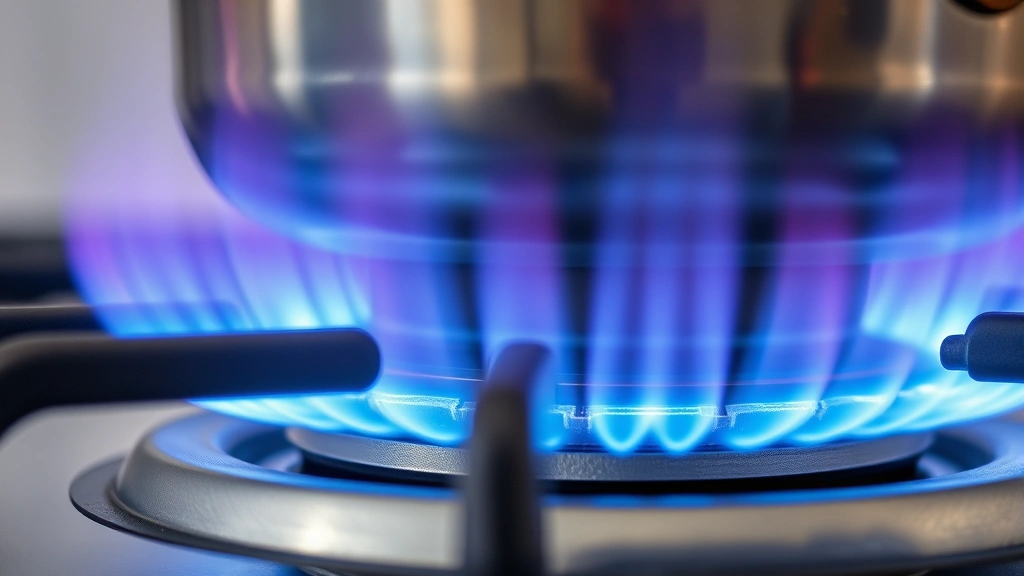
Regular maintenance preserves efficiency and prevents dangerous gas leaks. Clean burner caps and grates periodically to remove food debris that might obstruct flame patterns. Check for yellow or orange flames—blue flames indicate proper combustion, while other colors suggest incomplete combustion and potential efficiency loss. Have a professional inspect your range annually, particularly checking seals and connections for methane leaks.
Cooking techniques themselves matter environmentally. Batch cooking, meal planning, and using appropriate heat levels reduce unnecessary fuel consumption. Using your range for multiple dishes during a single cooking session maximizes efficiency compared to heating your kitchen multiple times daily.
For additional guidance on reducing your overall environmental impact, explore resources on how to reduce your environmental footprint, which provide comprehensive strategies beyond just appliance choices.
Certification and Standards
Several certification programs and standards help identify more environmentally responsible gas ranges. The ENERGY STAR program certifies appliances meeting strict efficiency standards, though gas ranges typically qualify less frequently than electric alternatives due to fewer efficiency variables.
The American Gas Association (AGA) certification indicates that gas appliances meet safety and performance standards, though this doesn’t specifically address environmental impact. However, AGA-certified ranges typically demonstrate quality construction that supports longevity and reliable operation.
Look for ranges manufactured by companies demonstrating sustainability commitments through their blog and public statements. Companies publishing sustainability reports and carbon footprint assessments show transparency about their environmental impact. Some manufacturers offer recycling programs for old appliances, facilitating responsible end-of-life management.
The National Appliance Energy Conservation Act (NAECA) establishes federal efficiency standards for cooking appliances. Gas ranges sold in the United States must meet these minimum standards, though manufacturers often exceed them. Understanding these baseline requirements helps you identify ranges performing above minimum specifications.
International standards like ISO 14001 environmental management certification indicate that manufacturers maintain systematic approaches to reducing environmental impact throughout their operations. While not specific to individual products, this certification suggests broader organizational commitment to sustainability.
FAQ
Is natural gas cooking worse for the environment than electric cooking?
It depends on your regional electricity grid composition. In areas with renewable energy sources, electric or induction cooking is typically more environmentally friendly. In regions relying on fossil fuels for electricity generation, gas cooking may have a lower carbon footprint. The most accurate assessment requires understanding your local energy sources.
How often should I have my 30 gas range inspected for leaks?
Annual professional inspections are recommended, particularly checking connection points, seals, and pilot lights for methane leaks. Between professional inspections, you can perform simple checks by smelling for gas odors and ensuring flames appear blue rather than yellow or orange.
Can I make my gas range more eco-friendly?
Yes, through proper maintenance, using appropriate cookware, employing efficient cooking techniques, and ensuring adequate ventilation. These practices maximize efficiency and minimize environmental impact while extending your appliance’s lifespan.
What’s the most eco-friendly cooking appliance?
Induction ranges typically offer the highest efficiency (80-90%) and lowest environmental impact, especially when powered by renewable electricity. However, the best choice depends on your regional energy grid, budget, and cooking preferences.
How does manufacturing impact a gas range’s overall environmental footprint?
Manufacturing typically accounts for 5-10% of a range’s total lifecycle environmental impact, with the remaining 90-95% coming from operational fuel consumption over its lifespan. This emphasizes the importance of choosing efficient models and maintaining them properly.
Are there sustainable alternatives to traditional gas ranges?
Yes, including induction ranges, high-efficiency electric ranges, and hybrid models combining multiple heating technologies. Some manufacturers also offer ranges powered by biogas or other renewable fuel sources, though these remain niche options in most markets.


