Is Sustainable Cooking Possible? Chef Insights on Modern Kitchen Solutions
The modern kitchen represents one of the most energy-intensive spaces in our homes, consuming roughly 4-8% of total household energy usage. Professional chefs and home cooks alike are increasingly questioning whether sustainable cooking is achievable without compromising quality, flavor, or efficiency. The answer is both nuanced and encouraging: yes, sustainable cooking is not only possible but increasingly practical with the right equipment, knowledge, and mindset.
This comprehensive guide explores how chefs are revolutionizing their cooking practices, from equipment choices to ingredient sourcing, and provides actionable insights for anyone seeking to reduce their culinary carbon footprint. Whether you’re outfitting a professional kitchen or upgrading your home cooking space, understanding the intersection of sustainability and culinary excellence is essential for modern food preparation.
Understanding Energy Consumption in Commercial and Residential Kitchens
Kitchens consume energy through multiple channels: cooking equipment, refrigeration, ventilation, and water heating. A typical household spends approximately $800-1,200 annually on kitchen-related energy costs, with cooking appliances representing a significant portion. Professional kitchens face even steeper challenges, with commercial establishments spending $50,000-200,000 yearly on kitchen energy depending on size and volume.
The Environmental Protection Agency (EPA) notes that energy efficiency directly correlates with reduced greenhouse gas emissions. When kitchens operate inefficiently, they not only waste money but contribute meaningfully to residential and commercial carbon footprints. Understanding baseline consumption is the first step toward implementing meaningful change.
Professional chefs recognize that sustainable cooking begins with awareness. Many leading culinary institutions now track their energy metrics as rigorously as they monitor food costs. This data-driven approach reveals that the cooking method accounts for 20-30% of kitchen energy use, making equipment selection critically important for sustainability-minded establishments.
The Role of Cooking Equipment in Sustainability
Cooking equipment represents the most visible and controllable variable in kitchen sustainability. A 36-inch gas range, one of the most common professional and home cooking appliances, exemplifies the complexity of sustainable equipment choices. These ranges typically feature multiple burners, an oven, and sometimes additional features like griddles or warming drawers, each with distinct efficiency characteristics.
When evaluating cooking equipment for sustainability, consider these critical factors:
- Energy efficiency ratings: Look for ENERGY STAR certification, which indicates equipment meeting strict efficiency guidelines
- Fuel type compatibility: Assess whether your kitchen infrastructure supports optimal fuel choices
- Equipment lifespan: Longer-lasting equipment reduces manufacturing waste and replacement frequency
- Maintenance requirements: Equipment requiring less maintenance often performs more efficiently over time
- Cooking capacity: Right-sized equipment prevents energy waste from underutilized systems
Leading culinary professionals emphasize that sustainable cooking equipment must balance environmental responsibility with practical performance. A 36-inch gas range that performs poorly compromises both food quality and chef workflow, ultimately leading to waste through failed dishes and inefficient cooking times.
Gas vs. Electric: Evaluating Your Cooking Fuel Options
The gas versus electric debate represents one of the most significant decisions in sustainable cooking. Understanding whether natural gas qualifies as renewable energy provides important context for this choice. While natural gas burns relatively cleanly compared to coal or oil, it remains a fossil fuel with extraction and transmission environmental impacts.
Gas cooking advantages include:
- Instant heat adjustment and precise temperature control
- Lower upfront equipment costs
- Familiarity for professional chefs trained on gas
- No dependency on electricity grid reliability
- Visible flame enabling traditional cooking techniques
Electric cooking advantages include:
- Higher energy efficiency conversion rates (85-90% vs. 40-60% for gas)
- Compatibility with renewable electricity sources
- Cleaner indoor air quality (no combustion byproducts)
- Easier cleaning and maintenance
- Increasingly competitive pricing for premium models
Chefs increasingly recognize that neither option is universally superior from a sustainability perspective. The optimal choice depends on your region’s energy grid composition, available infrastructure, cooking style, and long-term sustainability goals. Exploring sustainable energy solutions for your specific location provides crucial data for this decision.
Induction Cooking Technology and Modern Efficiency
Induction cooktops represent the most efficient cooking technology currently available for home and commercial kitchens. These systems use electromagnetic fields to heat cookware directly rather than heating a surface element. This fundamental difference delivers remarkable efficiency gains: induction cooktops achieve 80-90% energy transfer efficiency compared to 70-75% for electric coil and 40-55% for gas burners.
Professional chefs initially resisted induction technology due to concerns about heat responsiveness and compatibility with traditional cookware. Modern induction systems have addressed these limitations substantially. High-end induction ranges now offer:
- Precise temperature control rivaling gas burners
- Rapid heating and cooling capabilities
- Compatibility with ferromagnetic cookware (cast iron, stainless steel)
- Safety features preventing accidental burns
- Easier cleaning due to cool-to-touch surfaces
The energy efficiency gains translate directly to cost and environmental savings. A commercial kitchen replacing a gas range with an equivalent induction system typically reduces cooking energy consumption by 30-50%, resulting in annual savings of $5,000-15,000 depending on scale. For residential kitchens, similar proportional savings apply, reducing both utility bills and household carbon emissions.
Chef-Approved Sustainable Cooking Practices
Beyond equipment choices, renowned chefs implementing sustainable practices emphasize methodology and mindset. These approaches reduce waste, minimize energy consumption, and improve overall kitchen efficiency regardless of equipment type.
Mise en place optimization: Properly organizing ingredients before cooking prevents extended heating times and reduces energy waste. Chefs who prepare components efficiently minimize idle time on burners or in ovens.
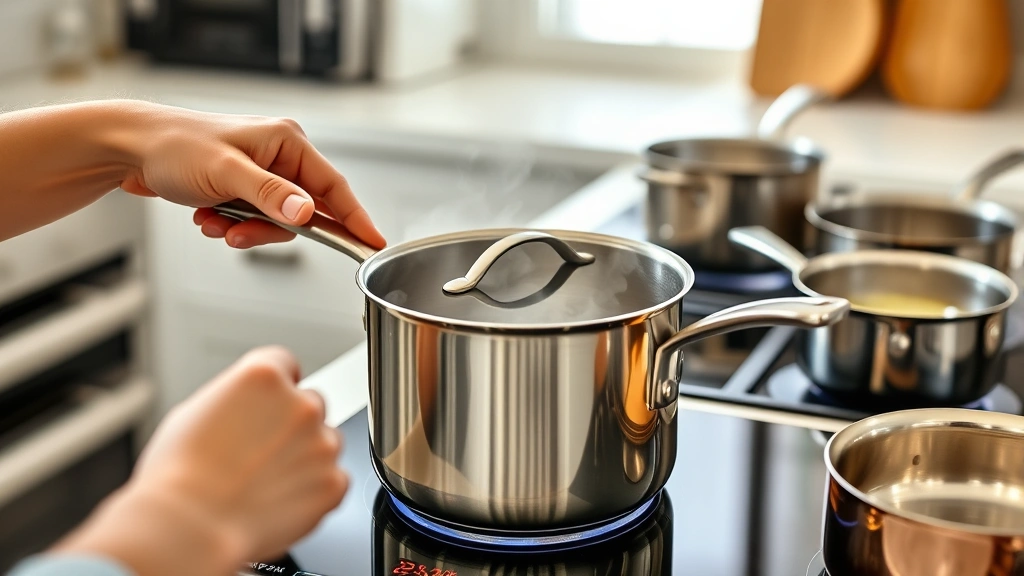
Right-sized cookware: Using appropriately sized pots and pans for burner size dramatically improves energy transfer efficiency. A small pot on a large burner wastes significant energy heating unused surface area. Conversely, oversized cookware on small burners requires extended cooking times.
Batch cooking and meal planning: Professional kitchens maximize oven utilization by coordinating multiple dishes requiring similar temperatures. Home cooks can adopt this approach through strategic meal planning, reducing overall cooking frequency and energy consumption.
Residual heat utilization: Turning off burners several minutes before completing cooking allows residual heat to finish the process. This simple practice saves 5-10% of cooking energy without compromising results.
Lid usage: Covering pots and pans reduces cooking time by 25-30% while minimizing water and heat loss. Professional kitchens consistently implement this practice, though home cooks often overlook it.
Pressure cooking and slow cooking: These methods use less total energy than conventional cooking. Pressure cookers achieve 30% faster cooking times, while slow cookers distribute energy consumption across extended periods, allowing use of cheaper off-peak electricity rates.
Chefs emphasize that sustainable cooking practices enhance food quality alongside environmental benefits. Proper technique, appropriate temperatures, and careful timing produce superior results while reducing waste and energy consumption.

Sourcing Sustainable Ingredients
Equipment and technique represent only half of sustainable cooking. Ingredient sourcing profoundly impacts overall culinary sustainability. Professional chefs increasingly prioritize local, seasonal, and ethically sourced ingredients not only for quality but for environmental responsibility.
Sustainable ingredient sourcing encompasses:
- Local sourcing: Reduces transportation emissions significantly. Ingredients traveling 100 miles versus 1,000+ miles generate 90% less transportation-related carbon emissions
- Seasonal eating: Seasonal produce requires minimal artificial growing conditions (greenhouse heating, artificial lighting) and arrives fresher with superior flavor
- Regenerative agriculture: Sourcing from farms implementing soil-building practices supports ecosystem health and carbon sequestration
- Plant-forward cooking: Reducing meat consumption, particularly beef, dramatically lowers meal carbon footprint. Beef production generates 10-15 times more emissions than equivalent plant protein
- Certification verification: Look for organic, Fair Trade, Marine Stewardship Council, and other credible certifications indicating sustainable practices
Many professional chefs now maintain direct relationships with local farmers and producers, receiving seasonal ingredient previews that inform menu planning. This approach strengthens supply chain transparency while supporting local economies. Exploring sustainable food systems through dedicated resources helps both professional and home cooks understand ingredient impacts.
The Monterey Bay Aquarium’s Seafood Watch program provides detailed guidance on sustainable fish and seafood choices, helping cooks make environmentally responsible selections that support ocean health.
Water Conservation in the Kitchen
Water consumption represents an often-overlooked sustainability aspect in kitchens. Professional kitchens use 3,000-5,000 gallons daily, while residential kitchens consume 30-50 gallons daily for cooking and cleaning. Both scales offer meaningful conservation opportunities.
Water conservation strategies include:
- Efficient faucet aerators: Installing low-flow aerators reduces water consumption by 30-50% without significantly impacting functionality
- Vegetable scraps water reuse: Water used to blanch vegetables or rinse produce can water plants or contribute to stock, eliminating single-use waste
- Full-load dishwashing: Running dishwashers only when completely full reduces per-item water consumption dramatically
- Defrosting strategy: Planning ahead to defrost frozen ingredients in refrigerators rather than under running water conserves thousands of gallons annually
- Cleaning efficiency: Using soaking methods rather than continuous rinsing reduces cleaning water consumption significantly
Professional establishments implementing comprehensive water conservation programs report 20-40% reductions in water consumption, translating to $2,000-8,000 annual savings depending on scale and local water rates.
FAQ
Is induction cooking truly more sustainable than gas cooking?
Induction cooktops are significantly more efficient (80-90% energy transfer) than gas burners (40-55%), making them more sustainable from an energy consumption perspective. However, sustainability depends on your electricity grid’s energy sources. If your grid relies heavily on renewable energy, induction is clearly superior. In areas dependent on fossil fuel electricity, the comparison becomes more complex. Consulting information about green technology innovations helps evaluate your specific regional context.
Can professional chefs maintain quality standards with sustainable cooking practices?
Absolutely. Leading culinary institutions worldwide demonstrate that sustainability and excellence are compatible goals. Many Michelin-starred restaurants implement comprehensive sustainability programs while maintaining highest quality standards. Sustainable practices often enhance food quality through better ingredient sourcing, proper technique, and waste reduction.
What’s the best way to transition an existing kitchen toward sustainability?
Start with a comprehensive energy and water audit to identify priority areas. Implement low-cost behavioral changes (lid usage, right-sized cookware, batch cooking) immediately. Plan equipment upgrades strategically, replacing items as they reach end-of-life rather than prematurely discarding functioning equipment. Learning practical energy-saving strategies provides additional guidance for residential kitchen optimization.
How significant is ingredient sourcing compared to cooking method sustainability?
Both matter substantially. Studies suggest ingredient sourcing (particularly protein choices) accounts for 60-80% of meal carbon footprint, while cooking methods represent 10-20%. This means selecting plant-forward, locally-sourced ingredients creates larger environmental impact than equipment choices alone, though both areas merit attention.
Are there sustainable alternatives to a 36-inch gas range?
Yes. Options include 36-inch electric ranges, induction cooktops, and hybrid systems combining multiple technologies. Each offers different advantages. Electric ranges provide improved efficiency over gas without induction’s cookware requirements. Induction cooktops deliver maximum efficiency but require compatible cookware. Hybrid systems offer flexibility. Your choice depends on cooking style, budget, infrastructure, and sustainability priorities.
What certifications should I look for in sustainable kitchen equipment?
ENERGY STAR certification indicates equipment meeting strict efficiency standards. NSF (National Sanitation Foundation) certification ensures food safety compliance. For gas equipment, look for models meeting EPA emissions standards. For commercial equipment, verify compliance with local environmental regulations. Third-party certifications provide reliable verification of sustainability claims.