Gas Stove vs. Electric: Eco Impact Explained
The kitchen appliance you choose has far-reaching environmental consequences that extend beyond your home. When deciding between a gas stove and an electric stove, you’re making a choice that affects air quality, energy consumption, and your carbon footprint. This comprehensive guide explores the ecological implications of both cooking methods, helping you make an informed decision aligned with sustainability principles.
For decades, gas stoves have dominated American kitchens, praised by professional chefs for their precise heat control and instant ignition. However, emerging research reveals significant environmental and health concerns associated with gas combustion in residential spaces. Meanwhile, electric cooking technology has advanced dramatically, offering efficient alternatives that align with broader sustainable energy solutions and climate goals.

Environmental Impact of Gas Stoves
Gas stoves represent a significant source of methane emissions in residential settings. Methane, a potent greenhouse gas approximately 80 times more effective at trapping heat than carbon dioxide over a 20-year period, leaks from gas pipelines, connections, and appliances themselves. When you use a gas stove, you’re not just burning fuel for cooking—you’re contributing to fugitive emissions throughout the entire gas supply chain.
The combustion process in gas stoves produces multiple pollutants beyond carbon dioxide. Nitrogen oxides (NOx), volatile organic compounds (VOCs), and particulate matter are released directly into your kitchen, affecting indoor air quality. Research from the EPA on residential indoor air quality highlights how cooking appliances contribute to indoor pollution levels that often exceed outdoor air quality standards.
Additionally, gas stoves require ongoing extraction and transportation of natural gas, which involves environmental disruption through drilling, pipeline construction, and infrastructure maintenance. The methane leakage rate from the entire natural gas distribution system is estimated at 2-3% of total production, meaning a portion of the fuel never reaches your burner but escapes into the atmosphere.

Electric Stove Efficiency and Benefits
Electric stoves convert 70-90% of electrical energy directly into heat for cooking, compared to gas stoves which only achieve 40-50% efficiency. This dramatic difference means electric stoves waste significantly less energy during the cooking process itself. When paired with renewable energy sources, electric cooking becomes substantially more environmentally friendly.
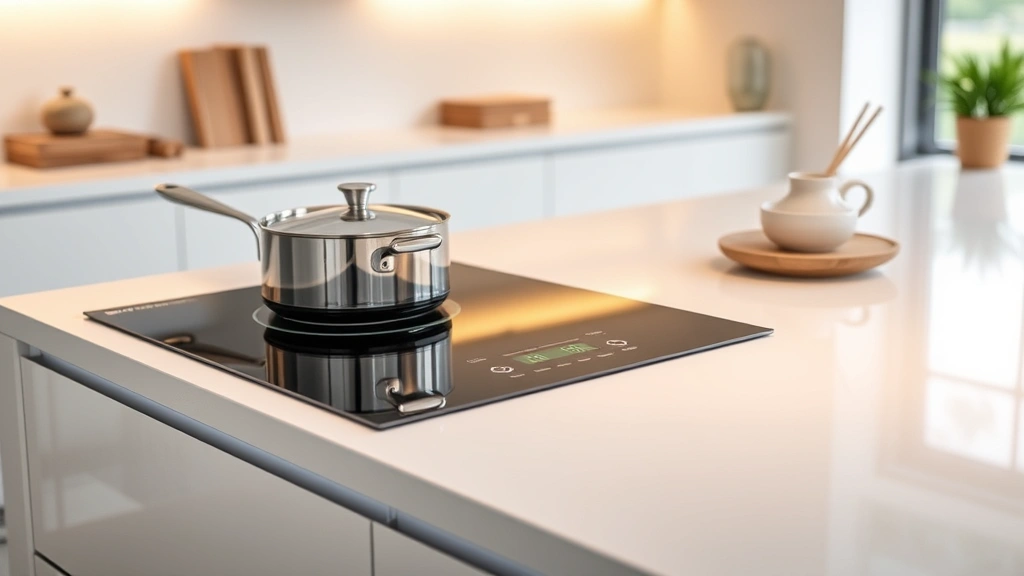
Modern electric stove technologies have evolved considerably. Induction cooktops, which use electromagnetic fields to heat cookware directly, represent the pinnacle of cooking efficiency. Induction stoves are 80-90% efficient and offer precise temperature control rivaling gas stoves. They also provide superior safety features, faster heating times, and easier cleanup—advantages that complement their environmental benefits.
Electric stoves produce zero direct emissions in your kitchen, eliminating indoor air pollution from combustion. This creates a healthier cooking environment and reduces the burden on your home’s ventilation systems. The transition to electric cooking aligns with advantages of electric technologies seen across other household applications.
Energy Source Considerations
The true environmental impact of electric cooking depends heavily on how your regional electrical grid generates power. In areas with abundant renewable energy sources—such as the Pacific Northwest with hydroelectric power or regions with significant wind and solar capacity—electric stoves are dramatically cleaner than gas alternatives.
According to Carbon Brief’s analysis of energy sources, even in regions relying on natural gas power plants, electric stoves still produce fewer total emissions than direct gas combustion. This is because centralized power plants achieve greater efficiency than individual appliances, and emissions can be more effectively controlled and monitored at the source.
The grid is becoming progressively cleaner as renewable energy capacity expands. Installing an electric stove today means your cooking method will become increasingly sustainable as your region’s energy mix improves. Conversely, a gas stove remains locked into fossil fuel dependence regardless of grid improvements. This dynamic advantage makes electric cooking a forward-thinking choice aligned with green technology innovations.
Homeowners with solar panels or access to renewable energy programs can further reduce electric cooking’s environmental footprint to nearly zero. Some utility companies offer time-of-use rates that allow you to cook during peak renewable generation hours, maximizing clean energy usage.
Indoor Air Quality and Health Effects
Gas stove combustion releases nitrogen dioxide (NO2), formaldehyde, and carbon monoxide directly into your kitchen—pollutants that have documented health effects. Studies show that homes with gas stoves have indoor NO2 levels 50% higher than homes with electric cooking, even when accounting for outdoor air infiltration.
Prolonged exposure to these pollutants is associated with respiratory issues, particularly in children and individuals with asthma. The American Academy of Pediatrics has raised concerns about gas stove use in homes with children, citing increased rates of respiratory problems in affected households. Electric cooking eliminates these direct emission pathways entirely.
Ventilation systems can mitigate some gas stove pollution, but they’re often underutilized or ineffective. Range hoods that recirculate air rather than venting outside provide minimal protection, and many households lack adequate ventilation infrastructure. Electric stoves require no such mitigation strategies, simplifying your home’s environmental control needs.
Carbon Emissions Comparison
A comprehensive lifecycle assessment reveals that electric stoves produce approximately 30-50% fewer greenhouse gas emissions than gas stoves, even when accounting for electricity grid emissions. This advantage widens in regions with cleaner energy sources and shrinks in areas heavily dependent on fossil fuel power plants—but electric stoves never exceed gas stove emissions in total environmental impact.
Over a stove’s 15-20 year lifespan, an electric cooking appliance prevents emission of several tons of CO2 equivalent compared to gas alternatives. For a household cooking daily, switching from gas to electric represents impact equivalent to removing a car from the road for several months annually.
The manufacturing emissions for electric stoves are comparable to gas models, so the operational efficiency gains dominate the overall environmental calculation. Additionally, electric stoves require less maintenance and replacement, reducing manufacturing-related environmental costs over time.
When calculating true environmental cost, consider that the U.S. Department of Energy confirms electric cooking’s efficiency advantages across virtually all grid scenarios, reinforcing the environmental superiority of electric options.
Cost Analysis and Long-Term Savings
Electric stoves typically cost $300-$1,000 less than comparable gas models at purchase. While natural gas has historically been cheaper per unit of energy than electricity, the efficiency advantage of electric stoves narrows or eliminates operational cost differences. Induction cooktops, despite higher initial costs ($1,500-$3,000), consume so little energy that they often pay for themselves within 5-10 years through reduced utility bills.
Gas stove installation requires professional venting and gas line connections, adding $500-$2,000 to setup costs. Electric stoves can often use existing circuits, reducing installation expenses. Maintenance costs also favor electric models—gas stoves require periodic safety inspections and component replacements, while electric stoves have fewer moving parts and lower failure rates.
When evaluating cost, factor in potential health benefits of eliminating indoor air pollution and reduced HVAC strain from better air quality. Some jurisdictions offer rebates for electric appliance upgrades, further improving the financial case for switching from gas cooking.
Making Your Choice
Choosing between gas and electric stoves involves weighing multiple factors beyond simple environmental impact. Consider your regional electricity grid’s composition, your budget, cooking preferences, and long-term housing plans. For most households, electric cooking—particularly induction technology—represents the more sustainable choice with superior efficiency, health benefits, and alignment with sustainable energy solutions.
If you currently use gas, transitioning to electric cooking is a meaningful sustainability action you can take immediately. If you’re building a new kitchen or replacing an aging appliance, electric should be your default choice. The environmental science is clear: electric cooking is cleaner, more efficient, and increasingly cost-competitive.
For renters or those with constraints preventing appliance changes, use your gas stove efficiently by keeping burners clean, using appropriately sized cookware, and covering pots to reduce cooking time. Improve ventilation by running exhaust fans during cooking. These interim steps reduce environmental impact while you work toward transitioning to electric cooking.
Explore SustainWise Hub’s blog for additional resources on sustainable home practices and appliance choices that support your environmental goals.
FAQ
Is electric cooking really more sustainable than gas?
Yes. Electric stoves are 40% more efficient than gas, and even accounting for grid emissions, produce 30-50% fewer total greenhouse gases. This advantage grows as electricity grids incorporate more renewable energy sources.
What about cooking performance differences?
Modern induction cooktops match or exceed gas stove performance for heat control and responsiveness. While traditional coil electric stoves heat more slowly, induction technology provides instant, precise temperature adjustment comparable to gas flames.
How much will switching to electric cooking cost?
Electric stoves cost $300-$1,000 less than gas models initially. Installation is often cheaper, and operational costs are competitive. Induction cooktops, though more expensive upfront ($1,500-$3,000), typically pay for themselves within 5-10 years through energy savings.
Do I need to upgrade my electrical panel?
Most modern homes can accommodate electric stoves on existing circuits. Induction cooktops specifically draw less power than traditional electric ranges, reducing upgrade requirements. A licensed electrician can assess your home’s capacity.
What about methane leaks from gas stoves?
Gas stoves leak methane even when not in use, contributing to climate change. Studies indicate fugitive emissions from gas appliances and pipelines represent a significant portion of residential climate impact. Electric stoves eliminate these emissions entirely.
Are there health risks from electric cooking?
No. Electric cooking produces no combustion byproducts and eliminates indoor air pollution from nitrogen oxides and formaldehyde. It’s the healthier cooking option, particularly for households with children or individuals with respiratory conditions.


