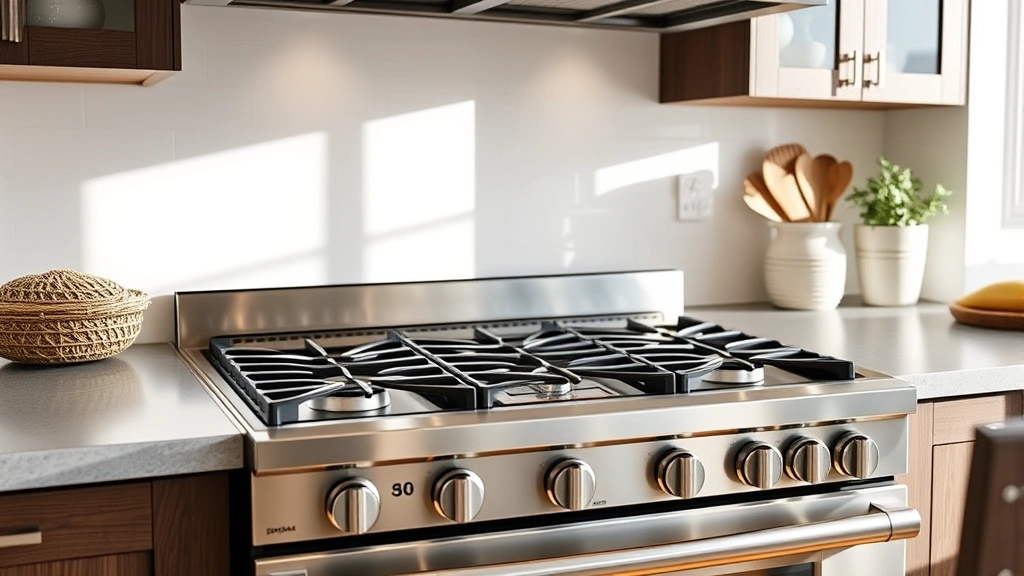
Is a Gas Range Eco-Friendly? Facts Revealed
When evaluating kitchen appliances through an environmental lens, the 36 in gas range presents a complex sustainability picture. Many homeowners assume gas cooking is inherently greener than electric alternatives, but the reality involves multiple environmental factors spanning energy efficiency, emissions, manufacturing impact, and long-term operational costs. Understanding these nuances helps you make informed decisions aligned with your sustainability goals.
Gas ranges have dominated American kitchens for decades, offering responsive heat and precise temperature control that many professional and home chefs prefer. However, the environmental credentials of natural gas appliances deserve careful scrutiny. This comprehensive guide examines whether a 36 in gas range truly qualifies as eco-friendly, comparing it with electric and induction alternatives while exploring the full lifecycle impact of your cooking choices.
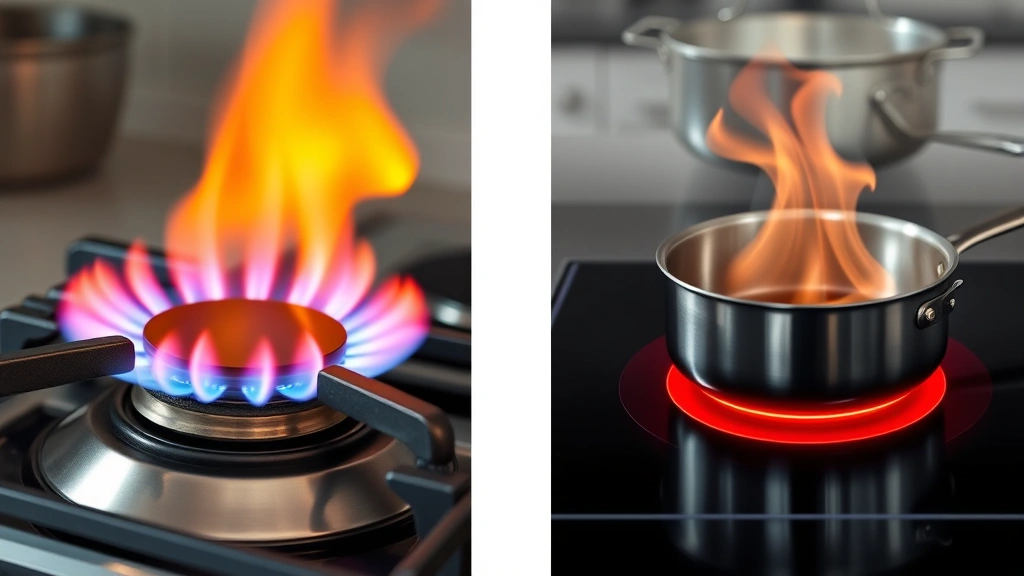
Understanding Gas Range Environmental Impact
The environmental credentials of a 36 in gas range depend on multiple interconnected factors that extend far beyond simple energy consumption metrics. Natural gas, while cleaner than coal or oil, remains a fossil fuel extracted through environmentally invasive processes. The methane leakage throughout the supply chain—from extraction wells through distribution pipelines to your home—represents a significant but often overlooked environmental cost.
When you use a gas range, you’re participating in a complex energy system with environmental consequences at every stage. Methane, the primary component of natural gas, is approximately 80-86 times more potent than carbon dioxide over a 20-year period, according to EPA greenhouse gas data. Even small leaks in the supply chain compound into substantial climate impact. Recent research indicates that approximately 2-3% of natural gas escapes as methane before reaching consumer appliances, though some studies suggest higher percentages in aging infrastructure.
The combustion process itself produces carbon dioxide and water vapor, contributing directly to your household’s carbon footprint. A typical 36 in gas range burning for one hour at full capacity generates roughly 5-8 pounds of CO2, depending on burner efficiency and usage patterns. Over a year of regular cooking, this accumulates into measurable environmental impact that deserves consideration when evaluating your kitchen’s sustainability profile.
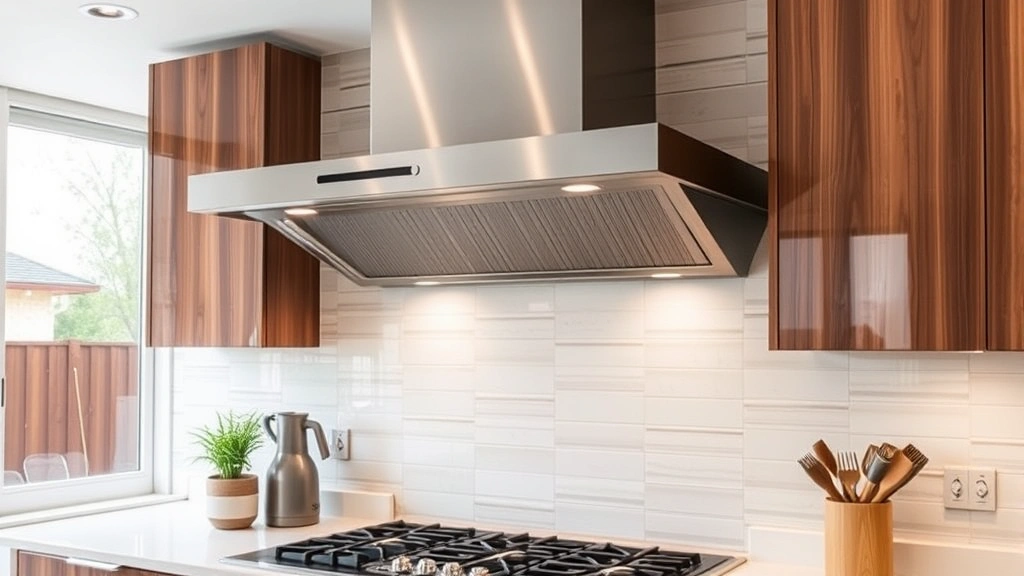
Efficiency Comparison: Gas vs. Electric vs. Induction
Energy efficiency represents one of the most critical metrics for assessing whether any cooking appliance qualifies as environmentally responsible. Gas ranges typically convert 70-74% of energy into actual cooking heat, with the remaining 26-30% escaping into your kitchen as waste heat. This efficiency rating, while respectable, falls short of modern electric alternatives.
Smooth-top electric ranges achieve approximately 70-80% efficiency, capturing more cooking energy than their gas counterparts. However, induction cooktops dramatically outperform both traditional technologies, reaching 85-90% efficiency through magnetic heat generation. This means induction ranges waste significantly less energy, translating into lower electricity consumption and reduced environmental burden over their operational lifetime.
The efficiency advantage of induction becomes even more pronounced when you consider electricity generation sources. If your regional power grid increasingly incorporates renewable energy sources like solar and wind, electric cooking becomes progressively cleaner. Conversely, if your electricity comes predominantly from fossil fuel power plants, gas might theoretically offer environmental advantages—though this calculation grows more favorable for electric as grid decarbonization accelerates.
Response time and heat control precision also factor into environmental assessment. Gas burners heat instantly with visible flame, enabling quick adjustments that prevent overcooking and wasted food. Electric coil burners require preheating and respond more slowly to temperature changes. Induction cooktops match gas responsiveness while maintaining superior efficiency, offering the best of both worlds from an environmental standpoint.
Emissions and Indoor Air Quality Concerns
Beyond carbon emissions, gas ranges create indoor air quality challenges that extend environmental concerns into personal health territory. Combustion of natural gas produces not only carbon dioxide but also nitrogen dioxide (NO2), carbon monoxide (CO), and particulate matter. These pollutants accumulate in your kitchen, affecting respiratory health and contributing to indoor air quality degradation.
Research from major health institutions demonstrates that gas cooking without adequate ventilation elevates indoor NO2 levels beyond safe thresholds, particularly in homes with poor kitchen ventilation. Children exposed to these elevated levels show increased asthma symptoms and reduced lung function development. This health impact represents an environmental cost often excluded from simple efficiency calculations.
The combustion process also generates water vapor, which increases indoor humidity levels. Excessive moisture promotes mold growth and dust mite proliferation, creating cascading indoor environmental problems. While electric and induction ranges produce no combustion byproducts, they also generate less moisture, maintaining healthier kitchen environments naturally.
Methane leakage deserves renewed attention in this context. Unburned natural gas escaping from faulty connections or during pilot light operation contributes to both climate change and indoor air quality problems. A properly maintained 36 in gas range minimizes these risks, but regular inspection and maintenance become environmental imperatives rather than optional conveniences.
Proper ventilation with range hoods exhausting to the outside mitigates many indoor air quality concerns associated with gas cooking. However, many homes lack adequate ventilation infrastructure, and even excellent hoods cannot capture 100% of combustion emissions. This ventilation requirement represents an additional environmental cost—both in installation energy and ongoing operational electricity consumption.
Manufacturing and Lifecycle Assessment
A comprehensive environmental assessment must account for manufacturing impacts, not just operational performance. Gas ranges require complex engineering with multiple safety systems, durable metal components, and specialized burner assemblies. The manufacturing process consumes significant energy and resources, generating waste throughout production and shipping.
A typical 36 in gas range weighs 100-150 pounds, requiring substantial raw materials including steel, aluminum, glass, and various electronic components. Mining and processing these materials creates environmental impacts through habitat disruption, water consumption, and energy expenditure. Manufacturing the appliance typically generates 2,000-4,000 pounds of CO2 equivalent when accounting for material extraction, processing, transportation, and assembly.
Electric and induction ranges generally require similar material inputs, though induction models incorporate more sophisticated electronics, potentially increasing manufacturing complexity. The lifecycle assessment becomes more nuanced when considering appliance longevity. Gas ranges often outlast electric models due to simpler mechanical design and fewer electronic components prone to failure. A gas range lasting 15-20 years distributes manufacturing impact across more years of use, potentially improving its overall lifecycle environmental profile.
Transportation and installation represent additional manufacturing-phase environmental costs often overlooked in casual assessment. Shipping a heavy appliance generates carbon emissions proportional to distance and weight. Local sourcing of appliances, when possible, reduces these transportation impacts. Professional installation by certified technicians ensures proper operation and longevity, preventing premature replacement that would compound manufacturing environmental costs.
End-of-life considerations also matter environmentally. Gas ranges contain recyclable materials including steel, aluminum, and copper that retain significant value in secondary markets. Proper recycling diverts these materials from landfills while reducing extraction pressure on virgin resources. However, many gas ranges end up in waste streams rather than recycling facilities, representing lost environmental opportunity.
Cost Considerations and Long-Term Sustainability
Environmental sustainability intersects meaningfully with economic sustainability. A 36 in gas range typically costs $400-$1,200 depending on features and brand, competing favorably with electric ranges ($500-$1,500) and induction models ($800-$2,500). Lower initial cost appeals to budget-conscious consumers, but lifecycle cost analysis reveals more complex economics.
Natural gas rates vary regionally but typically cost $0.80-$1.50 per therm (equivalent to approximately 100,000 BTU). Annual cooking costs for an average household using gas ranges range from $50-$150 depending on usage frequency and local rates. Electricity costs vary more dramatically by region, from $0.10-$0.25 per kilowatt-hour. A comparable electric range might cost $30-$100 annually to operate, while efficient induction cooktops could cost $20-$60 annually.
Over a 15-year appliance lifespan, these operational cost differences accumulate significantly. Gas cooking might cost $750-$2,250 total for fuel, while electric cooking could total $450-$1,500, and induction cooking might cost $300-$900. These savings with electric alternatives partially offset their higher purchase prices, improving their overall economic and environmental value proposition.
However, this analysis assumes stable energy prices and doesn’t account for potential grid improvements. As renewable energy technologies advance, electricity increasingly comes from cleaner sources, making electric cooking progressively more environmentally favorable. Conversely, natural gas prices may increase as climate policies incentivize fossil fuel reduction, improving the relative economics of electric alternatives.
Government incentives and rebate programs increasingly favor electric cooking transitions. Many jurisdictions offer rebates for replacing gas appliances with electric or induction models, reducing the effective purchase price gap. Some municipalities even ban new gas appliance installations, forcing future transitions regardless of current cost preferences. Understanding these policy trends helps assess whether investing in a 36 in gas range today represents a sustainable long-term choice.
Making Your Kitchen More Sustainable
Whether you currently own a gas range or are deciding on your next appliance, multiple strategies enhance your kitchen’s environmental performance. If you’re committed to keeping your existing 36 in gas range, prioritize proper maintenance to ensure optimal efficiency. Regular burner cleaning, sealed connection inspections, and functional ignition system maintenance prevent energy waste and emissions leakage.
Adopting cooking practices that complement your appliance choice magnifies environmental benefits. Using appropriate pot sizes that match burner dimensions, keeping lids on cookware to reduce heat loss, and cooking multiple items simultaneously improves energy efficiency regardless of your heat source. Meal planning that minimizes cooking frequency and batch cooking to reduce appliance usage represents powerful environmental optimization available to all households.
Ventilation practices significantly impact both environmental performance and health outcomes. Using range hoods effectively—turning them on before cooking begins and maintaining them for 15 minutes after cooking ends—removes combustion byproducts while minimizing energy waste. However, ensure your hood exhausts outside rather than recirculating air, which simply redistributes pollutants throughout your home.
If considering kitchen appliance upgrades, explore electric cooking advantages alongside financial incentives available in your region. Induction cooktops offer superior efficiency and performance while eliminating indoor air quality concerns. Hybrid approaches using both gas and induction cooking provide flexibility while reducing overall gas dependence.
Broader household sustainability initiatives amplify kitchen-level improvements. Implementing strategies to reduce your environmental footprint across all home systems creates cumulative impact exceeding individual appliance choices. Improving insulation, upgrading HVAC systems, installing renewable energy, and optimizing water usage create comprehensive household sustainability that contextualizes cooking choices within larger environmental frameworks.
Consider consulting with energy auditors who can assess your complete kitchen and home energy profile. Professional recommendations based on your specific circumstances, local utility rates, climate conditions, and usage patterns provide more reliable guidance than generic appliance comparisons. Many utilities offer free or subsidized audits that identify optimization opportunities specific to your situation.
FAQ
Is natural gas better for the environment than electricity?
This depends on your electricity grid’s energy mix. In regions with renewable energy sources, electricity is cleaner. Where fossil fuel power plants dominate, the comparison becomes more complex, though methane leakage from gas supply chains often makes gas less favorable even in fossil fuel-heavy grids. Overall trends favor electricity as grid decarbonization accelerates.
How much CO2 does a gas range produce annually?
A typical household using a 36 in gas range for cooking produces approximately 500-1,500 pounds of CO2 annually from combustion alone, depending on usage frequency. Adding upstream methane emissions from extraction and distribution increases this figure to 600-2,000 pounds annually.
Are there health risks from cooking with gas?
Yes, gas combustion produces nitrogen dioxide and other pollutants that accumulate without proper ventilation. Studies link gas cooking to increased asthma symptoms and reduced childhood lung development. These health impacts represent environmental costs beyond climate metrics.
How long do gas ranges typically last?
Well-maintained 36 in gas ranges typically last 15-20 years, with some models exceeding 25 years. This longevity compares favorably with electric ranges (10-15 years) and justifies manufacturing environmental costs across extended operational periods.
What’s the best eco-friendly cooking alternative?
Induction cooktops represent the most environmentally friendly option, combining 85-90% efficiency with zero indoor emissions and superior performance. Electric coil or smooth-top ranges offer good alternatives where induction isn’t feasible.
Should I replace my gas range immediately?
Not necessarily. If your gas range functions properly, continuing to use it avoids manufacturing impacts of premature replacement. However, when replacement becomes necessary, exploring electric or induction options aligns with long-term sustainability goals.
How does ventilation affect gas range environmental impact?
Proper ventilation removes combustion byproducts, improving health and indoor air quality, though it consumes additional electricity. However, without ventilation, indoor pollution accumulates, creating worse environmental outcomes. Adequate ventilation is environmentally preferable despite increased energy use.


