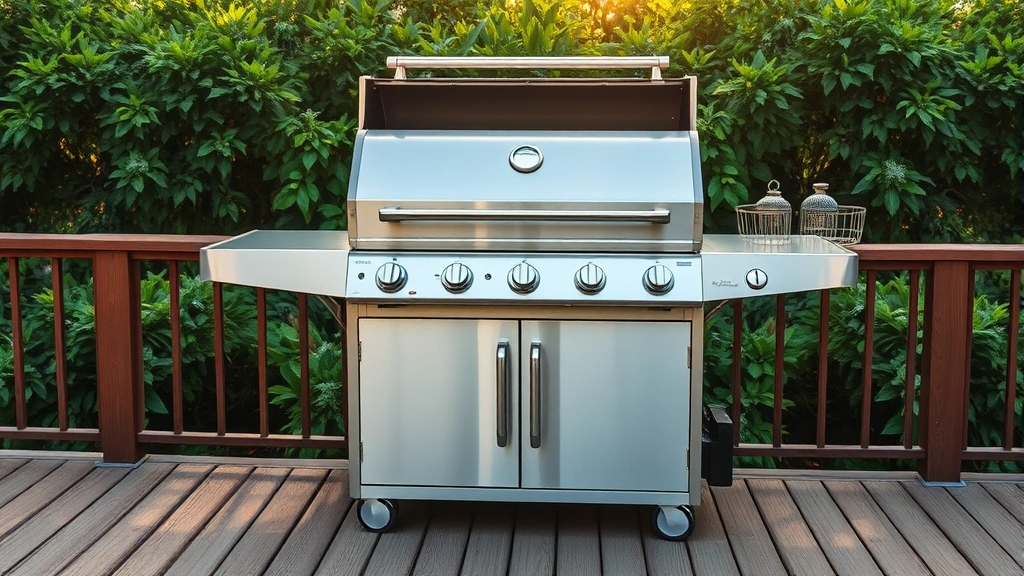
Is a 4-Burner Gas Grill Eco-Friendly? Expert Insight
When it comes to outdoor cooking, the 4-burner gas grill stands as one of the most popular choices for homeowners seeking convenience and performance. However, environmental consciousness demands we ask critical questions: Is this appliance truly eco-friendly, or does it carry a hidden environmental cost? Understanding the sustainability implications of your grilling choice requires examining fuel efficiency, emissions, manufacturing impact, and viable alternatives that align with modern ecological standards.
The answer isn’t straightforward. While 4-burner gas grills offer certain advantages over charcoal and wood-burning options, they present legitimate environmental concerns that merit serious consideration. This comprehensive guide explores the ecological footprint of gas grilling, compares it with other cooking methods, and reveals how you can make more sustainable choices without sacrificing the joy of outdoor cooking.
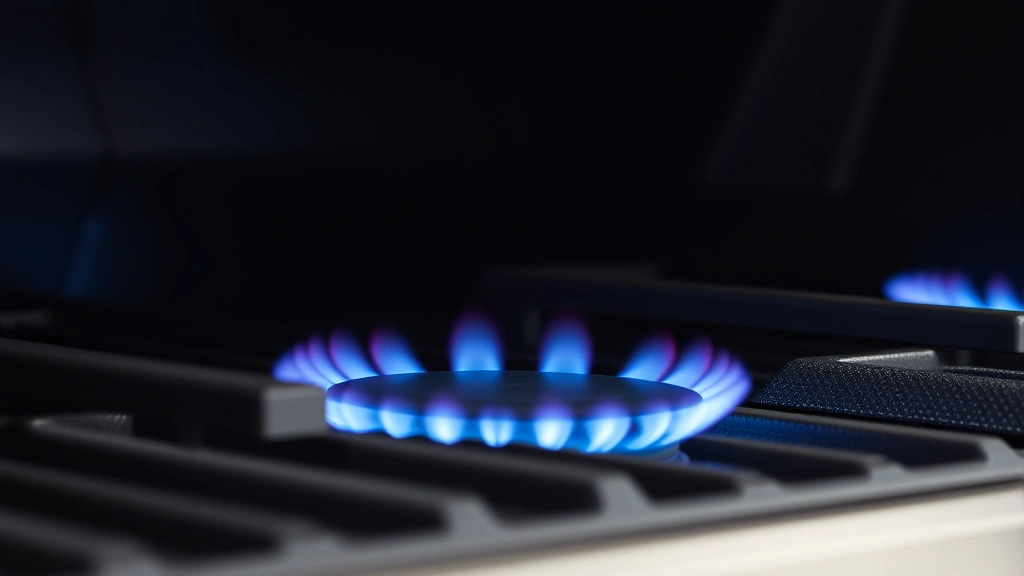
Understanding Gas Grill Environmental Impact
A 4-burner gas grill operates by burning propane or natural gas to generate heat for cooking. The environmental impact spans multiple dimensions: direct emissions during operation, upstream impacts from fuel extraction and processing, manufacturing processes, transportation logistics, and end-of-life disposal. To properly assess whether this grilling method deserves an eco-friendly designation, we must evaluate each component honestly.
The primary environmental concern with gas grills centers on greenhouse gas emissions. When propane or natural gas combusts, it releases carbon dioxide (CO₂) and methane (CH₄)—potent greenhouse gases contributing to climate change. A typical 4-burner gas grill produces approximately 5-10 kg of CO₂ annually for moderate use, though this varies significantly based on frequency and duration of use. This may seem modest compared to vehicle emissions, but when multiplied across millions of households, the cumulative impact becomes substantial.
Beyond direct combustion emissions, the fossil fuel supply chain introduces additional environmental costs. Natural gas extraction through hydraulic fracturing (fracking) raises concerns about water contamination, methane leakage during production and transport, and habitat disruption. Propane, though slightly cleaner in terms of production impacts, still relies on fossil fuel infrastructure with inherent environmental risks. Understanding these upstream impacts provides crucial context for evaluating whether gas grilling aligns with your sustainability values.
According to the EPA’s greenhouse gas emissions data, residential fuel combustion contributes meaningfully to household carbon footprints. While a 4-burner gas grill may seem minor individually, collective household energy choices significantly influence national emissions trajectories.

Emissions and Carbon Footprint Analysis
Quantifying the exact carbon footprint of a 4-burner gas grill requires examining multiple variables. Combustion efficiency, burner design, insulation quality, and usage patterns all influence emissions output. Modern gas grills with improved burner technology and better heat distribution typically produce lower emissions per cooking session than older models.
The combustion of propane generates approximately 3.04 kg of CO₂ per kilogram burned, while natural gas produces about 2.04 kg of CO₂ per kilogram. A typical grilling session using all four burners for one hour consumes roughly 0.5-0.75 kg of fuel, translating to 1.5-2.3 kg of direct CO₂ emissions. For households grilling twice weekly during warmer months, annual direct emissions from gas grilling alone reach 150-300 kg of CO₂—equivalent to driving a conventional car 400-800 miles.
However, this analysis becomes more nuanced when comparing cooking methods. Gas grilling proves more efficient than charcoal, which produces similar or greater emissions while requiring longer heat-up times and more fuel per cooking session. The Carbon Trust emphasizes that fuel efficiency and user behavior significantly impact the true environmental cost of cooking appliances.
Methane leakage throughout the propane and natural gas supply chain represents an often-overlooked environmental concern. Natural gas pipelines leak methane—a greenhouse gas 84-86 times more potent than CO₂ over 20 years—at rates estimated between 1-3% of total production. These fugitive emissions substantially increase the climate impact beyond direct combustion alone, making the true carbon footprint of gas grilling considerably larger than simple combustion calculations suggest.
To contextualize this impact, consider that carbon accounting standards increasingly include Scope 3 emissions—indirect impacts from supply chains. A truly comprehensive environmental assessment of your 4-burner gas grill must account for extraction, processing, transportation, and leakage throughout the fuel’s lifecycle.
Manufacturing and Material Sustainability
The production of a 4-burner gas grill generates significant environmental impacts often overlooked in casual sustainability discussions. Manufacturing involves extracting and processing raw materials—steel, aluminum, brass, and various plastics—each carrying substantial embodied carbon costs.
A typical 4-burner gas grill weighs 100-150 kg and contains approximately 60-70% steel, 15-20% aluminum, and 10-15% other materials including plastic components and electronic ignition systems. Steel production alone generates roughly 1.85 kg of CO₂ per kilogram produced, meaning the steel in your grill accounts for approximately 110-190 kg of embodied carbon before any fuel ever burns.
Manufacturing processes compound these impacts. Welding, painting, coating, and assembly operations consume energy, typically sourced from regional electrical grids with varying renewable percentages. Transportation from manufacturing facilities—often in Asia—to distribution centers and retailers adds additional carbon emissions and environmental costs. A grill manufactured in China and shipped to North America accumulates roughly 50-100 kg of CO₂ in transportation alone.
The sustainability implications of manufacturing suggest that purchasing a quality, durable grill designed to last 10-15 years proves more environmentally responsible than repeatedly replacing cheaper models. When amortized across a grill’s lifespan, embodied carbon impacts become less significant, but this underscores the importance of selecting well-built equipment with genuine durability.
Material selection within grill construction also matters. Premium models featuring stainless steel and superior insulation may cost more upfront but demonstrate improved longevity and operational efficiency, ultimately reducing lifecycle environmental impact. Conversely, budget models with painted mild steel and poor heat retention require more frequent replacement and consume more fuel per cooking session.
Comparing Gas Grills to Alternative Cooking Methods
To properly assess whether a 4-burner gas grill deserves eco-friendly designation, we must compare it against alternative outdoor cooking methods. This comparative analysis reveals important nuances about relative environmental performance.
Charcoal Grilling: Charcoal grills produce approximately 15-20% more emissions than gas grills when accounting for the entire charcoal production process. Charcoal manufacturing involves heating wood in oxygen-limited environments, creating energy-intensive processes. Additionally, charcoal grilling requires longer preheat times and typically consumes more fuel per cooking session. The environmental advantage clearly favors gas over charcoal.
Wood-Fired Grills: While wood might seem renewable, traditional wood-burning grills emit substantial particulate matter, volatile organic compounds, and carbon dioxide. Unless using sustainably harvested wood from certified sources, wood grilling carries higher environmental costs than gas. Wood smoke also contributes to local air quality degradation, affecting human health in addition to environmental concerns.
Electric Grills: Electric grills powered by renewable energy sources represent the most sustainable outdoor cooking option. However, their performance differs significantly from gas grills—they typically feature lower heat output, longer preheat times, and less satisfying searing capabilities. The environmental performance of electric grills depends entirely on your electricity grid’s energy composition; grids powered predominantly by renewable sources make electric grilling genuinely eco-friendly, while fossil fuel-dependent grids diminish the advantage.
Infrared Grills: Infrared technology offers superior fuel efficiency, using 25-30% less propane or natural gas than conventional burners. Infrared grills heat food directly rather than heating surrounding air, concentrating energy more effectively. For environmentally conscious consumers committed to gas grilling, infrared burners represent a meaningful efficiency upgrade worth considering.
The comparison reveals that while 4-burner gas grills aren’t the most sustainable outdoor cooking option, they outperform charcoal and traditional wood-fired alternatives. This relative advantage doesn’t grant them true eco-friendly status but positions them as the more responsible choice among conventional grilling methods.
Energy Efficiency Considerations
Not all 4-burner gas grills perform identically regarding energy efficiency. Several design features and operational practices significantly influence how much fuel your grill consumes per cooking session.
Burner Design: Modern burners with improved air-fuel mixing and flame distribution burn more completely, extracting greater heat energy from the same fuel volume. Older grill models with basic burner designs waste substantial fuel through incomplete combustion and excess heat loss. Upgrading to a newer model with advanced burner technology can reduce fuel consumption by 20-30%.
Insulation Quality: Grills featuring superior insulation—thicker steel, ceramic coatings, or air gaps in the firebox—retain heat more effectively, requiring less fuel to maintain cooking temperatures. Premium models often include insulated lids, thermometer ports, and wind-resistant designs that minimize heat loss. These features increase upfront costs but improve long-term efficiency and sustainability.
Heat Distribution: Flavorizer bars or heat tents distribute heat more evenly across the cooking surface, reducing cold spots that encourage users to increase burner output unnecessarily. Better heat distribution allows achieving desired cooking temperatures with lower burner settings, directly reducing fuel consumption.
Thermometer Accuracy: Grills with precise built-in thermometers enable users to cook at optimal temperatures without overshooting, preventing unnecessary fuel waste. Inaccurate or missing thermometers encourage guesswork and excessive heat application.
When evaluating a 4-burner gas grill’s sustainability, prioritize models demonstrating superior insulation, advanced burner technology, and thoughtful heat distribution design. These efficiency improvements directly translate to reduced fuel consumption and lower operational emissions, making a meaningful environmental difference across the grill’s lifespan.
The sustainable energy solutions available for outdoor cooking extend beyond grill selection to encompassing broader lifestyle choices about energy consumption and environmental responsibility.
Making Your Gas Grill More Sustainable
If you already own a 4-burner gas grill or have decided that gas grilling fits your lifestyle despite environmental concerns, numerous practical strategies minimize its ecological impact.
Maintenance and Optimization: Regular maintenance ensures your grill operates at peak efficiency. Clean burners and grates monthly to prevent fuel waste from incomplete combustion. Check for gas leaks using soapy water around connections—leaks waste fuel and increase emissions. Inspect and replace worn seals or gaskets that allow heat escape. A well-maintained grill consumes significantly less fuel than a neglected one.
Cooking Practices: Plan meals efficiently to maximize each grilling session. Cook multiple items simultaneously rather than multiple separate sessions. Use zone cooking—lighting only necessary burners rather than all four when cooking smaller quantities. Preheat only as long as necessary; most foods don’t require extensive preheat times despite common practice. These behavioral changes reduce fuel consumption without sacrificing cooking quality.
Fuel Selection: When choosing between propane and natural gas, natural gas provides a slight environmental advantage due to lower direct combustion emissions, though upstream leakage concerns complicate this advantage. If using propane, ensure your supplier sources it responsibly and maintains proper cylinder recycling programs.
Renewable Energy Integration: Consider supplementing gas grilling with solar-powered side burners or electric warming stations for prep work. While gas remains your primary cooking fuel, reducing reliance on it wherever possible decreases overall environmental impact. Some innovative grill designs now incorporate solar elements for preheat assistance.
Lifecycle Extension: Protect your grill with quality covers and maintain it properly to maximize lifespan. A grill lasting 15 years rather than 8 years cuts embodied carbon impacts in half when amortized across usage. Repair broken components rather than replacing the entire grill when possible.
These practical measures represent concrete steps toward reducing your environmental footprint through more responsible grilling practices.
Eco-Friendly Grilling Alternatives
For consumers prioritizing environmental responsibility, several alternatives to traditional 4-burner gas grills merit serious consideration.
Electric Grills with Renewable Power: If your electricity comes from renewable sources—through utility programs, community solar, or home solar installation—electric grills become genuinely sustainable. Modern electric models have improved significantly, offering better heat output and cooking performance than previous generations. They produce zero direct emissions and eliminate supply chain concerns associated with fossil fuels.
Hybrid Systems: Some innovative manufacturers now produce grills combining electric primary heating with optional gas backup. These systems leverage electricity for most cooking while maintaining gas capability for specific applications. Hybrid approaches offer flexibility while reducing overall fossil fuel dependence.
Pellet Grills: Wood pellet grills using sustainably harvested biomass represent a middle ground between traditional gas grilling and fully renewable cooking. When using certified sustainable wood pellets, pellet grills offer carbon-neutral or carbon-negative operation, though they require electricity for augers and controls. Sourcing verified sustainable pellets proves crucial for genuine environmental benefits.
Solar Cooking Devices: Solar ovens and solar grills harness renewable energy directly, producing zero emissions. While limited by weather conditions and seasonal variation, solar cooking works exceptionally well during peak grilling season. Integrating solar equipment with conventional grills allows leveraging renewable energy when conditions permit.
Induction Grills: Emerging induction grilling technology offers superior efficiency and precise temperature control. Induction systems heat cookware directly through magnetic fields, eliminating wasted heat. When powered by renewable electricity, induction represents the most sustainable grilling technology available, though current options remain limited and expensive.
Exploring these alternatives helps align your grilling practices with your environmental values. The optimal choice depends on your climate, electricity grid composition, budget, and cooking preferences.
Understanding green technology innovations transforming our future includes recognizing how outdoor cooking equipment continues evolving toward greater sustainability.
FAQ
Is a 4-burner gas grill more eco-friendly than charcoal?
Yes, gas grills produce 15-20% fewer emissions than charcoal when accounting for production impacts, combustion efficiency, and fuel consumption rates. Gas grilling also produces less smoke and particulate matter, benefiting local air quality.
How much CO₂ does a gas grill produce annually?
A 4-burner gas grill used twice weekly produces approximately 150-300 kg of direct CO₂ annually, plus additional emissions from fuel supply chain impacts. This equals driving a conventional car 400-800 miles annually in direct emissions alone.
Can I offset gas grill emissions?
Yes, carbon offset programs allow purchasing verified emissions reductions through renewable energy projects, reforestation, or methane capture. However, behavioral changes—using your grill more efficiently or less frequently—provide more meaningful environmental impact than offsets alone.
What’s the most sustainable grilling method?
Solar grilling and electric grilling powered by renewable energy represent the most sustainable options, producing zero direct emissions. Pellet grills using certified sustainable wood offer carbon-neutral alternatives when properly sourced.
Should I replace my gas grill with an electric model?
This depends on your electricity grid composition and the grill’s remaining lifespan. Replacing a functional grill generates significant embodied carbon; continuing use while optimizing efficiency may prove more sustainable than immediate replacement unless your grid is predominantly renewable-powered.
Does grill size affect environmental impact?
Yes, larger grills typically consume more fuel per cooking session. However, if a larger grill enables cooking for more people simultaneously, the per-serving emissions may actually decrease compared to multiple smaller grilling sessions.
How does natural gas compare to propane environmentally?
Natural gas produces slightly lower direct combustion emissions but suffers from greater upstream methane leakage. Propane has cleaner supply chain impacts but marginally higher combustion emissions. Environmental differences are relatively minor; efficiency and usage patterns matter more.
What maintenance improves grill sustainability?
Regular cleaning, leak detection, seal replacement, and proper storage all improve efficiency and reduce fuel consumption. Well-maintained grills operate 15-25% more efficiently than neglected equipment.


