4 Gas Monitors: Safety Experts Weigh In
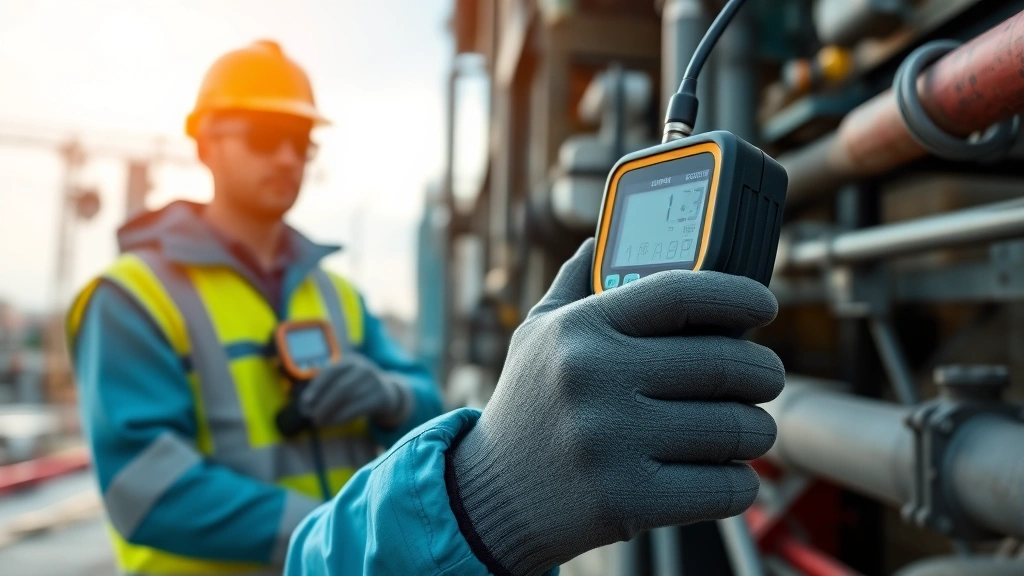
Gas monitoring technology has become increasingly critical in industrial, commercial, and residential settings as organizations prioritize worker safety and environmental compliance. A 4 gas monitor—designed to detect oxygen, combustible gases, hydrogen sulfide, and carbon monoxide—represents one of the most versatile safety tools available today. These portable detection devices protect lives by providing real-time alerts when hazardous gas concentrations reach dangerous levels.
Safety experts across industries emphasize that proper gas detection isn’t optional; it’s a fundamental requirement for operations involving confined spaces, chemical handling, or environments with unknown atmospheric conditions. Understanding how 4 gas monitors function, what standards govern their use, and which models deliver reliable performance can mean the difference between a safe workday and a catastrophic incident. This comprehensive guide examines the technology, expert recommendations, and practical applications that make these devices essential in modern safety protocols.
Understanding 4 Gas Monitor Technology and Sensor Types
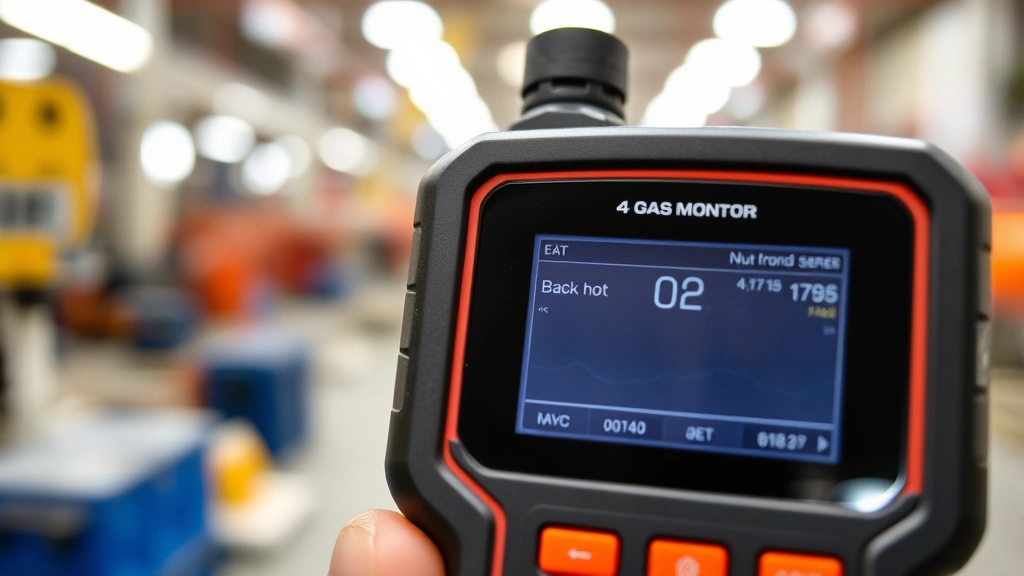
A 4 gas monitor simultaneously measures four distinct atmospheric hazards, each requiring specialized sensor technology. The oxygen sensor uses electrochemical principles to detect O2 levels, alerting users when oxygen falls below 19.5% or exceeds 23.5%—both dangerous conditions. Combustible gas sensors employ catalytic bead technology, measuring methane and other flammable vapors as a percentage of the lower explosive limit (LEL). Hydrogen sulfide (H2S) detection relies on electrochemical sensors sensitive to this toxic gas at concentrations as low as 10 parts per million (ppm). Carbon monoxide (CO) sensors similarly employ electrochemical technology to detect this odorless, colorless killer.
Modern 4 gas monitors integrate these four sensor types into ruggedized, portable devices weighing typically between 200-400 grams. The electrochemical sensors provide superior specificity compared to older catalytic approaches, reducing false alarms that plague outdated equipment. According to OSHA guidelines, proper sensor selection depends on the specific hazards present in your work environment. Many professionals consult definitions of sustainability when implementing safety programs that balance worker protection with environmental responsibility.
Battery technology significantly impacts monitor reliability. Lithium-ion batteries in premium models provide 8-12 hours of continuous operation, while alkaline alternatives offer shorter runtimes. Smart gas monitors now feature wireless connectivity, enabling real-time data transmission to safety management systems. This integration with green technology innovations allows organizations to track exposure patterns and optimize safety protocols across multiple job sites.
Industry Standards and Regulatory Requirements
Safety experts consistently emphasize that 4 gas monitor selection must align with relevant regulatory frameworks. The National Institute for Occupational Safety and Health (NIOSH) certifies gas detection equipment meeting rigorous performance standards. EPA regulations govern atmospheric monitoring in specific industries, particularly those handling hazardous materials. ANSI/ISEA standards provide comprehensive guidelines for personal atmospheric monitoring devices, ensuring consistency across manufacturers.
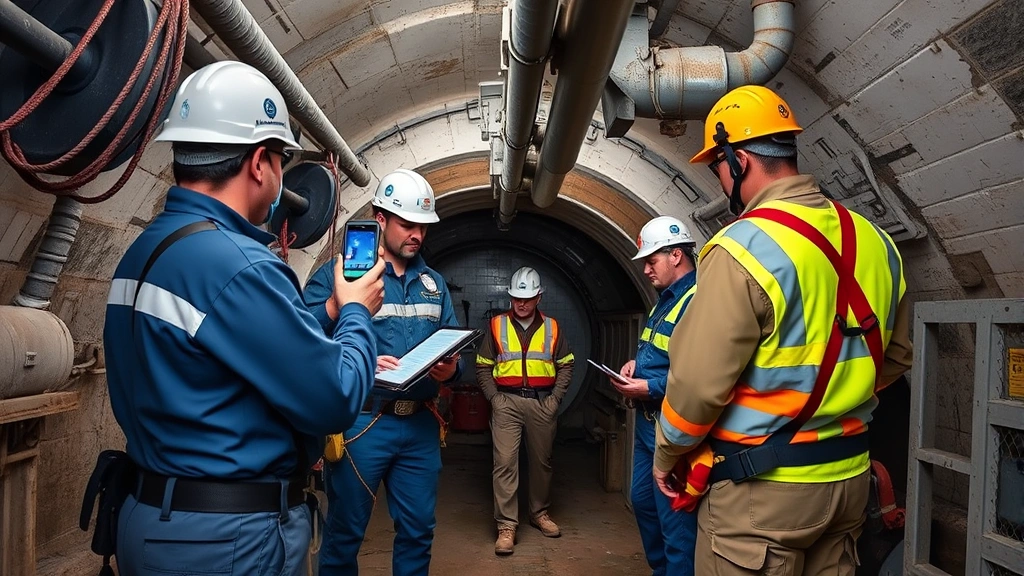
Confined space entry represents the primary regulatory driver for 4 gas monitor adoption. OSHA 1910.146 mandates atmospheric testing before entry into spaces like storage tanks, vaults, and underground structures. The regulation specifies testing for oxygen deficiency, explosive atmospheres, and toxic gases—precisely what a properly configured 4 gas monitor detects. Organizations must maintain calibration records, typically recalibrating monthly or quarterly depending on usage frequency and environmental conditions.
Different industries apply varying standards. Mining operations follow Mine Safety and Health Administration (MSHA) protocols, which often exceed general OSHA requirements. Wastewater treatment facilities must comply with specific NIOSH recommendations for hydrogen sulfide detection, as H2S exposure remains the leading cause of sudden death in wastewater operations. Petrochemical facilities implement even more stringent protocols, often requiring continuous monitoring with networked 4 gas monitors throughout their operations.
Certification and training requirements vary by jurisdiction and industry. Many regions mandate that individuals conducting atmospheric testing hold certifications from recognized training organizations. These certifications typically include hands-on training with specific 4 gas monitor models, interpretation of readings, and emergency response procedures. Employers should verify that their safety personnel maintain current certifications and understand the limitations of their equipment.
Expert Recommendations for Selection and Use
Safety professionals identify several critical factors when selecting a 4 gas monitor for specific applications. Environmental conditions significantly influence performance—extreme temperatures, humidity, and pressure require equipment designed for those parameters. Industrial hygienists recommend purchasing monitors specifically engineered for your industry, as different sectors present unique gas combinations and concentration ranges.
Durability and build quality receive heavy emphasis from experienced safety managers. Monitors subjected to job site conditions encounter dust, moisture, and physical impacts daily. Premium models feature reinforced casings, sealed sensor compartments, and water-resistant designs rated for challenging environments. Battery accessibility matters considerably; devices requiring disassembly for battery replacement create maintenance burdens that can compromise safety protocols.
User interface design influences real-world safety outcomes. Clear, intuitive displays with large numbers and audible alarms ensure that stressed workers in emergency situations receive unambiguous warnings. Color-coded LED indicators provide instant visual feedback—green for safe, yellow for caution, red for danger. Experts recommend avoiding overly complex interfaces that require extensive training to interpret readings correctly.
Calibration accessibility represents a frequently overlooked consideration. Some 4 gas monitors require sending equipment to manufacturer facilities for calibration, creating downtime and expense. Bump testing—a quick verification that sensors respond appropriately—should be performed before each use. Full calibration typically occurs monthly, but some environments may require weekly or even daily calibration depending on regulatory requirements and risk assessment outcomes.
Integration with broader sustainable energy solutions and workplace safety programs strengthens overall risk management. Organizations implementing comprehensive safety systems should ensure their 4 gas monitor selection aligns with documented standard operating procedures. Data logging capabilities allow safety teams to review exposure histories, identifying patterns that might indicate equipment maintenance issues or environmental changes requiring attention.
Cost considerations must be balanced against safety imperatives. While premium 4 gas monitors cost significantly more than basic models, their enhanced reliability, longer sensor life, and superior data management capabilities often justify the investment through reduced false alarms and improved workplace confidence. Bulk purchasing for large operations frequently yields volume discounts that improve cost-effectiveness.
Real-World Applications and Case Studies
Confined space rescue operations demonstrate how 4 gas monitors save lives in critical situations. When workers enter storage tanks, silos, or underground vaults, atmospheric conditions may change rapidly. A properly functioning 4 gas monitor provides the early warning necessary for safe entry or emergency evacuation. Case studies consistently show that incidents involving fatalities occurred when atmospheric testing was skipped or when malfunctioning equipment provided false readings.
Wastewater treatment facilities represent a particularly hazardous environment where hydrogen sulfide accumulation claims workers annually. Facilities implementing continuous 4 gas monitoring systems experience dramatic reductions in H2S-related incidents. These organizations combine personal monitors worn by workers with area monitors positioned in high-risk zones, creating layered protection that catches atmospheric changes before dangerous concentrations develop.
Construction and demolition work frequently encounters unexpected atmospheric hazards. Historic buildings may contain unknown gases from decades of chemical storage or biological decomposition. Contractors emphasize that portable 4 gas monitors provide essential protection when entering structures with uncertain atmospheric histories. This application aligns with broader sustainability and safety discussions in construction, where protecting workers and the environment requires comprehensive risk assessment.
Emergency response teams rely on 4 gas monitors when responding to hazmat incidents, chemical spills, and industrial accidents. First responders must quickly assess whether an environment is safe for rescue operations. Gas monitors provide objective data that informs tactical decisions, potentially preventing secondary incidents where responders themselves become victims. Training emphasizes that monitor readings guide response strategies; ignoring alarm conditions has repeatedly led to responder fatalities.
Mining operations employ 4 gas monitors extensively, particularly in underground coal and metal mines where methane accumulation and oxygen depletion present constant threats. Ventilation system failures can rapidly create deadly atmospheres. Miners trained in proper gas monitor use and response protocols have survived incidents that would have been fatal without this technology. Mining safety records demonstrate clear correlation between comprehensive gas monitoring programs and reduced fatality rates.
Oil and gas industry applications extend beyond traditional drilling operations. Refineries, petrochemical plants, and distribution facilities implement comprehensive monitoring networks. Workers understand that transitions toward cleaner energy sources don’t eliminate current industry hazards—they make managing existing risks even more critical during operational transitions. Gas monitors protect workers during this transformation period.
Frequently Asked Questions
How often should 4 gas monitors be calibrated?
Full calibration typically occurs monthly for standard industrial use, though some environments require weekly or even daily calibration based on regulatory requirements and risk assessments. Bump testing—a quick sensor verification—should be performed before each use. Organizations should consult their industry-specific regulations and manufacturer recommendations to establish appropriate calibration schedules. Environmental factors like temperature extremes and high humidity may necessitate more frequent calibration.
What’s the difference between bump testing and full calibration?
Bump testing exposes sensors to known gas concentrations for 30-60 seconds, verifying that sensors respond appropriately without requiring adjustment. This quick test catches obvious sensor failures before workers enter hazardous environments. Full calibration involves exposing sensors to precise gas mixtures and adjusting sensor responses to match calibration standards. Bump testing takes minutes and can be performed on-site, while full calibration requires specialized equipment and typically occurs at manufacturer facilities or certified calibration centers.
Can 4 gas monitors detect all hazardous gases?
No. While 4 gas monitors detect the most common workplace hazards—oxygen deficiency, combustible gases, hydrogen sulfide, and carbon monoxide—they cannot detect all toxic gases. Chlorine, ammonia, phosphine, and numerous other hazardous substances require specialized sensors. Safety professionals must identify all potential atmospheric hazards present in their work environment and select monitoring equipment accordingly. Some facilities employ 5-gas or 6-gas monitors that add sensors for specific hazards common to their operations.
What battery life should I expect from a quality 4 gas monitor?
Premium lithium-ion battery-equipped monitors typically provide 8-12 hours of continuous operation, while alkaline battery models offer 6-8 hours. Actual runtime depends on sensor type, alarm frequency, display brightness, and environmental conditions. Cold temperatures reduce battery performance significantly. Organizations should calculate battery life requirements based on typical shift lengths plus buffer time, ensuring equipment never operates with depleted batteries. Carrying spare batteries or having backup monitors available prevents operational disruptions.
How do I know if my 4 gas monitor is functioning correctly?
Regular bump testing before use catches obvious failures. Monitors should respond appropriately to test gas within manufacturer-specified timeframes. Visual indicators—LED lights and display screens—should illuminate clearly. Audible alarms should sound at appropriate threshold levels. If any sensor fails to respond during bump testing, the monitor should be removed from service immediately and sent for repair or replacement. Never attempt to use a monitor with questionable sensor function; doing so creates false confidence that can lead to serious incidents.
What training do workers need for 4 gas monitor operation?
Minimum training should cover monitor operation, reading interpretation, sensor limitations, alarm response procedures, and equipment maintenance. Industry-specific training may be required by regulation; for example, confined space entry training mandates specific atmospheric testing protocols. Workers should understand that monitors detect gases but cannot protect against all hazards—proper ventilation, respiratory protection, and emergency response procedures remain essential. Regular refresher training ensures workers maintain competency as equipment and procedures evolve.