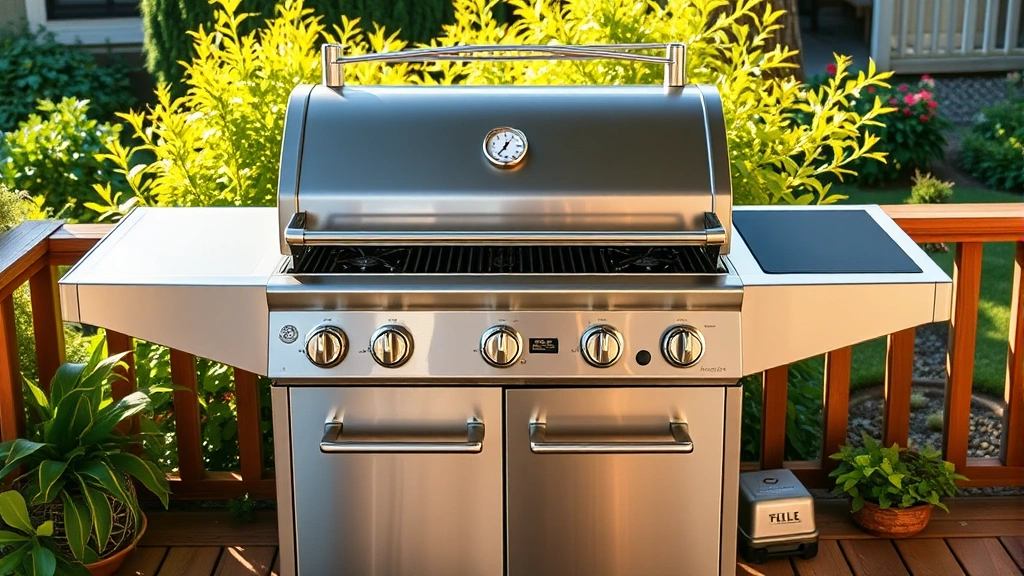
Is a 5-Burner Gas Grill Eco-Friendly? Chef Insights
When it comes to outdoor cooking, the 5-burner gas grill stands as a popular choice for many homeowners and professional chefs alike. But as environmental consciousness grows, a pressing question emerges: are these powerful cooking appliances truly eco-friendly? The answer is more nuanced than a simple yes or no, involving considerations about fuel efficiency, emissions, manufacturing practices, and how they compare to alternative cooking methods. Understanding the environmental impact of your grilling choice helps you make informed decisions that align with your sustainability goals.
Gas grills have been a staple of American backyards for decades, offering convenience and consistent heat for cooking. However, the relationship between gas grills and environmental responsibility requires careful examination. From the extraction and transportation of natural gas to the combustion process itself, multiple factors influence whether a 5-burner gas grill deserves the eco-friendly label. This comprehensive guide explores the environmental implications while offering practical insights from culinary professionals who understand both the benefits and drawbacks of gas grilling.
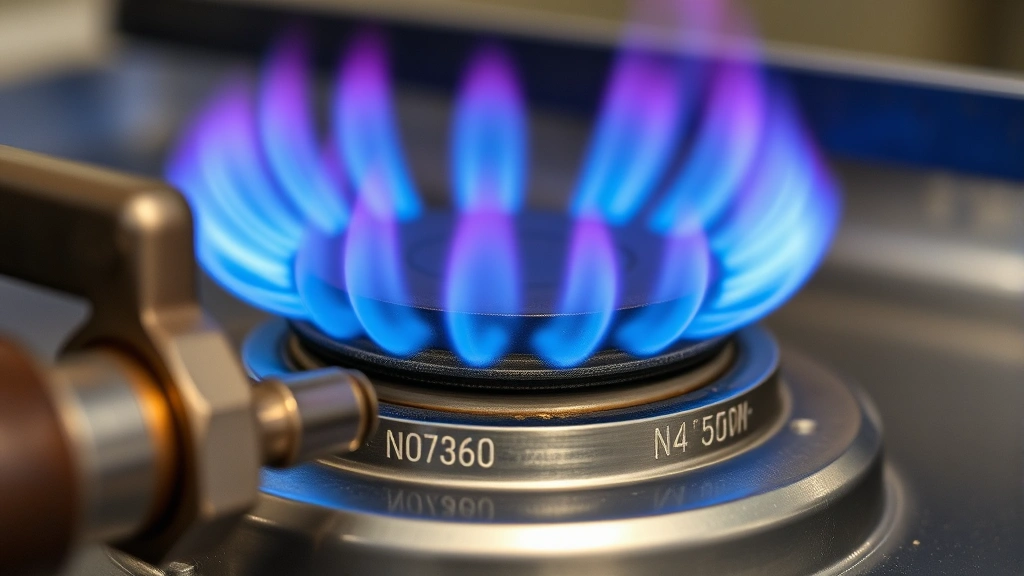
Understanding Gas Grill Emissions
The environmental footprint of a 5-burner gas grill begins with understanding what happens when natural gas combusts. When propane or natural gas burns in your grill, it produces carbon dioxide (CO2) and water vapor as primary byproducts. While CO2 is a greenhouse gas contributing to climate change, the emissions from residential grilling represent a relatively small portion of household energy consumption compared to heating, cooling, and transportation. However, this doesn’t mean the impact is negligible.
According to the EPA’s greenhouse gas emissions data, residential fuel combustion accounts for a measurable portion of household carbon footprints. A 5-burner gas grill typically produces between 5-10 kg of CO2 per year for average recreational use, though this varies significantly based on usage frequency. Professional chefs and frequent entertainers may see higher emissions, while occasional users contribute less to their carbon footprint through grilling.
Beyond CO2, gas grills can produce other emissions including nitrogen oxides (NOx) and volatile organic compounds (VOCs), though residential grills emit these at much lower levels than industrial sources. The combustion efficiency of your grill—how completely the fuel burns—directly affects these emissions. A well-maintained 5-burner gas grill with proper ignition systems and clean burners operates more efficiently and produces fewer harmful byproducts than an older, poorly maintained model. This makes regular maintenance not just a practical consideration but an environmental responsibility.

Fuel Efficiency and Energy Consumption
When evaluating whether a 5-burner gas grill qualifies as eco-friendly, fuel efficiency emerges as a critical metric. Modern gas grills have become increasingly efficient, with quality models converting 60-75% of fuel energy into cooking heat. This efficiency rate is competitive with many other cooking methods and significantly better than older grill models. A 5-burner configuration allows for zone cooking, where you use only the burners needed for your meal, thereby reducing overall fuel consumption compared to heating all burners simultaneously.
The type of fuel matters considerably in this equation. Natural gas, typically piped directly to homes, eliminates transportation emissions and offers slightly better efficiency than propane. Propane grills, while requiring bottled fuel with associated transportation impacts, offer greater portability and can be used in locations without natural gas infrastructure. According to the U.S. Department of Energy, natural gas combustion produces approximately 15% fewer emissions per unit of heat than propane, making it the marginally greener choice for stationary installations.
A typical 5-burner gas grill consumes between 40,000-100,000 British Thermal Units (BTUs) per hour when all burners run at full capacity. For a two-hour grilling session once weekly, this translates to roughly 4,000-10,000 cubic feet of natural gas annually, or approximately 2-3 propane tank refills if using bottled fuel. These numbers place gas grilling in the moderate energy consumption category for outdoor cooking, comparable to electric grills but with different environmental considerations. The key to minimizing fuel consumption lies in proper grill maintenance, using appropriate burner settings, and strategic meal planning to maximize cooking efficiency.
Manufacturing and Materials Impact
The environmental responsibility of a 5-burner gas grill extends beyond its operational phase to include manufacturing processes and material sourcing. Quality gas grills are constructed primarily from stainless steel, aluminum, and cast iron—materials requiring significant energy to produce and refine. The extraction of iron ore, bauxite, and other raw materials involves environmental disruption, water consumption, and energy-intensive processing.
Manufacturing a typical 5-burner gas grill generates approximately 1-2 metric tons of CO2 equivalent when accounting for raw material extraction, processing, transportation, and assembly. This embodied carbon means that a new grill must operate for several years before its operational efficiency offsets the environmental cost of its creation. Purchasing a high-quality, durable grill designed for longevity represents a more sustainable choice than buying cheaper models requiring frequent replacement. A well-constructed 5-burner gas grill can last 10-15 years or longer, distributing its manufacturing impact across many seasons of use.
Responsible manufacturers increasingly focus on sustainable production practices, including recycled materials, energy-efficient manufacturing processes, and minimal waste protocols. When selecting a gas grill, researching the manufacturer’s sustainability practices and environmental commitments provides insight into the full lifecycle impact. Some premium brands now publish environmental impact reports and use recycled stainless steel in their products, further reducing manufacturing-related emissions.
The packaging and shipping of a 5-burner gas grill also contribute to its environmental footprint. These heavy appliances typically arrive in substantial packaging requiring significant transportation resources. Choosing local retailers or manufacturers when possible, consolidating shipments, or selecting grills with minimal packaging can marginally reduce this impact. Additionally, selecting a grill with replaceable parts—burners, grates, thermometers, and control valves—extends product life and reduces the need for complete replacement.
Comparing Gas to Alternative Grilling Methods
To determine whether a 5-burner gas grill is truly eco-friendly, comparison with alternatives provides essential context. Charcoal grilling, while producing excellent flavor, generates significantly higher emissions per unit of food cooked. Charcoal production involves deforestation concerns, transportation impacts, and combustion emissions. A charcoal grill also operates at lower thermal efficiency, requiring more fuel to achieve cooking temperatures. Electric grills powered by renewable energy sources represent the most sustainable option, though they often lack the cooking versatility of gas models.
Pellet grills offer a middle ground, burning compressed wood residues that might otherwise decompose in landfills. However, pellet production requires processing energy, and sourcing sustainable pellets demands careful supplier vetting. Green technology innovations in outdoor cooking continue to evolve, with solar-powered grills and hybrid models emerging as viable alternatives. For most homeowners, a well-maintained 5-burner gas grill represents a reasonable balance between environmental impact, cooking performance, and practical utility.
The frequency of grilling significantly influences the relative environmental impact of your choice. Occasional grilling with a gas grill produces lower emissions than frequent charcoal grilling. Conversely, if you grill multiple times weekly, investing in an electric or solar-powered model might offer better environmental returns over time. The calculation becomes personal, depending on your usage patterns, available infrastructure, and cooking preferences. Reducing your environmental footprint through grilling requires understanding these nuances and making intentional choices aligned with your sustainability values.
Making Your Gas Grill More Sustainable
Owning a 5-burner gas grill need not contradict environmental responsibility. Several practical strategies significantly reduce the environmental impact of gas grilling. First and foremost, regular maintenance ensures optimal efficiency. Clean burners, properly functioning ignition systems, and well-sealed connections prevent fuel waste and reduce emissions. Inspecting your grill monthly and servicing it annually extends its lifespan while maintaining combustion efficiency.
Strategic cooking practices further minimize environmental impact. Preheating your grill efficiently, using only necessary burners, and cooking multiple items simultaneously maximize fuel utilization. Covering your grill when not in use retains heat and reduces warm-up time for future sessions. Planning meals to minimize cooking time and grouping grilling activities into single sessions rather than spreading them across multiple days reduces overall fuel consumption. These behavioral adjustments require minimal effort but generate meaningful environmental benefits.
Sourcing ingredients locally and seasonally for your grilled meals creates a comprehensive sustainability approach. The environmental cost of transporting food often exceeds the emissions from cooking itself. Choosing grass-fed, locally-raised meats and locally-grown vegetables aligns your grilling practice with broader environmental goals. Additionally, minimizing food waste through proper portion planning and creative use of leftovers amplifies the sustainability of your grilling endeavors.
Upgrading to a newer 5-burner gas grill model with advanced features like infrared burners, better insulation, and electronic controls can reduce fuel consumption by 15-25% compared to older models. While the upfront cost is higher, the operational savings and reduced emissions justify the investment over a grill’s lifetime. Some utility companies offer rebates for upgrading to energy-efficient outdoor cooking equipment, further offsetting costs while supporting sustainability initiatives.
Chef Recommendations for Eco-Conscious Grilling
Professional chefs increasingly incorporate sustainability considerations into their cooking practices, and their insights provide valuable guidance for home cooks. Chef recommendations emphasize quality over quantity—investing in a durable, well-engineered 5-burner gas grill rather than replacing inferior models frequently. Experienced grillmasters note that understanding your equipment’s capabilities allows for more efficient cooking, reducing fuel waste and improving results simultaneously.
Many chefs advocate for a hybrid approach, maintaining both a gas grill and alternative cooking methods. Using your 5-burner gas grill for large gatherings and quick weeknight meals while reserving charcoal or wood-fired cooking for special occasions balances convenience, environmental impact, and culinary variety. This flexibility prevents over-reliance on any single cooking method while optimizing each tool’s use case.
Chef insights also highlight the importance of ingredient quality in sustainable grilling. When you invest in premium, sustainably-sourced ingredients, the relatively modest emissions from gas grilling become proportionally less significant. Chefs emphasize that excellent ingredients require minimal cooking time and fuel, as their natural flavors shine with simple preparation. This philosophy aligns perfectly with sustainable energy solutions that optimize resource use while maintaining quality outcomes.
Professional recommendations include seasonal grilling adjustments. During peak summer months, grilling replaces indoor cooking, reducing overall household energy consumption. During cooler seasons, reserving grilling for special occasions minimizes unnecessary fuel use. This seasonally-conscious approach acknowledges that grilling’s environmental impact varies throughout the year and encourages intentional choices about when and how often to use your 5-burner gas grill.
Chefs also emphasize the social and cultural value of grilling, noting that outdoor cooking often encourages gathering and community connection. The environmental cost of grilling should be weighed against these non-material benefits, which contribute to quality of life and well-being. A sustainable lifestyle encompasses not just minimizing environmental impact but also maintaining practices that bring joy and foster human connection.
FAQ
Are 5-burner gas grills more eco-friendly than charcoal grills?
Yes, generally. Gas grills operate at higher thermal efficiency (60-75%) compared to charcoal grills (25-35%), meaning less fuel is required per unit of food cooked. Gas grills also produce lower emissions and avoid deforestation concerns associated with charcoal production. However, the environmental comparison depends on your specific usage patterns and the source of your fuel.
How can I reduce emissions from my 5-burner gas grill?
Maintain your grill regularly, use only necessary burners, preheat efficiently, cook multiple items simultaneously, and plan meals to minimize cooking time. Additionally, upgrade to a newer model with better efficiency ratings, use natural gas instead of propane if available, and source ingredients locally to offset cooking emissions through broader sustainability practices.
What is the carbon footprint of operating a 5-burner gas grill annually?
For typical recreational use (grilling once weekly for two hours), a 5-burner gas grill produces approximately 5-10 kg of CO2 annually. This represents a small portion of household emissions but varies significantly based on usage frequency, burner capacity, and fuel source. Professional or frequent users may see emissions 3-5 times higher.
Should I replace my gas grill with an electric model?
This depends on your electricity source and usage patterns. Electric grills powered by renewable energy are more sustainable, but they typically offer less cooking versatility and power. If your electricity comes from coal-heavy grids, a well-maintained gas grill may be comparably sustainable. Consider your specific circumstances before replacing a functional grill.
Are there eco-certifications for gas grills?
While specific eco-certifications for residential grills are limited, look for manufacturers with NSF certification, ISO 14001 environmental management certification, or published sustainability reports. These indicate commitment to environmental responsibility in manufacturing and operations.
How long should a quality 5-burner gas grill last?
A well-maintained, quality 5-burner gas grill typically lasts 10-15 years, with some premium models lasting 20+ years. Longer lifespan distributes manufacturing emissions across more years of use, improving the overall environmental calculation. Purchasing durable equipment and maintaining it properly is more sustainable than replacing cheaper models frequently.
Can I make my grilling practice more sustainable overall?
Absolutely. Beyond grill maintenance and efficient operation, source ingredients locally and seasonally, minimize food waste, plan meals to maximize cooking efficiency, use your grill to replace indoor cooking during warm months, and consider your grill as one component of a broader sustainability approach. Exploring comprehensive sustainability practices helps integrate grilling responsibly into your lifestyle.


