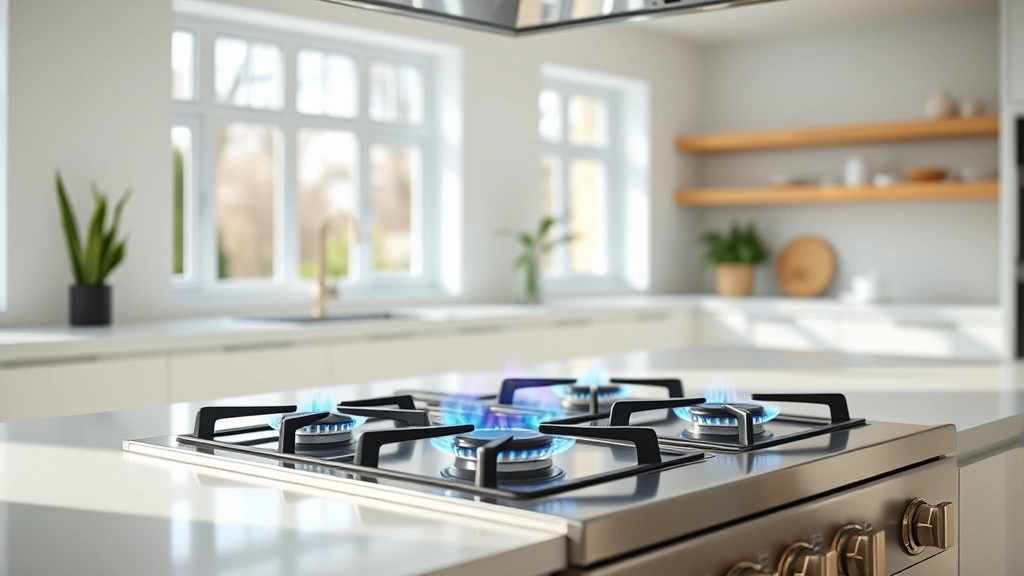
Eco-Friendly Cooking: 5 Burner Gas Stove Insights
The kitchen is often called the heart of the home, and choosing the right cooking appliance plays a significant role in both your culinary experience and environmental impact. A 5 burner gas stove represents a popular choice for households seeking efficiency, control, and reliability in their cooking setup. However, many homeowners don’t realize that their cooking appliance selection directly influences energy consumption, carbon emissions, and overall household sustainability. Understanding how to maximize the eco-friendly potential of gas cooking while minimizing environmental harm is essential for conscious consumers.
Gas stoves have dominated kitchens for decades, and their popularity persists due to immediate heat control and responsive cooking capabilities. Yet the sustainability conversation around gas cooking has evolved significantly. Modern 5 burner gas stoves offer opportunities for efficient cooking when used properly, though they also present challenges that environmentally-minded households must address. This comprehensive guide explores the intersection of cooking technology, environmental responsibility, and practical kitchen decisions to help you make informed choices about your cooking setup.
Understanding 5 Burner Gas Stoves and Their Environmental Impact
A 5 burner gas stove provides multiple cooking zones, allowing simultaneous preparation of different dishes at varying temperatures. This versatility appeals to families and cooking enthusiasts, but it’s crucial to understand the environmental implications of natural gas consumption. Natural gas combustion releases carbon dioxide and methane, contributing to climate change. According to research from the EPA’s greenhouse gas emissions data, residential energy use accounts for approximately 20% of U.S. greenhouse gas emissions, with cooking and heating representing significant portions.
The environmental footprint of your 5 burner gas stove extends beyond direct combustion. Methane leakage during extraction, processing, and delivery of natural gas represents a substantial concern. Methane is approximately 80-86 times more potent than carbon dioxide over a 20-year period, making even small leaks problematic. When you choose a gas stove, you’re connecting to an energy infrastructure with inherent inefficiencies and environmental costs.
However, gas cooking isn’t inherently unsustainable. The key lies in understanding efficiency metrics, proper usage, and complementary sustainable practices. A 5 burner gas stove with modern ignition systems and well-designed burners can deliver heat more efficiently than older models. The responsive nature of gas flames allows cooks to adjust heat immediately, reducing wasted energy compared to appliances with slower heat adjustment capabilities. For households committed to understanding sustainability principles, optimizing gas stove usage becomes part of a broader environmental strategy.
The environmental impact calculation must also consider the energy density of natural gas. Gas provides approximately 23,500 BTU per cubic foot, offering substantial cooking power per unit of energy. When used efficiently—matching burner size to cookware, utilizing lids, and cooking with purpose—gas stoves can deliver results with reasonable energy investment. Understanding these nuances helps homeowners make decisions aligned with their efforts to reduce environmental footprint.
Energy Efficiency Features in Modern Gas Cooking
Contemporary 5 burner gas stoves incorporate several features designed to improve efficiency and reduce waste. Electronic ignition systems have replaced pilot lights in most modern models, eliminating continuous gas burn. This simple upgrade reduces energy consumption by approximately 30% compared to pilot light systems. When evaluating a 5 burner gas stove for sustainability, checking for electronic ignition should be a priority.
Burner design significantly influences cooking efficiency. Modern sealed burners prevent heat loss around cookware edges and reduce the likelihood of spills damaging burner components. Simmer capabilities on quality gas stoves allow precise low-heat cooking, essential for sauces, melting chocolate, and gentle heating tasks. When your 5 burner gas stove offers precise temperature control across its range, you avoid overshooting heat requirements and wasting energy.
Cookware compatibility represents another efficiency factor often overlooked. Gas cooking requires flat-bottomed cookware for optimal heat transfer. Warped or curved bottoms create air gaps, reducing thermal efficiency and requiring higher flame settings to achieve desired results. Investing in quality cookware designed for gas cooking amplifies the efficiency of your 5 burner gas stove investment.
Convection features in some gas stove models improve heat distribution, though these typically require electricity for fan operation. Sustainable energy solutions for kitchens sometimes involve hybrid approaches combining gas cooking with electric convection features, optimizing efficiency across different cooking tasks. Understanding your specific model’s capabilities helps maximize energy benefits.
Comparing Gas to Alternative Cooking Technologies
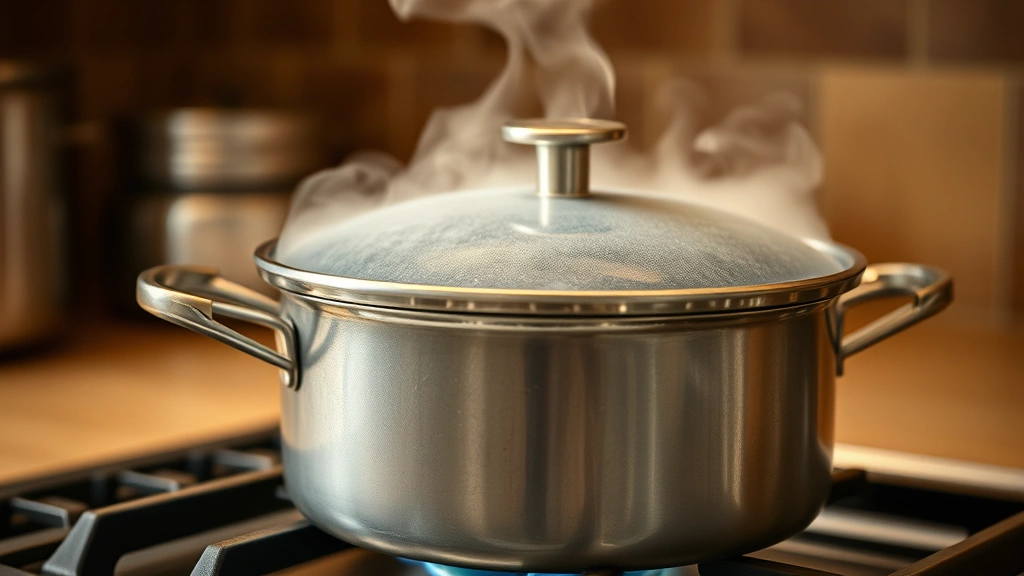
The sustainability conversation around cooking technology extends beyond gas stoves. Induction cooktops, electric resistance burners, and emerging technologies each present distinct environmental profiles. Induction cooking transfers electromagnetic energy directly to cookware, eliminating wasted heat into the kitchen environment. Efficiency ratings for induction cooking reach 85-90%, substantially higher than gas stoves at 70-75%.
However, induction cooktops require electricity, and the environmental impact depends entirely on your local power grid composition. In regions relying heavily on renewable energy sources, induction cooking becomes significantly more sustainable than gas. Conversely, in areas dependent on fossil fuel power generation, the advantages narrow considerably. This reality underscores why green technology innovations require context-specific evaluation.
Electric coil burners represent the least efficient cooking technology, with efficiency ratings around 65-70%. These traditional stoves waste substantial heat into the surrounding kitchen air. If you’re currently using electric coil burners and considering an upgrade, switching to a quality 5 burner gas stove could actually reduce your energy consumption and environmental impact, despite gas’s inherent carbon footprint.
Hybrid cooking approaches deserve consideration for environmentally conscious households. Some modern kitchens integrate multiple cooking technologies—perhaps a gas range for primary cooking with an induction cooktop for precise heating tasks. This flexibility allows cooks to select the most efficient technology for each cooking scenario, optimizing overall kitchen energy use.
The lifecycle environmental impact of cooking appliances extends beyond operational energy. Manufacturing processes, material sourcing, transportation, and eventual recycling all contribute to total environmental cost. A well-maintained 5 burner gas stove lasting 15-20 years distributes manufacturing impacts across many years of use, improving the per-use environmental calculation compared to frequently replaced appliances.
Optimizing Your Gas Stove for Sustainable Cooking
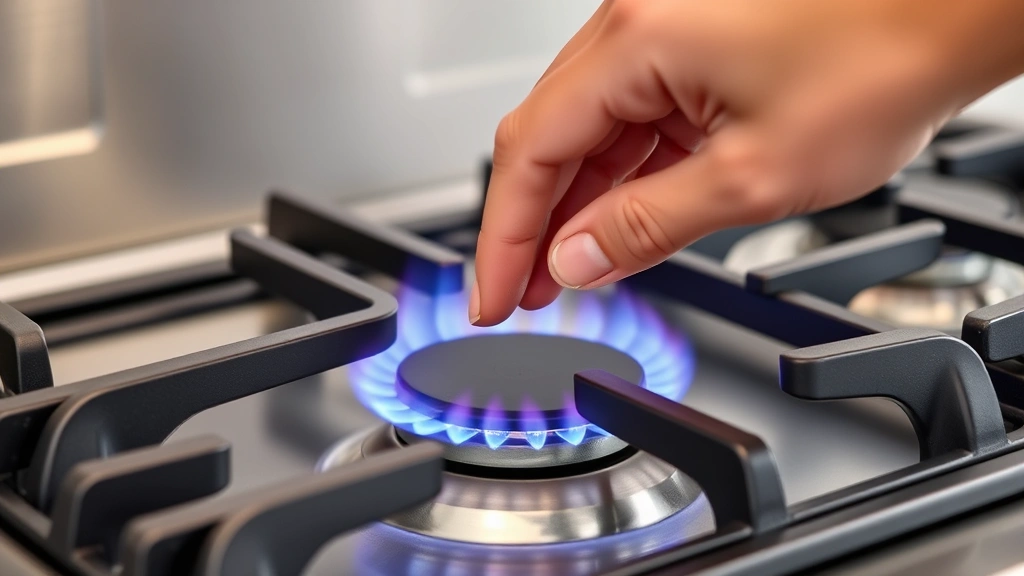
Maximizing the sustainability of your 5 burner gas stove requires intentional cooking practices and maintenance habits. Matching burner size to cookware represents the most impactful optimization strategy. A large flame extending beyond cookware edges wastes heat and energy. Most quality 5 burner gas stoves feature burners of varying sizes—typically two standard, two large, and one small simmer burner—precisely to match cooking tasks with appropriate heat sources.
Using lids while cooking reduces cooking time dramatically, sometimes by 25-30%. A covered pot heats faster, maintains temperature more efficiently, and allows lower flame settings to achieve desired results. This simple practice, consistently applied across your cooking, meaningfully reduces energy consumption and aligns with broader sustainable cooking practices discussed throughout our sustainability resources.
Preheating strategy influences efficiency significantly. Many cooks automatically preheat burners before adding cookware, wasting energy in empty heating. Assessing whether preheating is truly necessary for specific tasks—it’s essential for baking but often unnecessary for stovetop cooking—reduces unnecessary energy use. For boiling water or simmering, starting with room-temperature cookware on medium heat often suffices.
Cookware material and condition directly impact cooking efficiency. Copper-bottomed cookware and stainless steel with aluminum cores conduct heat effectively, requiring lower flame settings to achieve desired temperatures. Damaged or warped cookware forces higher heat settings to compensate for poor thermal contact, increasing gas consumption. Investing in quality cookware represents an efficiency investment that pays dividends across years of cooking.
Regular maintenance of your 5 burner gas stove ensures optimal performance. Burner ports can become clogged with food debris or mineral deposits, reducing flame quality and heating efficiency. Cleaning burner caps and ports according to manufacturer instructions maintains proper gas flow and combustion characteristics. A clean, well-maintained stove operates more efficiently and safely than neglected equipment.
Ventilation practices influence both efficiency and health. Excessive ventilation removes heated kitchen air, requiring additional heating energy to maintain comfort. Modern range hoods with variable speed controls allow appropriate ventilation without unnecessary energy loss. Some high-efficiency hoods include heat recovery systems that capture and reuse heated kitchen air.
Indoor Air Quality and Health Considerations
Beyond energy efficiency, gas cooking raises important indoor air quality questions. Combustion of natural gas produces nitrogen dioxide, carbon monoxide, and other pollutants that accumulate in poorly ventilated kitchens. Research from environmental health organizations indicates that gas cooking without adequate ventilation increases indoor air pollution to levels exceeding outdoor air quality in many urban areas.
Proper ventilation becomes essential when operating a 5 burner gas stove. Vented range hoods that exhaust to the outside effectively remove combustion byproducts. Non-vented recirculating hoods with charcoal filters provide minimal pollution removal and should not be considered adequate ventilation for gas cooking. If your kitchen lacks proper venting, installing a vented hood becomes a health priority alongside environmental considerations.
The relationship between cooking method and indoor air quality connects to broader health sustainability. Poor indoor air quality contributes to respiratory issues, particularly affecting children and elderly family members. Choosing cooking practices that maintain healthy indoor environments represents part of comprehensive sustainability understanding that encompasses human health alongside environmental protection.
For households concerned about gas combustion byproducts, hybrid cooking approaches combining gas with induction cooking offer solutions. Using induction for tasks generating minimal combustion products—like boiling water—while reserving gas burners for tasks requiring precise flame control reduces overall indoor air pollution from cooking.
Making the Transition to Greener Kitchen Practices
If you’re committed to reducing your kitchen’s environmental impact while operating a 5 burner gas stove, several strategic transitions enhance sustainability. First, assess your current cooking patterns and identify energy-intensive habits. Do you frequently boil large quantities of water? Consider an electric kettle, which typically uses less energy than stovetop boiling. Are you simmering soups for hours? Slow cookers and pressure cookers offer energy-efficient alternatives for specific tasks.
Meal planning and batch cooking represent powerful sustainability strategies. Preparing multiple meals simultaneously uses your 5 burner gas stove’s capacity efficiently, minimizing per-meal energy consumption. Planning weekly menus reduces impulse cooking decisions and enables purchasing ingredients that require minimal preparation, further reducing cooking time and energy.
Water heating represents a significant portion of cooking energy. Using a separate hot water dispenser or kettle for initial heating before transferring water to cookware reduces the time your 5 burner gas stove must operate. This small adjustment, consistently applied, reduces energy consumption across numerous cooking tasks.
Exploring complementary sustainable technologies enhances your kitchen’s overall environmental profile. Induction cooktops for specific tasks, air fryers for efficient cooking, and slow cookers for extended low-temperature cooking create a diverse toolkit. This approach allows matching cooking technology to specific tasks, optimizing energy use across your cooking repertoire.
Sourcing local, seasonal ingredients reduces transportation energy embedded in your food. Cooking with whole foods requiring minimal processing further reduces embodied energy. These food sourcing decisions, combined with efficient cooking practices, create comprehensive kitchen sustainability that extends beyond appliance selection.
Connecting your gas stove optimization to broader household energy management amplifies environmental benefits. Consider exploring sustainable energy solutions for your entire home, including renewable electricity sources that could eventually power alternative cooking technologies. Understanding your household’s total energy profile helps prioritize sustainability investments effectively.
For those considering major kitchen renovations, evaluating whether to transition entirely from gas to induction cooking deserves serious consideration. While induction cooktops require electricity, in many regions powered increasingly by renewable sources, this transition represents a meaningful long-term sustainability improvement. Consulting with energy efficiency resources from the Department of Energy provides guidance on appliance transitions.
FAQ
Are 5 burner gas stoves more energy-efficient than electric alternatives?
Gas stoves typically achieve 70-75% efficiency compared to electric resistance at 65-70%, but induction cooktops reach 85-90% efficiency. The comparison depends on your specific models and local electricity sources. Gas’s main efficiency advantage lies in responsive heat control, reducing energy waste from overshooting temperature requirements.
What’s the most impactful way to reduce cooking energy consumption?
Using lids while cooking provides the greatest energy reduction, sometimes decreasing cooking time by 25-30%. Matching burner size to cookware and avoiding unnecessary preheating follow closely. These practices combined can reduce gas consumption by 20-30% without sacrificing cooking quality.
Do 5 burner gas stoves produce harmful indoor air pollutants?
Gas combustion produces nitrogen dioxide and carbon monoxide. Proper ventilation through vented range hoods effectively removes these pollutants. Without adequate ventilation, indoor air quality can deteriorate significantly, making proper hood installation essential for health and sustainability.
Can I make my existing 5 burner gas stove more sustainable?
Yes. Install an electronic ignition system if your stove uses a pilot light, use quality flat-bottomed cookware, utilize lids consistently, match burner sizes to cookware, and maintain proper ventilation. These modifications improve efficiency and indoor air quality without replacing your appliance.
Should I replace my gas stove with induction cooking?
The decision depends on your local electricity sources, current cooking patterns, and budget. If your region uses renewable energy, induction offers superior efficiency. If you’re satisfied with gas cooking and maintain efficient practices, replacement may not provide significant environmental benefits to justify the cost and embedded manufacturing energy.


