
Is 50:1 Gas Mix Eco-Friendly? Expert Analysis of Two-Stroke Engine Fuel Mixtures
The 50:1 gas and oil mix has long been a standard fuel ratio for two-stroke engines found in lawn equipment, chainsaws, and marine motors. However, as environmental concerns intensify and climate consciousness grows, many users are questioning whether this traditional mixture aligns with modern sustainability goals. Understanding the ecological impact of different fuel ratios requires examining engine efficiency, emissions output, and the broader context of fossil fuel consumption.
Two-stroke engines operate fundamentally differently from their four-stroke counterparts, requiring a precise blend of gasoline and oil to function properly. The 50:1 ratio means mixing one part oil with fifty parts gasoline, creating a fuel that lubricates the engine while providing combustion energy. Yet this seemingly simple formula carries significant environmental implications that deserve careful scrutiny. This analysis explores whether 50:1 mixtures represent an eco-friendly choice or if better alternatives exist for environmentally conscious consumers.
Understanding Two-Stroke Engine Fundamentals
Two-stroke engines complete a full combustion cycle in just two piston strokes, making them significantly more compact and lightweight than four-stroke alternatives. This efficiency in design comes at an environmental cost: the engine design inherently produces higher emissions and requires oil mixed directly into the fuel for lubrication. Unlike four-stroke engines that use a separate oil reservoir, two-stroke engines rely on the oil-fuel mixture to protect internal components from friction and wear.
The 50:1 ratio represents one of several standardized mixing ratios used across different equipment manufacturers. Some older equipment may require 40:1 or even 32:1 ratios, while newer engines sometimes operate on 50:1 or higher ratios like 100:1. The specific ratio depends on engine design, materials, and intended operating conditions. Getting this ratio wrong creates serious problems: too much oil causes excessive smoke and carbon buildup, while insufficient oil leads to engine seizure and catastrophic failure.
Understanding this mechanical necessity is crucial to evaluating the ecological footprint of two-stroke engines. The requirement for oil-fuel mixing isn’t simply a design choice but rather a fundamental aspect of how these engines function. This distinction matters when considering whether 50:1 mixtures are genuinely eco-friendly or merely a necessary compromise between performance and engine longevity.
Environmental Impact of 50:1 Gas Mix
The environmental consequences of 50:1 fuel mixtures extend far beyond the simple act of mixing gasoline and oil. Each component carries its own ecological burden, and the combustion process creates multiple categories of pollutants that affect air quality, water systems, and climate stability.
Direct Emissions from Combustion: Two-stroke engines burning 50:1 mixture produce significantly higher hydrocarbon and nitrogen oxide emissions compared to four-stroke engines. Studies indicate that a single two-stroke engine operating for one hour generates emissions equivalent to driving a modern automobile for approximately forty hours. The unburned fuel and oil particles exit through the exhaust, contributing to ground-level ozone formation and respiratory health problems in nearby communities.
The incomplete combustion inherent to two-stroke design means that roughly thirty percent of the fuel-oil mixture exits unburned in exhaust gases. This inefficiency represents both an economic waste and an environmental hazard. When considering the cumulative effect of millions of lawn mowers, leaf blowers, and chainsaws operating daily across residential and commercial landscapes, the aggregate emissions become staggering.
For context on broader emission reduction strategies, exploring how to reduce your environmental footprint reveals that small equipment choices significantly impact personal sustainability metrics.
Water Contamination Risks: Oil-fuel mixtures pose particular risks to aquatic ecosystems. When equipment operates near water sources or during rainfall, fuel residues and unburned oil particles can contaminate groundwater and surface water bodies. The 50:1 ratio, while designed to minimize oil content, still contributes to this problem, particularly in sensitive watersheds and marine environments where two-stroke engines power boats and jet skis.
Emissions Comparison Across Fuel Ratios
Not all 50:1 mixtures produce identical emissions profiles. The specific quality of gasoline, oil type, and engine condition significantly influence pollutant output. However, comparing 50:1 to other common ratios reveals important patterns.
40:1 Mixture: Older equipment specifications often called for 40:1 ratios, using proportionally more oil per unit of fuel. While this provided superior engine protection and lubrication, it simultaneously increased emissions of particulate matter and unburned hydrocarbons. Modern environmental standards have generally moved away from 40:1 specifications for this reason.
50:1 Mixture: This ratio represents a compromise attempting to balance engine longevity with emissions reduction. Most contemporary two-stroke equipment manufactured in the last two decades operates on 50:1 specifications, reflecting industry-wide movement toward lighter oil loads.
100:1 Mixture: Some newer engines, particularly high-performance models and marine equipment, utilize 100:1 ratios. These advanced engines feature improved combustion chamber design, better fuel injection systems, and enhanced materials that tolerate reduced lubrication. The 100:1 ratio produces substantially lower emissions and represents genuine progress in two-stroke technology.
The EPA’s small spark-ignition engine regulations have driven manufacturers toward cleaner ratios and technologies, though enforcement remains inconsistent globally.
Research from the California Air Resources Board demonstrates that transitioning from 50:1 to 100:1 or newer four-stroke technology can reduce emissions by forty to seventy percent depending on specific equipment and operating conditions.
Oil Type and Ecological Consequences
The oil component of any fuel mixture carries profound environmental significance that often receives insufficient attention. Not all oils are created equal, and the type of oil mixed at 50:1 ratio dramatically influences the overall ecological impact.
Conventional Mineral Oil: Traditional petroleum-based oils dominate the two-stroke market due to their low cost and proven performance. However, mineral oil carries significant environmental baggage. Its extraction requires petroleum drilling, refining, and transportation—all energy-intensive processes with substantial carbon footprints. When burned in two-stroke engines, mineral oil produces aromatic hydrocarbons and other toxic compounds that contribute to air pollution.
Synthetic and Semi-Synthetic Oils: Premium synthetic oils offer superior environmental profiles compared to conventional options. They burn more completely, produce fewer toxic emissions, and often incorporate renewable component percentages. While synthetic oils cost three to five times more than conventional alternatives, their reduced environmental impact and extended engine life can justify the investment for environmentally conscious users. Synthetic oils at 50:1 ratios produce cleaner combustion and less carbon buildup than mineral oil equivalents.
Bio-Based and Renewable Oils: Emerging bio-based two-stroke oils derived from plant sources represent the frontier of sustainable small engine lubrication. These oils reduce reliance on fossil fuels and often produce lower emissions than petroleum-based alternatives. However, bio-based oil availability remains limited in most markets, and their long-term environmental impacts require further research, particularly regarding agricultural impacts of feedstock production.
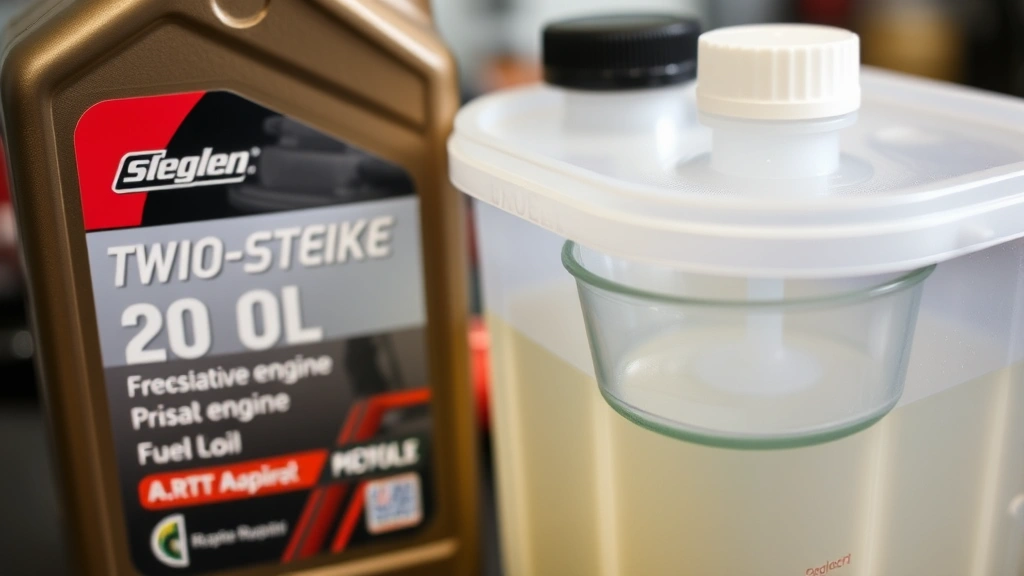
The choice of oil matters enormously when evaluating whether a 50:1 mixture qualifies as eco-friendly. Mixing premium synthetic oil at 50:1 ratio produces substantially different environmental consequences than using conventional mineral oil at the same ratio.
Modern Alternatives to Traditional Mixtures
For environmentally conscious consumers, accepting 50:1 mixtures as necessary isn’t mandatory. Several alternatives exist at different price points and convenience levels, each with distinct sustainability profiles.
Four-Stroke Small Engines: Four-stroke engines for lawn and garden equipment have advanced dramatically over the past decade. These engines eliminate the need for oil-fuel mixing entirely, using conventional gasoline with a separate oil reservoir. Four-stroke engines produce sixty to eighty percent fewer emissions than comparable two-stroke models and operate more efficiently. The trade-off involves slightly heavier equipment and higher initial costs, but the environmental benefits and lower operating costs typically justify the investment.
Battery-Electric Equipment: Cordless electric tools powered by rechargeable lithium-ion batteries represent the most environmentally friendly option for most residential applications. These devices produce zero direct emissions, operate quietly, and eliminate the need for fuel mixing entirely. As battery technology improves and costs decline, electric equipment becomes increasingly practical for diverse applications. Exploring advantages of electric vehicles and equipment reveals how battery technology transforms sustainability across multiple sectors.
Plug-in Hybrid Systems: Some manufacturers now offer hybrid small equipment combining electric motors with small gasoline engines. These systems optimize efficiency by using electric power for most tasks and engaging the gas engine only when maximum power is needed. Hybrid approaches reduce overall fuel consumption and emissions compared to pure gasoline equipment.
Understanding sustainable energy solutions provides broader context for how technology choices influence environmental impact across multiple domains.

Best Practices for Sustainable Two-Stroke Use
For users who must operate two-stroke equipment, several practices can minimize environmental impact while using 50:1 or other fuel mixtures.
Fuel Mixture Best Practices:
- Use premium synthetic oil at specified ratios rather than conventional mineral oil; synthetic oils burn cleaner and produce fewer emissions
- Measure precisely using calibrated containers or pre-mixed fuel cans to avoid wasteful over-oiling
- Purchase pre-mixed fuel from reputable suppliers when available; commercial mixing ensures accurate ratios and reduces user error
- Store fuel properly in sealed containers away from water sources to prevent contamination and spills
- Never dispose of fuel mixtures down drains or into soil; transport used fuel to certified hazardous waste facilities
Equipment Operating Practices:
- Maintain equipment regularly including spark plug replacement, air filter cleaning, and fuel system inspection to optimize combustion efficiency
- Avoid unnecessary idling and operate equipment at appropriate throttle levels for the task
- Keep equipment away from water sources during operation to prevent fuel and oil contamination
- Use equipment strategically by combining multiple tasks into single sessions to reduce total operating time
- Consider quieter alternatives for noise-sensitive times and locations to reduce neighborhood disruption
Implementing these practices can reduce the environmental impact of 50:1 fuel mixtures by twenty to forty percent compared to negligent operation.
Future of Small Engine Technology
The trajectory of small engine technology points clearly toward reduced emissions and increased sustainability. Several trends suggest that 50:1 fuel mixtures will gradually become obsolete as technology evolves.
Regulatory Pressure: Environmental agencies worldwide are tightening emissions standards for small engines. The EPA continues implementing stricter Phase regulations that push manufacturers toward cleaner technologies. European Union Directive 2016/1628 similarly mandates emissions reductions that make traditional two-stroke engines less viable.
Technology Innovation: Manufacturers are investing heavily in advanced two-stroke engine designs with improved fuel injection, variable valve timing, and catalytic converters. These innovations can reduce two-stroke emissions to levels approaching four-stroke engines while maintaining the weight and power advantages of two-stroke design. Future 50:1 mixtures may become unnecessary as advanced engines operate on different ratios or eliminate mixing entirely.
Battery Technology Evolution: Lithium-ion battery improvements continue at rapid pace, with energy density increasing and costs declining annually. Within a decade, battery-powered equipment will likely dominate residential landscaping applications, relegating gas-powered tools to specialized commercial uses.
Learning about green technology innovations transforming our future provides insight into how emerging technologies will reshape small engine markets and sustainability outcomes.
The Nature Climate Change research on technology transitions demonstrates that rapid adoption of cleaner alternatives typically requires combined regulatory pressure, cost parity, and consumer awareness—all factors currently accelerating in the small equipment sector.
Circular Economy Integration: Future sustainability approaches will emphasize equipment durability, repairability, and recycling. Rather than disposable small engines, manufacturers may shift toward modular designs where components can be upgraded or replaced, extending equipment life and reducing total resource consumption.
Understanding the definition of sustainability reveals that true environmental progress requires systemic thinking beyond individual product choices.
FAQ
Is 50:1 gas mix bad for the environment?
The 50:1 gas and oil mix produces significantly higher emissions than four-stroke engines or electric equipment, contributing to air pollution and climate change. While 50:1 represents an improvement over older 40:1 ratios, it remains environmentally problematic. The eco-friendliness depends heavily on oil type—synthetic oils produce cleaner combustion than mineral oil. Overall, 50:1 fuel mixtures are not inherently eco-friendly, though they represent a practical compromise for necessary two-stroke equipment use.
What’s the difference between 50:1 and 100:1 fuel ratios?
The ratio indicates parts of gasoline to one part oil. A 50:1 mixture uses twice as much oil as a 100:1 mixture. Higher ratios (like 100:1) produce fewer emissions and less carbon buildup but require more advanced engine designs with better materials and fuel injection systems. Equipment specifications determine the appropriate ratio; using incorrect ratios damages engines. Newer equipment increasingly specifies 100:1 or higher ratios as manufacturers improve engine technology.
Can I use synthetic oil in my 50:1 fuel mixture?
Yes, using premium synthetic oil in 50:1 mixtures significantly reduces environmental impact compared to conventional mineral oil. Synthetic oils burn more completely, produce fewer toxic emissions, and create less carbon accumulation. While synthetic oils cost more, their superior environmental profile and engine protection benefits often justify the additional expense for environmentally conscious users.
What’s the most eco-friendly alternative to gas-powered equipment?
Battery-electric equipment powered by rechargeable lithium-ion batteries produces zero direct emissions and operates with minimal environmental impact during use. Electric tools have become practical for most residential landscaping and maintenance tasks. The environmental benefits increase when electricity comes from renewable sources. For users unable to switch to electric equipment, four-stroke gasoline engines represent the next best option, producing substantially fewer emissions than two-stroke engines.
How can I reduce emissions from my 50:1 fuel mixture equipment?
Use premium synthetic oil rather than conventional mineral oil, maintain equipment regularly, store fuel properly, avoid unnecessary idling, and keep equipment away from water sources. Operating equipment efficiently and minimizing total usage time further reduces environmental impact. Consider replacing equipment with electric alternatives when feasible. Proper fuel mixture accuracy prevents wasteful over-oiling that increases emissions.
Will 50:1 fuel mixtures become obsolete?
Yes, regulatory trends and technology improvements suggest that traditional 50:1 mixtures will gradually become obsolete. Stricter emissions standards push manufacturers toward advanced two-stroke engines using different ratios or eliminating mixing requirements entirely. Battery-electric equipment will likely dominate residential applications within a decade, relegating gas-powered tools to specialized commercial uses.


