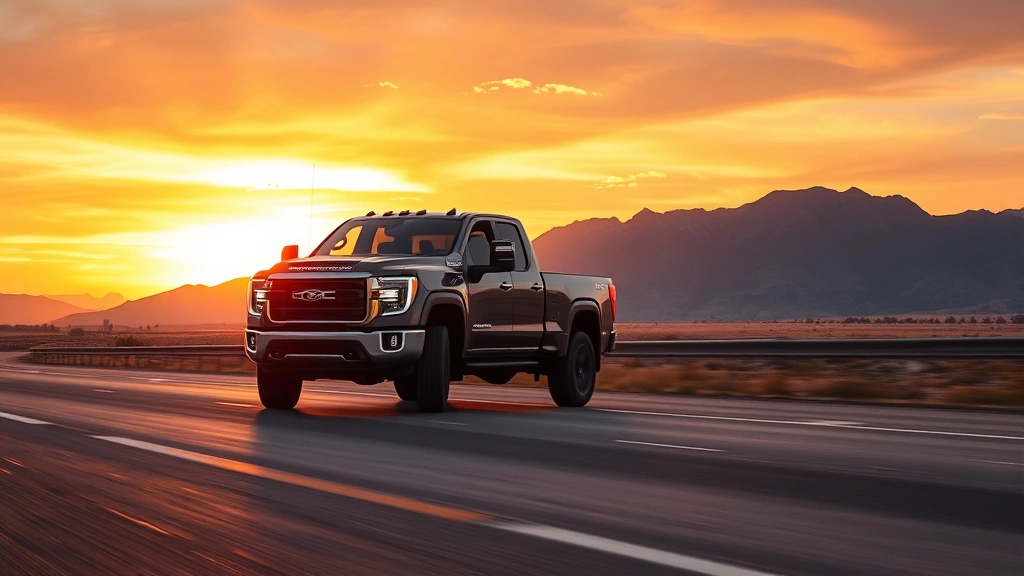
Is Chevy 6.6 Gas Efficient? Expert Analysis of Fuel Economy & Sustainability
The Chevrolet 6.6-liter gasoline engine has long been a staple in heavy-duty trucks, but fuel efficiency remains a critical concern for environmentally conscious drivers and fleet operators alike. Understanding the actual gas mileage, performance metrics, and real-world efficiency of this engine is essential for making informed purchasing decisions that balance power needs with environmental responsibility.
In this comprehensive analysis, we examine the Chevy 6.6 gas engine’s efficiency ratings, compare it against modern alternatives, and explore what sustainability-minded drivers should know before investing in a vehicle powered by this engine. Whether you’re considering a Silverado HD, Sierra, or other truck featuring this displacement, this guide provides the insights you need.
Chevy 6.6 Gas Engine Overview
The Chevrolet 6.6-liter gasoline V8 engine represents one of the largest naturally aspirated gasoline engines available in consumer trucks today. This engine has been a cornerstone of Chevrolet’s heavy-duty lineup, offering substantial towing capacity and hauling power for demanding applications. With approximately 401-405 horsepower and 460-470 pound-feet of torque depending on the model year, the 6.6L delivers impressive performance metrics that appeal to users requiring genuine heavy-duty capabilities.
However, power and efficiency often exist in tension with traditional gasoline engines. The 6.6 gas engine, while powerful, operates within the constraints of conventional combustion technology. Modern iterations have incorporated direct fuel injection, variable valve timing, and refined engine management systems to squeeze better efficiency from this displacement class. Understanding these technological improvements is crucial for evaluating whether this engine meets contemporary fuel economy expectations.
Chevrolet has positioned the 6.6 gas engine as a middle-ground option between smaller, more efficient engines and the heavier diesel alternatives. This positioning reflects the reality that some buyers prioritize power and simplicity over maximum fuel economy, though the gap has narrowed considerably with recent engineering advances.
Fuel Economy Ratings & Real-World Performance
The EPA-estimated fuel economy for vehicles equipped with the Chevy 6.6 gas engine typically ranges from 10-12 miles per gallon in city driving and 13-15 mpg on the highway, depending on the specific vehicle configuration, transmission type, and model year. Combined ratings generally fall between 11-13 mpg, which places this engine in the lower-to-middle tier of fuel efficiency for heavy-duty trucks.
Real-world fuel consumption often varies significantly from EPA estimates. Drivers report achieving anywhere from 9-14 mpg under typical mixed-use conditions, with considerable variance based on driving habits, load carried, and terrain. Highway driving with lighter loads tends to yield better efficiency, while city driving, towing, and mountainous terrain dramatically reduce fuel economy. This unpredictability makes budgeting for fuel costs challenging for fleet operators and individual owners alike.
When compared to mid-size gasoline engines in lighter-duty trucks, the 6.6 gas performs less efficiently on a per-horsepower basis. However, when evaluated against competing heavy-duty options, the efficiency picture becomes more nuanced. The 6.6 gas engine typically outperforms older diesel engines and some alternative configurations, though it trails behind the latest advantages of electric vehicles and hybrid technologies in overall efficiency metrics.
Understanding these numbers is critical for anyone considering this engine. A vehicle averaging 12 mpg will consume approximately 833 gallons annually if driven 10,000 miles per year—a significant fuel expense that directly translates to both financial and environmental costs.
Factors Affecting Fuel Efficiency
Numerous variables influence how efficiently a Chevy 6.6 gas engine operates in real-world conditions. Vehicle weight and configuration represent primary factors; heavier trucks with additional equipment require more energy to propel, directly reducing fuel economy. A fully loaded pickup truck will consume considerably more fuel than the same vehicle carrying minimal cargo.
Driving behavior and conditions dramatically impact efficiency. Aggressive acceleration, excessive idling, and highway speeds above 55 mph all decrease fuel economy. Cold weather operation reduces efficiency by 10-15% due to increased engine friction and denser air requiring richer fuel mixtures. Towing, perhaps the primary use case for 6.6L engines, substantially increases fuel consumption—typically reducing mpg by 20-40% depending on trailer weight and aerodynamics.
Transmission type and gear ratios significantly affect efficiency. Modern 10-speed automatic transmissions paired with the 6.6L achieve better efficiency than older 6-speed units. Lower numerical rear axle ratios improve highway fuel economy but reduce low-end pulling power, creating another efficiency trade-off.
Maintenance condition cannot be overlooked. Properly maintained engines with clean air filters, correct tire pressure, and regular tune-ups operate more efficiently. A poorly maintained 6.6L can see fuel economy decline by 10-15% compared to optimal conditions. Tire pressure particularly matters; underinflated tires increase rolling resistance and reduce efficiency.
Aerodynamic modifications and accessories impact efficiency, especially at highway speeds. Tonneau covers, wind deflectors, and other aerodynamic enhancements can improve mpg by 2-8%, while roof racks and other drag-inducing additions reduce efficiency.
Comparison with Diesel Alternatives
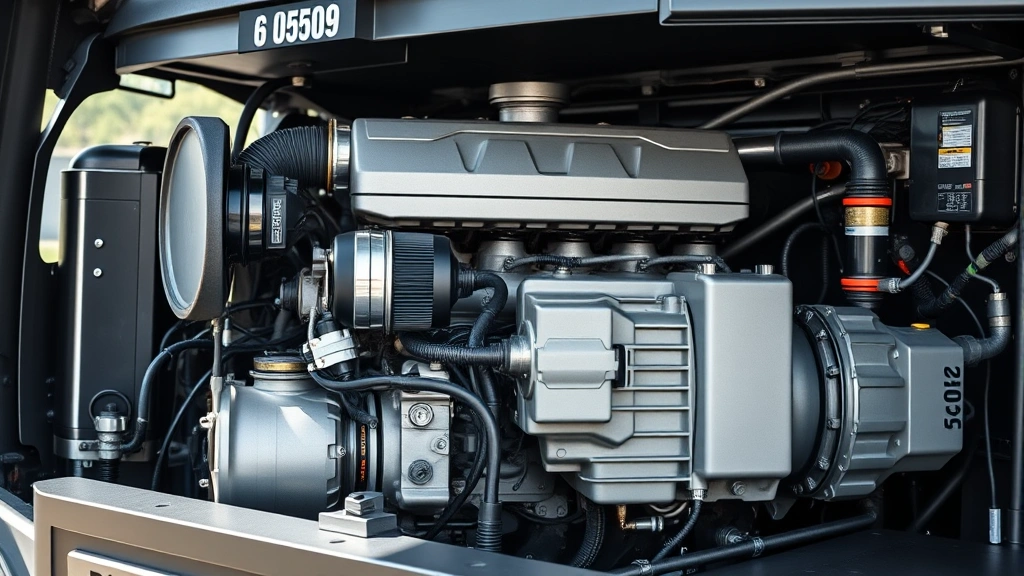
Many Chevrolet heavy-duty truck buyers face a choice between the 6.6 gas engine and diesel alternatives. The 6.6L duramax diesel, available in comparable trucks, typically achieves 14-17 mpg combined—approximately 3-5 mpg better than the gasoline counterpart. This superior efficiency stems from diesel fuel’s higher energy density and the compression-ignition engine’s thermodynamic advantages.
However, the efficiency comparison becomes more complex when considering total cost of ownership. Diesel fuel prices typically exceed gasoline by 15-25%, and diesel engines command significantly higher purchase prices—often $4,000-$7,000 premiums. For drivers not covering extensive mileage or not requiring maximum towing capacity, this premium may never be recouped through fuel savings.
The gasoline 6.6L offers advantages including lower initial cost, simpler maintenance, wider fuel availability, and adequate performance for many applications. Drivers should calculate their specific break-even mileage based on fuel prices, usage patterns, and personal needs rather than assuming diesel superiority across all scenarios.
Environmental considerations extend beyond fuel consumption. Diesel engines produce different emissions profiles than gasoline engines, with advantages in some categories and disadvantages in others. EPA vehicle emissions standards have tightened considerably, and modern diesels meet stringent requirements through sophisticated aftertreatment systems.
Environmental Impact Assessment
The environmental footprint of a Chevy 6.6 gas engine extends beyond direct fuel consumption to encompass lifecycle emissions, manufacturing impacts, and end-of-life considerations. A vehicle averaging 12 mpg over a 150,000-mile lifespan consumes approximately 12,500 gallons of gasoline, resulting in roughly 138 metric tons of CO2 emissions—equivalent to the carbon footprint of driving a hybrid vehicle for several years.
When evaluating environmental impact, consider that how to reduce your environmental footprint requires honest assessment of transportation needs. A 6.6L engine may be environmentally preferable to a less efficient diesel if it better matches actual usage requirements, avoiding unnecessary engine displacement and complexity.
The manufacturing and extraction of fuel represents additional environmental costs. Petroleum extraction, refining, and transportation create environmental impacts beyond tailpipe emissions. International Energy Agency assessments indicate that petroleum-based fuel systems carry substantial environmental burdens throughout their supply chains.
Air quality impacts include not only carbon dioxide but also nitrogen oxides, particulate matter, and volatile organic compounds. The 6.6 gas engine produces lower nitrogen oxide emissions than many diesel engines without advanced aftertreatment, though this varies by model year and emissions control technology generation.
Tips for Improving Efficiency
For owners committed to maximizing fuel economy from their Chevy 6.6 gas engine, several practical strategies can yield measurable improvements:
- Optimize driving habits: Smooth acceleration, maintaining steady speeds below 60 mph, and minimizing idle time can improve fuel economy by 10-20%. Anticipatory driving that reduces sudden braking and acceleration proves particularly effective.
- Maintain proper tire pressure: Check tire pressure monthly and maintain manufacturer-recommended PSI. Underinflated tires by just 5 psi can reduce fuel economy by approximately 3%.
- Regular maintenance: Follow the manufacturer’s maintenance schedule precisely. Clean fuel injectors, proper oil viscosity, and fresh air filters all contribute to optimal efficiency.
- Reduce unnecessary weight: Remove roof racks, toolboxes, and other accessories when not actively needed. Every 100 pounds of extra weight reduces fuel economy by approximately 1-2% for trucks.
- Install aerodynamic improvements: Tonneau covers, wind deflectors, and bed extenders can improve highway fuel economy by 2-8% with minimal cost.
- Use cruise control on highways: Maintaining constant speed on flat terrain reduces fuel consumption compared to manual throttle control.
- Plan efficient routes: Consolidate trips, avoid heavy traffic periods, and select routes with minimal elevation changes to reduce fuel consumption.
- Monitor fuel consumption: Track actual fuel economy to identify issues early. Sudden decreases in efficiency often signal maintenance needs.
Sustainable Alternatives to Consider
For environmentally conscious truck buyers, exploring alternatives to the 6.6 gas engine deserves serious consideration. Sustainable energy solutions in the automotive sector continue advancing rapidly, offering compelling options:
Hybrid and plug-in hybrid trucks represent emerging alternatives offering 20-30% fuel consumption reductions compared to traditional gasoline engines. Chevrolet’s GMC Sierra Denali MAX hybrid achieves approximately 24 mpg combined—roughly double the 6.6 gas engine’s efficiency. While these systems add cost and complexity, the environmental and financial benefits accumulate over vehicle ownership.
Electric trucks like the Chevrolet Silverado EV and upcoming electric options eliminate tailpipe emissions entirely, though they present range and charging infrastructure considerations. For local delivery, utility work, and regional hauling, electric trucks increasingly prove practical.
Smaller displacement turbocharged engines paired with modern transmissions can deliver adequate power for many applications while improving efficiency 15-25%. These engines sacrifice raw towing capacity but suit drivers whose needs don’t require maximum capability.
Propane and natural gas engines offer lower emissions and sometimes reduced fuel costs, though infrastructure remains limited and efficiency varies. These options merit investigation for fleet operators with dedicated fueling infrastructure.
The decision between the 6.6 gas engine and alternatives should weigh actual usage requirements, total cost of ownership, available infrastructure, and personal environmental values. Oversizing engine displacement to capabilities rarely used represents environmental and financial waste.
FAQ
How many miles per gallon does a Chevy 6.6 gas engine get?
EPA estimates range from 10-12 city and 13-15 highway mpg, with combined ratings typically between 11-13 mpg. Real-world results vary from 9-14 mpg depending on driving conditions, load, and habits.
Is the 6.6 gas engine better than the diesel 6.6?
The diesel 6.6 achieves 3-5 mpg better fuel economy but costs $4,000-$7,000 more upfront and has higher maintenance expenses. The gasoline version suits drivers prioritizing lower initial cost and simpler maintenance.
What affects fuel economy most in a 6.6 gas truck?
Driving behavior, load weight, and towing represent primary factors. Aggressive driving, carrying heavy loads, and towing dramatically reduce fuel economy—often by 20-40% for towing applications.
Can I improve my 6.6 gas engine’s fuel economy?
Yes. Maintaining proper tire pressure, smooth driving habits, regular maintenance, reducing unnecessary weight, and using aerodynamic accessories can improve efficiency by 10-20%.
Are there more fuel-efficient alternatives to the 6.6 gas engine?
Yes. Hybrid trucks achieve 20-30% better efficiency, electric trucks eliminate emissions, and smaller turbocharged engines suit drivers not requiring maximum towing capacity. Explore sustainability topics including vehicle efficiency at SustainWise Hub.
What is the environmental impact of a 6.6 gas engine?
A truck with a 6.6 gas engine averaging 12 mpg produces approximately 138 metric tons of CO2 over a 150,000-mile lifespan, equivalent to several years of hybrid vehicle emissions.
Should I choose 6.6 gas or diesel?
Consider your actual towing and hauling needs, annual mileage, fuel prices in your area, and total cost of ownership. Diesel makes sense for high-mileage towing; gasoline suits lighter-duty applications.
How does the 6.6 gas compare to smaller gasoline engines?
The 6.6 gas delivers more power but uses fuel less efficiently per horsepower. Smaller turbocharged engines may suit drivers whose needs don’t demand maximum capability.


