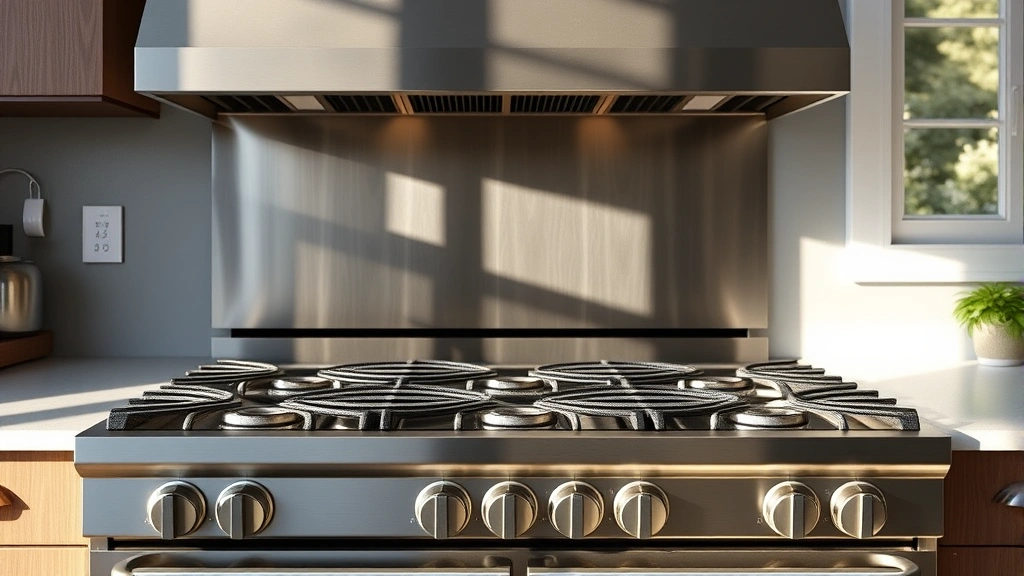
Is a 6 Burner Gas Range Eco-Friendly? Insights on Sustainability and Home Cooking
When it comes to kitchen appliances, the 6 burner gas range represents a significant investment in both your home and your household’s daily operations. But as environmental consciousness grows, many homeowners are asking critical questions about whether these powerful cooking appliances align with sustainable living practices. The truth is nuanced—a 6 burner gas range presents both environmental challenges and potential advantages depending on how you use it and what alternatives you’re considering.
Understanding the environmental impact of your cooking equipment requires examining multiple factors: energy efficiency, fuel source, manufacturing processes, longevity, and usage patterns. This comprehensive guide will help you navigate the intersection of culinary capability and ecological responsibility, providing you with the insights needed to make an informed decision about whether a 6 burner gas range fits within your sustainability goals.
Understanding Gas Range Environmental Impact
A 6 burner gas range operates by burning natural gas to produce heat for cooking. The environmental footprint of this appliance encompasses several interconnected systems: natural gas extraction and transportation, combustion efficiency, emissions produced during use, and the manufacturing process itself. To properly evaluate whether this type of range is eco-friendly, we need to consider it within the broader context of your home’s energy consumption and your commitment to definition of sustainability.
Natural gas itself is often positioned as a transition fuel—cleaner than coal or oil, but not as clean as renewable energy sources. When burned in a properly functioning gas range, natural gas produces primarily carbon dioxide and water vapor. However, the extraction process involves drilling operations that can impact local ecosystems, and methane leaks throughout the supply chain contribute significantly to greenhouse gas emissions. Methane is approximately 80 times more potent than carbon dioxide over a 20-year period, making even small leaks problematic from a climate perspective.
The question of whether your 6 burner gas range is eco-friendly ultimately depends on several variables: your regional electricity grid composition, how frequently you use the range, your cooking habits, and whether you’re willing to implement efficiency measures. In regions powered primarily by renewable energy, an electric induction range would be far more sustainable. In areas where natural gas infrastructure is well-maintained and the electricity grid relies heavily on fossil fuels, the environmental calculus becomes more complex.
Energy Efficiency Comparison: Gas vs. Electric
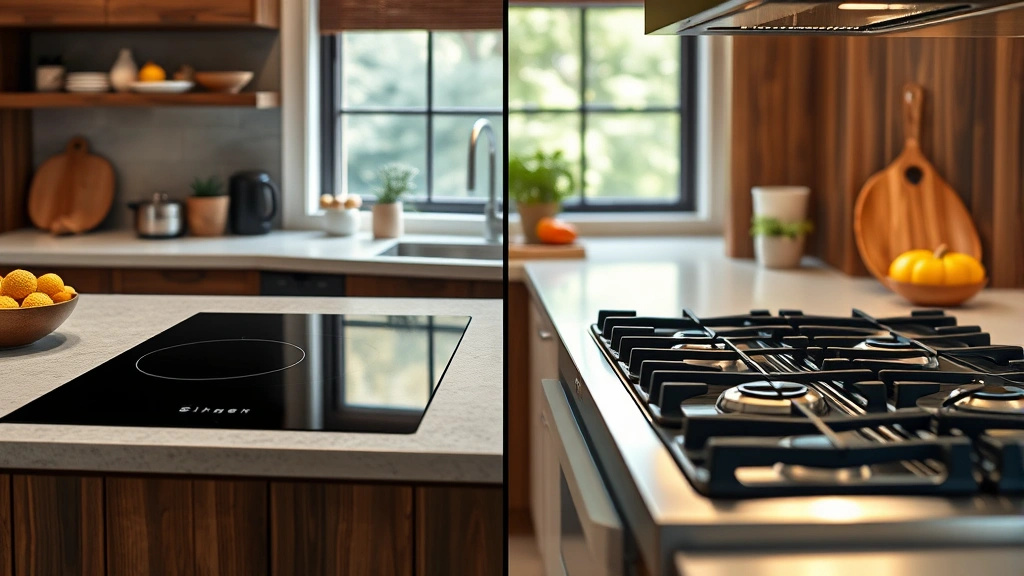
When evaluating the sustainability of a 6 burner gas range, direct comparison with electric alternatives provides crucial context. Gas ranges have traditionally been favored by professional chefs and cooking enthusiasts for their responsive heat control and visual flame feedback. However, from an energy efficiency standpoint, the story is less favorable for gas cooking.
Gas ranges typically operate at 40-50% efficiency, meaning that roughly half the heat energy produced escapes into your kitchen rather than transferring to your cookware. Electric coil ranges improve this to approximately 65-75% efficiency, while modern induction ranges achieve 80-90% efficiency. This efficiency gap has significant implications for both your utility bills and your environmental impact. Over the lifetime of a range, the cumulative energy waste from a gas appliance can be substantial.
However, the source of your electricity matters enormously. If your region’s electricity grid relies on coal or natural gas power plants, the overall environmental advantage of electric cooking diminishes. Conversely, in areas with high renewable energy penetration—such as sustainable energy solutions initiatives—switching to electric cooking becomes significantly more impactful. To understand your specific situation, research your utility provider’s energy mix and carbon intensity ratings.
The responsiveness of gas cooking also influences efficiency indirectly. Because gas provides immediate heat adjustment, skilled cooks can minimize the time cookware sits at excessive temperatures, potentially reducing overall energy consumption during cooking sessions. This behavioral advantage, while real, typically cannot fully offset the fundamental efficiency disadvantage of gas combustion.
Emissions and Air Quality Concerns
Beyond climate considerations, a 6 burner gas range raises important indoor air quality questions. When natural gas burns in your kitchen, it releases not only carbon dioxide but also nitrogen oxides (NOx), formaldehyde, and other combustion byproducts. For homes with inadequate ventilation, these emissions can accumulate and potentially affect respiratory health, particularly for children, elderly family members, and individuals with asthma or other respiratory conditions.
Recent research from the EPA’s air quality division indicates that gas cooking appliances contribute measurably to indoor nitrogen oxide concentrations. A study published by researchers examining household air quality found that using a gas stove without proper ventilation can raise indoor NOx levels to concentrations that exceed outdoor ambient air quality standards. This creates an interesting paradox: the very appliance you’re using to prepare nourishing meals may be subtly degrading your home’s air quality.
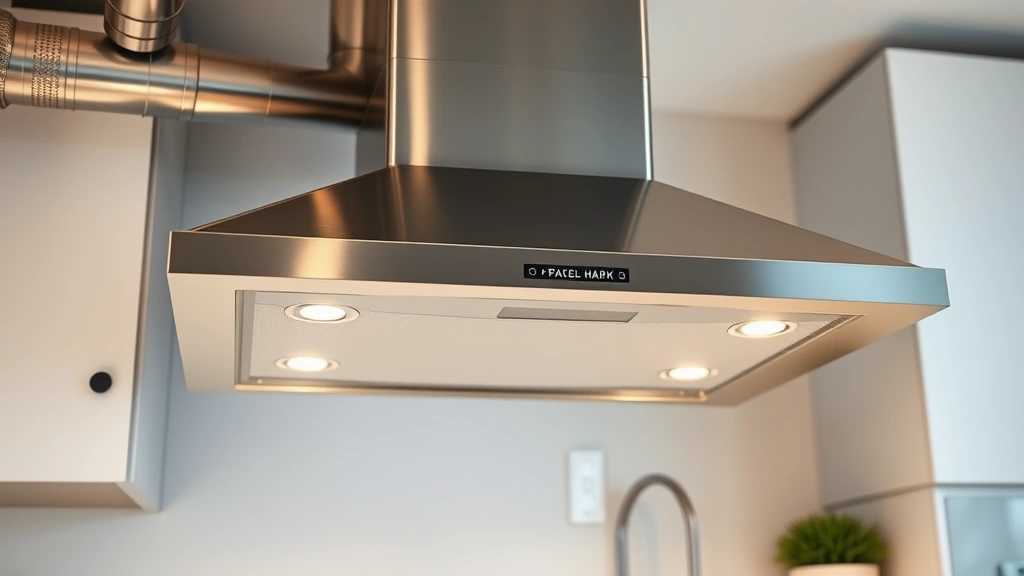
Proper ventilation becomes essential if you choose to use a 6 burner gas range. Installing a high-quality range hood with adequate capture and venting capacity (ideally venting completely outside rather than recirculating) can mitigate these concerns significantly. However, many homes lack the infrastructure for optimal ventilation, and retrofitting can be expensive and disruptive. This ventilation requirement adds both cost and complexity to the sustainability equation.
The environmental impact extends beyond your home as well. Nitrogen oxides released into the atmosphere contribute to ground-level ozone formation and particulate matter pollution, which affects broader air quality and public health. While individual gas ranges represent a small fraction of total NOx emissions, collective household cooking practices contribute meaningfully to urban air quality degradation.
Manufacturing and Material Sustainability
The production process for a 6 burner gas range involves significant material inputs and energy consumption. These appliances typically weigh 200-300 pounds and contain steel, aluminum, brass, and various electronic components. Mining, refining, and manufacturing these materials requires substantial energy and can generate environmental impacts in extraction regions.
Quality matters significantly in manufacturing sustainability. A well-built 6 burner gas range that lasts 15-20 years has a lower per-year environmental impact than a cheaper model requiring replacement in 7-10 years. Premium manufacturers often employ more efficient production processes, use recycled materials where possible, and design for repairability—all factors that improve lifecycle environmental performance.
When evaluating a specific model, research the manufacturer’s sustainability practices. Do they use renewable energy in production facilities? Do they minimize waste and water consumption? Are components designed for easy repair and replacement? These factors, while less visible than operational emissions, meaningfully contribute to the appliance’s total environmental footprint. Look for certifications from recognized standards organizations that verify manufacturing sustainability claims.
The packaging and transportation of a large appliance like a 6 burner gas range also contribute to its environmental impact. Shipping from manufacturing facilities to distribution centers to your home generates carbon emissions. Choosing a locally-distributed model or coordinating delivery with other purchases to consolidate transportation can marginally reduce this impact.
Longevity and Lifecycle Considerations
One of the strongest sustainability arguments for a 6 burner gas range relates to durability and longevity. Quality gas ranges often outlast their electric counterparts, with many commercial-grade models functioning reliably for 20+ years. From a lifecycle perspective, an appliance that serves your household for two decades has a significantly lower annual environmental impact than one replaced every 8-10 years.
The manufacturing phase represents a substantial portion of an appliance’s total environmental impact—often 20-40% of lifetime emissions depending on the product. Therefore, maximizing the useful life of your cooking equipment becomes a legitimate sustainability strategy. If you’re choosing between a high-quality 6 burner gas range designed for longevity and a cheaper electric alternative with questionable durability, the gas option might actually present a better environmental profile.
Repairability significantly influences longevity. Gas ranges with readily available replacement parts and straightforward repair procedures can function effectively for decades. Before purchasing, investigate whether the manufacturer provides parts availability, repair documentation, and technician support. Some premium brands maintain parts availability for 20+ years, while budget models may become effectively unrepairable after 10 years when components become obsolete.
Consider also the embodied carbon in your existing appliances. If you currently own a functioning electric range, replacing it with a gas alternative simply to gain marginal efficiency improvements represents significant embodied carbon waste. The environmental cost of manufacturing a new appliance typically exceeds operational savings for several years, making retention of existing equipment often the most sustainable choice.
Making Your Gas Range More Eco-Friendly
If you’ve decided that a 6 burner gas range aligns with your needs and you’re committed to how to reduce your environmental footprint, several strategies can meaningfully improve its environmental performance.
Optimize ventilation: Install a properly sized, externally-vented range hood that captures cooking emissions effectively. Avoid recirculating hoods that simply filter and return air to your kitchen; true venting removes pollutants from your home entirely. Ensure your ventilation system is regularly maintained and filters are replaced according to manufacturer specifications.
Use appropriate cookware: Match pot and pan sizes to your burner sizes. Using a small pot on a large burner wastes significant heat energy. Cookware with flat bottoms and good thermal conductivity (such as stainless steel or copper-bottomed cookware) transfers heat more efficiently. Keeping lids on pots and pans reduces cooking time and energy consumption substantially.
Adopt efficient cooking techniques: Use residual heat by turning off burners a few minutes before food finishes cooking. Batch cooking and meal planning minimize the number of times you operate the range. Defrost frozen foods in the refrigerator rather than using stove heat. These behavioral modifications cost nothing but can reduce gas consumption by 10-20%.
Maintain your appliance: Regular cleaning of burner ports and ensuring proper gas flow optimization maintains efficiency. Have your range inspected annually by a qualified technician to identify and repair any gas leaks or combustion inefficiencies. A poorly maintained range operates less efficiently and may leak gas undetected.
Monitor and measure: Request your utility provider’s detailed usage data to track your natural gas consumption patterns. Identifying peak usage periods helps you adjust cooking habits accordingly. Some smart home systems can provide real-time energy monitoring, helping you optimize usage.
Alternative Cooking Solutions
Before committing to a 6 burner gas range, exploring alternatives provides important context for your decision. Each cooking technology presents distinct environmental tradeoffs worth considering.
Induction ranges: Modern induction cooktops represent the most energy-efficient electric cooking option, achieving 80-90% energy transfer efficiency. They provide responsive heat control approaching gas performance while consuming significantly less energy. However, they require compatible cookware and represent a substantial upfront investment. In regions with renewable-heavy electricity grids, induction cooking offers compelling environmental advantages over gas.
Electric coil and smooth-top ranges: These traditional electric options offer moderate efficiency (65-75%) at lower cost than induction. They work with any cookware and provide familiar cooking experiences. Their environmental impact depends heavily on your regional electricity grid composition.
Hybrid approaches: Some high-end ranges combine gas and induction capabilities, allowing you to use gas for certain applications while leveraging induction efficiency for others. These hybrid systems offer flexibility but at premium prices.
Convection and steam cooking: Advanced cooking technologies like convection ovens and steam-combination ovens can reduce overall cooking time and energy consumption for specific applications. Integrating these specialized tools with your primary cooking equipment may provide environmental benefits for your specific cooking patterns.
Exploring green technology innovations transforming our future in kitchen appliances reveals rapidly evolving options. Solar-powered outdoor cooking, advanced heat pump cooking systems, and smart appliances with AI-driven efficiency optimization represent emerging alternatives worth monitoring as technology matures and costs decline.
FAQ
Is natural gas considered a renewable or non-renewable energy source?
Natural gas is a non-renewable fossil fuel formed from ancient organic matter. While often positioned as a transition fuel cleaner than coal or oil, it remains fundamentally dependent on finite reserves and generates greenhouse gas emissions during extraction, transportation, and combustion. True renewable cooking energy would derive from solar, wind, or hydroelectric sources powering electric appliances.
How much more efficient is an induction cooktop compared to a gas range?
Induction cooktops achieve approximately 80-90% energy transfer efficiency, compared to 40-50% for gas ranges—a difference of roughly 40-50 percentage points. This means induction uses roughly half the energy for equivalent cooking tasks. However, the environmental benefit depends on your electricity grid’s carbon intensity.
Can I offset the emissions from my gas range through other household changes?
Yes, implementing broader sustainable energy solutions throughout your home can offset cooking-related emissions. Improving insulation, upgrading to heat pumps for heating and cooling, installing solar panels, and reducing overall electricity consumption all contribute to meaningful carbon reduction that may exceed gas range emissions.
What ventilation standards should I follow for a gas range?
The International Residential Code requires range hoods to exhaust a minimum of 100 CFM (cubic feet per minute) for electric ranges and 100 CFM per linear foot of range width for gas ranges. Many experts recommend 150+ CFM for adequate gas range ventilation. Professional installation ensuring proper ductwork and outdoor venting is essential for health and efficiency.
How do I know if my gas range is leaking?
Signs of gas leaks include a rotten egg smell (mercaptan added to natural gas for safety detection), hissing sounds near connections, or visible corrosion on brass fittings. Have a licensed technician inspect your range if you suspect leaks. Never attempt to detect leaks using flames; use soapy water to identify bubbles indicating gas escape.
Is it worth replacing a working electric range with a gas range for better cooking performance?
From an environmental perspective, replacing a functioning electric range with a gas alternative is generally not recommended. The manufacturing emissions from a new appliance typically exceed any operational benefits for several years. If cooking performance is your primary concern, consider adding supplementary cooking equipment (like a professional outdoor grill or specialized cooktop) rather than replacing your primary range.
What does the U.S. Department of Energy recommend for sustainable cooking appliances?
The DOE emphasizes matching appliance choice to your specific needs and regional electricity grid composition. They highlight that induction cooking offers superior efficiency, properly maintained gas ranges can be acceptable, and behavioral factors (cooking techniques, equipment maintenance) significantly influence overall environmental impact.


