Is a 6-Burner Gas Stove Efficient? Chef’s Review
When it comes to kitchen appliances, few decisions impact both your cooking experience and environmental footprint as significantly as choosing between a 6-burner gas stove and alternative cooking solutions. As a professional chef with over fifteen years of experience, I’ve worked extensively with various cooking equipment across commercial and residential kitchens. The question of efficiency—whether thermal, operational, or environmental—deserves a nuanced answer that goes beyond surface-level specifications.
A 6-burner gas stove offers substantial cooking capacity and impressive heat control, but efficiency depends on multiple factors including usage patterns, maintenance, insulation quality, and how you define efficiency itself. This comprehensive guide examines the thermal performance, environmental impact, cost considerations, and practical advantages of 6-burner gas stoves while exploring how they compare to modern alternatives and sustainable cooking practices.
Understanding Gas Stove Efficiency Metrics
Efficiency in cooking appliances isn’t a single measurement—it’s a multifaceted concept that includes thermal efficiency, energy conversion efficiency, and operational efficiency. When manufacturers discuss gas stove efficiency, they typically refer to thermal efficiency, which measures how much of the fuel’s energy actually transfers to your cookware and food versus escaping as waste heat.
A 6-burner gas stove typically achieves thermal efficiency between 70-85%, meaning that 70-85% of the natural gas energy heats your pans while 15-30% dissipates through the stove’s sides, venting system, and ambient air. This compares favorably to many electric coil stoves (around 65-75% efficiency) but slightly trails modern sustainable energy solutions like induction cooktops, which achieve 80-90% efficiency.
The distinction matters because higher thermal efficiency translates directly to lower energy consumption and reduced operational costs. However, overall sustainability requires considering the source of your gas (conventional natural gas versus biogas), the energy grid’s carbon intensity, and the appliance’s manufacturing footprint. For detailed context on environmental impact, explore our resource on how to reduce your environmental footprint.
Thermal Efficiency and Heat Transfer
The physics of gas stove efficiency reveals why professional chefs favor this cooking method despite environmental concerns. When you ignite a gas burner, the flame directly contacts the cookware’s bottom surface, creating immediate and responsive heat transfer. This direct contact mechanism explains gas stoves’ superior heat modulation—you can adjust flame intensity instantly and achieve precise temperature control impossible with electric coils.
The six-burner configuration distributes cooking capacity across multiple independently controlled flames, each typically rated between 8,000 and 18,000 BTU (British Thermal Units). A standard home requires 8,000-12,000 BTU per burner for adequate cooking power, while professional-grade burners often exceed 15,000 BTU for rapid heating and high-heat cooking techniques like searing and stir-frying.
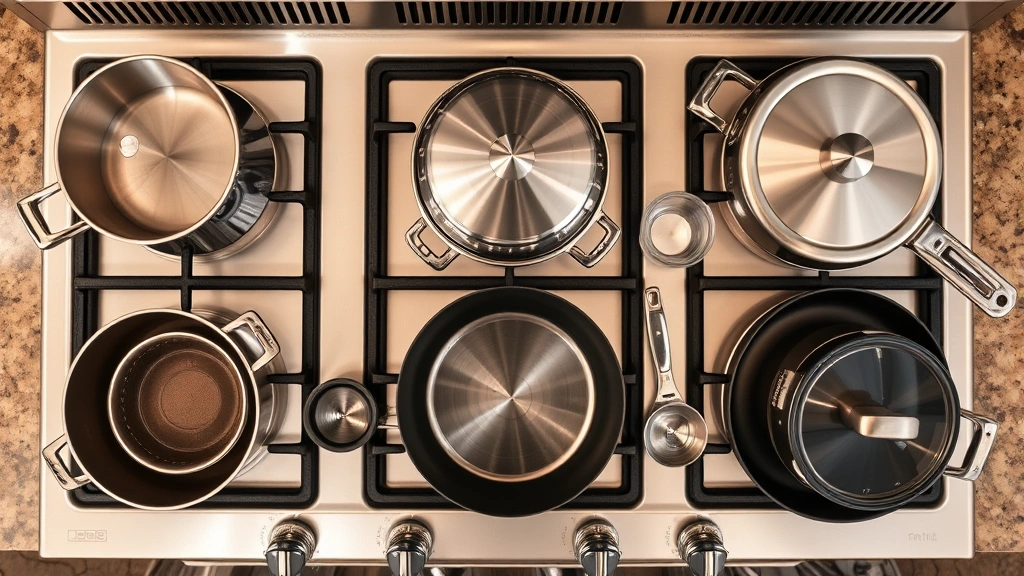
However, efficiency diminishes when burner size mismatches your cookware. Using a small saucepan on a large burner wastes significant energy through lateral heat dissipation around the pan’s edges. Modern efficient 6-burner gas stoves incorporate burners of varying sizes—typically 9,000, 12,000, and 15,000 BTU options—allowing you to match burner output to cookware dimensions. This design consideration significantly improves practical efficiency, reducing wasted energy by 10-15% compared to uniform-size burner configurations.
Environmental Impact Considerations
While gas stoves demonstrate strong thermal efficiency, their environmental profile proves more complex. Natural gas, primarily methane, represents a fossil fuel with substantial carbon emissions. According to the EPA’s assessment of gas stove emissions, combustion produces carbon dioxide, nitrogen oxides, and other pollutants that contribute to climate change and indoor air quality degradation.
A 6-burner gas stove operating for one hour at moderate heat consumption produces approximately 0.4-0.6 pounds of CO2 equivalent, depending on local natural gas composition and electricity grid carbon intensity. Over a year, assuming average household use (5-7 hours weekly), this translates to roughly 100-150 pounds of CO2 annually from cooking alone.
The environmental equation shifts considerably when considering grid electricity composition. If your region relies heavily on renewable energy sources (solar, wind, hydroelectric), electric or induction cooktops present lower lifecycle emissions. Conversely, in regions dependent on fossil fuel power plants, gas stoves may produce comparable or lower emissions than electric alternatives due to their superior thermal efficiency.
Additionally, methane leakage from natural gas distribution networks represents a significant environmental concern. Even small leaks during extraction, processing, and transportation amplify methane’s greenhouse potential, as it traps atmospheric heat approximately 80 times more effectively than CO2 over a 20-year period.
Operating Costs and Energy Consumption
From a purely economic perspective, 6-burner gas stoves offer compelling value. Natural gas costs approximately $0.03-0.05 per kilowatt-hour equivalent across most U.S. markets, while electricity averages $0.12-0.15 per kilowatt-hour. This substantial price differential makes gas cooking roughly 50-75% cheaper than electric alternatives in most regions.
A typical household using a gas stove for cooking (not heating) spends $15-30 monthly on cooking-related natural gas consumption. The same household switching to electric cooking would incur $30-60 monthly electricity costs for equivalent cooking output. Over ten years, this cost difference accumulates to $1,800-5,400, representing significant household budget impact.
However, this calculation omits several factors affecting true operational efficiency. Gas stove installation requires professional venting, which adds $500-1,500 to initial costs and may necessitate kitchen renovations. Maintenance costs also differ—gas stoves require occasional professional servicing ($100-200 annually) to ensure optimal combustion and safety, while electric cooktops involve minimal maintenance expenses.
The real efficiency advantage of 6-burner gas stoves emerges in high-use kitchens. Professional and serious home cooks utilizing multiple burners simultaneously achieve superior efficiency because they’re actively using available capacity rather than heating unused equipment. In contrast, households with light cooking loads may achieve better cost efficiency through smaller, single-burner electric units that consume less standby energy.
Design Features That Enhance Efficiency
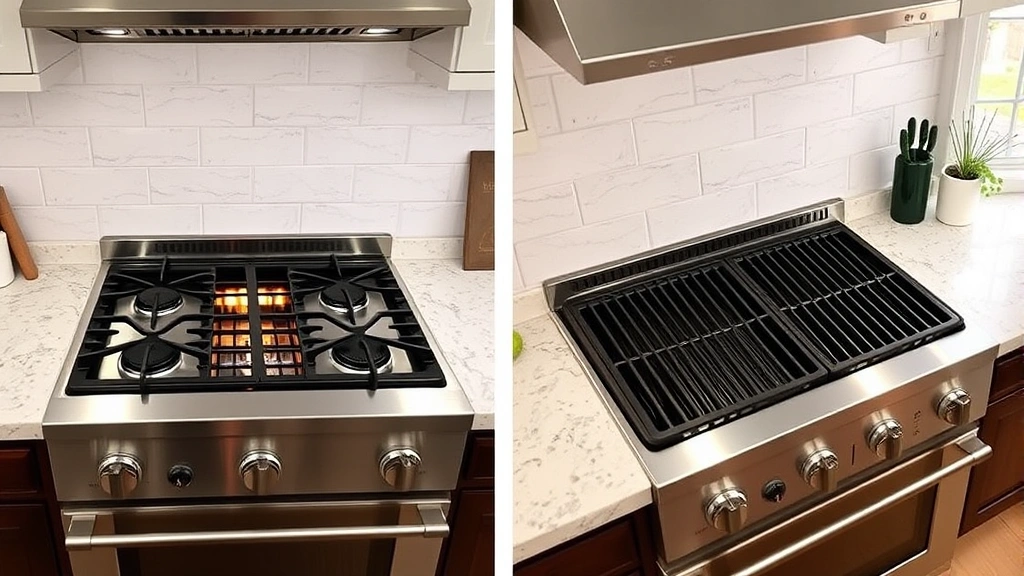
Modern 6-burner gas stoves incorporate several design innovations that significantly improve efficiency beyond basic thermal performance. Premium models feature sealed burners that prevent spillage from dripping into the stove’s interior, reducing cleaning requirements and preventing efficiency-degrading blockages. These sealed designs also improve safety by containing flames more effectively.
Continuous grates spanning the entire cooktop surface represent another efficiency enhancement. Rather than individual burner grates, continuous grates allow flexible cookware placement, enabling you to position pans optimally over burner flames. This flexibility reduces the need for unnecessary burner adjustments and minimizes heat waste from misaligned cookware.
Convection features in oven components of 6-burner ranges substantially improve baking and roasting efficiency. Convection fans circulate heated air throughout the oven cavity, creating more uniform temperature distribution and reducing cooking time by 20-30%. This efficiency gain translates directly to reduced gas consumption and faster meal preparation.
Insulation quality profoundly affects overall stove efficiency. Higher-end models feature improved oven insulation with thicker walls and superior gaskets, maintaining internal temperatures more effectively and reducing heat loss. Quality gaskets around oven doors prevent warm air escape, improving efficiency by 5-10% compared to standard models.
Electronic ignition systems represent significant efficiency improvements over traditional pilot lights. Pilot lights consume gas continuously throughout the day, wasting substantial energy even when the stove remains unused. Electronic ignition eliminates this parasitic consumption, saving approximately 10-15% on gas bills while improving safety and convenience.
Comparing Gas to Electric and Induction
Understanding how 6-burner gas stoves compare to alternatives clarifies their efficiency position within the broader cooking appliance landscape. Electric coil stoves, the traditional alternative, offer lower upfront costs ($400-800) but sacrifice efficiency and cooking control. Coil heating requires 10-15 minutes to reach full temperature, and heat adjustment occurs in discrete steps rather than continuously, limiting cooking precision.
Smooth-top electric ranges improve upon coils, offering better aesthetics and easier cleaning, but maintain similar efficiency levels (65-75%). These models appeal to households prioritizing appearance and maintenance ease over cooking performance, but they consume more energy than gas alternatives for equivalent cooking tasks.
Induction cooktops represent the efficiency frontier, achieving 80-90% thermal efficiency through magnetic field technology that heats cookware directly while leaving the cooktop surface cool. This superior efficiency appeals to environmentally conscious households, particularly in regions with renewable-heavy electricity grids. However, induction requires compatible ferromagnetic cookware, limiting flexibility for cooks with extensive stainless steel or copper collections. Additionally, induction cooktops cost significantly more ($1,200-3,000) than comparable gas ranges.
For sustainable cooking practices, explore our comprehensive guide on green technology innovations transforming our future to understand how modern appliances fit within broader sustainability strategies.
The efficiency comparison ultimately depends on your region’s electricity grid composition. In areas with high renewable energy penetration, induction cooktops present the most sustainable choice. In regions relying on fossil fuel power plants, efficient 6-burner gas stoves may produce lower lifecycle emissions while offering superior cooking performance and lower operating costs.
Practical Tips for Maximizing Efficiency
Even with an efficient 6-burner gas stove, deliberate cooking practices substantially impact overall energy consumption. Matching cookware to burner size represents the single most impactful efficiency improvement—using appropriately sized cookware reduces energy waste by 10-25% compared to mismatched configurations. Small saucepans belong on small burners, while large stockpots require burners with adequate flame coverage.
Utilizing cookware with flat, heavy bottoms optimizes heat transfer and reduces cooking time. Warped or thin-bottomed cookware creates air gaps that impede heat transmission, forcing the stove to work harder and longer to achieve desired temperatures. Quality cookware investment pays dividends through improved efficiency and better cooking results.
Covering pots and pans with lids dramatically reduces cooking time and energy consumption by 20-30%. Lids trap steam and heat, accelerating cooking processes and reducing the burner output required to maintain desired temperatures. This simple practice represents perhaps the easiest efficiency improvement available to any cook.
Preheating cookware before adding ingredients improves efficiency by ensuring rapid, consistent heat distribution. Cold cookware absorbs substantial burner energy before reaching cooking temperatures, wasting energy that could be directed toward food preparation. This technique proves particularly valuable for high-heat cooking methods like searing.
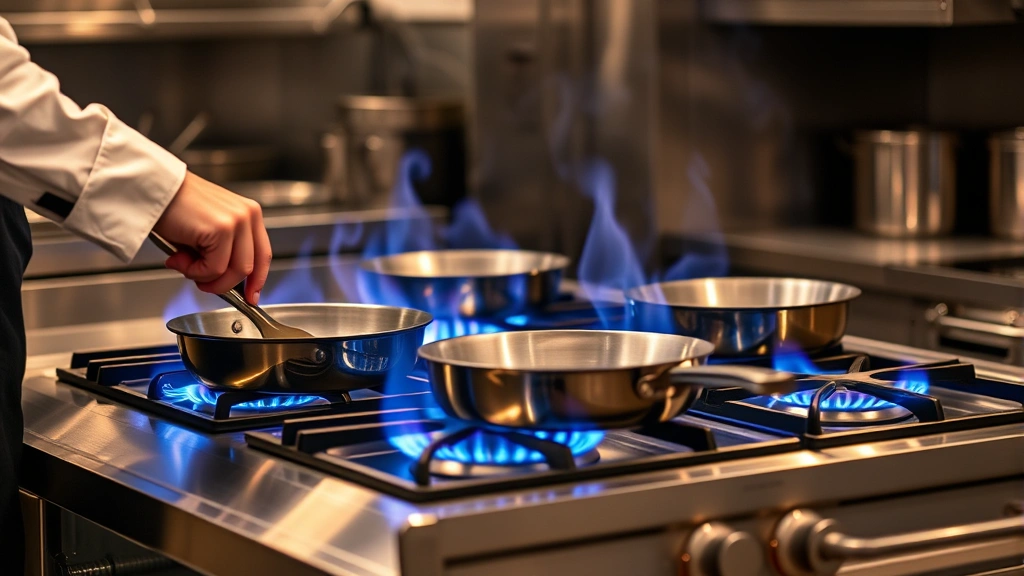
Monitoring flame characteristics ensures optimal combustion efficiency. Healthy gas flames appear blue with minimal yellow coloration. Yellow or orange flames indicate incomplete combustion, reducing efficiency and producing more pollutants. If you observe discolored flames, professional servicing can restore optimal combustion through burner cleaning or adjustment.
Utilizing residual heat by turning off burners before dishes complete cooking saves energy while maintaining food quality. The retained heat continues cooking for several minutes after flame extinguishment, reducing total burner runtime required for complete preparation.
Maintenance for Optimal Performance
Regular maintenance ensures your 6-burner gas stove operates at peak efficiency throughout its lifespan. Burner grates and caps accumulate food residue and mineral deposits that restrict gas flow, reducing flame intensity and heat output. Monthly cleaning with warm soapy water and gentle scrubbing maintains optimal burner performance and prevents efficiency degradation.
Sealed burner ports require occasional inspection to ensure they remain clear of blockages. Small food particles or mineral buildup can restrict gas flow, reducing burner efficiency by 5-15%. Using a straightened paper clip to carefully clear burner ports restores optimal performance and prevents costly professional servicing.
Oven seals and gaskets deteriorate over time, allowing heated air to escape and reducing oven efficiency. Annual inspection of door gaskets for visible gaps or deterioration, followed by replacement if necessary, maintains oven efficiency. Quality replacement gaskets cost $20-50 but prevent 5-10% efficiency losses.
Professional servicing every 1-2 years ensures combustion efficiency and safety. Technicians can clean internal burner components, adjust air-to-gas ratios for optimal combustion, and identify potential safety issues. This investment ($100-200) preserves efficiency while preventing dangerous situations.
For broader context on sustainable practices beyond cooking, review the SustainWise Hub Blog for comprehensive sustainability insights.
FAQ
What does BTU mean in gas stove specifications?
BTU (British Thermal Unit) measures heat energy. One BTU represents the energy required to raise one pound of water’s temperature by one degree Fahrenheit. Gas burner BTU ratings indicate maximum heat output—higher BTU burners produce more intense flames for faster cooking. Standard home cooking typically requires 8,000-12,000 BTU per burner, while professional cooking often utilizes 15,000+ BTU burners.
How much does a 6-burner gas stove cost compared to electric alternatives?
Quality 6-burner gas ranges cost $1,200-3,500, comparable to mid-range electric ranges. However, gas installation requires professional venting ($500-1,500), potentially increasing total investment. Despite higher upfront costs, lower operating expenses typically offset installation costs within 3-5 years through reduced energy bills, particularly for households with moderate-to-heavy cooking usage.
Do gas stoves require special ventilation?
Yes, gas stoves require proper ventilation to safely remove combustion byproducts and moisture. Building codes mandate range hoods venting to exterior spaces, typically requiring 200-400 CFM (cubic feet per minute) airflow capacity. Improper ventilation can allow nitrogen oxides and moisture to accumulate indoors, degrading air quality and increasing moisture-related problems.
Are 6-burner gas stoves safe for home use?
Modern 6-burner gas stoves incorporate multiple safety features including automatic ignition shutoff, flame failure detection, and child-safety locks. When properly installed, vented, and maintained, gas stoves present no greater safety risks than electric alternatives. However, improper installation or inadequate ventilation can create safety hazards, emphasizing the importance of professional installation.
Can I use any cookware on a gas stove?
Gas stoves accommodate any cookware type—stainless steel, cast iron, copper, glass, and aluminum all function effectively. The primary consideration involves matching cookware bottom flatness to burner flame patterns. Curved or warped bottoms reduce heat transfer efficiency and may create stability issues. Unlike induction cooktops, gas stoves don’t require magnetic cookware, offering complete flexibility in cookware selection.
How does gas stove efficiency compare to modern sustainable alternatives?
Thermal efficiency-wise, quality 6-burner gas stoves (70-85%) trail induction cooktops (80-90%) but exceed electric coils (65-75%). However, lifecycle efficiency depends on electricity grid composition. In regions with renewable energy, induction offers superior sustainability. Where fossil fuels dominate electrical grids, efficient gas stoves may present lower total emissions while providing superior cooking control and lower operating costs. For comprehensive sustainability information, consult the definition of sustainability resource.
What’s the average lifespan of a 6-burner gas stove?
Quality 6-burner gas ranges typically last 15-20 years with proper maintenance. Commercial-grade models sometimes exceed 25 years of reliable service. Lifespan depends significantly on usage patterns, maintenance consistency, and component quality. Regular maintenance extends lifespan by preventing premature component failure and maintaining efficiency throughout the appliance’s operational life.