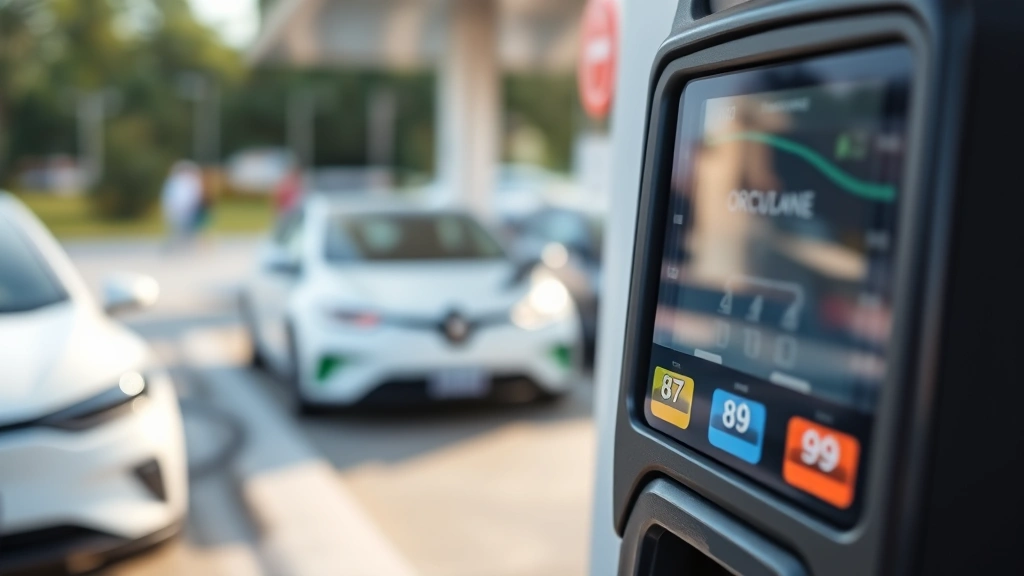
Is 93 Octane Gas More Eco-Friendly? Research Insight
When you pull up to the gas pump, you’ve likely noticed the array of octane options: 87, 89, and 93. Many drivers wonder whether choosing a higher octane fuel like 93-octane gas offers environmental benefits alongside potential engine performance gains. The answer is more nuanced than a simple yes or no—it depends on your vehicle, driving habits, and how you define ecological impact. Understanding the relationship between fuel octane ratings and environmental sustainability requires examining fuel composition, engine efficiency, emissions, and the broader context of automotive fuel consumption.
The misconception that higher octane automatically means cleaner or more environmentally friendly fuel persists in many communities. In reality, octane rating measures fuel’s resistance to engine knock, not its environmental properties or energy content. However, the choice between octane grades does carry implications for your vehicle’s performance, fuel efficiency, and overall carbon footprint. By exploring the science behind octane ratings and their environmental consequences, you can make more informed decisions at the pump that align with your sustainability goals.
Understanding Octane Ratings and Environmental Impact
Octane rating is fundamentally a measurement of a fuel’s ability to resist spontaneous ignition under compression, not a measure of its environmental friendliness or quality. The scale ranges from 0 to 100, with regular unleaded gasoline typically rated at 87 octane, mid-grade at 89 octane, and premium at 91-93 octane. When fuel detonates prematurely in your engine—a phenomenon called knocking or pinging—it can reduce efficiency and increase emissions. However, this doesn’t mean 93 octane automatically produces fewer emissions than 87 octane.
The environmental impact of your fuel choice depends primarily on whether your specific vehicle actually requires higher octane gasoline. Most vehicles on the road today are engineered to run optimally on 87-octane fuel. Using 93 octane in a car designed for 87 octane provides no performance benefit and wastes money without environmental advantage. Conversely, using 87 octane in an engine designed for 93 octane can cause knock, reducing efficiency and increasing harmful emissions. Understanding your vehicle’s manufacturer specifications is the first step toward making an environmentally conscious fuel choice.
Research from the U.S. Environmental Protection Agency (EPA) indicates that using the correct octane grade for your vehicle is more important than choosing the highest available octane. Your vehicle’s engine control system is calibrated for a specific fuel type, and deviating from manufacturer recommendations doesn’t improve environmental performance. The real sustainability benefit comes from driving habits, vehicle maintenance, and choosing fuel-efficient vehicles rather than obsessing over octane ratings.

Fuel Composition and Emissions Differences
While octane rating itself doesn’t determine environmental impact, the base fuel stock and additives used in premium gasoline may differ slightly from regular grades. Some refineries use different crude oil sources, hydrocarbon blends, and processing methods for premium fuel. These variations can theoretically affect emissions profiles, but the differences are typically minimal and inconsistent across fuel brands and regions.
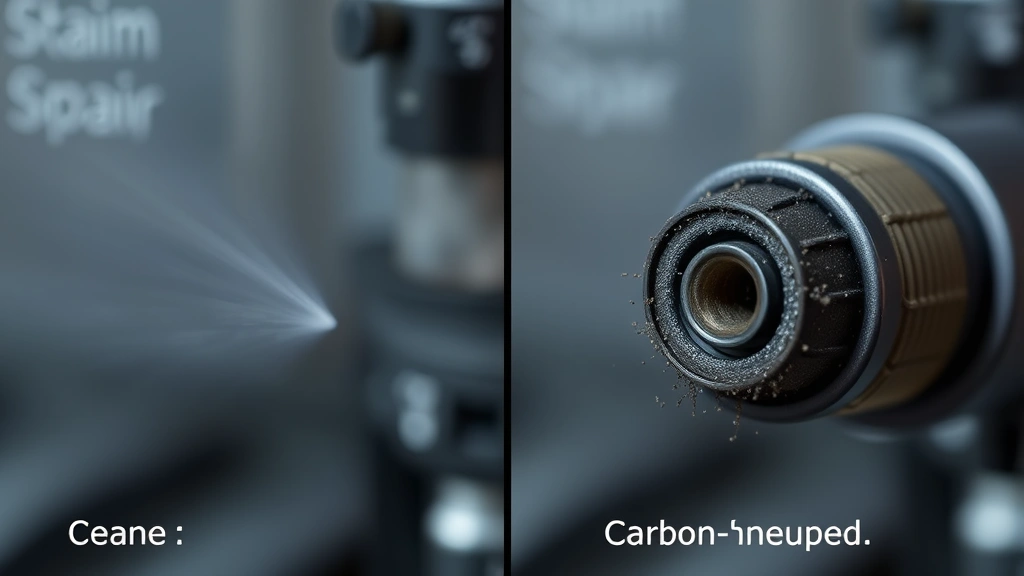
Premium gasoline often contains higher concentrations of detergents and performance-enhancing additives designed to keep fuel injectors clean and improve combustion efficiency. These additives can reduce carbon buildup in engines, which may marginally improve emissions for high-performance vehicles or older engines with deposits. However, most modern vehicles benefit from the standard fuel additives required by the EPA, which are present in all grades of gasoline sold in the United States.
The combustion chemistry of different octane fuels is remarkably similar in modern engines. Both 87 and 93 octane gasoline contain similar hydrocarbons and produce comparable emissions when burned completely. The key factor isn’t the octane rating but rather complete, efficient combustion. An engine running on the correct fuel for its design specifications will achieve optimal combustion, minimizing unburned hydrocarbons, nitrogen oxides (NOx), and particulate matter that contribute to air pollution and climate change.
Engine Efficiency and Fuel Consumption
The most significant environmental consideration when choosing between octane grades relates to fuel efficiency. If your vehicle’s manufacturer recommends 93 octane and you use 87, your engine may experience knock, forcing the engine control computer to retard timing and reduce efficiency. This can increase fuel consumption by 2-5%, directly increasing your carbon footprint and emissions. Conversely, if your manufacturer recommends 87 octane and you use 93, you’re paying premium prices for fuel your engine cannot fully utilize, wasting money without environmental benefit.
Modern vehicles with direct injection engines and turbocharged systems often require premium fuel because their combustion chambers operate at higher pressures and temperatures. These vehicles are engineered to maximize efficiency with higher octane fuel, extracting more energy per gallon. Using the specified fuel grade ensures you achieve the fuel economy the manufacturer designed your vehicle to deliver. This directly supports sustainable energy solutions by reducing overall fuel consumption.
Fuel efficiency improvements from using the correct octane grade are modest but meaningful when multiplied across millions of vehicles. If 10% of drivers using 87-octane vehicles switched to 93 octane unnecessarily, the aggregate waste would be millions of gallons annually. Conversely, ensuring every vehicle uses its specified fuel grade optimizes the collective efficiency of the transportation sector. This is why the EPA emphasizes checking your owner’s manual rather than automatically assuming premium fuel is better.
The Role of Detergents and Additives
Premium gasoline often contains more robust detergent packages designed to prevent carbon deposits in fuel injectors and intake valves. Fuel injector cleanliness directly affects combustion efficiency and emissions. A vehicle with clean fuel injectors burns fuel more completely, producing fewer emissions and using less fuel to achieve the same performance. This is one area where 93 octane may offer a legitimate environmental advantage, though it depends on your vehicle’s condition and driving patterns.
If you drive in stop-and-go city traffic or use low-quality fuel, carbon deposits accumulate more readily. These deposits disrupt the fuel spray pattern from injectors, reducing combustion efficiency. Using premium fuel with superior detergents can help prevent or reduce this buildup, maintaining engine efficiency. However, fuel brands matter significantly here—a quality 87-octane fuel from a major brand with excellent detergents may perform better than budget-brand 93 octane with minimal additive packages.
The EPA requires all gasoline sold in the United States to contain minimum detergent levels under the Tier 2 Gasoline Sulfur Program. This means even regular 87-octane fuel contains detergents proven to keep engines reasonably clean. The additional detergents in premium fuel provide marginal benefits for most vehicles, not transformative environmental improvements. If you’re concerned about deposit buildup, using quality fuel from major brands and performing regular vehicle maintenance is more impactful than focusing on octane ratings.
Real-World Emissions Testing Results
Independent testing organizations and automotive researchers have conducted numerous studies comparing emissions from different octane fuels. The findings consistently show that octane rating itself has minimal direct impact on tailpipe emissions. When vehicles are operated on their manufacturer-specified fuel grade, emissions profiles remain remarkably consistent regardless of whether the fuel is 87, 89, or 93 octane.
A comprehensive study by the National Highway Traffic Safety Administration (NHTSA) examined fuel efficiency and emissions across thousands of vehicles using different octane grades. The research demonstrated that the largest emissions and efficiency variations came from vehicle maintenance, driving behavior, and traffic conditions—not fuel octane. Vehicles with properly maintained engines running on their specified fuel grade produced significantly lower emissions than poorly maintained vehicles regardless of octane choice.
The most relevant finding for environmentally conscious drivers is that fuel efficiency matters far more than octane selection. A vehicle achieving 28 miles per gallon on 87 octane produces fewer lifetime emissions than a vehicle achieving 22 miles per gallon on 93 octane, simply because it consumes less fuel overall. This principle highlights why understanding your specific vehicle’s requirements and maintaining it properly supersedes general assumptions about premium fuel superiority.
Research from the International Council on Clean Transportation (ICCT) shows that real-world emissions depend far more on vehicle technology, engine age, and operating conditions than fuel grade. Modern engines with sophisticated emission control systems produce dramatically lower emissions than vehicles from 20 years ago, regardless of fuel octane. This suggests that vehicle selection and replacement cycles are far more impactful environmental decisions than micromanaging octane choices.
Cost-Benefit Analysis for Sustainability
From a purely economic and environmental perspective, using the correct fuel grade for your vehicle represents sound sustainability practice. Premium gasoline costs 20-50 cents more per gallon than regular, adding $200-400 annually for a typical driver filling up weekly. This cost provides no environmental benefit if your vehicle doesn’t require it. Instead, that money could fund more impactful sustainability choices like vehicle maintenance, improved tire pressure, or eventually upgrading to a more fuel-efficient vehicle.
The U.S. Department of Energy’s fuel economy website provides data showing that fuel costs represent one of the largest expenses over a vehicle’s lifetime. Unnecessarily spending premium prices on fuel you don’t need directly reduces your ability to invest in other sustainability measures. Money saved by using appropriate fuel grades could fund public transportation passes, bicycle infrastructure, or contributions to environmental organizations working on climate solutions.
For vehicles that do require premium fuel, the cost becomes an investment in maintaining engine efficiency and longevity. Using the correct fuel helps ensure your vehicle operates at peak efficiency throughout its lifespan, spreading its manufacturing carbon footprint across more efficient years. This is why vehicles engineered for 93 octane represent a better environmental choice when purchased new—their design assumes premium fuel and optimizes efficiency accordingly.
Understanding the total cost of ownership and environmental impact of your vehicle is crucial. A vehicle requiring premium fuel but achieving excellent fuel economy may be more sustainable than a vehicle accepting regular fuel but consuming significantly more. The broader sustainability context matters more than individual fuel choices.
Alternatives to Higher Octane Fuels
Rather than debating octane ratings, environmentally conscious drivers should focus on more impactful alternatives and strategies. The most significant step toward reducing transportation emissions is exploring advantages of electric vehicles and other zero-emission transportation options. Electric vehicles eliminate tailpipe emissions entirely, representing a transformative shift toward sustainable mobility far more significant than fuel grade optimization.
For drivers committed to gasoline vehicles, several practical alternatives to premium fuel include:
- Maintaining proper tire pressure: Under-inflated tires increase rolling resistance, reducing fuel economy by 3-5%. Checking tire pressure monthly is free and highly impactful.
- Regular engine maintenance: Clean air filters, fresh oil, and properly functioning oxygen sensors optimize combustion and efficiency.
- Driving behavior modifications: Smooth acceleration, maintaining steady speeds, and reducing idling can improve fuel economy by 10-15%.
- Trip consolidation: Combining errands into single trips reduces overall fuel consumption significantly.
- Choosing fuel-efficient vehicles: When purchasing vehicles, prioritizing fuel economy has far greater environmental impact than managing octane in current vehicles.
These alternatives typically cost nothing or minimal amounts while delivering substantial environmental benefits. They represent more rational sustainability investments than obsessing over octane ratings for vehicles that don’t require premium fuel.
For those interested in deeper sustainability engagement, exploring green technology innovations transforming our future reveals that the transportation sector is undergoing rapid transformation. Battery electric vehicles, hydrogen fuel cells, and synthetic sustainable fuels represent the future of automotive propulsion. These emerging technologies will eventually render the octane debate moot by eliminating petroleum fuel dependence entirely.
Understanding the definition of sustainability helps contextualize fuel choices within broader environmental goals. True sustainability involves reducing overall consumption, minimizing waste, and making decisions that preserve resources for future generations. Unnecessarily purchasing premium fuel when regular fuel suffices contradicts these principles by wasting resources without environmental benefit.
Finally, implementing strategies to reduce your environmental footprint should prioritize high-impact changes. Transportation represents approximately 27% of U.S. greenhouse gas emissions. Shifting to electric vehicles, using public transportation, walking, or cycling delivers far greater environmental impact than fuel grade optimization. These choices address the root of transportation emissions rather than tweaking fuel specifications.
FAQ
Does 93 octane gas produce fewer emissions than 87 octane?
No, octane rating does not determine emissions levels. Both 87 and 93 octane gasoline produce comparable emissions when burned in engines designed for their respective grades. Emissions depend on engine efficiency, combustion completeness, and vehicle maintenance—not fuel octane. Using fuel your engine isn’t designed for actually increases emissions by reducing efficiency.
Will using premium gas improve my car’s fuel economy?
Only if your vehicle’s manufacturer specifies premium fuel. Using 93 octane in a vehicle designed for 87 octane provides no fuel economy improvement and wastes money. Conversely, using 87 octane in an engine requiring 93 octane may reduce fuel economy by 2-5% due to knock and timing retardation. Check your owner’s manual for specifications.
Is premium gasoline cleaner or more environmentally friendly?
Premium gasoline may contain more robust detergent packages that help prevent fuel injector deposits, potentially maintaining engine efficiency. However, all gasoline sold in the U.S. must meet EPA minimum detergent requirements. The environmental benefit of premium fuel is marginal for most vehicles and depends more on fuel brand quality than octane rating.
What’s the best way to reduce my car’s environmental impact?
Prioritize high-impact strategies: maintain proper tire pressure, perform regular maintenance, drive smoothly, consolidate trips, and eventually transition to electric vehicles. These changes deliver far greater environmental benefits than obsessing over octane ratings. Using the correct fuel grade for your vehicle is important but represents just one element of sustainable driving.
Should I switch to premium fuel to save the environment?
No. If your vehicle requires regular 87 octane fuel, switching to 93 octane wastes money without environmental benefit. Invest those savings in vehicle maintenance, public transportation, or eventually purchasing a more efficient or electric vehicle. These choices provide genuine environmental value.
How do I know what octane my vehicle requires?
Check your vehicle’s owner’s manual—it specifies the minimum required octane rating. You’ll also find this information on a label inside the fuel door and on manufacturer websites. Using the specified grade optimizes your vehicle’s efficiency and environmental performance.


