Gas Truffle Seeds: Sustainable Farming Guide
Gas truffles represent an innovative intersection of gourmet cultivation and environmental stewardship. These prized fungi, scientifically cultivated through specialized seed production methods, offer farmers a sustainable alternative to traditional truffle harvesting while maintaining exceptional quality and yield. Understanding gas truffle seeds requires exploring their unique growing requirements, environmental benefits, and practical implementation strategies for modern sustainable agriculture.
The cultivation of gas truffle seeds has emerged as a game-changing approach for farmers seeking to reduce their ecological footprint while producing premium crops. Unlike conventional truffle farming, which often relies on wild harvesting and destructive forest practices, seed-based cultivation allows for controlled, regenerative agricultural systems that enhance soil health and biodiversity. This comprehensive guide explores everything you need to know about implementing gas truffle seed farming on your property.
What Are Gas Truffle Seeds
Gas truffle seeds are specially propagated fungal spores and mycelium cultures developed through advanced mycological techniques. Unlike traditional truffle cultivation that depends on wild spore distribution, gas truffle seeds provide farmers with a reliable, consistent method to establish productive truffle beds. These seeds contain viable genetic material capable of forming the symbiotic relationships necessary for fruiting body development.
The term “gas truffle” specifically refers to varieties optimized for controlled-environment cultivation, where atmospheric conditions—including carbon dioxide levels and oxygen balance—play crucial roles in successful production. Modern seed development focuses on creating strains that respond predictably to environmental inputs, making farming more manageable and sustainable. When you explore our sustainability blog, you’ll discover how biotechnology advances have revolutionized gourmet mushroom production.
Quality gas truffle seeds originate from certified suppliers who maintain rigorous testing protocols. These suppliers ensure seeds are free from contaminants, properly stored at optimal temperatures, and packaged to preserve viability during transport. Investment in premium seeds directly correlates with cultivation success rates and final product quality.
Environmental Benefits of Sustainable Truffle Cultivation
Cultivating gas truffle seeds through sustainable methods delivers substantial environmental advantages compared to conventional farming approaches. Seed-based farming eliminates the need for destructive wild harvesting that degrades forest ecosystems and disrupts soil structures. By establishing controlled growing environments, farmers significantly reduce their overall ecological impact while supporting local biodiversity.
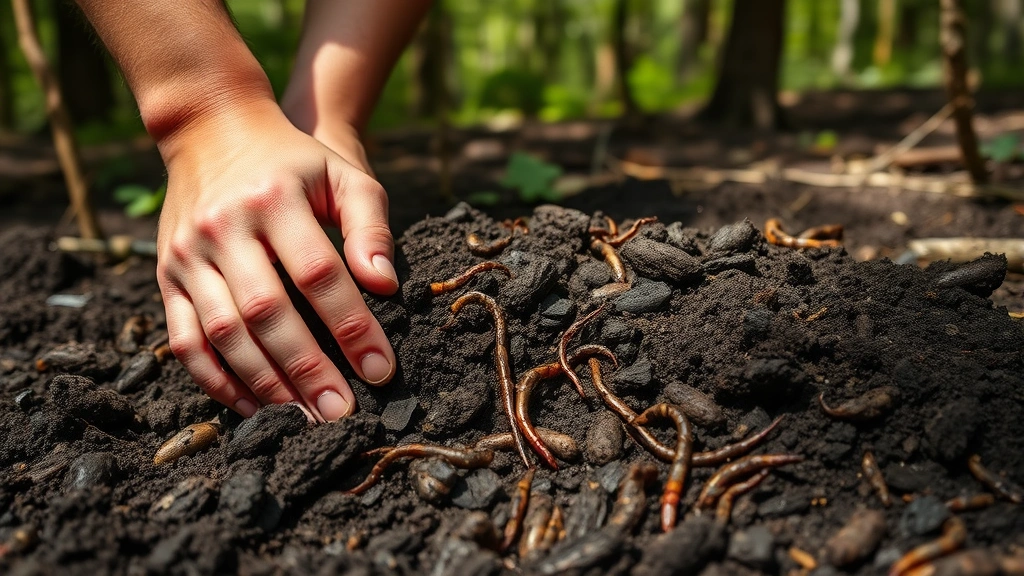
One primary environmental benefit involves soil regeneration. Gas truffle farming practices incorporate cover cropping, composting, and minimal tillage techniques that build soil organic matter and enhance microbial communities. These practices improve water retention, increase carbon sequestration, and create healthier agricultural systems that benefit future generations. Understanding sustainable energy solutions becomes particularly relevant when optimizing controlled-environment growing facilities.
Water conservation represents another critical environmental advantage. Sustainable gas truffle cultivation employs drip irrigation systems, mulching strategies, and moisture monitoring technologies that reduce water consumption by up to 40% compared to traditional methods. These conservation techniques prove especially valuable in water-scarce regions where agricultural demands strain local resources.
The reduction of chemical inputs delivers measurable ecosystem benefits. Organic gas truffle farming eliminates synthetic pesticides and fertilizers, protecting groundwater quality and beneficial insect populations. Farmers implementing these practices often notice increased pollinator activity and improved overall farm biodiversity within two to three growing seasons.
Soil Preparation and Site Selection
Successful gas truffle seed cultivation begins with meticulous site selection and soil preparation. Truffles thrive in well-draining, slightly alkaline soils with pH levels between 7.5 and 8.5. Before planting, conduct comprehensive soil testing through certified agricultural laboratories to determine pH, nutrient content, organic matter percentages, and microbial populations.
Site selection should prioritize locations with partial shade, good air circulation, and protection from extreme weather events. Ideal growing sites feature mature tree canopies that filter intense sunlight while maintaining adequate light penetration. Many successful farmers establish gas truffle beds beneath oak, hazel, or pine trees, which form beneficial mycorrhizal associations with truffle mycelium.
Soil amendment protocols vary based on initial soil composition. Most gas truffle operations require incorporating 2-4 inches of high-quality compost enriched with beneficial microorganisms. This organic amendment improves soil structure, enhances nutrient availability, and establishes the microbial foundation necessary for truffle development. Some farmers add crushed limestone to raise soil pH when necessary, though this process should occur several months before planting to allow proper integration.
Creating raised beds or mounds improves drainage while simplifying management. Many sustainable operations construct beds using untreated wood or stone borders, which allow easy access for monitoring and maintenance. Proper bed construction prevents waterlogging—a primary cause of seed failure—while facilitating air circulation essential for healthy mycelium development.
Planting and Growth Optimization
Gas truffle seed planting requires precise timing and technique for optimal results. Spring planting—after the last frost—proves most successful in temperate climates, allowing seedlings to establish before winter dormancy. Autumn planting works in milder regions where soil temperatures remain above 50°F through early winter months.
Planting depth significantly impacts germination success. Gas truffle seeds should be placed 1-2 inches below soil surface, positioned near the base of host trees where mycorrhizal connections form most readily. Spacing recommendations typically suggest 3-5 feet between planting sites, allowing adequate room for mycelium expansion and fruiting body development without excessive competition.
Inoculation techniques have evolved considerably with modern mycological understanding. Many growers now employ spawn runs—where mycelium colonizes prepared substrate before introduction to field conditions. This approach dramatically improves establishment rates and reduces early-stage failures. Some operations utilize energy-efficient cultivation methods to maintain optimal temperature and humidity during critical growth phases.
Growth optimization involves monitoring mycelium development through regular soil sampling. Healthy mycelium should visibly colonize surrounding soil within 4-6 weeks of planting. If colonization stalls, investigate potential issues including improper pH, inadequate organic matter, or competing fungal species. Addressing these problems promptly prevents complete crop loss and maintains long-term soil health.
Temperature management remains crucial throughout the growing season. Gas truffles prefer soil temperatures between 55-70°F, with consistent moisture levels maintained between 60-70% of soil capacity. Excessive heat or cold stress inhibits mycelium development and delays fruiting. Mulching—applying 2-3 inches of organic material around growing sites—naturally regulates soil temperature while improving moisture retention.
Water Management and Conservation
Water management represents one of the most critical factors determining gas truffle cultivation success. While truffles require consistent moisture, they cannot tolerate waterlogged conditions that promote root rot and competing fungal species. Implementing sophisticated irrigation systems that deliver precise water quantities at optimal times maximizes yield while minimizing waste.
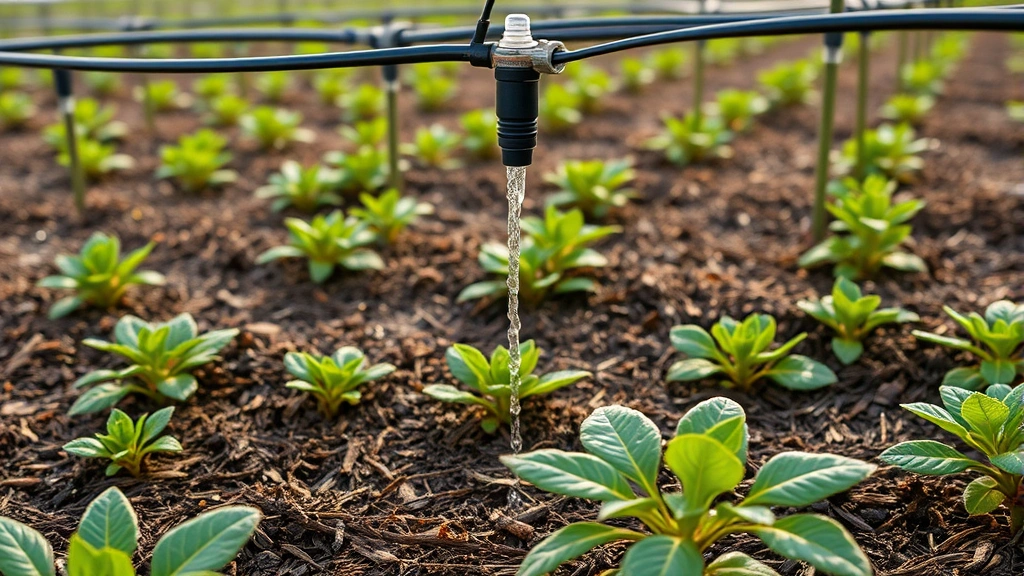
Drip irrigation systems prove particularly effective for gas truffle farming. These systems deliver water directly to the soil zone where mycelium concentrates, reducing evaporative losses and surface water runoff. Automated systems with soil moisture sensors adjust water delivery based on real-time soil conditions, preventing both drought stress and excessive moisture. Installing drip systems typically increases water efficiency by 30-50% compared to conventional overhead irrigation.
Mulching strategies complement irrigation efforts while delivering multiple benefits. Organic mulch—including straw, wood chips, or compost—maintains soil moisture, regulates temperature fluctuations, and gradually decomposes to enhance soil structure. As mulch breaks down, it introduces additional organic matter that sustains the microbial communities essential for truffle development. Refreshing mulch annually ensures continued effectiveness and prevents pathogen accumulation.
Rainwater harvesting systems capture seasonal precipitation for irrigation during dry periods. Installing collection systems on farm buildings and structures creates water reserves that reduce dependence on groundwater extraction. This practice proves especially valuable in regions experiencing increasing drought frequency, helping farmers maintain consistent production during water-stressed years.
Monitoring soil moisture through regular testing prevents both over-watering and under-watering. Many sustainable operations employ moisture meters or conduct simple soil squeeze tests to assess water content. Maintaining consistent moisture encourages steady mycelium development while discouraging competing organisms that thrive in either saturated or excessively dry conditions.
Pest Management Without Chemicals
Sustainable gas truffle farming eliminates synthetic pesticides in favor of integrated pest management strategies that protect crops while preserving ecosystem health. Understanding the pests and diseases affecting truffles allows farmers to implement preventive measures that reduce problems before they develop.
Common truffle pests include root-feeding insects, nematodes, and competing fungal species. Organic pest management begins with cultural practices that create unfavorable conditions for pest establishment. Maintaining proper soil pH, adequate drainage, and healthy organic matter levels naturally suppresses many pest populations. These fundamental practices prevent the conditions where pests proliferate, eliminating the need for corrective chemical applications.
Beneficial organism introduction enhances pest suppression through natural predation and competition. Many operations introduce parasitic nematodes that prey on root-feeding insects, or beneficial fungi that occupy ecological niches competing pests would otherwise colonize. These biological control agents establish self-sustaining populations that provide long-term pest management without external inputs.
Crop rotation and polyculture systems reduce pest pressure through ecological diversity. Alternating truffle beds with nitrogen-fixing cover crops creates dynamic growing environments where pest populations cannot concentrate. Planting diverse companion species—including beneficial herbs and flowers—attracts natural predators while supporting pollinator populations essential for broader farm ecosystem health.
Monitoring and early intervention prevent minor pest problems from becoming major issues. Regular field inspections identify pest presence before populations explode. Removing affected plants or isolated pest populations manually prevents spread while maintaining organic certification. This proactive approach proves far more effective than reactive chemical treatments applied after significant damage occurs.
Disease prevention focuses on maintaining optimal growing conditions and preventing pathogen introduction. Sterilizing tools between uses, sourcing seeds from certified disease-free suppliers, and implementing strict sanitation protocols minimize disease risk. When disease does appear, removal of affected material and improved environmental management typically resolve issues without chemical intervention.
Harvesting and Post-Harvest Practices
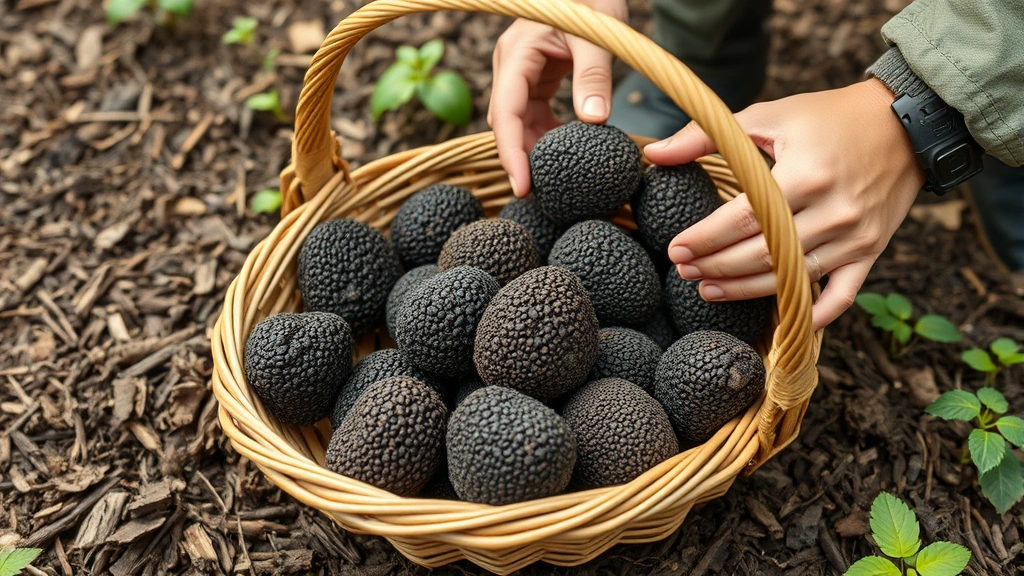
Gas truffle harvesting requires careful timing to maximize quality and yield. Unlike field crops with obvious maturation indicators, truffles demand experienced evaluation to determine optimal harvest timing. Mature truffles typically develop distinctive aromas—a key indicator of ripeness—and exhibit proper color development specific to their variety.
Harvesting techniques significantly impact both immediate yield and long-term bed productivity. Careful excavation around truffle fruiting sites prevents mycelium damage that would reduce future production. Many sustainable operations train staff in proper digging techniques that minimize soil disturbance and preserve the underground networks supporting repeated harvests from established beds.
Post-harvest handling dramatically influences final product quality and market value. Fresh truffles require immediate cool storage at 2-4°C (35-39°F) with high humidity to prevent desiccation. Proper storage extends shelf life while preserving the aromatic compounds that define premium truffle value. Many operations implement simple storage systems using breathable containers, damp cloth, and refrigeration—all accessible technologies requiring minimal energy investment.
Processing options expand market opportunities for gas truffle producers. Freezing, drying, and creating truffle-infused products allow farmers to capture additional value while extending seasonal availability. Sustainable processing respects the environment by minimizing water use, avoiding synthetic additives, and utilizing renewable energy sources. Exploring energy-efficient heating solutions for processing facilities reduces operational costs while lowering environmental impact.
Traceability and certification documentation enhance market positioning. Maintaining detailed harvest records—including dates, locations, and yields—demonstrates the authenticity and sustainability of your operation. Obtaining organic certification and participating in sustainability verification programs commands premium prices while building consumer trust in your products.
Economic Viability and Market Demand
Gas truffle cultivation represents a financially attractive enterprise for farmers committed to sustainable practices. Premium pricing for gourmet truffles—often exceeding $500-$2,000 per pound for fresh product—creates substantial revenue potential even from relatively small growing areas. Initial investment costs typically recover within 3-5 years as established beds reach full productivity.
Market demand for sustainably produced truffles continues expanding as consumers increasingly prioritize environmental responsibility and food quality. High-end restaurants, specialty food retailers, and direct consumers actively seek products from certified sustainable operations. This growing market segment often accepts price premiums—sometimes 20-40% above conventional products—reflecting appreciation for environmental stewardship and superior quality.
Diversification strategies enhance economic resilience. Beyond fresh truffle sales, producers generate revenue through processing operations, agritourism experiences, and educational workshops. Many operations offer farm visits, cooking classes, and truffle hunting experiences that create additional income streams while building brand loyalty and community connections.
Cost management through green technology innovations improves profitability while reducing environmental impact. Energy-efficient systems, water conservation technologies, and organic pest management reduce operational expenses while enhancing sustainability credentials. These investments often qualify for agricultural grants and sustainability incentive programs that offset initial costs.
Risk management becomes essential when establishing gas truffle operations. Diversifying plantings across multiple beds and varieties reduces vulnerability to localized failures. Maintaining detailed records and conducting regular monitoring identify problems early, preventing catastrophic losses. Many successful operations carry crop insurance that protects against unforeseen disasters while providing financial security during establishment phases.
FAQ
How long does it take gas truffle seeds to produce harvestable truffles?
Most gas truffle operations require 3-5 years before achieving significant harvests from newly planted seeds. Initial years focus on mycelium establishment and root system development. Once beds reach maturity, they often produce consistently for 8-10+ years with proper management, making the long-term investment highly rewarding.
Can gas truffle seeds be grown in containers or must they be planted outdoors?
While outdoor cultivation remains most common, container growing shows promise for controlled-environment operations. Containers require careful attention to drainage, soil composition, and environmental conditions, but allow cultivation in regions with unsuitable native soils. Many commercial operations employ hybrid approaches combining container systems for seed establishment with field planting for mature production.
What certifications should sustainable gas truffle producers pursue?
Organic certification represents the primary credential for sustainable truffle producers, demonstrating compliance with strict environmental and production standards. Additional certifications from sustainability organizations, fair-trade programs, and regional agricultural associations enhance market positioning. Research USDA NRCS programs for certification guidance and potential financial support.
Are gas truffles suitable for all climate zones?
Gas truffles thrive in temperate climates with cool winters and moderate summers. Regions with temperatures between 45-75°F prove most suitable, though cold-hardy and heat-tolerant varieties continue expanding geographic possibilities. Consult local agricultural extension services to assess suitability for your specific location and identify appropriate varieties.
How do gas truffle operations handle competition from wild truffle harvesting?
Cultivated gas truffles offer superior consistency, traceability, and sustainability compared to wild-harvested varieties. Marketing emphasis on certified sustainable production, documented origin, and premium quality helps cultivated products command market position despite wild competition. Many consumers actively prefer cultivated products knowing they support forest conservation and sustainable agriculture.
What percentage of planted seeds typically develop into productive truffle beds?
Success rates vary based on seed quality, site conditions, and management expertise, typically ranging from 60-85% in well-managed operations. Poor drainage, inadequate soil preparation, or improper technique reduce success rates significantly. Investing in quality seeds, proper site selection, and thorough soil preparation maximizes establishment success and economic returns.


