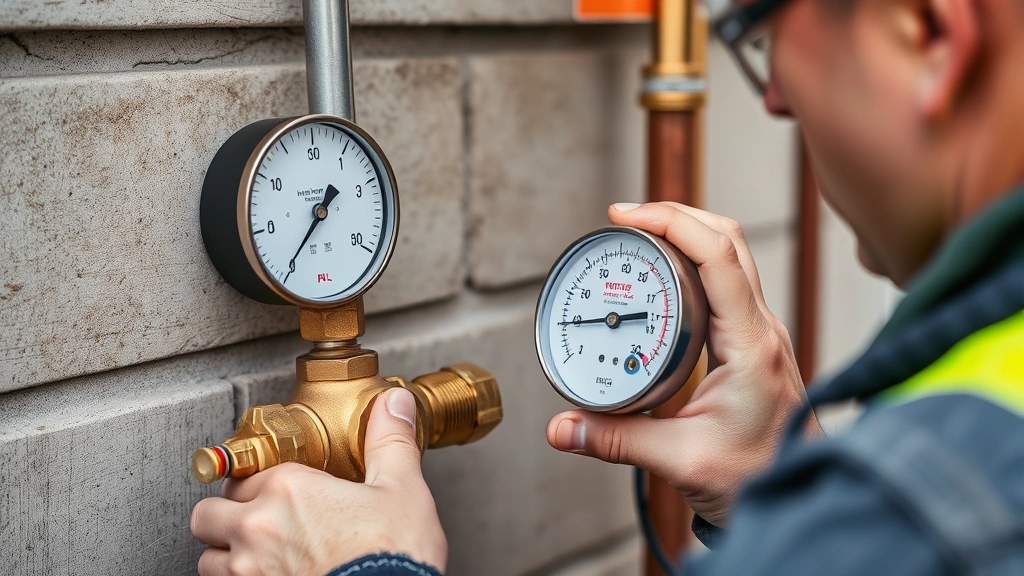
Gas Valve Safety: Essential Tips from Engineers
Gas valves are critical components in residential and commercial heating systems, appliances, and industrial operations. Proper maintenance and safety protocols surrounding these devices can prevent dangerous leaks, explosions, and carbon monoxide poisoning. Whether you’re a homeowner, facility manager, or HVAC professional, understanding gas valve safety is essential for protecting lives and property.
This comprehensive guide draws on engineering expertise and industry best practices to help you recognize potential hazards, perform routine inspections, and respond appropriately to gas valve emergencies. By implementing these safety measures, you’ll create a safer environment while also contributing to more efficient energy use—a key aspect of sustainable energy solutions.
Understanding Gas Valve Fundamentals
A gas valve is a mechanical or electronic device that controls the flow of natural gas or propane through pipes and appliances. These valves operate on simple principles: they either allow gas to pass through or block its passage completely. However, the engineering behind safe gas valve operation is sophisticated, involving multiple safety features designed to prevent dangerous situations.
Gas valves typically contain several key components: a valve seat (where the seal occurs), an actuator (which opens or closes the valve), springs, and various safety mechanisms. The valve seat must maintain a perfect seal when closed to prevent gas leakage. Even microscopic imperfections in this seal can lead to slow leaks that accumulate over time, creating hazardous conditions in enclosed spaces.
Engineers emphasize that understanding how your gas valve functions is the first step toward ensuring safety. Different applications require different valve types, each with specific design specifications and safety ratings. The pressure rating of a gas valve must match the system it serves—using an incorrectly rated valve can result in failure or unsafe operation.
Modern gas valves often include integrated safety shutoff mechanisms that automatically close if they detect unusual pressure conditions or temperature anomalies. These automatic safety features have significantly reduced accidents in residential settings over the past two decades. However, relying solely on automatic systems without regular maintenance is dangerous—redundant safety approaches are always preferable.
Types of Gas Valves and Their Functions
Several distinct types of gas valves serve different purposes in heating and appliance systems. Understanding these distinctions helps you identify which safety protocols apply to your specific situation.
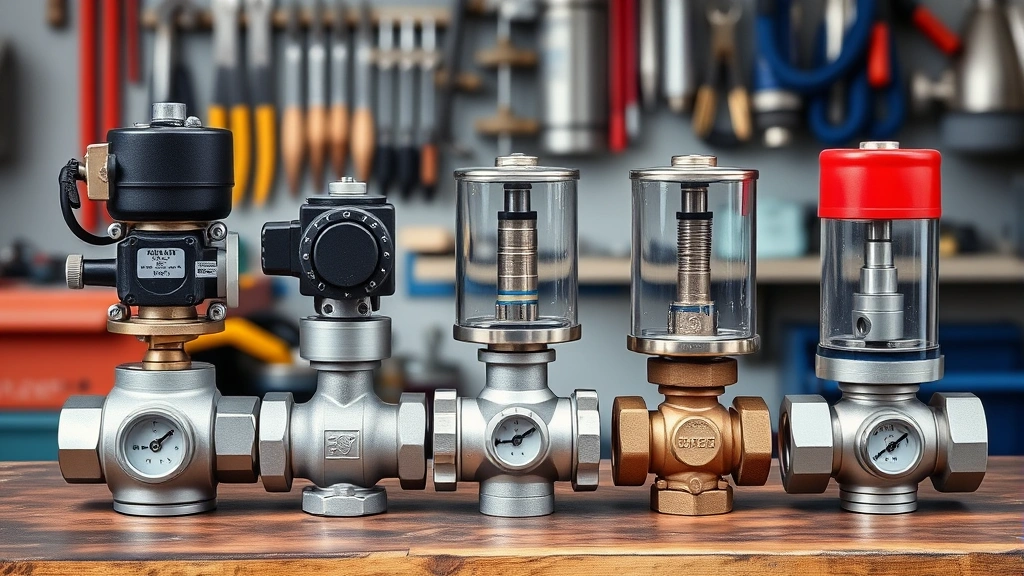
Solenoid valves use electromagnetic force to control gas flow and are commonly found in heating systems, water heaters, and commercial equipment. These valves are highly reliable and can be integrated with electronic control systems for precise operation. When power is cut or a safety signal is received, solenoid valves close immediately, making them excellent for emergency shutoff scenarios.
Ball valves feature a rotating sphere with a hole through its center. These manual valves are straightforward and durable, often used as isolation valves for maintenance purposes. A quarter-turn of the handle opens or closes the valve completely. Ball valves are particularly valuable because their simple design means fewer components can fail, and you can visually confirm whether they’re open or closed.
Regulator valves maintain consistent pressure within a gas system, preventing dangerous pressure spikes that could damage equipment or create hazardous conditions. Pressure regulators are essential safety components that engineers consider non-negotiable in any properly designed gas system. A faulty regulator can allow excessive pressure to build, potentially causing explosions or equipment damage.
Thermostatic expansion valves adjust gas flow based on temperature changes, commonly found in heating systems and refrigeration equipment. These valves respond automatically to temperature fluctuations, providing both safety and efficiency benefits.
Check valves allow gas to flow in only one direction, preventing dangerous backflow that could introduce contaminants or create pressure anomalies. These are often installed as safety features in complex piping systems where multiple gas sources or pressure zones exist.
Common Gas Valve Safety Hazards
Engineers have identified several recurring safety hazards related to gas valves that homeowners and facility managers must recognize and address promptly.
Gas leaks represent the most obvious hazard. These can occur at valve connections, through corroded valve bodies, or due to failed internal seals. Natural gas itself is odorless, so utility companies add mercaptan—a chemical that produces a distinctive rotten egg smell—to make leaks detectable. If you smell this odor, evacuate immediately and call your gas company’s emergency line from outside the building. Never use electrical switches, create sparks, or use phones inside the building during a suspected leak.
Pressure buildup occurs when gas accumulates without proper release mechanisms. This can happen if a regulator fails or if isolation valves trap gas in a section of piping. Excessive pressure can rupture pipes, damage appliances, or cause explosions. Properly functioning pressure relief valves prevent this scenario by venting excess gas safely.
Corrosion and material degradation weaken valve components over time, particularly in older systems or environments with high humidity. Brass and steel components can corrode, compromising the integrity of seals and structural elements. Regular inspections can identify corrosion before it becomes dangerous.
Carbon monoxide production results from incomplete combustion in appliances served by gas valves. While not a valve malfunction per se, faulty valves that deliver incorrect gas amounts or pressures can contribute to incomplete combustion. This silent, odorless gas can accumulate in living spaces, causing serious health effects or death. Carbon monoxide detectors should be installed near appliances and sleeping areas.
Valve freezing can occur in extremely cold climates or when moisture-laden gas passes through an expansion valve. Ice formation blocks gas flow or creates dangerous pressure situations. Proper system design with moisture removal and valve insulation prevents this hazard.
Understanding how these hazards develop helps you recognize warning signs and respond appropriately. When considering your home’s overall energy safety and efficiency, exploring whether natural gas is renewable can inform your long-term energy strategy and potentially guide you toward safer, cleaner alternatives.
Regular Inspection and Maintenance Protocols
Preventive maintenance is the cornerstone of gas valve safety. Engineers recommend establishing a regular inspection schedule that includes visual checks, functional testing, and professional servicing.
Monthly visual inspections should examine valve exteriors for obvious signs of damage, corrosion, or leaks. Look for discoloration, rust spots, or white powder deposits around connections—these indicate corrosion or gas escaping and condensing. Check that manual valve handles move smoothly without excessive resistance. Listen for hissing sounds that might indicate gas leaks.
Annual professional inspections are essential for complete system evaluation. Licensed HVAC technicians can perform pressure tests, check for micro-leaks using specialized equipment, inspect internal valve components (when applicable), and verify that safety shutoff mechanisms function correctly. They can also check that all connections are tight and properly sealed.
Cleaning and debris removal prevent contaminants from entering valves and damaging internal components. Dust, dirt, and debris can accumulate around valve connections, potentially entering the system. Keep areas around gas valves clean and clear of clutter.
Connection tightening should be performed with appropriate wrenches designed for gas fittings. Over-tightening can damage fittings; under-tightening allows leaks. Technicians use specific torque specifications to ensure proper connection integrity. If you notice a loose connection, have a professional tighten it rather than attempting this yourself.
Pressure testing verifies that valves maintain appropriate pressures under operating conditions. This testing requires specialized equipment and professional expertise. Technicians use pressure gauges and electronic leak detectors to identify problems that aren’t visible during visual inspection.
Functional testing confirms that automatic shutoff mechanisms, pressure regulators, and control systems respond correctly to various conditions. This might involve simulating fault conditions to verify that safety systems activate as designed.
Maintenance records should document all inspections, tests, repairs, and component replacements. These records help identify patterns and anticipate future maintenance needs. They’re also valuable if you sell your property or need to make insurance claims.
Emergency Response Procedures
Knowing how to respond to gas valve emergencies can save lives. Every household and facility should have a clear action plan.
If you smell gas:
- Evacuate immediately to fresh air
- Don’t use electrical switches, phones, or create any sparks inside the building
- Call your gas company’s emergency number from a safe location outside
- Don’t return inside until professionals confirm the building is safe
- Don’t attempt to locate the leak yourself
If you suspect a gas leak but don’t smell gas:
- Look for hissing sounds near valves or pipes
- Watch for dead vegetation near gas lines (gas can kill plants)
- Check for bubbles in water around outdoor gas lines
- Use soapy water on suspected connections—bubbles indicate leaks
- Contact your gas company if you find any signs of leakage
If a valve fails or breaks:
Immediately shut off the main gas supply using the meter shutoff valve (typically located where gas enters your building). This ball valve can be turned 90 degrees to stop all gas flow. If you’re unsure how to operate it, ask your gas company to show you during a routine visit. After shutting off the main supply, call a licensed technician to assess and repair the failed valve.
If you hear unusual sounds from a valve:
Clicking, chattering, or whistling from a valve indicates potential problems. Immediately reduce the load on the system (turn off unnecessary appliances) and call a technician. Don’t ignore these warning signs—they often precede complete valve failure.
Carbon monoxide emergency:
If your carbon monoxide detector alarms, evacuate immediately to fresh air and call emergency services. Carbon monoxide poisoning causes headaches, dizziness, nausea, and confusion. Even if symptoms seem mild, seek medical attention after evacuation. Medical professionals can perform blood tests to confirm exposure.
Keep emergency contact numbers readily available: your gas company’s emergency line, your HVAC service provider, and local emergency services. Program these into your phone and post them on your refrigerator.
Professional Installation and Certification
Proper installation of gas valves is absolutely critical for safe operation. This is not a do-it-yourself project for most homeowners, even those with general mechanical skills.
Licensed technicians have undergone extensive training in gas system safety, local building codes, and proper installation procedures. They understand pressure requirements, material compatibility, and safety standards that vary by location. Hiring licensed professionals protects you legally and ensures your system meets all safety requirements.
Building permits are typically required for gas valve installation or replacement. These permits ensure that work is inspected by officials who verify compliance with current safety codes. Unpermitted work can create liability issues, complicate insurance claims, and potentially void warranties.
Safety certifications indicate that equipment and installation meet specific safety standards. Look for certifications from organizations like the American Gas Association (AGA) or the National Board of Boiler and Pressure Vessel Inspectors. These certifications mean the equipment has undergone rigorous testing and meets established safety criteria.
Pressure testing before operation is mandatory during professional installation. The system must be pressurized and tested for leaks before being put into service. This typically involves holding the system at pressure for 24 hours while monitoring for any pressure drops that would indicate leaks.
Documentation and warranties should be provided after professional installation. Keep these documents safely—they prove proper installation was performed and may be required for warranty claims or future service.
Environmental and Efficiency Considerations
While gas valve safety is paramount, it’s worth considering how your gas system fits into broader sustainability goals. Understanding your energy use and exploring alternatives contributes to reducing your environmental footprint.
Natural gas efficiency varies significantly based on system age and maintenance. Older systems with faulty valves operate inefficiently, wasting energy and increasing emissions. A well-maintained system with properly functioning valves operates at peak efficiency, reducing both costs and environmental impact.
Preventive maintenance reduces waste: Leaking valves waste natural gas, increasing your utility bills and unnecessary greenhouse gas emissions. Regular maintenance prevents these losses, making your system both safer and more environmentally responsible.
Upgrade considerations: If your gas system is more than 15-20 years old, consider upgrading to newer equipment with advanced valve technology. Modern systems feature improved efficiency ratings and better safety mechanisms. While this represents an upfront investment, it reduces long-term operating costs and environmental impact.
Alternative energy exploration: For some applications, sustainable energy solutions like heat pumps, solar thermal systems, or hybrid approaches may be viable. These alternatives eliminate reliance on natural gas while providing heating and hot water. Consulting with energy professionals can help you evaluate options appropriate for your situation.
Monitoring and optimization: Smart thermostats and monitoring systems help optimize gas use, reducing unnecessary consumption. By pairing green technology innovations transforming our future with proper gas valve maintenance, you create an efficient, safe system that minimizes environmental impact.
For more comprehensive information about energy choices and their environmental implications, explore the SustainWise Hub Blog where you’ll find detailed articles on energy efficiency and sustainable practices.
FAQ
How often should gas valves be inspected?
Professional inspections should occur annually for residential systems. High-use commercial systems may require more frequent inspections—quarterly or semi-annually depending on usage patterns and equipment age. Monthly visual checks by occupants can identify obvious problems between professional visits.
What’s the difference between a gas shutoff valve and a regulator?
A shutoff valve controls whether gas flows through a system—it’s either fully open or fully closed. A regulator maintains consistent pressure within the system, automatically adjusting to prevent pressure spikes or drops. Both are essential safety components that serve different functions.
Can I replace a gas valve myself?
No. Gas valve replacement requires licensed professionals to ensure proper installation, pressure testing, and compliance with building codes. Improper installation can create dangerous leaks or pressure conditions. Always hire certified technicians for any gas valve work.
What should I do if I find a gas leak?
Evacuate immediately to fresh air. Don’t use electrical switches or create sparks. Call your gas company’s emergency number from outside the building. Don’t return inside until professionals confirm it’s safe. Never attempt to locate or repair a leak yourself.
How do I know if my gas valve is failing?
Warning signs include hissing or whistling sounds, unusual odors near the valve, visible corrosion or leaking, difficulty operating manual valves, or your gas company noting pressure inconsistencies. Any of these signs warrant immediate professional inspection.
Are there gas valve upgrades that improve safety?
Yes. Modern solenoid valves with redundant safety mechanisms, improved pressure regulators, and integrated electronic controls offer enhanced safety compared to older mechanical designs. Upgrading old systems can significantly improve safety and efficiency.
What’s the lifespan of a typical gas valve?
With proper maintenance, gas valves typically last 15-20 years or longer. However, lifespan depends on usage frequency, system pressure, water quality (which affects corrosion), and maintenance diligence. Regular inspections help identify when replacement becomes necessary.
How do I locate my main gas shutoff valve?
The main shutoff is typically located where gas enters your building, usually on an exterior wall or in a basement near the gas meter. It’s a ball valve that turns 90 degrees. Ask your gas company to locate and show you how to operate it—this is valuable knowledge for emergencies.
Conclusion: Gas valve safety requires vigilance, regular maintenance, and professional expertise. By understanding how these critical components function, recognizing potential hazards, and establishing preventive maintenance routines, you protect your family or employees while ensuring efficient system operation. Never hesitate to contact licensed professionals—the relatively small cost of regular inspections and maintenance is far outweighed by the safety benefits and long-term cost savings. Remember that gas safety is not an area for experimentation or shortcuts; the stakes are simply too high. Commit to these essential practices and enjoy the peace of mind that comes with a properly maintained, safe gas system.


