
Gas Wall Heaters Eco-Friendly? Experts Weigh In on Environmental Impact
Gas wall heaters have become a popular heating solution for homes and businesses seeking efficient temperature control in compact spaces. However, as environmental consciousness grows, many homeowners are asking critical questions about their ecological footprint. Are these convenient heating systems truly eco-friendly, or do they contribute significantly to carbon emissions and climate change? The answer is nuanced, requiring examination of efficiency ratings, fuel sources, and available alternatives.
This comprehensive guide explores what experts say about gas wall heaters and their environmental implications. We’ll examine how they compare to other heating methods, their efficiency metrics, and what sustainable choices look like for modern households. Whether you’re considering installing a gas wall heater or evaluating your current heating system, understanding the full environmental picture helps you make informed decisions aligned with your sustainability goals.
How Gas Wall Heaters Work and Their Basic Efficiency
Gas wall heaters operate by burning natural gas or propane to generate heat that warms indoor spaces directly. Unlike central heating systems that distribute heated air through ductwork, wall heaters provide localized warmth, making them ideal for specific rooms or zones. The combustion process occurs inside the unit, with exhaust vented outdoors through a wall penetration.
From a basic efficiency standpoint, modern gas wall heaters achieve relatively high thermal efficiency ratings, typically between 80-95% depending on the model and type. This means that 80-95% of the energy from burning gas converts to usable heat, with minimal waste. Sustainable energy solutions often highlight efficiency as a key metric, though efficiency alone doesn’t determine environmental friendliness.
The convenience factor drives adoption: gas wall heaters require no ductwork installation, offer quick warm-up times, and allow individual room temperature control. However, this operational efficiency doesn’t account for upstream environmental costs associated with natural gas extraction, processing, and transportation. Understanding the complete lifecycle impact requires examining the fuel source itself.
Environmental Impact of Natural Gas Heating
Natural gas, while cleaner than coal or oil when burned, remains a fossil fuel with significant environmental consequences. The extraction process, known as hydraulic fracturing or “fracking,” raises concerns about groundwater contamination, methane leakage, and habitat disruption. Methane, the primary component of natural gas, is approximately 80 times more potent than carbon dioxide at trapping heat over a 20-year period, according to EPA greenhouse gas data.
When gas wall heaters burn natural gas, they release carbon dioxide directly into the atmosphere. A typical household using a gas wall heater as supplemental heating might generate 2-4 tons of CO2 annually, depending on usage frequency and climate zone. For homes using gas heaters as primary heating sources, emissions can reach 5-8 tons yearly. This contributes meaningfully to household carbon footprints, which average 16 tons per person in developed nations.
The methane leakage problem deserves particular attention. Studies show that between 1-5% of natural gas escapes during extraction, processing, and distribution. These fugitive emissions represent a significant climate threat that isn’t immediately visible when examining combustion efficiency alone. Is natural gas renewable is a question many ask, and the straightforward answer is no—natural gas is a finite fossil fuel that took millions of years to form.
Indoor air quality also matters. Gas combustion produces nitrogen oxides and other pollutants that can affect respiratory health, particularly in children and elderly individuals. Proper ventilation mitigates these risks, but it also means conditioned air escapes, reducing heating efficiency.
Comparing Gas Wall Heaters to Alternative Heating Solutions
To evaluate whether gas wall heaters are eco-friendly, comparison with alternatives provides essential context. Several heating technologies offer different environmental profiles:
- Electric Heat Pumps: Air source and ground source heat pumps achieve coefficients of performance (COP) of 3-5, meaning they deliver 3-5 units of heat for every unit of electricity consumed. When powered by renewable energy grids, they produce zero direct emissions. Even on average electrical grids with fossil fuel generation, heat pumps typically produce 50-70% fewer emissions than gas heating.
- Radiant Electric Heaters: These convert electricity directly to heat with 100% efficiency at point of use, but electricity generation determines overall environmental impact. In regions with clean energy grids, radiant electric heating becomes increasingly attractive.
- Solar Thermal Systems: These capture sunlight to heat water or air, providing renewable heating with minimal ongoing environmental impact. Initial embodied carbon from manufacturing must be considered, but lifetime emissions are substantially lower than fossil fuel systems.
- Biomass Heating: Burning sustainably harvested wood or agricultural waste can be carbon-neutral if sourced responsibly, though air quality concerns exist in urban areas.
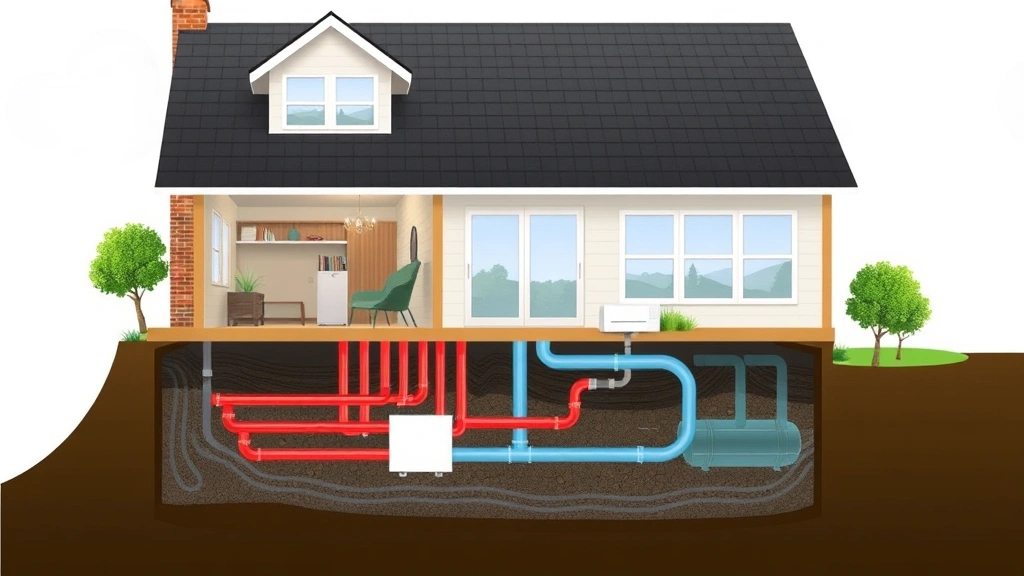
- Geothermal Systems: These tap into stable ground temperatures for highly efficient heating and cooling, achieving some of the lowest operational emissions available.
Each alternative carries different advantages depending on climate, available resources, and existing infrastructure. Green technology innovations transforming our future increasingly offer viable replacements for traditional gas heating, particularly as renewable electricity becomes more prevalent.
Energy Efficiency Ratings and What They Mean
Gas wall heater manufacturers advertise efficiency ratings that can confuse consumers comparing options. Understanding these metrics clarifies what “efficient” actually means environmentally:
Annual Fuel Utilization Efficiency (AFUE): This rating, expressed as a percentage, measures how much fuel energy converts to usable heat over a heating season. An 85% AFUE rating means 85% of fuel energy heats your space while 15% escapes through exhaust and other losses. Older units might achieve 60-70% AFUE, while modern condensing models reach 90-95%.
Thermal Efficiency vs. Environmental Efficiency: A critical distinction exists between thermal efficiency (how well the device converts fuel to heat) and environmental efficiency (the total lifecycle impact including extraction, processing, distribution, and combustion). A gas heater might be 90% thermally efficient while having substantial environmental costs upstream.
Seasonal Energy Efficiency Ratio (SEER) and Heating Seasonal Performance Factor (HSPF): These ratings apply to heat pumps and other electric systems, making direct comparison with gas heater AFUE ratings challenging. However, they help evaluate electric alternatives.
Looking at efficiency ratings alone creates an incomplete picture. A highly efficient gas heater still burns fossil fuels and contributes to climate change. Conversely, a less efficient electric heater powered by renewable energy might produce lower lifetime emissions. Context matters significantly when evaluating environmental impact.
Carbon Footprint Analysis: Real Numbers
Quantifying the carbon footprint of gas wall heaters requires examining several components:
Direct Combustion Emissions: Burning natural gas produces approximately 5.3 pounds of CO2 per therm (a unit measuring gas consumption). Average household heating needs might consume 40-80 therms monthly during winter, translating to 212-424 pounds of CO2 monthly, or 2,544-5,088 pounds annually from heating alone.
Upstream Emissions: Extracting, processing, transporting, and distributing natural gas generates additional emissions. Studies estimate upstream emissions add 10-15% to direct combustion impacts. This means total emissions from gas wall heater use reach approximately 2,800-5,850 pounds of CO2 annually for average households.
Comparison Context: Average American households generate approximately 16 tons (32,000 pounds) of CO2 annually. A gas wall heater contributing 3,000 pounds represents roughly 9% of total household emissions. For homes relying on gas wall heaters as primary heating, the percentage climbs substantially higher.
Electric Alternative Analysis: An electric heat pump operating in the same space, powered by an average U.S. electricity grid mix, would generate approximately 1,000-1,500 pounds of CO2 annually due to superior efficiency and cleaner electricity generation methods. This represents a 50-70% emissions reduction compared to gas heating.
These numbers demonstrate that while gas wall heaters aren’t the worst heating option available, they’re far from eco-friendly when examined comprehensively. How to reduce your environmental footprint typically begins with heating system evaluation, as it represents one of the largest energy consumption categories in homes.
Installation and Safety Considerations
Environmental assessment of gas wall heaters should include installation impacts. Proper installation affects both safety and efficiency, with implications for long-term environmental performance.
Ventilation Requirements: Gas wall heaters must vent combustion byproducts outdoors, requiring wall penetration and ducting. This creates thermal bridging—a pathway for conditioned air to escape—reducing overall heating system efficiency. Proper insulation around vents minimizes this effect but can’t eliminate it entirely.
Safety and Maintenance: Regular inspections ensure combustion efficiency and detect gas leaks. Neglected maintenance reduces efficiency and increases emissions. Additionally, gas heaters require adequate oxygen supply for safe operation, potentially necessitating fresh air intake that further impacts thermal efficiency.
Installation Carbon Cost: Manufacturing and transporting heating equipment generates embodied carbon. Gas wall heaters, being relatively simple devices, have lower embodied carbon than complex heat pump systems. However, this one-time manufacturing impact is typically offset within 2-3 years of operation by the superior efficiency of electric alternatives.
Making the Switch: Eco-Friendly Alternatives
For homeowners concerned about environmental impact, several strategies reduce reliance on gas wall heaters:
Ductless Mini-Split Heat Pumps: These systems provide efficient heating and cooling without central ductwork. Modern mini-splits achieve COP ratings of 4-5, making them significantly more efficient than gas heaters. Installation costs are comparable to gas wall heaters, and operational emissions are 50-70% lower when powered by standard electrical grids.
Hybrid Heating Systems: Combining electric heat pumps with gas backup provides a transition strategy. Heat pumps handle most heating needs during moderate weather, while gas serves as backup during extreme cold. This approach reduces gas consumption by 50-70% while maintaining reliability.
Energy Conservation First: Before installing any heating system, improving insulation, sealing air leaks, and upgrading windows reduce heating needs substantially. Conservation measures typically offer the best return on investment in terms of emissions reduction and cost savings.
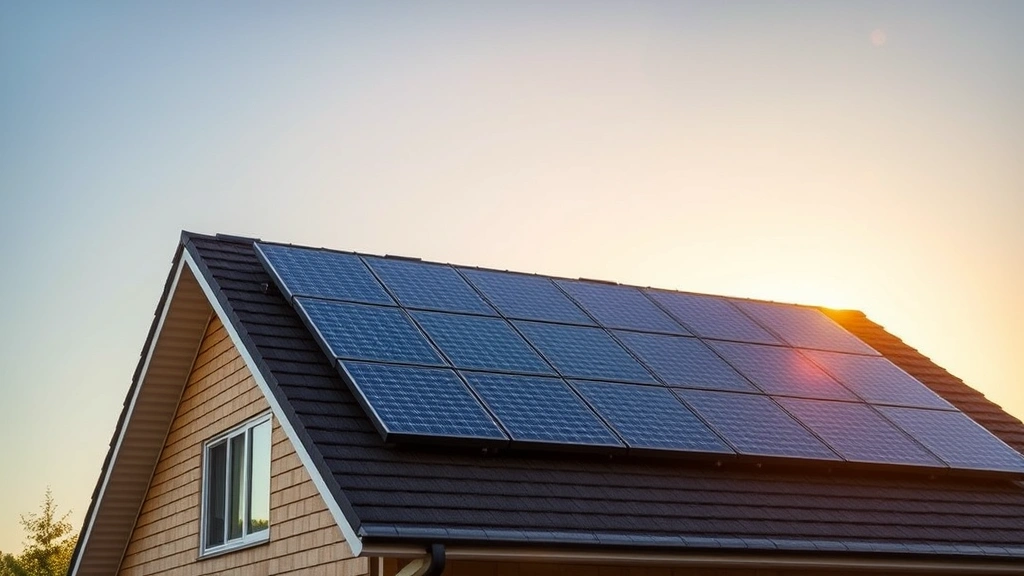
Renewable Energy Integration: Pairing electric heating systems with rooftop solar panels or community renewable energy programs approaches true eco-friendly heating. Sustainable energy solutions increasingly feature this integrated approach.
Switching Timeline: If you currently have a gas wall heater, you needn’t replace it immediately. However, when repairs become necessary or efficiency declines, replacement with an electric alternative makes environmental sense. Most gas heaters last 15-20 years, providing reasonable replacement windows.
Financial Incentives: Many regions offer rebates for heat pump installation and other renewable heating upgrades. Federal tax credits, utility company incentives, and state environmental programs can offset installation costs significantly. Researching available incentives makes the switch more financially feasible.
The U.S. Department of Energy provides comprehensive information on heat pump technology and incentive programs, helping homeowners evaluate alternatives to gas heating.
FAQ
Are gas wall heaters eco-friendly?
No, gas wall heaters are not eco-friendly. While they’re relatively efficient at converting fuel to heat (80-95% thermal efficiency), they burn fossil fuels and contribute significantly to carbon emissions. A typical household using a gas wall heater generates 3,000-5,000 pounds of CO2 annually. Electric heat pumps produce 50-70% fewer emissions while offering comparable heating performance.
What’s the environmental impact of natural gas?
Natural gas extraction through fracking causes groundwater contamination risks and habitat disruption. Methane leakage during extraction, processing, and distribution represents significant climate impact—methane is 80 times more potent than CO2 at trapping heat over 20 years. Combustion produces CO2 and nitrogen oxides, affecting both climate and air quality.
How do gas wall heaters compare to electric heat pumps?
Heat pumps are substantially more efficient, delivering 3-5 units of heat per unit of electricity consumed versus gas heaters’ fossil fuel approach. On average electrical grids, heat pumps produce 50-70% fewer emissions. As electricity grids become cleaner with renewable energy, this advantage grows significantly.
What’s the carbon footprint of heating with gas?
Burning natural gas produces approximately 5.3 pounds of CO2 per therm. Average household heating generates 2,500-5,000 pounds of CO2 annually from gas wall heaters alone, representing roughly 9% of typical household emissions. This doesn’t include upstream extraction and transportation emissions.
Should I replace my gas wall heater immediately?
Immediate replacement isn’t necessary, but when repairs become costly or efficiency declines, replacement with an electric heat pump makes environmental sense. Planning replacement during natural system lifecycle end-of-life minimizes disruption and maximizes environmental benefit realization.
What are the best eco-friendly heating alternatives?
Ductless mini-split heat pumps offer the best balance of efficiency, cost, and environmental performance. Ground source heat pumps achieve even better efficiency but require more installation work. Solar thermal systems and properly sized hybrid systems combining heat pumps with minimal gas backup also represent excellent alternatives for eco-conscious homeowners.
How can I reduce heating emissions in my home?
Prioritize energy conservation through improved insulation, air sealing, and window upgrades before upgrading heating systems. These measures reduce heating needs by 20-40%. Then consider switching to electric heat pumps or hybrid systems. Finally, pair heating systems with renewable energy sources like rooftop solar for maximum environmental benefit.
Are there incentives for switching from gas heating?
Yes, many regions offer federal tax credits, utility company rebates, and state environmental incentives for heat pump installation and other renewable heating upgrades. The Department of Energy maintains a database of available programs, making it worth checking your local options.


