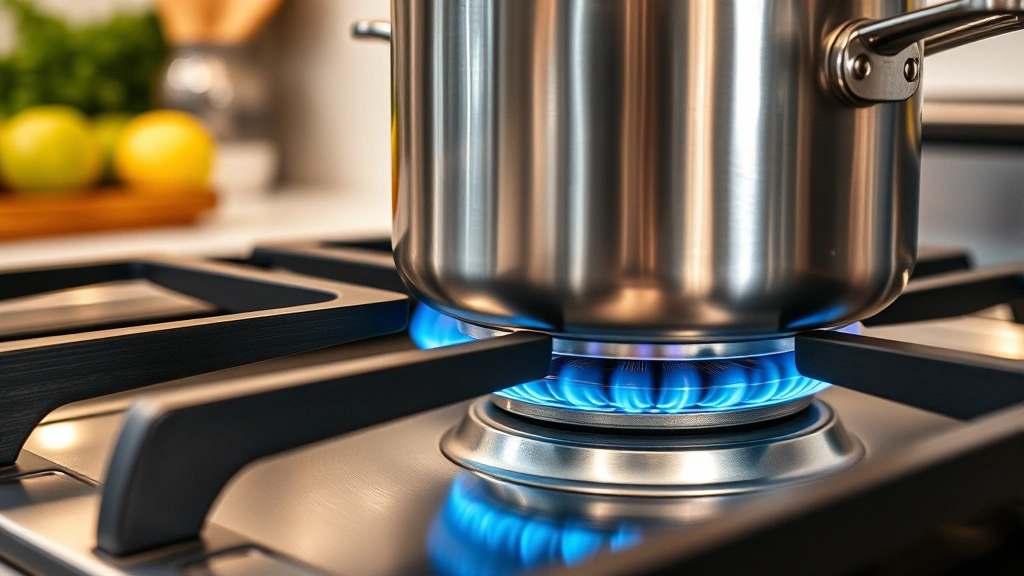
GE Gas Cooker: Are They Energy Efficient? Expert Review
When choosing kitchen appliances, energy efficiency often takes a backseat to convenience and cooking performance. However, gas cookers represent a significant portion of household energy consumption, making them an important consideration for environmentally conscious homeowners. General Electric (GE) has long been a trusted name in kitchen appliances, but the question remains: do their gas cookers deliver on energy efficiency promises?
This comprehensive review examines GE gas cooker models, their efficiency ratings, real-world performance, and how they compare to alternatives. Whether you’re building a new home, renovating your kitchen, or simply curious about your current appliance’s environmental impact, this guide provides the insights you need to make an informed decision aligned with your sustainability goals.
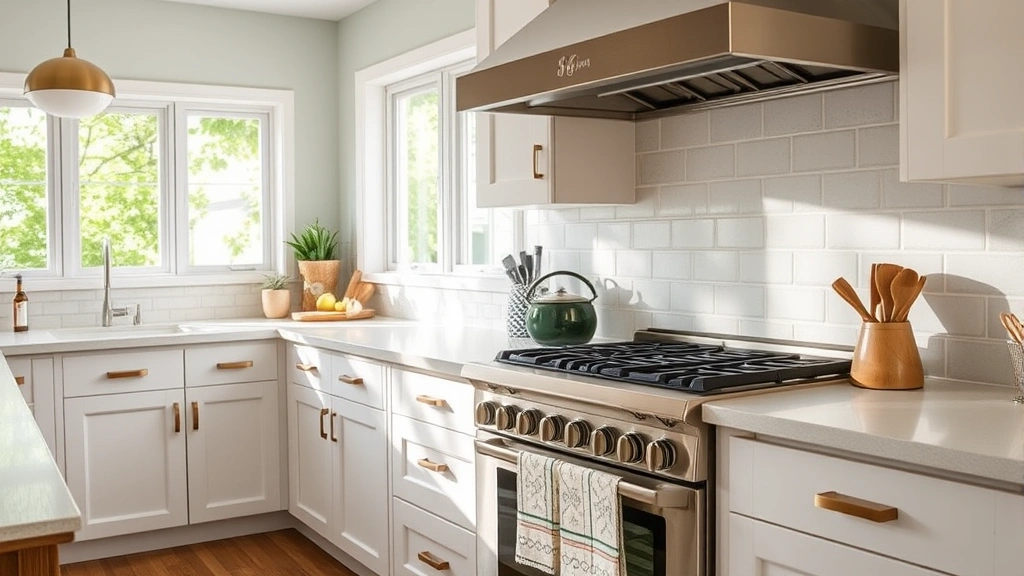
Understanding Gas Cooker Efficiency
Gas cookers operate differently from their electric counterparts, utilizing natural gas or propane to generate heat through combustion. Understanding efficiency in gas cooking requires recognizing that traditional efficiency metrics differ from those applied to electric appliances. The EPA’s ENERGY STAR program has only recently begun certifying gas cooktops and ranges, reflecting the complexity of measuring gas appliance efficiency accurately.
Thermal efficiency in gas cookers typically ranges from 70-75%, meaning roughly 70-75% of the energy produced reaches your cookware, while the remainder escapes through venting and radiation. This is actually comparable to or better than electric coil burners, though induction cooktops achieve higher efficiency rates of 80-90%. The key efficiency factors in gas cookers include burner design, grate quality, and heat distribution capabilities.
GE gas cookers feature various burner configurations, with models ranging from basic four-burner setups to sophisticated five or six-burner arrangements with multiple heat output levels. The brand has invested in technologies like precise flame control and sealed burner designs that minimize heat loss and improve cooking consistency. These design elements directly impact how efficiently heat transfers from the flame to your cookware.
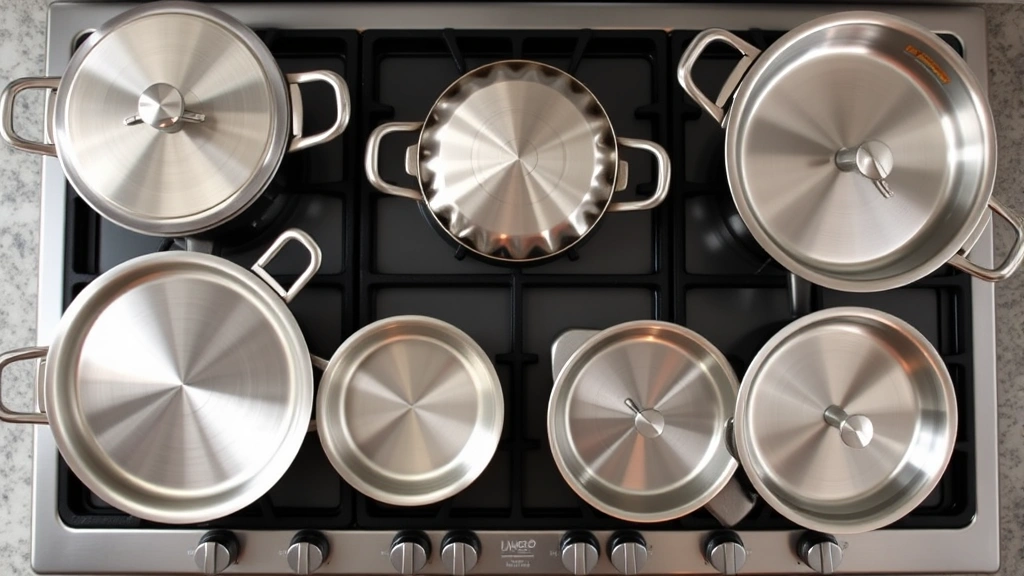
GE Gas Cooker Models and Specifications
GE offers several gas cooker product lines, each targeting different consumer segments and efficiency priorities. Their portfolio includes freestanding ranges, slide-in models, and built-in options, with varying features and price points. Understanding the specific models helps identify which options best suit energy-conscious households.
The GE Profile series represents the brand’s premium offering, featuring advanced burner technology with precise temperature control and multiple heat settings. These models typically include convection oven capabilities, which can improve cooking efficiency by distributing heat more evenly and reducing cooking times. The sealed burner design prevents spills from reaching heating elements, maintaining consistent performance over time.
GE’s standard line includes entry-level and mid-range gas cookers that balance affordability with functional efficiency. While these models may lack some premium features, they maintain respectable thermal efficiency through quality burner construction and proper heat distribution design. Many consumers find these models adequate for household cooking needs without premium pricing.
Commercial-grade GE gas cookers offer professional-level performance with robust burners capable of high heat output. These models prioritize reliability and power over efficiency metrics, making them suitable for households that prioritize cooking capability. Understanding your cooking style helps determine whether premium efficiency features justify the additional investment.
Energy Performance Analysis
When evaluating GE gas cooker energy performance, several metrics provide meaningful insights. BTU (British Thermal Unit) output indicates heat production capacity, typically ranging from 5,000 to 20,000 BTU per burner on GE models. Higher BTU doesn’t necessarily mean better efficiency; rather, it indicates maximum heat availability. Efficient cookers deliver appropriate heat levels for various cooking tasks without excess energy waste.
GE gas cookers with ENERGY STAR certification (available on select models) have undergone rigorous testing demonstrating superior efficiency performance. These certified models typically feature improved burner designs, better insulation, and enhanced oven efficiency. Choosing a certified model represents a straightforward way to ensure you’re purchasing an energy-efficient appliance backed by independent verification.
Real-world efficiency depends heavily on usage patterns and cooking techniques. A gas cooker’s efficiency rating assumes standard cooking scenarios, but actual consumption varies based on how you use the appliance. Families that cook multiple meals daily or use the cooker for extended baking sessions may experience different efficiency outcomes than those with lighter cooking loads.
Oven efficiency in GE gas cookers varies by model, with convection ovens generally outperforming conventional designs. Convection circulation reduces cooking times by 25-30%, directly lowering gas consumption per meal. If your household relies heavily on oven cooking, selecting a GE model with convection capability provides meaningful efficiency gains. The ENERGY STAR Most Efficient database lists certified models with verified performance data.
Key efficiency metrics for GE gas cookers include:
- Burner thermal efficiency: 70-75% for quality sealed burners
- Oven insulation: Reduces heat loss during baking
- Ignition systems: Electronic ignition uses less energy than pilot lights
- Grate design: Heavy-duty grates distribute heat more effectively
- Draft hoods: Properly designed hoods minimize heat escape
Comparing Gas vs. Electric Cooking
The gas versus electric cooking debate extends beyond simple efficiency numbers. Gas cookers offer immediate heat control and responsive temperature adjustment, which some argue enables more efficient cooking through precise heat management. However, electric induction cooktops represent a superior efficiency choice from a pure energy perspective.
Induction cooktops achieve 80-90% efficiency by directly heating cookware through electromagnetic energy, eliminating heat loss to the surrounding environment. This technology cooks faster, uses less energy per meal, and reduces kitchen heat during summer months. For homeowners prioritizing maximum energy efficiency, induction represents the optimal choice despite higher upfront costs.
Electric resistance cooktops fall between gas and induction in efficiency terms, delivering 70-75% efficiency similar to gas but with slower response times and less precise heat control. Many home cooks prefer gas for its responsive heating and visible flame, viewing the slight efficiency trade-off as acceptable for improved cooking experience.
The broader sustainability picture extends beyond cooktop efficiency. Consider your home’s energy source: if your electricity comes from renewable sources through sustainable energy solutions, electric or induction cooking becomes more environmentally favorable. Conversely, natural gas from renewable biogas sources can improve gas cooking’s environmental profile. The complete energy chain matters more than isolated appliance efficiency.
Real-World Efficiency Factors
Laboratory efficiency ratings don’t always translate to real-world performance. Several practical factors influence how efficiently you actually use your GE gas cooker. Understanding these variables helps optimize energy consumption and achieve better results than theoretical specifications suggest.
Cookware quality significantly impacts efficiency. Using flat-bottomed pots and pans with proper contact with burner grates ensures maximum heat transfer. Warped or rounded cookware bottoms create air gaps, reducing thermal contact and increasing cooking time. Investing in quality cookware complements your cooker’s efficiency capabilities and improves overall cooking performance.
Burner selection affects efficiency substantially. Using appropriately sized burners for your cookware prevents heat waste. A small pot on a large burner wastes energy heating the surrounding area. Conversely, oversized cookware on small burners increases cooking time. Most GE cookers feature multiple burner sizes specifically to enable proper matching between cookware and heat source.
Maintenance practices preserve efficiency over time. Keeping burner ports clean prevents flame distortion and uneven heat distribution. Regularly checking seals around oven doors and burner caps maintains proper insulation and heat containment. A well-maintained GE gas cooker performs more efficiently than a neglected one, potentially recovering 5-10% of efficiency losses from deferred maintenance.
Cooking techniques directly influence energy consumption. Using lids on pots reduces cooking time by 25-30% and prevents heat escape. Starting water at room temperature versus cold reduces heating time. Planning meals to use residual oven heat for multiple dishes improves overall efficiency. These behavioral factors often matter more than appliance specifications alone.
Sustainability Considerations
Evaluating GE gas cooker sustainability requires examining environmental impacts beyond operational efficiency. Manufacturing, transportation, installation, and eventual disposal all contribute to the appliance’s complete environmental footprint. A holistic sustainability assessment considers these factors alongside energy performance.
Manufacturing environmental impact depends on GE’s production facilities and sourcing practices. The company has committed to sustainability initiatives reducing manufacturing emissions and waste. Selecting from GE’s current production lines supports facilities operating under modern environmental standards compared to older appliances that predate contemporary sustainability practices.
Natural gas sourcing affects the sustainability profile of gas cookers. Conventional natural gas extraction involves environmental concerns including methane emissions and habitat disruption. However, renewable natural gas produced from organic waste represents a more sustainable alternative. Some utility companies now offer renewable gas programs, making gas cookers more environmentally compatible when using clean gas sources.
Product longevity contributes significantly to sustainability. A durable GE gas cooker used for 15-20 years spreads manufacturing impacts across decades, reducing annual environmental burden. Choosing quality appliances that last longer ultimately proves more sustainable than frequently replacing cheaper alternatives. GE’s reputation for durability supports this advantage.
When considering how to reduce your environmental footprint, appliance selection represents just one component. Broader home energy efficiency through insulation, heating systems, and renewable energy generation often yields greater environmental benefits than optimizing individual appliances. Integrate cooker selection into comprehensive home sustainability planning.
Tips for Maximizing Cooker Efficiency
Regardless of which GE gas cooker model you select, implementing practical strategies maximizes efficiency and reduces energy consumption. These evidence-based techniques help you achieve better results from your appliance investment.
Burner and cookware optimization: Match burner size to cookware diameter for optimal heat transfer. Use flat-bottomed cookware with proper contact against burner grates. Keep burner ports clean and unobstructed to maintain proper flame shape and heat distribution. Check grates periodically for damage that might affect cooking consistency.
Cooking technique improvements: Use lids on pots and pans to reduce cooking time and prevent heat loss. Start cooking with boiling water rather than cold water to reduce heating duration. Plan oven usage to cook multiple dishes simultaneously, utilizing residual heat efficiently. Avoid opening oven doors frequently, which releases heat and extends cooking times by 15-20%.
Maintenance practices: Schedule annual professional maintenance to ensure burners operate at peak efficiency. Clean cooktop surfaces regularly to prevent grease buildup that insulates heat. Check oven door seals for damage and replace if necessary to maintain proper insulation. Keep ventilation hoods clean to ensure proper operation without excessive heat escape.
Usage pattern adjustment: Consider cooking methods that minimize gas consumption. Stovetop cooking uses less energy than oven cooking for many dishes. Batch cooking multiple meals simultaneously spreads oven energy across several dishes. Using smaller appliances like toaster ovens or slow cookers for appropriate tasks reduces overall gas consumption.
Ventilation balance: Proper ventilation prevents indoor air quality issues from gas combustion, but excessive venting wastes heated or cooled air. Install demand-controlled ventilation systems that activate only when needed. Ensure ventilation hood dampers close properly when not in use to prevent conditioned air escape.
Learning about green technology innovations transforming our future reveals emerging cooker technologies that may offer better efficiency. Smart cookers with energy monitoring capabilities help identify inefficient usage patterns. Considering future upgrades to advanced technologies keeps your home aligned with evolving efficiency standards.
FAQ
Are GE gas cookers ENERGY STAR certified?
Select GE gas cooker models have received ENERGY STAR certification, though the program has only recently expanded to include gas ranges and cooktops. Check product specifications or the ENERGY STAR website to verify certification status for specific models. Certified units have undergone independent testing confirming superior efficiency performance compared to standard models.
How much can I save by using an efficient GE gas cooker?
Savings depend on your current appliance, usage patterns, and local gas prices. A household switching from an older, poorly maintained gas cooker to a modern efficient GE model might save 10-20% on gas consumption related to cooking. This typically translates to $50-150 annually for average households, though heavy cooking users may see greater savings. Calculate your specific situation using your utility bills and local rates.
Is gas cooking less efficient than electric induction?
Yes, induction cooktops achieve 80-90% efficiency compared to 70-75% for quality gas cookers. However, overall sustainability depends on your electricity source. If your grid relies heavily on fossil fuels, the efficiency advantage diminishes. With renewable electricity, induction becomes substantially more sustainable than gas cooking.
What maintenance improves GE gas cooker efficiency?
Regular cleaning of burner ports prevents flame distortion. Checking and replacing oven door seals maintains insulation. Inspecting grates for damage ensures proper heat distribution. Professional annual maintenance identifies and corrects efficiency-reducing issues. These practices preserve the efficiency your cooker delivered when new.
Should I choose gas or electric for my new kitchen?
This decision involves multiple factors beyond efficiency. Consider your cooking preferences, local energy costs, home electrical capacity, and long-term sustainability goals. Gas offers responsive heat control preferred by many cooks. Induction provides superior efficiency. Electric resistance offers a middle ground. Evaluate your specific situation rather than choosing based solely on efficiency metrics. Understanding definition of sustainability helps frame this decision within your broader environmental values.
Do GE gas cookers produce harmful emissions?
Properly functioning gas cookers produce primarily carbon dioxide and water vapor from combustion. However, incomplete combustion can generate nitrogen dioxide and carbon monoxide. Ensuring proper ventilation, regular maintenance, and professional inspection prevents harmful emissions. Modern sealed burner designs improve combustion efficiency and reduce emission risks compared to older cooker models.
How long do GE gas cookers typically last?
Well-maintained GE gas cookers typically function for 15-20 years, with some lasting longer. The longevity depends on usage frequency, maintenance consistency, and component quality. This extended lifespan spreads manufacturing environmental impacts across many years, improving overall sustainability compared to appliances requiring replacement every 5-10 years.


