Switching to Green Gas? Insider Insights on Independent Gas Transporters and Sustainable Energy
The energy landscape is shifting beneath our feet. As climate concerns intensify and consumers demand cleaner alternatives, the conversation around gas energy has evolved dramatically. No longer is it simply about traditional fossil fuels—today’s market offers green gas options that can meaningfully reduce your carbon footprint while maintaining the convenience of gas-based systems. But navigating this transition requires understanding the role of sustainable energy solutions and how independent gas transporters fit into the equation.
Green gas, also known as biomethane or renewable gas, represents a revolutionary step forward in residential and commercial energy. These gases are produced from organic waste, agricultural byproducts, and wastewater treatment processes—materials that would otherwise contribute to landfill emissions. When you switch to green gas through an independent gas transporter, you’re not just changing your energy source; you’re participating in a circular economy that transforms waste into valuable energy resources.
This comprehensive guide explores everything you need to know about making the switch to green gas, the infrastructure that makes it possible, and how independent gas transporters are reshaping the renewable energy landscape.
Understanding Green Gas and Its Environmental Impact
Green gas represents a fundamental reimagining of how we produce and consume energy. Unlike conventional natural gas extracted from underground reserves, green gas is manufactured through biological processes that break down organic materials. This distinction is crucial because it determines the environmental footprint of your energy consumption.
The production of green gas typically involves anaerobic digestion—a process where microorganisms decompose organic matter in oxygen-free environments. Agricultural waste, food processing byproducts, sewage sludge, and even landfill gas can all be converted into high-quality biomethane. According to the U.S. Environmental Protection Agency, renewable gas production from waste streams can reduce methane emissions that would otherwise escape into the atmosphere, where methane’s global warming potential is 28-34 times greater than carbon dioxide over a 100-year period.
Carbon neutrality and negative carbon potential: When you choose green gas, you’re supporting energy production that can be carbon neutral or even carbon negative. This happens because the organic materials used would decompose and release methane regardless—green gas technology simply captures and utilizes that methane productively. The result is energy that eliminates emissions that would have occurred naturally.
The environmental benefits extend beyond carbon reduction. Green gas production supports how to save energy at home by providing a renewable alternative to fossil fuel extraction, which involves drilling, transportation, and processing that collectively damage ecosystems. By choosing green gas, you reduce demand for new fossil fuel extraction and support the development of circular economy principles.
The Role of Independent Gas Transporters in the Energy Revolution
Understanding the role of an independent gas transporter is essential to appreciating how green gas reaches your home. These companies operate the infrastructure that carries gas through pipelines to residential and commercial consumers, and they’re increasingly becoming crucial players in the renewable energy transition.
Traditionally, gas transportation and supply were controlled by large, vertically integrated utilities that owned everything from production facilities to distribution networks. Independent gas transporters have disrupted this model by creating competitive markets where multiple suppliers can deliver energy through shared infrastructure. This democratization of energy transport has several important implications:
- Consumer choice: Independent transporters enable you to select your gas supplier based on sustainability criteria rather than being locked into a single utility provider
- Innovation acceleration: Competition drives investment in green gas infrastructure and technologies
- Cost efficiency: Market competition typically results in more competitive pricing for consumers
- Renewable integration: Smaller, specialized companies can focus exclusively on renewable gas development without the legacy commitments of traditional utilities
An independent gas transporter manages the physical pipelines and distribution system while remaining neutral regarding which suppliers deliver gas through those lines. This separation of transportation from supply is analogous to how electricity transmission works in deregulated markets. The transporter maintains infrastructure standards, ensures safety compliance, and guarantees reliable delivery regardless of the gas source.
For consumers interested in sustainable energy solutions, independent gas transporters represent opportunity. They often have partnerships with renewable gas producers and can facilitate your transition to green gas options that traditional utilities might not prioritize.
How Green Gas Works: From Source to Your Home
The journey of green gas from waste material to your heating system involves several interconnected stages, each managed by different players in the energy ecosystem.
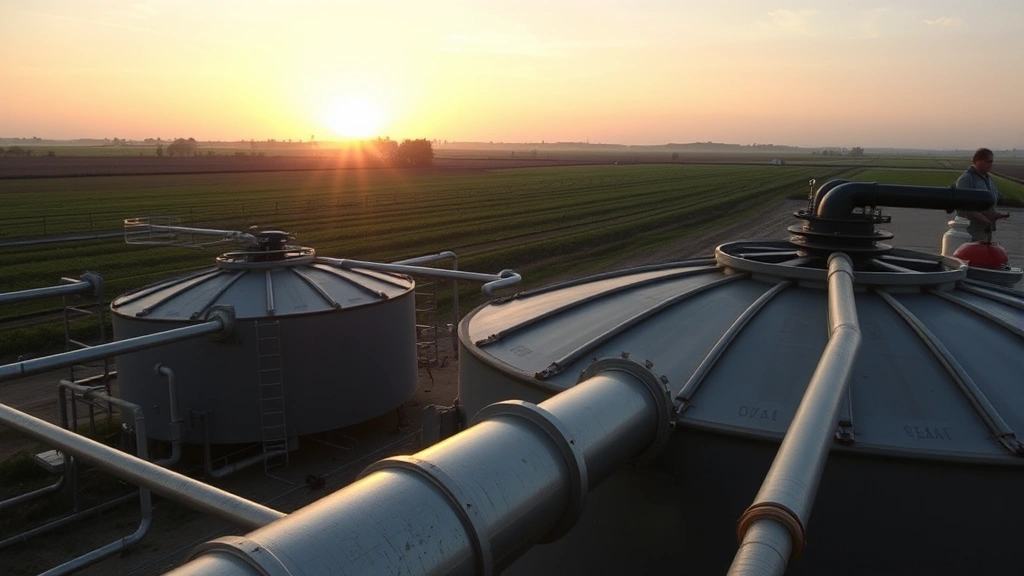
Production stage: Green gas originates at biogas production facilities, which can be located at wastewater treatment plants, agricultural sites, food processing facilities, or dedicated anaerobic digestion plants. Organic materials are placed in sealed digesters where bacteria break them down in oxygen-free conditions. This process produces biogas—a mixture of approximately 50-70% methane and 30-50% carbon dioxide, along with trace amounts of other compounds.
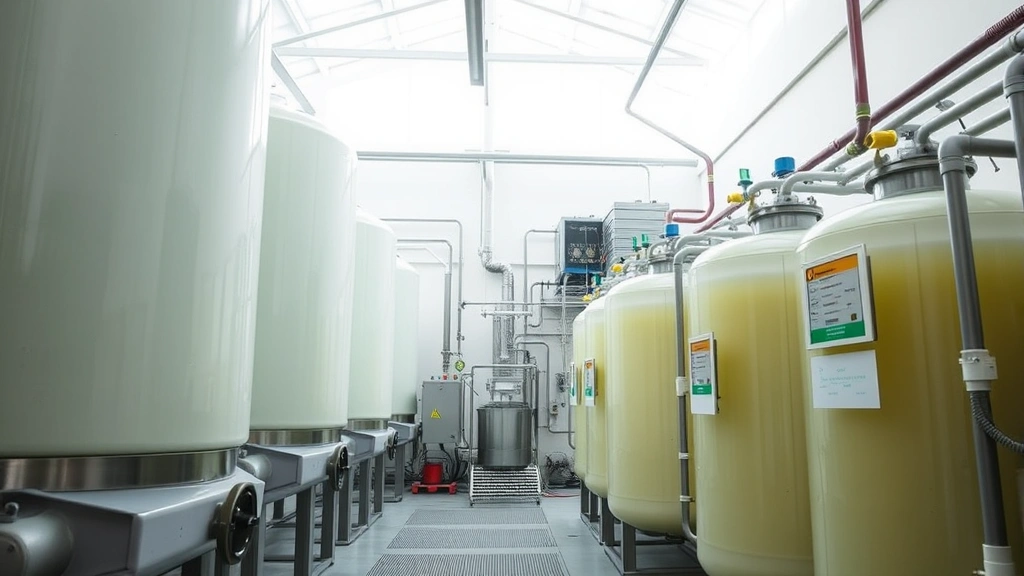
Purification stage: Raw biogas must be refined to meet pipeline quality standards. Purification removes carbon dioxide, water vapor, hydrogen sulfide, and other contaminants, upgrading the biogas to biomethane that matches the chemical composition of conventional natural gas. This upgraded biomethane can then enter existing gas infrastructure without modification.
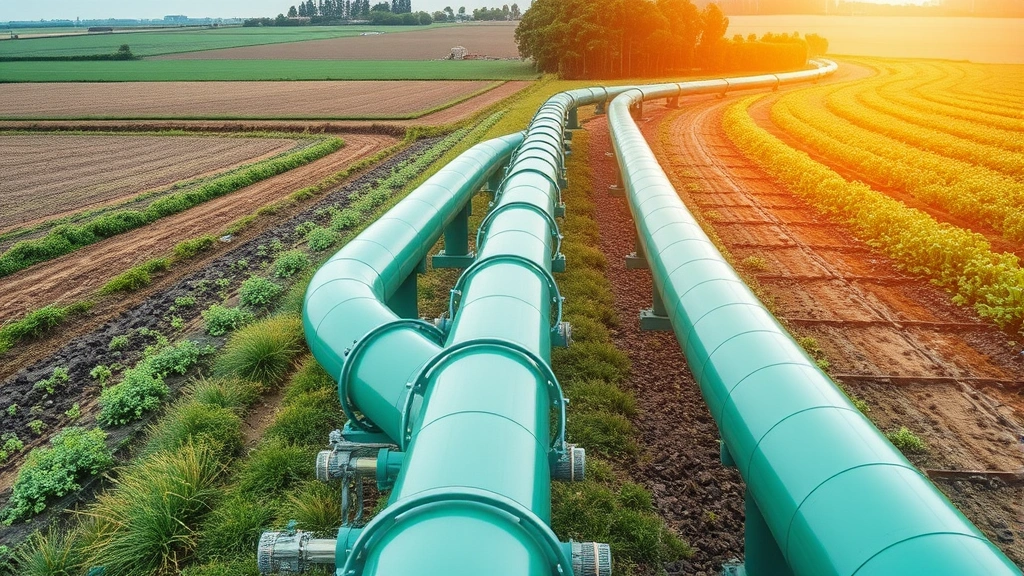
Injection stage: The purified biomethane is injected into the regional gas network. This is where independent gas transporters become critical—they operate the pipelines that carry this renewable gas alongside conventional natural gas. Because biomethane is chemically identical to fossil natural gas, it flows through the same infrastructure without requiring separate systems.
Distribution stage: The gas travels through distribution networks maintained by local utilities and independent transporters, reaching neighborhood pressure regulators and eventually individual meters at homes and businesses.
Consumption stage: You use green gas in your furnace, water heater, stove, or fireplace—the same appliances you’d use with conventional natural gas. No equipment modifications are necessary.
This seamless integration into existing infrastructure is one of green gas’s greatest advantages. Unlike some renewable energy transitions that require complete system overhauls, switching to green gas can happen immediately, using your existing appliances and the established gas network.
Comparing Green Gas with Traditional Energy Sources
To make an informed decision about switching to green gas, it’s helpful to compare it directly with other energy options available for heating, hot water, and cooking.
Green Gas vs. Natural Gas: Chemically, they’re identical once green gas is upgraded. The difference is entirely in the source and environmental impact. Natural gas is a fossil fuel extracted from underground deposits, requiring energy-intensive drilling and transportation. Green gas comes from renewable sources and has carbon neutrality or negative carbon potential. Both use the same infrastructure, appliances, and delivery systems.
Green Gas vs. Electricity: Electricity increasingly comes from renewable sources like solar and wind, making it an excellent alternative. However, electric heat pumps and induction cooktops require equipment replacement. Green gas offers a lower-barrier transition for those wanting to reduce environmental impact without immediate capital investment in new appliances. Additionally, in regions where electricity grids still rely on fossil fuels, green gas may offer a lower carbon footprint during the transition period.
Green Gas vs. Heat Pumps: Air-source and ground-source heat pumps are highly efficient and increasingly popular. They can provide both heating and cooling and work well in many climates. However, they require significant upfront investment and may not be suitable for all building types. Green gas is less disruptive and more affordable as an immediate alternative while you plan longer-term efficiency upgrades.
Explore green technology innovations transforming our future to understand how these options fit into a comprehensive sustainability strategy.
Green Gas vs. Oil Heating: In regions still using heating oil, switching to green gas represents a substantial environmental improvement. Oil heating produces higher emissions and requires regular deliveries with associated transportation impacts. Green gas delivered through existing pipelines eliminates these concerns.
Making the Switch: A Step-by-Step Guide
Transitioning to green gas is often simpler than switching to other renewable energy sources. Here’s a practical roadmap:
Step 1: Verify availability in your area
Green gas availability depends on local infrastructure development. Check with your utility company or independent gas transporters serving your region to determine if green gas options exist. Some areas have extensive green gas networks, while others are still developing infrastructure. Websites like USDA Biorefinery Assistance provide information about renewable fuel development in different regions.
Step 2: Contact your gas supplier or alternative suppliers
If your region supports independent gas transporters, you likely have multiple supplier options. Contact your current utility and any independent suppliers to inquire about green gas programs. Many utilities now offer green gas options, sometimes called renewable gas, biomethane, or carbon-neutral gas programs.
Step 3: Compare green gas programs
Different programs may offer varying percentages of green gas blended with conventional natural gas, or 100% green gas options. Compare pricing, environmental certification standards, and program terms. Look for third-party certifications that verify the green gas credentials.
Step 4: Understand the cost implications
Green gas typically costs slightly more than conventional natural gas, though prices vary by region and program. Some programs offer modest premiums (5-15%), while others may be more substantial. However, many areas offer rebates, tax credits, or other incentives that offset these costs.
Step 5: Make the switch
Once you’ve selected a program, the enrollment process is usually straightforward—often a simple phone call or online form. Your existing appliances and infrastructure require no changes. You’ll receive gas that includes the green gas percentage you’ve selected, delivered through the same pipes and measured by the same meter.
Cost Considerations and Financial Incentives
The financial aspect of switching to green gas deserves careful attention, as it significantly influences adoption decisions.
Premium costs: Green gas programs typically charge a modest premium over conventional natural gas rates. This premium reflects the higher production costs of converting waste materials to pipeline-quality fuel and the investments required to develop infrastructure. Many utilities structure this as a separate line item on your bill, making the cost transparent and allowing you to see your contribution to renewable energy development.
Price volatility: Green gas prices have historically been more stable than natural gas prices, which fluctuate based on global markets and geopolitical factors. As green gas infrastructure expands, prices are expected to decrease, improving competitiveness.
Financial incentives: Numerous programs help offset green gas switching costs:
- Utility rebates: Many utilities offer rebates for customers switching to green gas programs
- Federal tax credits: The Inflation Reduction Act expanded tax credits for renewable energy, potentially including green gas in some applications
- State and local programs: Many states and municipalities offer incentives for renewable energy adoption
- Carbon offset credits: Some programs allow you to sell carbon offset credits generated by your green gas consumption
Research programs through the Database of State Incentives for Renewables & Efficiency (DSIRE) to identify specific programs available in your area.
Return on investment: While green gas doesn’t generate direct financial returns like solar panels, the long-term value comes from supporting renewable infrastructure development and reducing your environmental impact. As green gas infrastructure expands and production scales, prices should decrease, improving the economics for future adopters.
Challenges and Limitations of Green Gas Adoption
While green gas offers significant promise, it faces several challenges that limit current adoption and must be addressed for widespread implementation.
Infrastructure limitations: Not all regions have green gas injection infrastructure. Developing this infrastructure requires substantial capital investment and coordination between waste treatment facilities, gas transporters, and utilities. Many areas lack the necessary connections between biogas production sites and gas distribution networks.
Supply constraints: Current green gas production capacity is limited compared to fossil natural gas. While potential supply is enormous (considering the volume of organic waste generated), actual production infrastructure is still developing. This means widespread availability remains years away in many regions.
Feedstock competition: Some organic materials used for green gas production could alternatively be used for other purposes. For example, agricultural waste might be used as animal bedding or soil amendment. Balancing these competing uses requires careful resource management.
Blending requirements: Many current green gas programs blend renewable gas with conventional natural gas rather than offering 100% green gas. While this still reduces emissions, it doesn’t completely eliminate fossil fuel dependence. As infrastructure develops, pure green gas options should become more common.
Certification standards: Standards for verifying green gas credentials vary by region and certifier. Some programs have rigorous environmental standards, while others are less stringent. Consumers must research specific program credentials to ensure they’re supporting genuine renewable energy.
The Future of Renewable Gas Infrastructure
The trajectory of green gas development suggests significant expansion over the coming decades. Several trends indicate this promising future:
Policy support: Governments worldwide are implementing policies that favor renewable gas development. The European Union has set targets for renewable gas blending in natural gas networks, and similar policies are emerging in North America. These policy frameworks create certainty for infrastructure investment.
Technology improvements: Biogas production and upgrading technologies continue to advance, improving efficiency and reducing costs. Emerging technologies like advanced thermal gasification and chemical conversion processes may expand the types of feedstock that can be converted to green gas.
Circular economy integration: As circular economy principles gain traction, green gas production becomes increasingly integrated with waste management, wastewater treatment, and agricultural systems. This integration creates economic incentives for green gas development beyond environmental motivation.
Integration with other renewable systems: Future energy systems will likely combine green gas with renewable electricity, heat pumps, and other technologies. Green gas provides flexibility for heating and backup power generation, complementing intermittent renewable electricity sources. Consider how switching to green gas fits into a comprehensive approach alongside advantages of electric vehicles and other renewable technologies.
Production scale-up: As technology matures and policy support strengthens, green gas production is expected to scale substantially. Some analyses suggest that renewable gas could provide 20-30% of total gas consumption in developed economies by 2050, with continued growth beyond that.
Cost reduction trajectory: Historical analysis of renewable energy technologies shows consistent cost reduction as production scales. Green gas is following this pattern, with production costs declining as infrastructure matures. This suggests that current price premiums will diminish, improving competitiveness.
The transition to green gas represents one component of a broader energy transformation. When combined with natural gas water heater efficiency improvements and other conservation measures, green gas can meaningfully reduce household energy emissions in the near term while longer-term infrastructure transitions occur.
FAQ
What exactly is green gas?
Green gas, also called biomethane or renewable gas, is produced by converting organic waste materials through anaerobic digestion. The resulting gas is chemically identical to natural gas but comes from renewable sources rather than fossil fuel extraction, making it carbon neutral or carbon negative.
Can I use my existing appliances with green gas?
Yes, absolutely. Because green gas is chemically identical to conventional natural gas once upgraded, it works perfectly in all existing appliances—furnaces, water heaters, stoves, fireplaces, and dryers. No modifications or replacements are necessary.
How much more does green gas cost?
Green gas typically costs 5-20% more than conventional natural gas, though this varies significantly by region and program. Many areas offer rebates or incentives that reduce or eliminate this premium. Prices are expected to decrease as infrastructure scales.
Is green gas truly carbon neutral?
Green gas is carbon neutral or carbon negative because it captures methane that would otherwise be released into the atmosphere. The organic materials used for production would decompose and emit methane regardless of whether that methane is captured for energy. This makes green gas genuinely beneficial for climate change mitigation.
What regions have green gas available?
Green gas availability varies significantly. It’s most developed in Europe, particularly Germany, Netherlands, and Scandinavia. In North America, availability is growing but still limited to certain regions. Check with your local utility or independent gas transporters to determine availability in your area.
How does green gas fit with other renewable energy technologies?
Green gas complements other renewables by providing flexible energy for heating and cooking while electricity grids transition to renewable sources. It’s particularly valuable for regions with existing gas infrastructure and can be combined with heat pumps, solar, and other technologies for comprehensive sustainability.
Can I switch to green gas if I use an independent gas transporter?
Yes, independent gas transporters make it easier to access green gas. Because they operate neutral infrastructure, you can work with alternative suppliers who specialize in renewable gas. This competitive environment actually facilitates green gas adoption.
What certifications should I look for in green gas programs?
Look for third-party certifications from organizations like TÜV, Green-e, or regional environmental certifiers. These verify that the green gas meets stated environmental standards and that production claims are legitimate.


