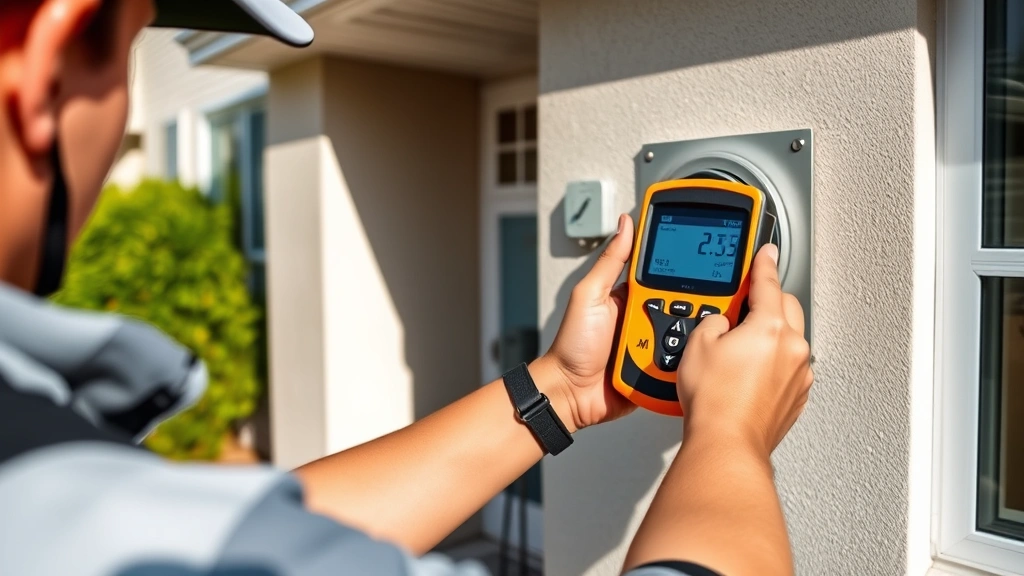
Detect Gas Leaks? Expert-Recommended Devices for Home Safety
Natural gas is a convenient energy source powering millions of homes across North America, but its invisible nature presents significant safety challenges. A natural gas leak detector is an essential tool for any household relying on gas appliances, from natural gas heaters to water heaters and cooking equipment. Unlike visible hazards, gas leaks cannot be detected by sight alone, making reliable detection devices critical for protecting your family from potential explosions, carbon monoxide poisoning, and environmental contamination.
According to the U.S. Environmental Protection Agency, natural gas leaks contribute significantly to methane emissions, a potent greenhouse gas with 80+ times the warming potential of carbon dioxide over a 20-year period. Beyond environmental concerns, household gas leaks pose immediate health risks including asphyxiation, fires, and explosions. This comprehensive guide explores expert-recommended natural gas leak detection devices, their technologies, and how to implement them effectively in your home.
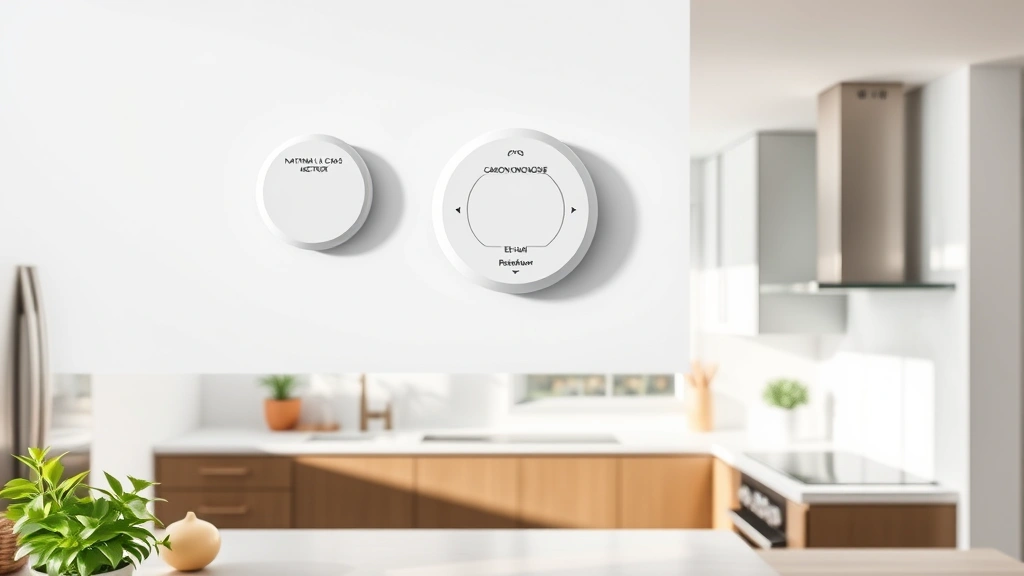
Understanding Natural Gas Leak Risks
Natural gas, primarily composed of methane, is odorless in its natural state. Utility companies add mercaptan, a distinctive sulfur-like odorant, to help consumers detect leaks through smell. However, this method is unreliable because odorant can fade, disperse unevenly, or become imperceptible to individuals with diminished sense of smell. Additionally, small leaks may not produce a noticeable odor before accumulating to dangerous concentrations.
The risks associated with undetected gas leaks extend beyond immediate safety concerns. According to the National Institute of Standards and Technology, methane emissions from residential gas systems contribute substantially to climate change. Detecting and repairing leaks promptly reduces your household’s carbon footprint while protecting occupants from acute hazards. Professional inspections reveal that approximately 1-2% of residential gas systems experience detectable leaks, many of which remain unidentified without proper detection equipment.
Symptoms of gas leaks include a rotten egg smell, hissing sounds near appliances, dead vegetation patches near gas lines, and unusually high gas bills. However, relying solely on these indicators leaves your home vulnerable during early leak stages.
Types of Natural Gas Leak Detectors
Modern natural gas leak detectors employ several distinct technologies, each with specific advantages and limitations. Understanding these differences helps you select the most appropriate device for your household needs and budget constraints.
Catalytic Bead Sensors: These traditional detectors use two heated ceramic beads—one reference and one coated with catalyst material. When flammable gas contacts the catalyst bead, oxidation occurs, creating a temperature differential that triggers an electrical signal. This technology is reliable for detecting methane and propane but responds slowly to very small leaks.
Metal Oxide Semiconductor (MOS) Sensors: MOS sensors detect gas by measuring changes in electrical resistance when gas molecules contact a heated tin oxide surface. These devices respond quickly to gas presence and consume less power, making them ideal for battery-operated portable detectors. However, they can be sensitive to humidity and certain environmental factors.
Infrared Sensors: Advanced infrared technology identifies specific gas wavelengths, offering excellent selectivity and immunity to environmental interference. These premium detectors provide accurate readings across wide concentration ranges but command higher price points.
Electrochemical Cells: These sensors use chemical reactions to generate electrical currents proportional to gas concentration. They offer good accuracy and long operational lifespans, typically 3-5 years before requiring replacement.
Portable Handheld Detectors
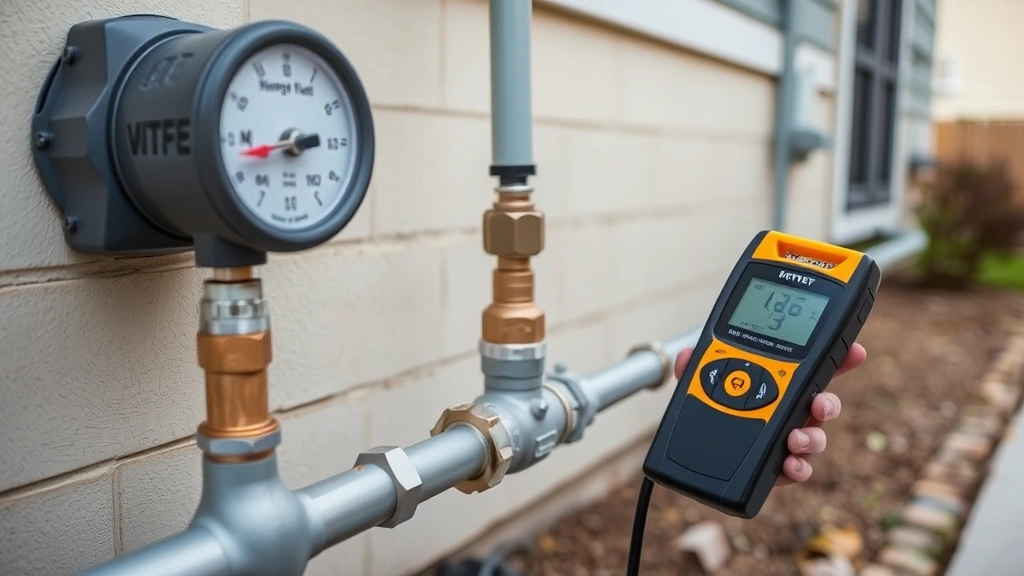
Portable natural gas leak detectors offer flexibility for homeowners who want to conduct routine inspections throughout their properties. These devices range from basic single-function models to sophisticated multi-gas analyzers.
Basic Portable Detectors: Entry-level models like the Amprobe ULD-300 or Forensics Detectors NG5000 provide reliable methane detection at affordable price points ($100-$200). These handheld devices feature audible and visual alarms, typically detecting gas concentrations above 1,000 ppm. They’re ideal for periodic inspections around gas fireplace installations and appliance connections.
Advanced Handheld Units: Professional-grade detectors like the Bacharach Fyrite InTech or GE Druck DPI 610 offer superior sensitivity (detecting concentrations as low as 100 ppm) and digital displays showing precise readings. These devices ($300-$600) suit homeowners who prefer quantitative data about leak severity. Many feature data logging capabilities for documenting inspection results over time.
Multi-Gas Detectors: Premium models detect natural gas alongside carbon monoxide, oxygen, and other hazardous gases simultaneously. The RKI Instruments GX-2012 or MSA ALTAIR 5X ($400-$800) provide comprehensive monitoring suitable for homes with multiple gas appliances and heating systems.
Portable detectors require regular calibration (typically annually) to maintain accuracy. Battery life varies from 20 to 100+ hours depending on sensor technology and usage patterns. Most professional inspectors recommend keeping a portable detector accessible for quick reference checks between professional servicing.
Fixed Wall-Mounted Systems
Permanent installation of fixed natural gas leak detectors provides continuous monitoring without requiring manual inspection efforts. These systems offer superior convenience and faster response times compared to portable alternatives.
Single-Point Detectors: Wall-mounted units install near primary gas appliances, continuously monitoring localized areas. Models like the FireAngel CH4 or Kidde KN-COPP-3 combine gas detection with carbon monoxide sensing, protecting against multiple hazards simultaneously. These devices typically cost $50-$150 and operate on either battery or hardwired electrical systems.
Multi-Zone Systems: Sophisticated installations utilize multiple sensors connected to a central control panel, monitoring different areas throughout your home. Systems like those offered by Underwriters Laboratories-certified manufacturers enable alerts to trigger on smartphones when leaks are detected in any monitored zone. These comprehensive systems cost $500-$1,500 for installation and equipment but provide professional-grade protection.
Smart Integration Features: Modern fixed detectors integrate with home automation systems, sending real-time alerts to your phone and automatically triggering ventilation fans or shutting off gas supply valves. This integration aligns with broader sustainable energy solutions approaches that optimize home safety and efficiency simultaneously.
Fixed systems require professional installation to ensure proper placement and calibration. Mounting locations should be near gas appliances but not directly adjacent to exhaust vents, which can cause false alarms. Most fixed detectors have 5-7 year operational lifespans before sensor degradation requires replacement.
Smart Home Integration Solutions
The convergence of gas detection technology with smart home ecosystems creates unprecedented convenience and safety capabilities. Connected natural gas leak detectors represent the frontier of residential safety innovation.
WiFi-Enabled Detectors: Devices like the Eve Smoke or Airthings View Plus integrate gas detection with WiFi connectivity, enabling remote monitoring from anywhere via smartphone applications. These systems provide historical data analysis, trend tracking, and predictive alerts for potential problems before they become critical. Integration with smart home hubs (Apple HomeKit, Amazon Alexa, Google Home) enables voice-activated alerts and automated responses.
Automated Response Systems: Advanced installations can automatically shut off gas supply valves when dangerous concentrations are detected, preventing explosions or fires. Smart thermostats simultaneously disable heating systems and trigger ventilation, reducing hazardous gas accumulation while emergency services respond.
Data Analytics and Insights: Cloud-based platforms analyze detection patterns, identifying correlations between seasonal variations, appliance usage, and leak frequency. This data helps homeowners identify aging equipment requiring maintenance or replacement, supporting proactive rather than reactive safety management.
Smart integration addresses environmental concerns related to natural gas renewable energy debates by enabling precise leak quantification, supporting efforts to minimize methane emissions from residential sources. According to Climate Change Post research, residential gas leaks represent approximately 5-10% of total methane emissions from energy systems, making detection and repair critical climate action components.
Installation and Maintenance
Proper installation ensures natural gas leak detectors function optimally and provide reliable protection throughout their operational lifespans. Installation approaches vary based on device type and your home’s configuration.
Portable Detector Preparation: Before using handheld devices, familiarize yourself with operation procedures, calibration requirements, and sensor sensitivity specifications. Most manufacturers recommend 24-hour warm-up periods before initial use to stabilize sensor readings. Store detectors in cool, dry locations away from extreme temperatures or moisture exposure.
Fixed Detector Installation Guidelines: Mount wall-based detectors at least 12 inches from cooking appliances and exhaust sources to minimize false alarms. Install units 4-6 feet above floor level (or at breathing height for sleeping areas) where gas concentrations accumulate. Ensure adequate ventilation around sensor openings, as obstructions reduce detection effectiveness. Follow manufacturer specifications precisely regarding electrical connections and gas line proximity.
Routine Maintenance: Test all detectors monthly using manufacturer-provided test buttons to verify alarm functionality. Replace batteries annually or when low-battery indicators activate. Professional calibration should occur yearly for portable devices and every 2-3 years for fixed systems, with more frequent servicing in high-usage scenarios.
Sensor Replacement: Most electrochemical and MOS sensors degrade over time, typically requiring replacement every 3-5 years. Catalytic bead sensors often last 5-7 years. Document replacement dates clearly and set calendar reminders to prevent inadvertent operation with expired sensors.
Choosing the Right Device
Selecting appropriate natural gas leak detection equipment requires evaluating your specific household circumstances, budget constraints, and safety priorities.
Assessment Criteria: Consider the number and types of gas appliances in your home, square footage requiring monitoring, and whether you prefer portable or permanent solutions. Households with natural gas heating systems, water heating equipment, and cooking appliances benefit from comprehensive multi-zone monitoring. Smaller homes or apartments may adequately function with single portable detectors or basic wall-mounted units.
Budget Considerations: Entry-level solutions ($50-$200) provide basic protection suitable for most households. Mid-range options ($200-$500) offer enhanced features like digital displays and multi-gas detection. Premium systems ($500+) justify investment through smart integration, professional monitoring, and comprehensive coverage across large properties.
Feature Prioritization: Determine which features matter most to your household. Priorities might include smartphone notifications, automatic response capabilities, data logging, or simply reliable audible alarms. Families with elderly members or those with hearing impairments should prioritize visual alarm indicators alongside audio components.
Brand Reputation and Certifications: Select devices certified by Underwriters Laboratories (UL) or equivalent standards organizations. Established manufacturers like Amprobe, Kidde, FireAngel, and Eve maintain consistent quality standards and provide reliable customer support. Reading verified customer reviews on independent platforms offers insight into real-world performance and reliability.
Many utility companies offer rebates or subsidized pricing for purchasing certified natural gas leak detectors, effectively reducing costs while promoting residential safety. Contact your local gas provider to inquire about available incentive programs.
Safety Protocols and Emergency Response
Detecting a gas leak represents only the first step in comprehensive residential safety management. Establishing clear emergency response protocols ensures rapid, appropriate action when alarms activate.
Immediate Response Procedures: If your natural gas leak detector activates, immediately evacuate all household members and pets to outdoor locations away from the building. Do not use electrical switches, phones, or ignition sources that could trigger explosions. Call emergency services (911 in North America) from a safe location outside the building to report the suspected leak.
Professional Inspection: Never attempt to locate or repair gas leaks yourself. After emergency services clear the area, contact your utility company’s emergency line to request professional inspection and repairs. Gas utility technicians possess specialized equipment and expertise to safely identify leak sources and perform necessary repairs.
Prevention Strategies: Schedule annual professional gas system inspections by certified technicians. These inspections employ specialized green technology innovations including thermal imaging and ultrasonic detection to identify leaks before they reach dangerous concentrations. Maintain proper ventilation around gas appliances and ensure exhaust vents remain unobstructed by snow, debris, or other materials.
Documentation and Records: Maintain detailed records of all gas system inspections, maintenance performed, and detector replacements. This documentation proves valuable for insurance claims, home sales, and identifying patterns suggesting systemic problems requiring equipment replacement.
Family Communication: Ensure all household members understand gas leak dangers and emergency response procedures. Teach children to recognize the mercaptan odor and understand the importance of immediately evacuating and alerting adults. Establish a designated outdoor meeting location where family members gather after evacuation.
According to the U.S. Consumer Product Safety Commission, proper gas leak detection and response procedures prevent hundreds of injuries and fatalities annually. Investing in reliable detection devices and establishing clear safety protocols represents essential responsibility for any household utilizing natural gas appliances.
Frequently Asked Questions
How often should I test my natural gas leak detector?
Test all gas leak detectors monthly using manufacturer-provided test buttons to verify alarm functionality. Many experts recommend additional testing before seasonal heating increases (fall) when gas consumption peaks. This monthly testing ensures sensors remain responsive and battery power remains adequate for emergency situations.
Can I install a natural gas leak detector myself?
Portable detectors require no professional installation—simply unpack, install batteries, and follow manufacturer calibration instructions. However, permanently mounted detectors may require professional installation if they integrate with electrical systems or home automation platforms. Consult manufacturer guidelines and local building codes before undertaking any installation work. When in doubt, hire licensed professionals to ensure proper placement and functionality.
What concentration levels trigger natural gas leak detector alarms?
Most household detectors alarm at 1,000-1,200 ppm (parts per million) of methane concentration. Professional-grade devices may detect levels as low as 100 ppm. For reference, the Lower Explosive Limit (LEL) for natural gas is approximately 50,000 ppm, meaning detection well below explosive concentrations provides substantial safety margins for evacuation and professional response.
Do natural gas leak detectors detect carbon monoxide?
Basic natural gas detectors sense only methane and related hydrocarbons. However, combination units simultaneously detect both natural gas and carbon monoxide, protecting against multiple hazards. Since gas appliances can malfunction and produce dangerous carbon monoxide levels, combination detectors provide more comprehensive protection than single-function devices.
How long do natural gas detector sensors last?
Sensor lifespan varies by technology type. Electrochemical and MOS sensors typically function 3-5 years before degradation requires replacement. Catalytic bead sensors often last 5-7 years. Most manufacturers recommend sensor replacement on fixed schedules rather than waiting for failure, ensuring consistent detection reliability. Mark replacement dates clearly on devices and set calendar reminders to prevent inadvertent operation with expired sensors.
What should I do if my natural gas detector produces a false alarm?
First, open windows and ventilate your home to disperse any accumulated gas. If the alarm persists after ventilation, evacuate and call emergency services for professional assessment. Do not assume alarms are false—professional confirmation ensures your home remains safe. After emergency services clear the area, contact your gas utility to inspect for actual leaks or detector malfunction.
Are smart natural gas detectors reliable in internet outages?
Quality smart detectors include local alarm functionality independent of internet connectivity. They alarm audibly and visually even when WiFi connections fail, protecting your household during power outages or service interruptions. However, remote smartphone notifications require active internet connections. Ensure backup communication methods (landline phones, mobile devices with cellular service) remain accessible for emergency situations.


