Is Weeping Gas Sustainable? Expert Insights on Environmental Impact and Future Viability
Weeping gas, a phenomenon occurring in natural gas infrastructure where volatile organic compounds escape through microscopic leaks and equipment degradation, represents a significant yet often overlooked sustainability challenge. Unlike catastrophic pipeline ruptures that command immediate attention, weeping gas operates silently across thousands of miles of distribution networks, contributing measurably to greenhouse gas emissions and air quality degradation. Understanding whether weeping gas can be managed sustainably requires examining its sources, environmental consequences, and the technological solutions emerging to address this pervasive problem.
The term “weeping gas” describes the slow, continuous release of natural gas and associated hydrocarbons from aging infrastructure, faulty seals, and corroded equipment throughout the energy supply chain. This persistent leakage challenge intersects directly with broader definitions of sustainability, which demand that energy systems minimize environmental harm while meeting current energy needs. As we transition toward cleaner energy futures, addressing weeping gas becomes increasingly critical to reducing methane emissions and improving overall energy system efficiency.
What Is Weeping Gas and Where Does It Occur?
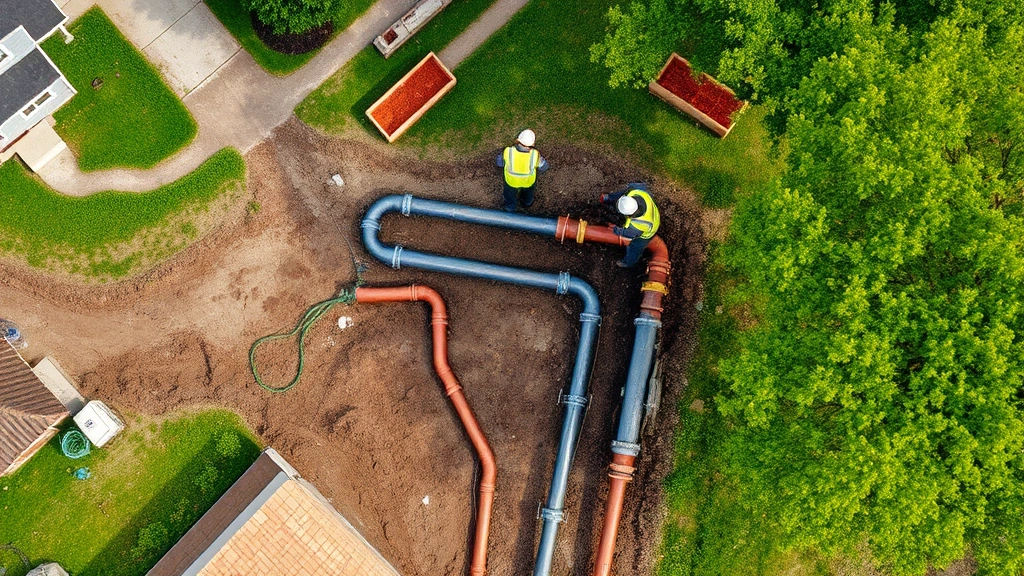
Weeping gas emerges from multiple points throughout natural gas infrastructure, making it a distributed rather than point-source problem. The primary locations where weeping gas occurs include aging pipeline joints, valve stems, compressor stations, regulator equipment, and meter connections. Unlike dramatic leaks that trigger immediate detection and repair, weeping gas represents a chronic condition affecting infrastructure that may have served communities for decades without major renovation.
Natural gas infrastructure in North America and Europe often dates back 50+ years, with some systems approaching or exceeding their original design lifespan. The materials used in older systems—including cast iron, uncoated steel, and early plastic compounds—become increasingly susceptible to corrosion and material fatigue. As these materials degrade, they create pathways for gas molecules to escape, even when system pressures remain within normal operating ranges. The phenomenon becomes more pronounced during temperature fluctuations, when thermal expansion and contraction stress aging seals and joints.
Weeping gas also occurs at processing facilities, liquefied natural gas terminals, and storage facilities where equipment operates continuously under pressure. Compressor seals, particularly in older units, frequently allow small quantities of gas to escape during normal operation. Regulators designed to maintain pressure differentials across distribution networks may develop minor leaks that persist for years before formal maintenance schedules trigger replacement. This distributed nature makes weeping gas particularly challenging to address systematically.
Environmental Impact and Climate Implications
The environmental significance of weeping gas extends far beyond simple energy waste. Methane, the primary component of natural gas, possesses a global warming potential approximately 25-28 times greater than carbon dioxide over a 100-year period, and up to 80+ times greater when measured over 20 years. This means that even small quantities of methane leakage substantially contribute to climate change, potentially offsetting efficiency gains achieved elsewhere in energy systems.
Research from the U.S. Environmental Protection Agency indicates that methane emissions from natural gas distribution systems represent one of the largest uncontrolled sources of greenhouse gases in developed nations. Weeping gas accounts for a meaningful portion of these emissions, with estimates suggesting that 1-3% of natural gas transported through distribution networks escapes before reaching end consumers. In absolute terms, this represents millions of metric tons of methane annually across major developed economies.
Beyond climate impact, weeping gas contributes to ground-level ozone formation and air quality degradation in urban and suburban areas. Volatile organic compounds released alongside methane react with nitrogen oxides in the atmosphere to form tropospheric ozone, which damages respiratory health and agricultural productivity. Communities living near major distribution infrastructure, compressor stations, or regulator facilities experience disproportionate exposure to these pollutants, raising environmental justice concerns about who bears the health costs of natural gas infrastructure maintenance failures.
The Global Methane Pledge, signed by over 100 countries, commits signatories to reducing methane emissions by 30% below 2020 levels by 2030. Addressing weeping gas represents a critical component of meeting these commitments, particularly since methane reductions offer faster climate benefits than carbon dioxide reduction strategies. Unlike long-term energy transition efforts requiring decades of infrastructure replacement, weeping gas mitigation can yield measurable emissions reductions within 5-10 years through targeted repair and modernization programs.
Current Detection and Monitoring Technologies
Identifying weeping gas requires sophisticated detection technologies, since the leaks often occur at locations difficult to access or inspect visually. Traditional approaches relied on periodic manual inspections using soap solutions or combustible gas detectors, methods that proved time-consuming and frequently missed smaller leaks. Modern detection systems employ multiple complementary technologies to identify and quantify weeping gas with greater precision and efficiency.
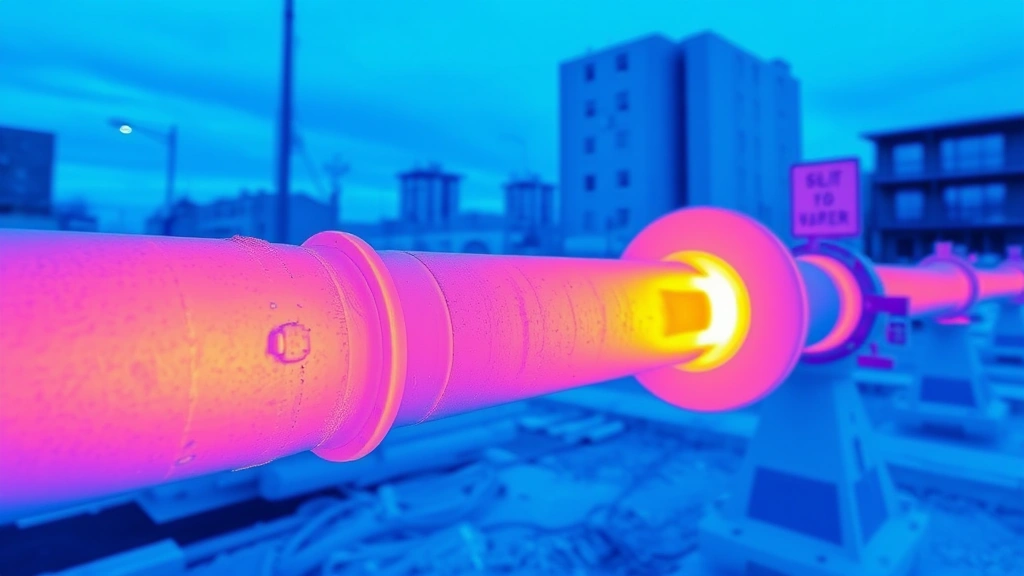
Infrared imaging cameras represent one of the most effective detection tools currently deployed. These devices visualize temperature differentials created by escaping gas, allowing technicians to identify leaks across large infrastructure sections during single inspection passes. Advanced thermal imaging can detect leaks as small as 0.5 grams per hour, capturing a spectrum of weeping gas scenarios that traditional methods would overlook. Utilities increasingly deploy drone-mounted infrared cameras to inspect pipeline corridors, reducing inspection time while improving detection accuracy.
Optical gas imaging technology builds on thermal approaches by using specialized cameras sensitive to specific wavelengths absorbed by methane and other hydrocarbons. This technology provides real-time visualization of gas plumes, enabling technicians to pinpoint leak sources with centimeter-level precision. Some systems integrate artificial intelligence algorithms that automatically classify leak severity and estimate emission rates, supporting prioritization of repair efforts.
Distributed acoustic sensing represents an emerging frontier in weeping gas detection. By deploying fiber optic cables along pipeline routes and monitoring acoustic signatures, operators can identify pressure changes and vibrations associated with gas escaping through equipment failures. This approach offers continuous monitoring capabilities that static inspection methods cannot match, enabling early detection of developing leaks before they become significant.
Sustainable Solutions and Best Practices
Addressing weeping gas sustainably requires comprehensive strategies spanning infrastructure modernization, maintenance optimization, and technological innovation. The most effective approaches combine multiple tactics tailored to specific infrastructure conditions and operational contexts.
Infrastructure replacement and modernization programs represent the most definitive long-term solution. Replacing aging cast iron and uncoated steel pipes with modern polyethylene or composite materials eliminates corrosion-related leakage sources entirely. Modern materials offer superior durability, chemical resistance, and longevity, often extending service life beyond 80-100 years. While replacement programs require substantial capital investment—often exceeding billions of dollars for major utilities—spreading costs across multi-decade programs makes them economically feasible while delivering compounding environmental benefits.
Implementing sustainable energy solutions includes prioritizing weeping gas reduction within broader natural gas system efficiency initiatives. Progressive utilities establish aggressive timelines for main replacement, targeting completion of 100% replacement within 30-50 years. This approach ensures that all infrastructure eventually meets modern standards while allowing phased implementation that maintains system reliability and spreads financial burden across multiple budget cycles.
Maintenance optimization programs enhance detection and repair frequency for aging infrastructure sections. Rather than waiting for scheduled maintenance intervals, data-driven approaches identify high-risk areas based on pipe age, material type, soil conditions, and historical leak patterns. Utilities can then concentrate inspection and repair efforts on sections with elevated weeping gas risk, maximizing environmental and economic returns on maintenance investments.
Seal and valve modernization addresses equipment-specific weeping gas sources. Replacing aging compressor seals, regulator diaphragms, and valve stems with modern, low-emission alternatives eliminates significant leak pathways. Modern seals designed specifically for low-emission applications can reduce equipment-related methane losses by 50-80% compared to older designs. Scheduling these replacements during routine maintenance cycles minimizes operational disruption while improving system performance.
Pressure management strategies reduce overall system stress on aging infrastructure. By optimizing pressure profiles across distribution networks, utilities can decrease the driving force pushing gas through micro-leaks and corroded connections. Advanced pressure management systems use real-time monitoring and automated valve control to maintain target pressures while minimizing peak pressures that stress aging materials. This approach delivers measurable weeping gas reduction without requiring infrastructure replacement.
Economic Considerations and Industry Response
The economics of weeping gas management create complex tradeoffs between immediate costs and long-term environmental and operational benefits. Utilities must balance substantial infrastructure replacement investments against regulatory pressures and environmental commitments.
The cost of modern piping materials and installation typically exceeds traditional approaches by 15-30% per linear mile. For utilities managing hundreds of thousands of miles of distribution infrastructure, this premium translates to substantial total capital requirements. However, modern materials offer offsetting benefits including reduced maintenance requirements, longer service life, and improved reliability that reduce overall lifecycle costs. Additionally, weeping gas reduction delivers quantifiable value through reduced energy losses—the gas that escapes represents lost revenue for utilities and wasted resources from consumers’ perspectives.
Regulatory frameworks increasingly incentivize weeping gas mitigation. Many jurisdictions now require utilities to report methane emissions from distribution systems and establish reduction targets. Some regulatory structures allow utilities to recover infrastructure modernization investments through rate adjustments, spreading costs across customer bases while ensuring that modernization proceeds at economically sustainable rates. The EPA’s Methane Emissions Reduction Program provides technical assistance and funding opportunities for utilities implementing weeping gas reduction initiatives.
Industry leaders increasingly recognize weeping gas reduction as integral to long-term business sustainability. Major utilities have committed to achieving net-zero methane emissions from operations by 2030-2050, with weeping gas mitigation representing a primary strategy for meeting these targets. These commitments reflect recognition that environmental performance increasingly influences investment decisions, insurance costs, and regulatory relationships. Companies demonstrating proactive weeping gas management position themselves favorably within evolving sustainability frameworks.
Exploring strategies to reduce environmental footprint extends beyond individual consumer choices to systemic infrastructure improvements that utilities can implement. Supporting utilities committed to weeping gas reduction and demanding transparency about methane emissions enables consumers to align personal values with infrastructure investments.
Future Outlook: Can Weeping Gas Be Managed Sustainably?
The sustainability of weeping gas management ultimately depends on whether the natural gas industry can implement comprehensive solutions faster than climate imperatives demand. Current trajectories suggest that management is possible but requires accelerated action and sustained investment.
Technological innovations continue advancing detection and repair capabilities. Artificial intelligence systems increasingly optimize inspection scheduling and repair prioritization, concentrating resources on highest-impact interventions. Autonomous inspection robots promise to reduce labor requirements while enabling more frequent monitoring of critical infrastructure sections. These innovations gradually improve the economics of weeping gas management, making comprehensive solutions increasingly cost-effective.
The broader energy transition context shapes weeping gas sustainability prospects significantly. In regions rapidly transitioning toward renewable electricity and heat pump technologies, natural gas infrastructure investments face uncertain long-term returns. This creates incentives for utilities to prioritize high-impact, cost-effective weeping gas solutions over comprehensive replacement programs. Conversely, regions expecting continued natural gas demand justify larger infrastructure modernization investments that include comprehensive weeping gas elimination.
Policy frameworks will likely become increasingly stringent regarding acceptable methane emissions levels. Future regulations may establish specific limits on distribution system leakage rates, effectively mandating infrastructure modernization timelines. The International Energy Agency’s Methane Tracker monitors progress toward emissions reduction goals, providing transparency that supports stronger policy development.
Sustainable weeping gas management ultimately requires viewing natural gas infrastructure as a temporary energy transition tool rather than a permanent system. This perspective justifies targeted investments in high-impact solutions—infrastructure replacement in densely populated areas, equipment modernization in high-leak facilities, and aggressive maintenance programs—while accepting that some aging infrastructure may continue operating with managed leakage until retirement and decommissioning.
Understanding alternatives to fossil fuel systems provides context for weeping gas discussions. As electrification progresses and renewable energy becomes dominant, natural gas distribution infrastructure will eventually become obsolete. This reality argues for strategic, phased approaches to weeping gas management rather than attempting to preserve aging systems indefinitely.
FAQ
What exactly is weeping gas and how is it different from major gas leaks?
Weeping gas refers to small, continuous releases of natural gas from aging pipes, faulty seals, and corroded equipment throughout distribution networks. Unlike dramatic pipeline ruptures, weeping gas escapes slowly and persistently across thousands of miles of infrastructure. While individual weeping gas leaks are minor, their cumulative effect represents significant methane emissions—often 1-3% of transported gas nationally. Detection requires specialized technology since leaks may be invisible and occur at inaccessible locations.
How much does weeping gas contribute to climate change?
Methane from weeping gas possesses 25-28 times the global warming potential of carbon dioxide over 100 years. In absolute terms, weeping gas from natural gas distribution systems contributes hundreds of millions of metric tons of carbon dioxide equivalent annually to atmospheric greenhouse gases across developed nations. This makes weeping gas reduction one of the fastest, most cost-effective climate mitigation strategies available.
Can weeping gas be completely eliminated from natural gas systems?
Complete elimination requires comprehensive infrastructure replacement with modern materials and equipment, a multi-decade undertaking for most utilities. However, dramatic reduction is achievable within 10-20 years through targeted replacement of highest-leak infrastructure, equipment modernization, and enhanced maintenance programs. Progressive utilities achieving 80-90% leakage reduction demonstrate that near-elimination is technically and economically feasible.
What are the health impacts of weeping gas in residential areas?
Beyond methane’s climate impact, volatile organic compounds released with weeping gas contribute to ground-level ozone formation, which damages respiratory health. Communities near aging distribution infrastructure, compressor stations, or regulator facilities experience elevated exposure to these pollutants. Children, elderly individuals, and people with respiratory conditions face heightened vulnerability to ozone-related health effects.
How can consumers encourage weeping gas reduction by their utilities?
Consumers can request transparency about methane emissions from distribution systems, support utility investments in infrastructure modernization, and advocate for stronger regulatory standards. Choosing utilities with demonstrated commitments to weeping gas reduction, participating in public comment periods for utility rate cases, and supporting policies establishing methane emission limits all contribute to accelerating progress. Learning about green technology innovations helps consumers understand emerging solutions utilities can deploy.
What is the timeline for addressing weeping gas at scale?
Most utilities have established 30-50 year timelines for comprehensive infrastructure replacement. Aggressive programs targeting completion within 30 years are technically feasible and increasingly economically justified. However, current replacement rates must accelerate 2-3 fold to meet emerging climate commitments. Regulatory policies establishing binding timelines will likely drive faster progress than current voluntary utility commitments.


