Gas Burners: Eco-Friendly or Not? A Comprehensive Analysis
Gas burners have been a staple in kitchens and heating systems for decades, offering convenience and reliable performance. However, as environmental concerns intensify and climate change becomes increasingly urgent, homeowners and businesses are questioning whether gas burners align with sustainability goals. The answer is nuanced—gas burners present both environmental challenges and comparative advantages depending on context, available alternatives, and regional energy sources.
Understanding the ecological impact of gas burners requires examining their carbon footprint, efficiency ratings, emissions profiles, and how they compare to electric alternatives. This comprehensive analysis explores whether gas burners deserve a place in eco-conscious homes and what strategies can minimize their environmental harm.
Environmental Impact of Natural Gas Combustion
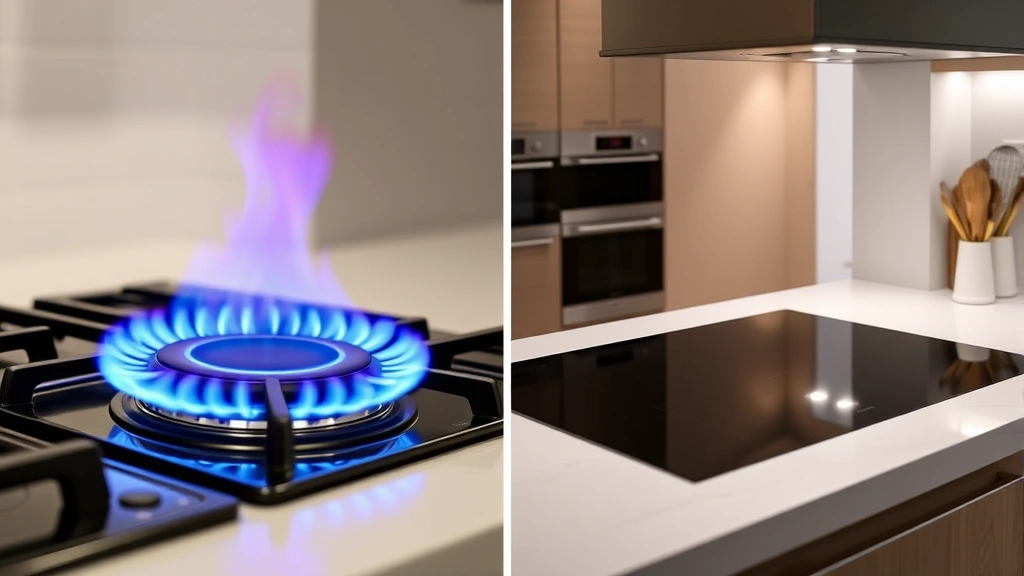
When a gas burner ignites, it burns natural gas—primarily methane—to produce heat. This combustion process releases carbon dioxide (CO2), a greenhouse gas that contributes significantly to global warming. The environmental footprint of gas burners extends beyond just the combustion phase; it includes extraction, processing, transportation, and distribution of natural gas through pipeline infrastructure.
Natural gas is often marketed as a cleaner fossil fuel compared to coal or oil because it produces fewer emissions per unit of energy. However, this relative advantage shouldn’t obscure the fundamental truth: gas burners are still fossil fuel-dependent and incompatible with net-zero climate targets. The EPA reports that natural gas combustion accounts for approximately 30% of energy-related CO2 emissions in residential and commercial sectors.
For context, a typical household using a gas stove generates roughly 0.5 to 1 ton of CO2 annually, depending on usage frequency and burner efficiency. When multiplied across millions of households, this creates a substantial collective impact. The environmental case against gas burners strengthens when considering that sustainable energy solutions increasingly offer zero-emission alternatives powered by renewable electricity.

Efficiency Ratings and Performance Metrics
One argument supporting gas burners centers on their thermal efficiency. Traditional gas cooktops convert approximately 70-75% of heat energy into cooking, while electric resistance coils achieve only 65-70% efficiency. However, this advantage diminishes when examining the entire energy system.
Induction cooktops—an electric alternative—actually surpass gas burners with 85-90% efficiency ratings. More importantly, efficiency calculations must account for how electricity is generated. In regions powered primarily by renewable energy sources, electric burners become substantially cleaner than gas. Conversely, in areas reliant on fossil fuel power plants, the advantage narrows but induction cooktops still typically produce lower lifetime emissions.
Modern gas burners offer high-efficiency condensing models that capture exhaust heat, pushing efficiency toward 90%. These premium units cost significantly more than standard burners but represent the best available technology within the gas category. If replacing an older gas burner, upgrading to a high-efficiency model reduces environmental impact compared to maintaining outdated equipment.
Comparing Gas Burners to Electric Alternatives
The gas versus electric debate represents one of the most significant decisions for environmentally conscious households. Understanding the tradeoffs helps inform better choices aligned with how to reduce your environmental footprint.
Electric Coil Burners: These represent the most basic electric option. While they match gas efficiency during cooking, they heat slowly and cool slowly, making them less convenient. Environmental benefits depend entirely on regional electricity sources.
Ceramic Smooth-Top Electric: These offer improved aesthetics and easier cleaning compared to coils. They provide similar efficiency profiles and environmental performance as traditional coils.
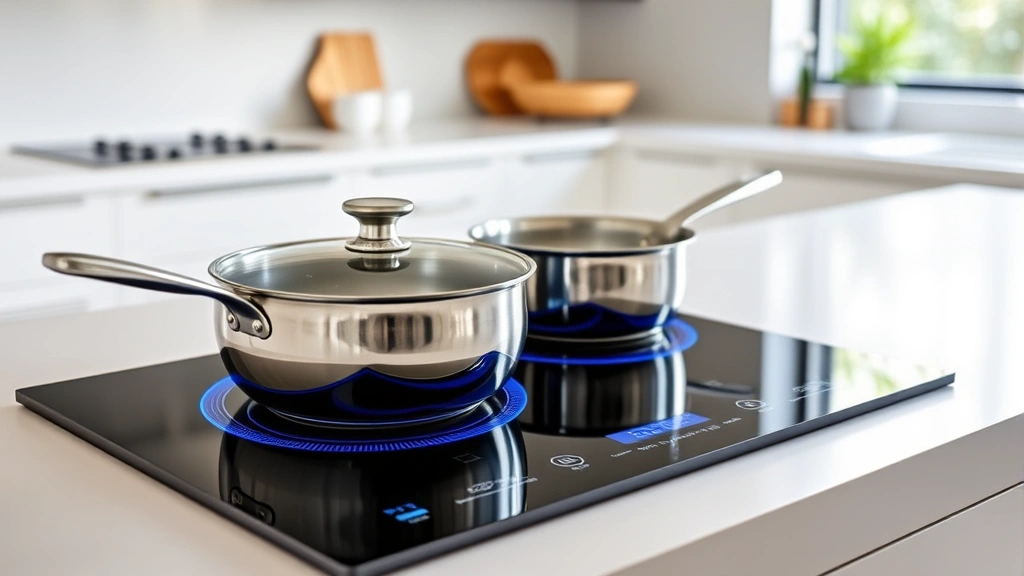
Induction Cooktops: These represent the gold standard for electric cooking from both efficiency and environmental perspectives. Induction technology heats cookware directly through magnetic fields, minimizing wasted heat. They respond instantly like gas burners, offering superior user experience alongside environmental benefits. The primary drawback involves purchasing compatible cookware.
A lifecycle analysis published by Carbon Brief demonstrates that electric burners powered by grid electricity produce 20-30% fewer lifetime emissions than gas burners in most U.S. regions. In areas with high renewable energy penetration, electric burners become 50-80% cleaner. This advantage only increases as electrical grids transition toward renewable sources.
The transition to electric cooking aligns with broader green technology innovations transforming our future, supporting grid decarbonization efforts.
Methane Emissions and Leakage Concerns
Beyond combustion emissions, gas burners contribute to environmental harm through methane leakage throughout the supply chain. Methane—the primary component of natural gas—possesses a global warming potential approximately 80-85 times greater than CO2 over a 20-year period, making leakage a critical concern.
Studies indicate that 2-3% of natural gas leaks during extraction, processing, transmission, and distribution before reaching homes. This fugitive methane escapes through aging pipeline infrastructure, equipment failures, and intentional releases during maintenance. The Environmental Defense Fund estimates these leakage rates significantly underestimate actual emissions, with some research suggesting figures approach 4-5% in certain regions.
For a household consuming 50 million BTUs of natural gas annually (typical for heating and cooking), leakage alone contributes emissions equivalent to 0.5-1 ton of CO2 beyond combustion impacts. This hidden environmental cost rarely receives attention in marketing materials promoting gas as a “clean” alternative to other fossil fuels.
Switching to electric burners completely eliminates this methane leakage problem, providing an immediate environmental benefit regardless of electricity grid composition.
Health and Indoor Air Quality Issues
Beyond climate considerations, gas burners present direct health risks through indoor air pollution. Combustion produces nitrogen dioxide (NO2), carbon monoxide (CO), and formaldehyde—all harmful indoor air pollutants.
Research from Stanford studies reveals that gas cooking can elevate indoor NO2 levels to concentrations exceeding outdoor air quality standards, particularly in poorly ventilated kitchens. Children in homes with gas stoves experience higher rates of respiratory infections, asthma, and reduced lung function development.
Proper ventilation through range hoods helps mitigate these risks, but many households lack adequate hood systems or use them inconsistently. Electric burners eliminate these combustion byproducts entirely, improving indoor air quality and protecting family health—an environmental benefit extending beyond climate considerations.
Health improvements from transitioning to electric cooking represent tangible quality-of-life enhancements complementing broader sustainability efforts.
Making the Transition to Cleaner Cooking
For environmentally committed households, transitioning from gas to electric burners represents a meaningful sustainability upgrade. However, the decision involves practical considerations beyond environmental impact.
Cost Considerations: Induction cooktops cost 20-40% more than comparable gas ranges initially. However, lower operational costs, reduced maintenance needs, and improved efficiency gradually offset this premium. Many utility companies and environmental programs offer rebates reducing upfront costs.
Electrical Infrastructure: Kitchens with older electrical systems may require upgrades to support high-power electric ranges. Consulting with licensed electricians ensures proper installation and identifies potential additional costs.
Cooking Preferences: Cooks accustomed to gas may experience adjustment periods with electric alternatives. Induction cooktops most closely replicate gas-like responsiveness, while traditional electric coils require learning new techniques.
Cookware Compatibility: Induction cooking requires magnetic cookware. Stainless steel and cast iron work well, while aluminum and copper do not. Most households already possess compatible cookware, though some pieces may need replacement.
Implementing how to save energy at home practical tips for a greener cost-effective living extends beyond cooking appliances, creating comprehensive household efficiency improvements.
Sustainable Practices for Gas Burner Users
Not all households can immediately replace gas burners, whether due to financial constraints, rental situations, or infrastructure limitations. For those continuing to use gas burners, several strategies minimize environmental impact.
Optimize Burner Efficiency: Match pot and pan sizes to burner sizes, avoiding oversized cookware that wastes heat. Use lids to reduce cooking time and energy consumption. Keep burners clean, as buildup reduces heat transfer efficiency.
Maintain Equipment: Regular maintenance ensures burners operate at peak efficiency. Have gas stoves inspected annually by professionals to identify leaks or inefficiencies.
Improve Ventilation: Installing and consistently using range hoods improves indoor air quality while preventing heat loss. Modern range hoods with variable speed controls balance ventilation needs with energy efficiency.
Reduce Cooking Frequency: Meal planning, batch cooking, and using pressure cookers or slow cookers reduces overall cooking energy consumption. These strategies benefit both environmental and financial sustainability.
Transition Planning: Develop a timeline for replacing gas burners with electric alternatives. Even if immediate replacement isn’t feasible, planning ahead allows gradual implementation as budgets permit.
Support Policy Change: Advocacy for building codes requiring electric cooking in new construction accelerates sector-wide transition. Supporting renewable energy expansion ensures electricity grids become progressively cleaner, improving environmental benefits of existing electric appliances.
Exploring advantages of electric vehicles provides perspective on broader electrification trends supporting transportation and home energy decarbonization simultaneously.
FAQ
Are gas burners truly eco-friendly?
Gas burners are not genuinely eco-friendly. While natural gas produces fewer emissions than coal, it remains a fossil fuel generating significant greenhouse gas emissions. Methane leakage throughout supply chains adds hidden environmental costs. Electric alternatives powered by renewable electricity represent substantially cleaner options.
What is the environmental difference between gas and electric burners?
Electric burners typically produce 20-30% fewer lifetime emissions than gas burners in most U.S. regions, with advantages increasing in areas with higher renewable energy penetration. Induction cooktops offer the best environmental performance among cooking appliances. The advantage widens annually as electrical grids transition toward renewable sources.
Is it worth replacing a gas stove with an electric one?
Replacing a functioning gas stove with an electric alternative represents a sound environmental investment, particularly induction cooktops. The payback period through energy savings typically ranges 5-10 years depending on regional electricity costs and usage patterns. Health benefits and improved cooking performance provide additional justification beyond environmental considerations.
What should renters do about gas burners?
Renters have limited ability to replace appliances but can optimize existing gas burners through efficiency practices. Advocating with landlords for upgrades, using portable induction cooktops as supplements, and supporting policy changes requiring electric cooking in rental properties all contribute to broader transition efforts.
How do gas burners compare to other cooking methods?
Compared to electric coil burners, gas offers slightly better efficiency and responsiveness. Induction cooktops surpass both with superior efficiency and environmental performance. Microwave ovens and convection cooking provide energy-efficient alternatives for specific applications. Combining multiple cooking methods optimizes both efficiency and convenience.
What’s the timeline for phasing out gas burners?
Several progressive cities including Berkeley, New York, and San Francisco have implemented building codes phasing out gas in new construction. However, national policy remains inconsistent. Individual households can accelerate transition timelines through proactive replacement decisions aligned with SustainWise Hub Blog sustainability recommendations.


