
Can Gas Cause Back Pain? Doctor Weighs In on Digestive Discomfort and Spinal Health
Back pain affects millions of people worldwide, and while many assume it stems from poor posture, injury, or muscle strain, few realize that gastrointestinal issues—particularly excess gas—can be a significant contributor. Understanding the connection between digestive health and back pain is essential for anyone experiencing unexplained discomfort. This comprehensive guide explores how gas causes back pain, the mechanisms behind it, and practical solutions to alleviate both conditions simultaneously.
The human body is an interconnected system where problems in one area often manifest in unexpected ways. When gas accumulates in your digestive tract, it doesn’t just cause bloating or stomach discomfort—it can trigger referred pain in your back, shoulders, and chest. Medical professionals increasingly recognize this connection as patients seek answers for chronic back pain that doesn’t respond to traditional treatments.
How Gas Causes Back Pain: The Medical Connection
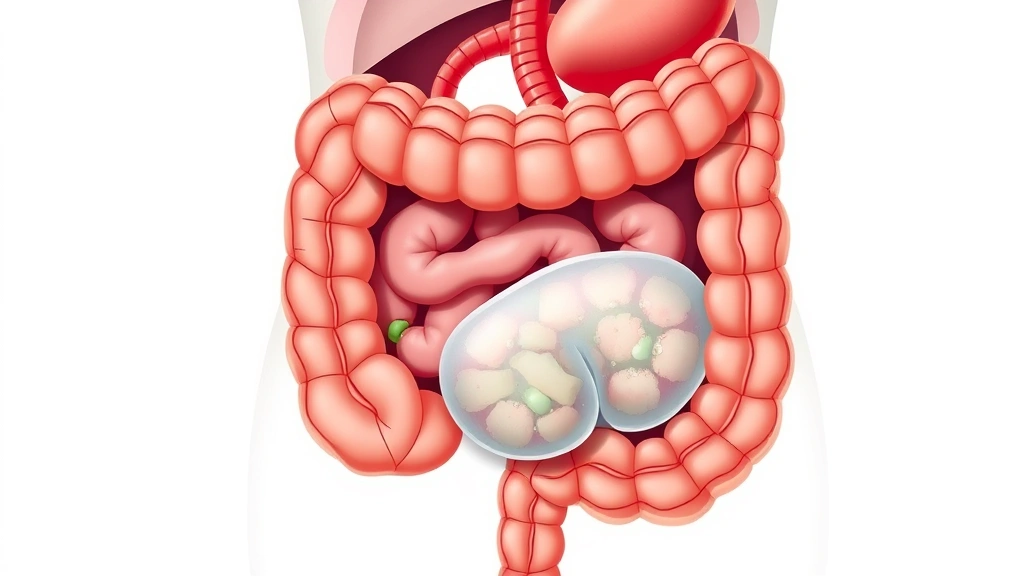
Gas accumulation in your colon and intestines creates pressure that can directly irritate nerve endings in your back. When you have excess gas, your intestines expand beyond their normal size, pushing against surrounding tissues and organs. This expansion places stress on the muscles and nerves in your lower back, particularly in the lumbar region where most people experience gas-related back pain.
The phenomenon is called referred pain, where discomfort originates in one area but is felt in another. Your digestive system shares nerve pathways with your spinal column, which explains why intestinal distress often manifests as back pain rather than isolated abdominal discomfort. Many patients report that their back pain improves significantly once they address their digestive health through lifestyle adjustments.
The colon’s position in your abdominal cavity makes it particularly prone to causing lower back pain when inflamed or distended. The sigmoid colon, located in the lower left abdomen, sits directly adjacent to lumbar vertebrae. When gas fills this section, it can press against nerves that run along your spine, creating pain that radiates across your entire lower back.
Research from the National Institute of Diabetes and Digestive and Kidney Diseases confirms that gastrointestinal disorders are frequently misdiagnosed as musculoskeletal conditions. Many people spend months or years treating their back pain with physical therapy and medication when the real culprit is their digestive system.

Anatomical Reasons Behind Referred Pain
Understanding why gas causes back pain requires examining your body’s nerve distribution system. Your spinal nerves branch out from your vertebrae to supply sensation and function to various organs, including your digestive tract. When your intestines become distended with gas, they stimulate these shared nerve pathways, sending pain signals to your brain that register as back discomfort.
The concept of referred pain is well-documented in medical literature. When inflammation or pressure occurs in your digestive organs, your nervous system sometimes interprets the signal as coming from your back muscles rather than your intestines. This happens because both your gut and your back share neural connections through the same spinal nerve roots.
Additionally, when your abdomen becomes bloated from gas, your core muscles weaken as they stretch to accommodate the expansion. Your core muscles are essential for supporting your spine and maintaining proper posture. When these muscles are compromised, your back muscles must work harder to stabilize your vertebrae, leading to fatigue, tension, and pain.
The psoas muscle, a deep abdominal muscle that connects your spine to your legs, becomes particularly affected. Gas-induced bloating can irritate this muscle, causing lower back pain that sometimes extends down your legs. This condition is often mistaken for sciatica, leading patients down an unnecessary diagnostic and treatment pathway.
Organ-specific referred pain patterns vary depending on which part of your digestive system is affected. Pain from your small intestine typically manifests around your umbilicus (belly button), while colon issues cause lower back and hip pain. Understanding these patterns helps healthcare providers correctly diagnose gas-related back pain.
Common Digestive Conditions That Trigger Back Pain
Several gastrointestinal conditions are notorious for causing back pain. Irritable Bowel Syndrome (IBS) is perhaps the most common culprit, affecting approximately 10-15% of the global population. IBS causes irregular muscle contractions in your intestines, leading to gas accumulation, bloating, and referred back pain.
Small Intestinal Bacterial Overgrowth (SIBO) is another condition increasingly recognized as a cause of back pain. In SIBO, excessive bacteria in your small intestine produce gas as a byproduct of fermentation. This gas accumulation creates significant bloating and abdominal distension, often accompanied by lower back pain.
Lactose intolerance and other food sensitivities cause gas production when your digestive system cannot properly process certain foods. If you’re lactose intolerant, consuming dairy products triggers bacterial fermentation in your colon, producing gas that causes both abdominal and back discomfort. Similarly, consuming high-FODMAP foods—those containing fermentable carbohydrates—can trigger gas in susceptible individuals.
Constipation is a primary cause of gas-related back pain. When stool moves slowly through your colon, bacteria ferment undigested food, producing excess gas. The combination of retained stool and gas creates significant abdominal distension and lower back pain. This is why many patients with chronic constipation also report chronic back pain.
Celiac disease and non-celiac gluten sensitivity cause intestinal inflammation and gas production in susceptible individuals. The inflammation damages your intestinal lining, impairing digestion and nutrient absorption while promoting gas formation. Patients often experience both abdominal pain and referred back pain.
Inflammatory Bowel Disease (IBD), including Crohn’s disease and ulcerative colitis, causes chronic inflammation throughout your digestive tract. This inflammation leads to gas accumulation, bloating, and significant back pain. Managing IBD effectively often requires specialized medical treatment and dietary modifications.
Symptoms to Watch For
Recognizing gas-related back pain requires understanding the constellation of symptoms that typically accompany it. Primary indicators include: lower back pain that worsens after eating, bloating and abdominal distension, excessive belching or flatulence, and discomfort that improves after bowel movements or passing gas.
Many patients report that their back pain follows a predictable pattern related to meals. Pain intensifies within hours of eating, particularly after consuming trigger foods. The pain often radiates across the entire lower back and may extend into the buttocks or hips. Some patients describe it as a dull ache, while others experience sharp, stabbing sensations.
Associated digestive symptoms help confirm that your back pain originates from gas rather than structural spinal issues. These include abdominal cramping, irregular bowel movements, changes in stool consistency, nausea, and acid reflux. If your back pain occurs alongside these symptoms, gas is likely the culprit.
Pay attention to timing and triggers. Gas-related back pain typically peaks in the afternoon or evening, after meals have moved through your digestive system. Certain foods—beans, cruciferous vegetables, high-fat foods, carbonated beverages, and artificial sweeteners—consistently trigger symptoms in susceptible individuals.
Some patients experience referred pain in unexpected locations. While lower back pain is most common, gas can cause mid-back pain, shoulder blade pain, or even chest discomfort. This referred pain pattern often leads to misdiagnosis, with patients receiving unnecessary cardiac workups or spinal imaging.
Lifestyle Changes for Digestive Health
Addressing gas-related back pain requires a multifaceted approach focusing on digestive optimization. Your diet is the most powerful tool for managing gas production and subsequent back pain. Identifying and eliminating trigger foods is essential for long-term relief.
Dietary modifications should include eliminating high-FODMAP foods temporarily to identify triggers. These foods include onions, garlic, wheat, certain fruits, and legumes. Many people find that a low-FODMAP diet, followed under professional guidance, dramatically reduces gas and back pain. After identifying your specific triggers, you can reintroduce foods individually to determine your tolerance levels.
Increasing your fiber intake gradually helps normalize bowel function and reduce gas accumulation. Many people consume too little fiber, leading to constipation and gas buildup. However, increasing fiber too quickly can temporarily worsen symptoms. Add fiber gradually—about 5 grams per week—allowing your digestive system to adapt.
Eating slowly and chewing thoroughly reduces the amount of air you swallow during meals. Many gas-related problems stem from aerophagia (excessive air swallowing) rather than food fermentation. Taking 20-30 minutes for meals and chewing each bite 20-30 times significantly reduces gas production.
Staying hydrated supports digestive function and helps prevent constipation, a major contributor to gas accumulation. Drinking adequate water—typically half your body weight in ounces daily—promotes regular bowel movements and reduces the time stool spends in your colon fermenting.
Regular physical activity improves digestive motility and helps move gas through your system more efficiently. Even gentle activities like walking, yoga, or swimming can significantly reduce bloating and back pain. Incorporating daily movement into your routine benefits both your digestive and musculoskeletal health.
Managing stress through meditation, deep breathing, or mindfulness practices reduces stress-induced digestive issues. Stress activates your sympathetic nervous system, impairing digestion and increasing gas production. Consistent stress management improves both digestive and back pain symptoms.
Consider supplementation strategically. Digestive enzymes help break down foods more completely, reducing undigested material available for bacterial fermentation. Probiotics support healthy gut bacteria balance, potentially reducing gas-producing bacteria. Peppermint tea and ginger supplements have demonstrated effectiveness in reducing bloating and digestive discomfort.
When to Seek Medical Attention
While most gas-related back pain resolves with lifestyle modifications, certain situations warrant professional medical evaluation. If your back pain persists despite dietary changes and lifestyle adjustments lasting more than two weeks, consult a healthcare provider.
Seek immediate medical attention if you experience severe back pain accompanied by fever, vomiting, inability to pass gas or stool, or blood in your stool. These symptoms suggest a more serious condition requiring urgent diagnosis and treatment. Additionally, if your back pain radiates down your legs with numbness or weakness, spinal nerve compression may be occurring.
Medical evaluation should include assessment by both a primary care physician and potentially a gastroenterologist. Diagnostic testing may include breath tests for SIBO, stool analysis, food sensitivity testing, or imaging studies. Your healthcare provider can rule out serious conditions like appendicitis, diverticulitis, or herniated discs.
Understanding sustainable approaches to health management includes recognizing when professional intervention is necessary. Don’t attempt to self-diagnose persistent back pain; proper medical evaluation ensures accurate diagnosis and effective treatment.
Consider consulting a registered dietitian who specializes in gastrointestinal health. These professionals can help identify your specific food triggers and develop a personalized nutrition plan. A physical therapist can also address postural issues and core weakness exacerbated by chronic bloating.
FAQ
Can gas cause severe back pain?
Yes, gas can cause severe back pain, particularly when significant bloating occurs. The intensity depends on how much gas accumulates and how sensitive your nerves are to pressure. Some people experience mild discomfort, while others develop debilitating pain that interferes with daily activities. Severe cases may require medical evaluation to rule out other conditions.
How long does gas-related back pain typically last?
Gas-related back pain usually resolves within hours to a few days once the gas passes. However, if you regularly consume trigger foods or have an underlying condition like IBS or SIBO, back pain may become chronic. Addressing the root cause typically provides lasting relief within weeks to months.
What’s the difference between gas pain and appendicitis?
Gas pain is usually diffuse, affecting your entire lower abdomen and back, while appendicitis causes localized pain in the lower right abdomen. Appendicitis pain worsens with movement and is accompanied by fever and vomiting. If you’re unsure, seek medical evaluation to rule out appendicitis.
Can back exercises help with gas-related back pain?
While strengthening exercises help some patients, they may worsen symptoms in others by increasing abdominal pressure. Gentle movement like walking is generally beneficial, while intense abdominal exercises should be avoided until gas issues resolve. Consult a physical therapist for personalized recommendations.
Are there over-the-counter medications that help?
Simethicone (Gas-X) helps break up gas bubbles, providing relief for some people. Antacids may help if acid reflux accompanies your symptoms. However, these provide temporary relief rather than addressing the underlying cause. Dietary changes and lifestyle modifications offer more lasting solutions.
Does sustainable living affect digestive health?
Yes, sustainable living practices often improve digestive health. Consuming whole, unprocessed foods from local sources, reducing artificial additives, and minimizing stress through nature exposure all support optimal digestion. Sustainable practices naturally align with digestive wellness.
Can gas cause chest pain and back pain simultaneously?
Yes, gas can cause referred pain in multiple locations, including your chest, back, and shoulders. This occurs because gas-induced bloating expands your abdomen, affecting multiple nerve pathways. Chest pain from gas is sometimes mistaken for cardiac issues, making proper diagnosis important.


