Can Renewable Energy Reduce Bills? Study Insights and Financial Benefits
The rising cost of electricity has prompted millions of households to explore alternative energy sources. Renewable energy systems, particularly solar and wind installations, have become increasingly accessible to homeowners seeking to lower their utility bills. Recent studies and real-world data demonstrate that transitioning to renewable energy can yield substantial financial savings over time, though the initial investment and long-term returns depend on several factors including location, system size, and available incentives.
This comprehensive analysis examines current research on renewable energy’s impact on household expenses, explores the mechanisms behind cost reduction, and provides actionable insights for consumers considering the switch. Understanding how renewable systems work alongside traditional energy infrastructure helps homeowners make informed decisions about their energy future.
How Renewable Energy Systems Reduce Monthly Bills
Renewable energy systems generate electricity directly from natural resources, eliminating or significantly reducing dependence on grid-supplied power. When you install solar panels or a small wind turbine, the system produces electricity during peak generation hours. This self-generated power offsets the amount you purchase from your utility company, directly lowering your monthly bill.
The reduction mechanism works through net metering, a billing arrangement where excess electricity generated by your renewable system flows back to the grid. In return, you receive credits that offset electricity you consume during non-generation periods. For example, solar panels generate most power during midday hours, but you may use more electricity in evenings. Those daytime credits help cover evening usage, creating a balanced monthly statement.
Beyond direct generation, renewable energy systems provide protection against rising electricity rates. Utility rates typically increase 2-3% annually, but homeowners with renewable systems lock in their energy costs. After the initial installation, operational costs remain minimal, creating predictable long-term expenses. This rate protection becomes increasingly valuable over decades of ownership.
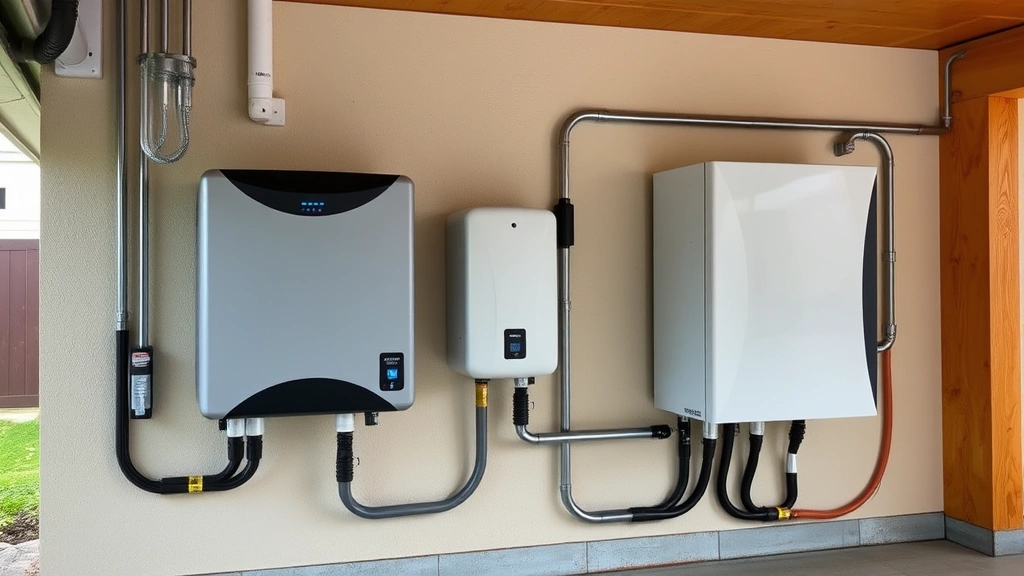
The sustainable energy solutions available today integrate seamlessly with existing home infrastructure. Battery storage systems enhance bill reduction by allowing you to store excess power and use it during peak rate hours, further optimizing savings.
Key Findings from Recent Studies
Recent research provides compelling evidence for renewable energy’s financial benefits. A comprehensive study by the National Renewable Energy Laboratory (NREL) analyzed over 100,000 solar installations and found that homeowners save an average of $10,000 to $30,000 over the system’s 25-year lifespan. This variation reflects differences in local electricity rates, system size, and regional solar potential.
The U.S. Department of Energy reported that solar panel costs have declined 70% over the past decade, making renewable energy more financially accessible than ever. Simultaneously, system efficiency has improved, meaning newer installations generate more electricity from the same physical footprint.
Research from energy analytics firms demonstrates that payback periods average 7-12 years in most U.S. regions, meaning homeowners recover their initial investment through bill savings within this timeframe. After the payback period, the system continues generating free electricity for 15+ additional years, creating substantial profit.
Studies also reveal that homes with renewable energy systems experience increased property values. Research indicates that buyers value homes with solar installations at a premium of approximately 4%, reflecting the desirability of reduced operating costs and environmental benefits.

Solar Energy: The Most Accessible Option
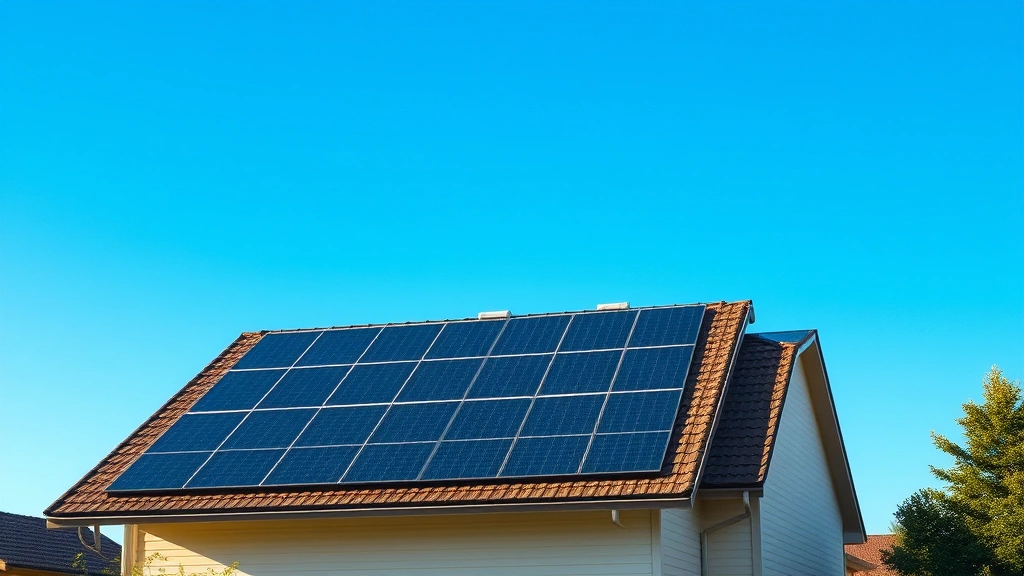
Photovoltaic (PV) solar systems remain the most popular renewable choice for residential installations. These systems convert sunlight directly into electricity through semiconductor technology. Unlike older thermal solar systems, modern PV panels work efficiently even on cloudy days, making them viable across diverse climates.
The bill reduction potential depends on several factors:
- Geographic location: Homes in sunnier regions generate more electricity per installed watt, accelerating payback periods
- System size: Larger installations produce proportionally more electricity, though optimal sizing matches your historical consumption patterns
- Roof orientation: South-facing roofs in the Northern Hemisphere maximize sun exposure and generation
- Shading: Trees, buildings, and other obstructions reduce system performance significantly
- Local electricity rates: Higher utility rates mean greater savings per kilowatt-hour generated
Modern solar installations often include monitoring systems that track real-time generation and consumption. These apps empower homeowners to understand their energy patterns and optimize usage for maximum savings. Some systems integrate with smart home technology, automatically shifting energy-intensive tasks to peak generation hours.
The comparison between natural gas and renewable energy reveals that while gas provides heating solutions, it contributes to rising energy costs and carbon emissions. Solar systems address electricity needs while eliminating these concerns.
Battery storage technology has revolutionized solar economics. Tesla Powerwall and similar systems store excess daytime generation for evening use, reducing reliance on grid electricity during peak-rate hours. Though expensive, battery systems enhance savings by 20-40% in regions with time-of-use pricing.
Wind and Other Renewable Technologies
While less common for residential use than solar, small wind turbines offer exceptional bill reduction potential in appropriate locations. Wind resources vary dramatically by geography, and successful installations require average wind speeds of at least 10 mph. Properties in rural areas, coastal regions, or hilltop locations often benefit from wind energy.
Residential wind turbines range from 1-10 kilowatts and cost $4,000-$15,000 installed. Like solar, they generate electricity that directly offsets grid consumption. Wind turbines often perform best during winter months and cloudy periods when solar output decreases, making them complementary to PV systems in hybrid configurations.
Other renewable technologies gaining traction include:
- Micro-hydro systems: Properties with flowing water can harness stream power, generating consistent electricity year-round
- Geothermal heat pumps: These systems leverage stable ground temperatures for heating and cooling, reducing HVAC electricity consumption by 30-70%
- Hybrid systems: Combining solar, wind, and battery storage optimizes generation across seasons and weather conditions
The latest green technology innovations increasingly integrate renewable generation with smart grid technology, enabling homes to participate in demand-response programs that provide additional financial incentives.
Government Incentives and Tax Credits
Federal and state incentives dramatically improve renewable energy economics. The Investment Tax Credit (ITC) allows homeowners to deduct 30% of installation costs from federal taxes through 2032, gradually declining thereafter. For a $25,000 solar installation, this represents $7,500 in direct tax savings.
State and local programs vary significantly:
- State tax credits: Many states offer additional credits ranging from 5-25% of installation costs
- Rebate programs: Utility companies often provide rebates for renewable installations, sometimes covering 10-20% of costs
- Performance incentives: Some regions pay homeowners for excess electricity fed to the grid
- Accelerated depreciation: Businesses can depreciate renewable systems faster, creating additional tax benefits
- Property tax exemptions: Several states exclude renewable energy systems from property tax assessments
The Environmental Protection Agency (EPA) provides resources for identifying available incentives through their ENERGY STAR program. The Database of State Incentives for Renewables & Efficiency (DSIRE) offers comprehensive listings of federal, state, and local programs.
Financing options have expanded significantly. Many homeowners choose solar loans that allow systems to be purchased without substantial upfront capital, with monthly payments often lower than previous electricity bills. Others use leasing arrangements where third parties own systems and provide electricity at discounted rates.
Return on Investment Timeline
Understanding payback periods helps homeowners evaluate renewable energy’s financial viability. The payback period—when cumulative savings equal initial investment—varies based on multiple factors:
Typical scenarios:
- High solar potential + high electricity rates: 5-8 year payback period
- Moderate solar potential + average electricity rates: 8-12 year payback period
- Low solar potential + low electricity rates: 12-18 year payback period
After payback, homeowners enjoy 10-15+ years of essentially free electricity. Assuming a 25-year system lifespan and 2.5% annual electricity rate increases, post-payback savings compound significantly. A system with an 8-year payback generates additional $15,000-$25,000 in savings during remaining years.
The reduction of your environmental footprint through renewable energy adoption also provides intangible value. Beyond financial returns, you contribute to climate change mitigation and air quality improvement.
Financing impact on ROI: When financed through loans or leases, your cash flow improves immediately. Monthly loan payments often fall below previous electricity bills, creating positive cash flow from year one while extending the payback timeline slightly.
Long-Term Financial Benefits
The financial advantages of renewable energy extend far beyond simple payback calculations. Over a 30-year ownership period, the compounding benefits become substantial:
Protection against rate volatility: Electricity rates have historically increased 2-3% annually, outpacing inflation. Homeowners with renewable systems insulate themselves from these increases. While grid electricity costs double over 25 years, renewable system output remains constant, creating growing savings.
Example calculation: A homeowner with a 7-year payback period saves approximately $150/month in year eight. Assuming 2.5% annual rate increases, by year 25, equivalent grid electricity would cost $250/month, but the renewable system still generates the same electricity at near-zero cost. This $100/month advantage compounds to $12,000+ in additional savings during years 8-25.
Increased home value represents another significant benefit. Studies show homes with renewable systems sell 4% faster and command 3-4% price premiums. For a $400,000 home, this translates to $12,000-$16,000 in added value, often exceeding remaining system costs.
Battery storage systems enhance long-term economics. As grid electricity becomes increasingly expensive and time-of-use rates expand, stored renewable energy becomes increasingly valuable. Homeowners using stored solar power during peak-rate evening hours achieve 40-60% greater savings than those without storage.
The advantages of electric vehicles combine with home renewable energy systems to create comprehensive energy independence. Home-generated solar electricity powers EVs at minimal cost, eliminating gasoline expenses while further reducing utility bills through improved overall efficiency.
Resilience and reliability: Modern renewable systems with battery backup provide power during grid outages. While not marketed primarily as a financial benefit, this resilience has measurable value. Businesses and households with backup power avoid costly disruptions, making renewable systems valuable insurance investments.
FAQ
What is the average cost of a residential solar system?
Residential solar systems typically cost $15,000-$25,000 before incentives, or $2.50-$3.50 per watt. After the 30% federal tax credit, net costs range from $10,500-$17,500. State incentives and rebates can reduce costs further. System pricing varies based on local labor costs, equipment quality, and installation complexity.
How long do renewable energy systems last?
Modern solar panels typically last 25-30 years with minimal degradation, losing approximately 0.5% efficiency annually. Inverters, which convert DC electricity to usable AC power, typically last 10-15 years and require replacement once during a system’s lifespan. Wind turbines last 20-25 years with proper maintenance. Battery storage systems degrade faster, typically lasting 10-15 years before capacity reduces significantly.
Do renewable systems work during cloudy weather or at night?
Solar panels generate electricity on cloudy days, though output decreases 25-75% depending on cloud density. They generate zero electricity at night. This is why battery storage or grid connection becomes important. Grid-connected systems use utility electricity at night, while battery systems provide stored daytime generation. Wind turbines operate day and night whenever winds exceed minimum thresholds.
What maintenance do renewable systems require?
Solar panels require minimal maintenance—occasional cleaning removes dust and debris that reduce efficiency. Professional cleaning costs $150-$300 annually and increases generation 5-10%. Inverter maintenance involves monitoring performance through included apps. Wind turbines require annual inspections and blade cleaning. Battery systems need monitoring to ensure proper charging cycles. Most systems are highly reliable with minimal intervention required.
Can I go completely off-grid with renewable energy?
Yes, off-grid systems combine renewable generation with substantial battery storage and backup generators. However, off-grid systems cost significantly more ($50,000-$100,000+) and require careful sizing to ensure adequate generation and storage year-round. Most homeowners prefer grid-connected systems, which provide reliability while allowing excess generation to be sold back to utilities, offsetting costs.
How do renewable systems affect my home’s resale value?
Homes with renewable energy systems sell 4% faster on average and command 3-4% price premiums. Buyers value reduced operating costs and environmental benefits. Owned systems increase value more than leased systems. The added value typically exceeds remaining system costs, making renewable energy a valuable home improvement investment.
What happens if my renewable system generates more electricity than I use?
Net metering programs credit excess electricity at retail rates, offsetting future consumption. Some regions offer annual true-up, where excess generation credits expire annually. Others provide monthly credits that roll over indefinitely. A few utilities pay cash for excess generation. Check your local utility’s net metering policy to understand your specific benefits.