Buford’s Gas Sustainability: Expert Insights on City Infrastructure and Environmental Impact
The City of Buford, Georgia has become a focal point for examining how municipalities manage natural gas infrastructure while balancing sustainability goals. As urban centers across America grapple with energy transitions, Buford’s approach to gas management offers valuable lessons for communities seeking to reduce their carbon footprint without compromising essential services. This comprehensive analysis explores the intersection of municipal gas systems, environmental responsibility, and forward-thinking energy planning that defines Buford’s sustainability journey.
Understanding how a city like Buford integrates gas utilities into its broader sustainability framework requires examining multiple dimensions: infrastructure modernization, regulatory compliance, community engagement, and alignment with state and federal environmental standards. The insights gathered from Buford’s experience demonstrate that sustainable gas management isn’t about elimination alone—it’s about optimization, innovation, and strategic planning for a cleaner energy future.
Understanding Buford’s Gas Infrastructure
The City of Buford operates within Georgia’s complex energy landscape, where natural gas plays a significant role in residential, commercial, and industrial applications. The municipal gas distribution system represents critical infrastructure serving thousands of households and businesses throughout the city and surrounding areas. Understanding this infrastructure is essential for evaluating sustainability opportunities and identifying areas where improvements can reduce environmental impact while maintaining reliability.
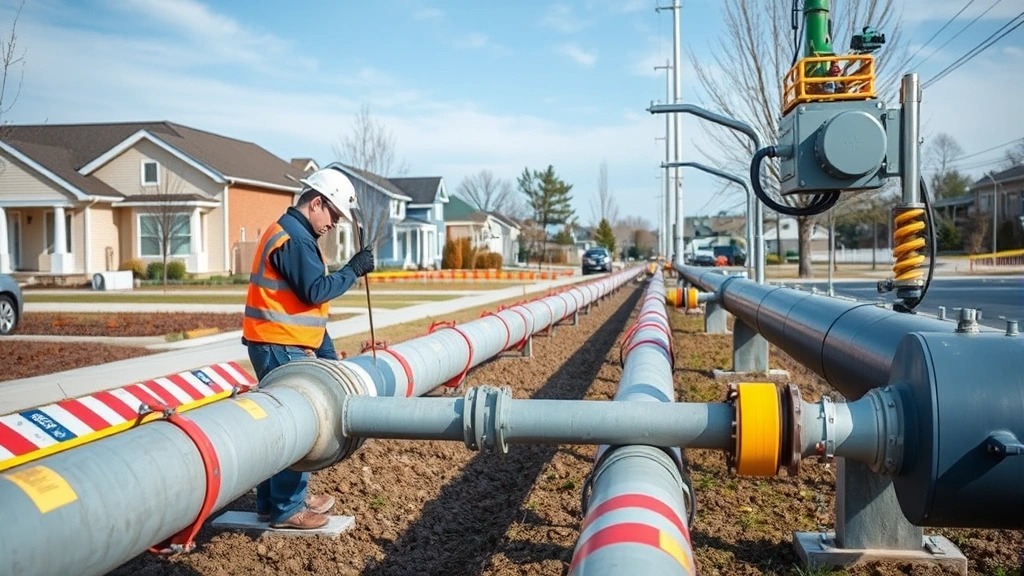
Buford’s gas infrastructure consists of extensive pipeline networks, pressure regulation systems, and distribution points that have evolved over decades. Modern sustainable energy solutions require municipalities to assess the condition, efficiency, and environmental performance of these systems. Many communities are discovering that aging infrastructure presents both challenges and opportunities—replacing outdated equipment with modern alternatives can simultaneously improve service reliability and reduce methane leakage, a potent greenhouse gas.
The relationship between natural gas renewable energy potential and traditional fossil fuel systems remains nuanced. While natural gas itself isn’t renewable, it serves as a transitional fuel that produces fewer emissions than coal or oil. For municipalities like Buford, this means natural gas infrastructure can support decarbonization strategies during the transition to fully renewable energy sources. Smart management of existing gas systems allows cities to meet immediate energy needs while building renewable capacity.
Key infrastructure considerations include:
- Pipeline maintenance programs that reduce methane emissions and improve system efficiency
- Smart metering technology that provides real-time consumption data and identifies leaks faster
- Pressure optimization systems that minimize energy waste throughout distribution networks
- Corrosion prevention measures that extend infrastructure lifespan and reduce replacement frequency
- Safety protocols that protect both public welfare and environmental quality

Environmental Impact and Emissions Reduction
Assessing the environmental impact of municipal gas systems requires examining both direct emissions from natural gas combustion and indirect emissions from system operations. The City of Buford’s commitment to sustainability involves comprehensive emissions tracking and implementation of reduction strategies across all gas-related operations.
Natural gas combustion produces carbon dioxide, the primary greenhouse gas contributing to climate change. When burned for heating, electricity generation, or industrial processes, natural gas releases approximately 50% less CO2 than coal and 25% less than oil. However, this intermediate advantage doesn’t eliminate the need for transition planning toward fully renewable energy sources. Buford’s sustainability framework acknowledges this reality by pursuing parallel strategies: optimizing current gas systems while simultaneously developing renewable energy capacity.
Methane leakage represents another critical environmental concern. Methane is 28-36 times more potent than CO2 over a 100-year timeframe, making even small leaks significant contributors to climate impact. EPA greenhouse gas inventory methods help municipalities quantify and track methane emissions from gas distribution systems. Buford’s infrastructure assessment programs identify and repair leaks proactively, preventing atmospheric release of this powerful greenhouse gas.
Emission reduction strategies implemented in communities like Buford include:
- Regular pipeline inspections using advanced detection technology
- Prompt repair of identified leaks and damaged infrastructure
- Conversion of older gas equipment to high-efficiency models
- Public education programs promoting energy conservation
- Integration of renewable energy sources to reduce gas demand
- Investment in alternative fuel infrastructure for municipal vehicles
Regulatory Framework and Compliance
The City of Buford operates within a regulatory environment established by federal, state, and local authorities. Understanding this framework is essential for appreciating how municipalities balance energy provision with environmental protection. Georgia’s Public Service Commission oversees utility operations, while federal regulations address pipeline safety and environmental standards.
The EPA’s National Ambient Air Quality Standards establish baseline requirements for air quality in all municipalities, including Buford. These standards limit concentrations of pollutants including nitrogen oxides and sulfur dioxide, which result from natural gas combustion. Cities must ensure that gas system operations and customer usage don’t violate these standards, requiring ongoing monitoring and adaptive management.
Pipeline safety regulations, established under the Pipeline and Hazardous Materials Safety Administration (PHMSA), mandate regular inspections, maintenance schedules, and emergency response protocols. These requirements actually support sustainability goals by ensuring efficient system operation and preventing wasteful leaks. Communities that maintain their gas infrastructure to safety standards simultaneously achieve environmental performance improvements.
State-level renewable energy standards create additional regulatory pressure for sustainability. Georgia’s renewable portfolio standard, while modest compared to some states, establishes expectations for renewable energy integration. Municipalities like Buford must navigate these evolving requirements while maintaining reliable service and controlling costs for residents and businesses.
Renewable and Alternative Energy Integration
Buford’s path toward sustainability increasingly emphasizes renewable and alternative energy integration. Rather than viewing natural gas as a permanent solution, forward-thinking municipalities treat it as a transitional fuel while developing diverse energy portfolios. This approach reduces long-term fossil fuel dependence while maintaining service reliability during the transition.
Electric vehicle adoption represents one integration strategy affecting gas demand. As residents and municipal fleets transition from gasoline to electricity, petroleum consumption decreases while electricity demand increases. This shift creates opportunities for natural gas infrastructure to support electricity generation from cleaner sources than coal while renewable capacity expands.
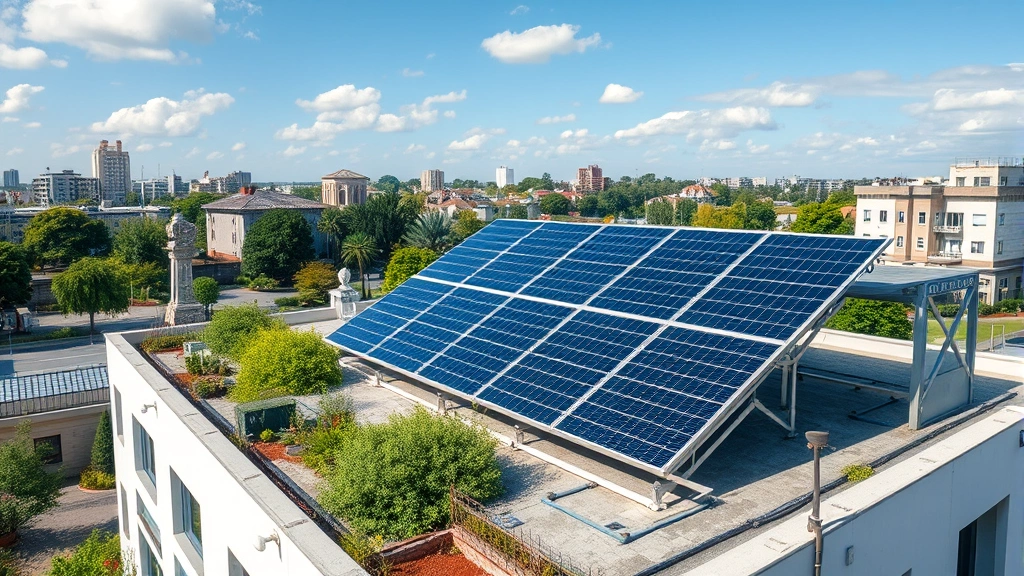
Solar and wind energy development provides direct alternatives to natural gas generation. Georgia’s abundant sunshine supports significant solar potential, and strategic wind installations can contribute meaningful renewable capacity. When communities invest in distributed solar systems and utility-scale renewable projects, natural gas demand declines, reducing overall emissions and environmental impact.
Biogas and renewable natural gas represent emerging alternatives that can utilize existing gas infrastructure. These fuels, produced from organic waste, landfill gas, or agricultural byproducts, provide renewable alternatives to fossil-based natural gas. Forward-thinking utilities like those serving Buford explore biogas integration opportunities that leverage current infrastructure while supporting circular economy principles.
Other alternative energy approaches include:
- Geothermal systems for heating and cooling, eliminating gas consumption in climate control applications
- Heat pumps powered by renewable electricity, replacing gas furnaces with efficient electric alternatives
- District heating networks powered by renewable sources or waste heat recovery
- Hydrogen fuel cells for future industrial and transportation applications
- Energy storage systems that maximize renewable energy utilization and reduce peak demand
Community Sustainability Initiatives
Effective municipal sustainability requires community engagement and participation. The City of Buford’s most successful initiatives involve residents, businesses, and institutions working collectively toward shared environmental goals. These programs demonstrate that sustainability isn’t imposed from above but emerges through collaborative problem-solving and shared commitment.
Energy efficiency programs help residents and businesses reduce consumption, directly decreasing gas demand and associated emissions. Sustainability definition encompasses responsible resource use, and efficiency programs operationalize this principle through practical interventions. Weatherization assistance, HVAC system upgrades, and appliance replacement rebates make energy conservation accessible and affordable.
Public education campaigns raise awareness about energy choices and environmental impacts. When community members understand how their consumption patterns affect climate change and air quality, they become motivated to make different choices. Buford’s sustainability communications help residents understand connections between natural gas usage, emissions, and long-term environmental outcomes.
Municipal green building standards establish expectations for new construction and major renovations. These standards often specify high-efficiency HVAC systems, renewable energy integration, and reduced fossil fuel dependence. Over time, as building stock turns over, these standards gradually transform the community’s energy profile toward greater sustainability.
Business partnership programs engage commercial and industrial users in sustainability efforts. Large employers and industrial facilities often represent significant gas consumers. When these organizations commit to energy efficiency and renewable energy adoption, the cumulative impact substantially reduces community-wide emissions.
Future-Proofing Energy Systems
Buford’s long-term sustainability depends on strategic planning that anticipates energy transitions and builds resilience into municipal systems. Future-proofing requires investment in flexible infrastructure, workforce development, and technological innovation that supports multiple energy pathways.
Grid modernization initiatives enhance system flexibility and support renewable energy integration. Smart grid technologies enable real-time monitoring, demand response, and efficient distribution of electricity from diverse sources. As renewable energy penetration increases, these advanced systems become essential for maintaining reliability while minimizing fossil fuel use.
Green technology innovations transforming energy systems continue accelerating. Battery storage, advanced controls, and artificial intelligence applications enable more sophisticated energy management. Communities that invest in these technologies position themselves advantageously for the energy transitions ahead.
Workforce development ensures that community members benefit from energy transitions. As natural gas infrastructure gradually becomes less central to municipal energy systems, workers in gas utilities require retraining and new employment opportunities. Forward-thinking cities invest in education programs that prepare workers for emerging roles in renewable energy, efficiency services, and advanced grid operations.
Planning processes must accommodate uncertainty while maintaining progress toward sustainability goals. Energy transitions don’t follow predetermined paths—technological breakthroughs, policy changes, and market dynamics create unexpected opportunities and challenges. Adaptive management approaches allow communities like Buford to adjust strategies as new information emerges while maintaining commitment to long-term sustainability objectives.
Strategic priorities for future-proofing include:
- Infrastructure investment prioritizing flexible systems that support multiple energy sources
- Research and development partnerships with universities and technology companies
- Regional collaboration sharing knowledge and resources across municipalities
- Financial mechanisms supporting transitions through bonds, grants, and public-private partnerships
- Policy frameworks establishing clear expectations and timelines for sustainability achievements
The City of Buford’s gas sustainability journey demonstrates that municipal energy transitions require comprehensive, multi-faceted approaches. Rather than simple answers, effective sustainability emerges from careful analysis, strategic planning, community engagement, and commitment to continuous improvement. As Buford navigates the complex relationship between current energy needs and future environmental requirements, the insights gained benefit other communities pursuing similar paths.
The experience of managing natural gas infrastructure sustainably teaches important lessons about balancing immediate needs with long-term vision. By optimizing current systems while simultaneously building renewable capacity, communities can make meaningful progress toward climate goals without compromising reliability or affordability. This pragmatic approach to sustainability—neither rejecting existing infrastructure nor accepting fossil fuel dependence indefinitely—offers a realistic pathway toward genuinely sustainable energy futures.
FAQ
How does natural gas compare to other fossil fuels in terms of environmental impact?
Natural gas produces approximately 50% fewer carbon dioxide emissions than coal and 25% fewer than oil when burned for energy. However, it remains a fossil fuel with significant climate impact. Methane leakage during production and distribution adds additional environmental concerns, making natural gas a transitional fuel rather than a long-term sustainability solution. Communities like Buford view natural gas as one component of energy transitions rather than permanent infrastructure.
What is methane leakage and why does it matter for sustainability?
Methane leakage occurs when natural gas escapes from pipelines, compressors, and distribution systems into the atmosphere. Methane is 28-36 times more potent than CO2 as a greenhouse gas over a century, making even small leaks significant contributors to climate change. Preventing leaks through regular inspections and maintenance represents a critical component of natural gas system sustainability.
How can residents reduce their natural gas consumption?
Residents can reduce gas consumption through weatherization improvements, high-efficiency appliance upgrades, heat pump installation, and behavioral changes like adjusting thermostats. Many municipalities offer rebate programs and financing assistance for these improvements, making energy efficiency accessible and affordable.
What role does renewable energy play in reducing gas dependence?
Renewable energy directly reduces natural gas demand by providing alternative electricity and heating sources. Solar and wind installations generate electricity without fossil fuels, while heat pumps and geothermal systems provide heating and cooling without gas consumption. As renewable capacity increases, natural gas demand declines.
Are there renewable alternatives to natural gas available today?
Yes, biogas and renewable natural gas produced from organic waste can utilize existing gas infrastructure while providing sustainable alternatives. Additionally, heat pumps, geothermal systems, and electric resistance heating can replace natural gas for most residential and commercial applications.


