Gas City: Sustainable Living? Resident Insights and Environmental Impact Analysis
Gas City, Indiana, presents a fascinating case study in balancing industrial heritage with modern sustainability aspirations. Once a thriving hub of natural gas production and manufacturing, this small Midwest community now grapples with the question: can a town built on fossil fuel infrastructure transition toward genuine sustainable living? We spoke with residents, environmental advocates, and local officials to uncover the real story behind Gas City’s sustainability journey.
The name itself tells the history. Gas City earned its moniker in the late 1800s when vast natural gas reserves were discovered beneath the region, sparking rapid industrial development and population growth. Today, with approximately 6,000 residents, the community faces a crossroads. While some embrace the legacy industries, others push for sustainable living practices and economic diversification. This tension between past and future defines modern Gas City.
Gas City’s Industrial Legacy and Current Environmental Challenges
Understanding Gas City’s sustainability conversation requires acknowledging its industrial foundation. The natural gas boom of the 1880s-1920s transformed the region from agricultural land into a manufacturing center. Glass works, automotive parts suppliers, and chemical plants flourished alongside the energy infrastructure. This legacy created jobs and wealth but also left environmental imprints that persist today.
Current environmental challenges in Gas City include legacy contamination from industrial sites, aging infrastructure that relies heavily on natural gas distribution, and air quality concerns in certain neighborhoods. According to the EPA’s air quality monitoring, Gas City occasionally experiences moderate ozone levels during summer months, though not reaching non-attainment status. The community’s groundwater quality, while generally safe, shows traces of historical industrial activity requiring ongoing monitoring.
Local residents express mixed feelings about these challenges. Longtime families acknowledge the area’s industrial roots with pride while recognizing the need for environmental remediation. Newer residents attracted to the area’s affordable housing and small-town character often arrive expecting a cleaner slate, only to discover the complex environmental history embedded in the community’s infrastructure.
Resident Perspectives on Sustainability Efforts
When surveying Gas City residents about sustainability, responses reveal nuanced attitudes rather than simple enthusiasm or resistance. Sarah Mitchell, a 42-year-old educator, explains: “People here understand we can’t ignore environmental issues, but we also can’t ignore that families depend on traditional industries. It’s about finding balance.”
Business owner James Chen notes that younger residents increasingly seek sustainable options. “I’ve noticed more interest in energy-efficient homes, electric vehicles, and local food sources. But the infrastructure isn’t always there yet. We need more charging stations, better public transportation, and incentives for green upgrades.”
Environmental advocate Dr. Patricia Okonkwo, who coordinates a local sustainability council, observes: “Gas City has untapped potential. Residents care about their community’s future. What they need is clearer pathways, better communication about reducing environmental footprints, and economic incentives for green choices.”
Perhaps most telling is the generational divide. Residents over 55 often emphasize economic stability and job preservation in traditional industries. Those under 35 demonstrate greater openness to rapid sustainability transitions, viewing environmental protection as integral to long-term prosperity. This demographic split shapes local policy debates and community initiatives.
IMAGE_2
Local Initiatives and Green Community Programs
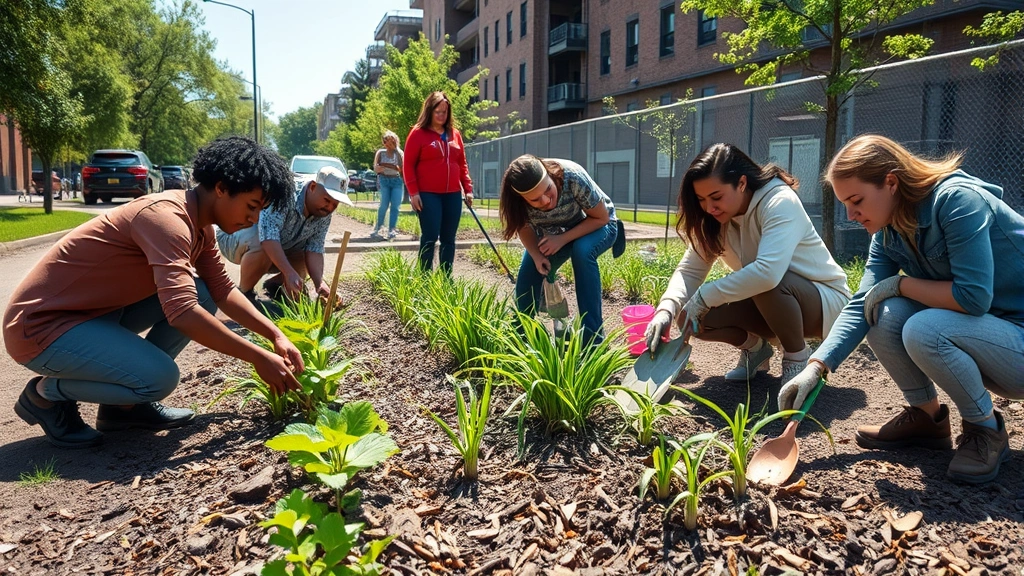
Despite challenges, Gas City has launched several sustainability initiatives demonstrating genuine commitment to environmental improvement. The community garden program, established in 2019, now includes five plots serving over 40 families. Participants grow vegetables, reducing food miles and building neighborhood connections simultaneously.
The Gas City Green Building Coalition encourages residential and commercial property improvements aligned with energy efficiency standards. Members receive technical assistance identifying upgrades—improved insulation, LED lighting, HVAC optimization—that reduce utility costs while lowering carbon emissions. Over two years, participating homes reduced energy consumption by an average of 18 percent.
A local high school partnership with Purdue University Extension brings sustainability education into classrooms. Students learn environmental science while developing practical skills in renewable energy installation, sustainable agriculture, and green business practices. Several graduates have returned to Gas City launching green enterprises.
The city library hosts monthly sustainability workshops covering topics like composting, water conservation, and sustainable purchasing. Average attendance has grown from 12 to 45 participants, suggesting increasing community interest. Librarians note that attendees span age groups and economic backgrounds, indicating broad engagement across demographics.
However, residents acknowledge gaps. Public transportation remains limited—the local bus system operates on a minimal schedule unsuitable for commuters or those without personal vehicles. Recycling infrastructure, while present, lacks public awareness campaigns explaining proper sorting procedures. These gaps represent opportunities for expansion.
Energy Transition: From Natural Gas to Renewable Sources
The most contentious sustainability topic in Gas City concerns energy transition. The community’s natural gas infrastructure—pipelines, distribution networks, heating systems—represents billions in sunk capital. Transitioning away presents economic and logistical challenges.
City planners acknowledge the sustainable energy solutions imperative. A 2023 municipal energy audit recommended expanding solar capacity and exploring geothermal heating for public buildings. The city hall recently installed a 15-kilowatt solar array—modest but symbolically significant—generating approximately 18,000 kilowatt-hours annually.
Utility company representatives note that natural gas remains crucial for reliability, particularly during winter heating demands. However, they acknowledge investing in renewable integration. Recent upgrades to the electrical grid improve capacity for distributed solar and wind resources. A proposed wind farm 30 miles away could provide Gas City with renewable energy through power purchase agreements.
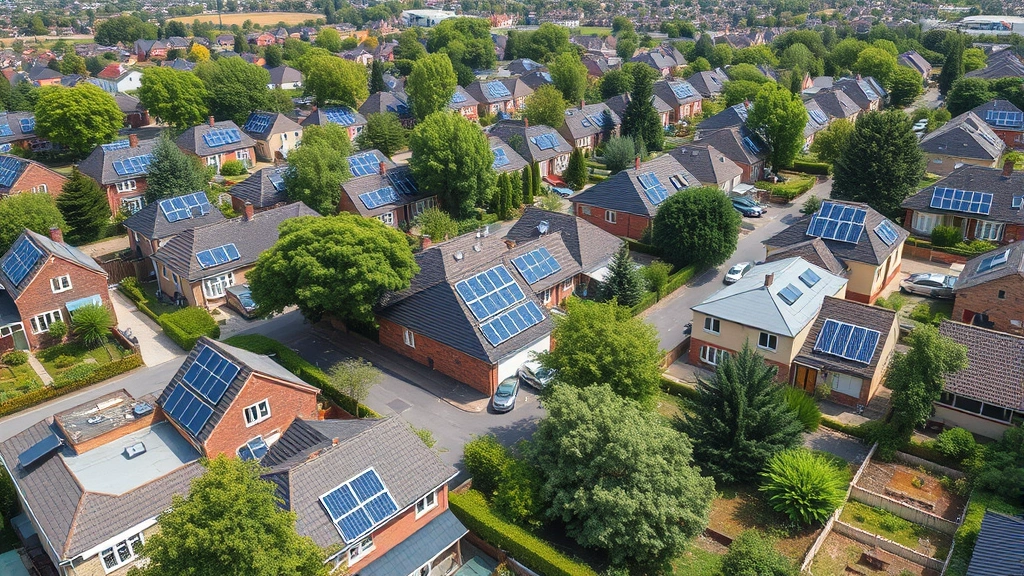
Residential adoption of renewable energy faces barriers. While solar installation costs have declined, upfront expenses remain significant for homeowners on modest incomes. State tax credits and federal incentives help, but awareness remains limited. Only about 3 percent of Gas City homes currently utilize solar power, compared to 8 percent statewide.
Forward-thinking residents see opportunity. “If we position ourselves as a green energy community, we could attract businesses and young professionals seeking sustainable places,” suggests community development director Marcus Washington. “Solar manufacturing, renewable energy service companies, and green technology startups could create good jobs while addressing climate concerns.”
IMAGE_3
Transportation and Mobility Solutions
Transportation represents both a significant sustainability challenge and opportunity in Gas City. The community, like most rural Indiana towns, is car-dependent. Limited public transit means residents drive for nearly all trips—work, shopping, medical appointments, recreation.
The average Gas City household operates 2.1 vehicles, slightly above national averages. This automobile dependence generates substantial greenhouse gas emissions while straining household budgets. Residents spend approximately 18 percent of income on transportation—higher than the recommended 15 percent threshold.
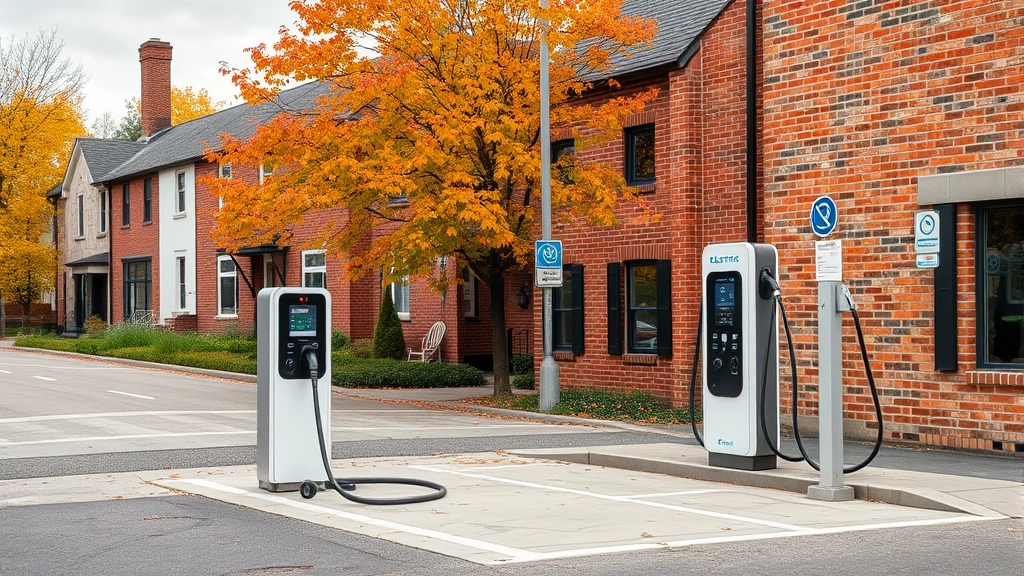
Interest in electric vehicles is growing but constrained by infrastructure. Currently, only two public charging stations exist within city limits—insufficient for supporting widespread EV adoption. However, recent state grants funded planning for a regional charging network, with Gas City identified as a hub location.
A promising initiative involves the municipal fleet transition. The city has committed to replacing 40 percent of its vehicles with electric or hybrid models by 2030. This decision serves dual purposes: reducing municipal emissions while creating demand that encourages private charging infrastructure investment.
Public transportation expansion faces budget constraints, but creative solutions emerge. A volunteer-driven ride-sharing program connects seniors and low-income residents for essential trips. Though modest in scale, it demonstrates community commitment to mobility solutions beyond personal vehicles.
Bicycle infrastructure remains underdeveloped. Residents cite safety concerns and lack of dedicated lanes as barriers to cycling. However, a grassroots advocacy group is pushing for protected bike lanes on major streets, positioning cycling as viable for short trips and recreation.
Environmental Health Concerns and Air Quality
Air quality directly impacts resident health, making it a central sustainability concern. Gas City’s air quality generally meets EPA standards, but concerns persist regarding localized pollution from industrial facilities and vehicular emissions concentrated on main corridors.
Dr. Michael Patterson, a physician at the local health clinic, notes increasing respiratory issues in certain neighborhoods proximate to industrial areas. “We see higher asthma rates in children living near major roads and manufacturing facilities. While not reaching epidemic levels, the pattern is concerning and warrants investigation.”
The CDC’s Agency for Toxic Substances and Disease Registry conducted a health consultation in 2022 examining historical industrial contamination. The report concluded that current exposure risks are minimal but recommended continued monitoring and remediation of legacy sites.
Water quality also concerns residents. While municipal water meets safety standards, some residents report taste and odor issues they attribute to aging pipes and industrial history. Advocacy groups push for investments in water infrastructure upgrades and source protection to ensure long-term safety.
Environmental justice considerations emerge when examining health disparities. Lower-income neighborhoods, often occupied by families of color, are disproportionately located near industrial corridors and highways. This geographic reality means these residents experience greater pollution exposure, raising equity concerns central to comprehensive sustainability definitions that include social justice dimensions.
Economic Opportunities in Green Industries
Recognizing that sustainability and economic development must align, Gas City leaders increasingly focus on green industry opportunities. The transition away from declining traditional manufacturing toward green technology innovations could create quality jobs while addressing environmental challenges.
A local entrepreneur launched a weatherization contracting business helping homeowners improve energy efficiency. Within three years, the company grew to 12 employees and generated $2.3 million in annual revenue. “There’s real demand,” the owner explains. “People want to reduce energy bills and environmental impact. We’re providing solutions and good jobs.”
The regional community college launched a renewable energy technician program in 2022, training workers for solar installation, wind maintenance, and electrical grid modernization. Enrollment exceeded expectations, with 85 percent of graduates securing employment within six months at wages 15-20 percent above regional averages.
Several businesses explore sustainability as competitive advantage. A local manufacturing company transitioned to producing components for renewable energy systems, securing contracts with regional wind farms. The pivot required retraining workers but ultimately strengthened the company’s market position and long-term viability.
However, economic transition challenges remain. Some traditional industries resist change, viewing sustainability initiatives as threats rather than opportunities. Workers in declining sectors express anxiety about job security. Successful transition requires intentional support: retraining programs, wage guarantees during transitions, and community communication addressing legitimate economic concerns.
According to World Wildlife Fund research on sustainable economic development, communities successfully transitioning from extractive industries to green economies prioritize worker support, invest in education and training, and ensure community participation in decision-making. Gas City increasingly recognizes these principles as essential for equitable sustainability.
FAQ
Is Gas City implementing sustainability seriously?
Gas City demonstrates genuine, if modest, sustainability commitment. The city has adopted renewable energy goals, launched community programs, and attracted green businesses. However, progress remains constrained by budget limitations, infrastructure challenges, and the tension between environmental goals and economic security in a community dependent on traditional industries. Serious commitment is evident but requires acceleration and increased investment.
Can Gas City transition from natural gas dependence?
Transitioning away from natural gas infrastructure is technically feasible but economically and logistically complex. The natural gas system represents generations of investment. However, gradual transition through renewable energy expansion, building electrification, and heat pump adoption is increasingly viable. Success requires coordinated effort among utilities, government, and residents over multiple decades.
What are the biggest sustainability barriers in Gas City?
Primary barriers include limited municipal budget for infrastructure investment, aging systems requiring replacement, limited public transportation, insufficient renewable energy infrastructure, and the economic dependence on traditional industries. Additionally, awareness gaps about sustainability options and limited accessibility for low-income residents constrain progress.
Are younger residents driving sustainability change?
Yes, generational differences are evident. Residents under 35 demonstrate greater environmental consciousness and openness to rapid sustainability transitions. This demographic increasingly influences community decisions through local government participation, business development, and cultural shifts. However, meaningful change requires bridging generational perspectives and ensuring transitions don’t disadvantage older residents or those economically dependent on traditional industries.
What role do external investments play in Gas City’s sustainability?
State and federal grants, utility company investments, and private business development significantly influence local sustainability progress. However, residents emphasize that external support works best when aligned with community priorities and when residents maintain agency in decision-making. Top-down sustainability mandates without community input often face resistance.
How does environmental justice factor into Gas City’s sustainability?
Environmental justice is increasingly recognized as central to authentic sustainability. Gas City acknowledges that lower-income residents and communities of color disproportionately experience pollution exposure and have fewer resources for green upgrades. Equitable sustainability requires intentional policies ensuring all residents benefit from environmental improvements and participate in decisions affecting their communities.


