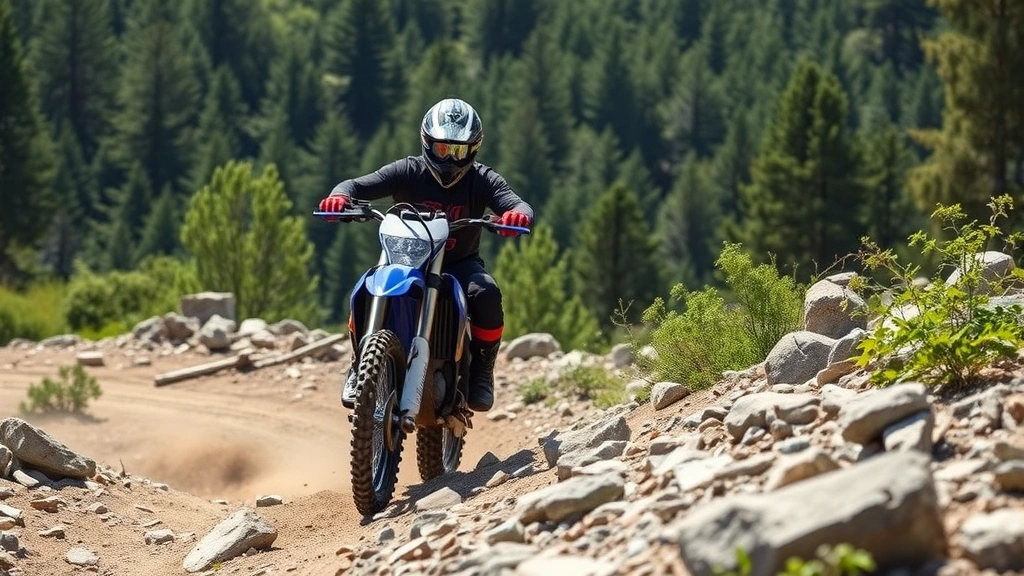
Eco-Friendly Gas Dirt Bikes? Expert Insights on Sustainability and Performance
The roar of a gas dirt bike engine has long symbolized off-road freedom and adventure. However, as environmental consciousness grows, riders and manufacturers alike are asking critical questions: Can gas dirt bikes be made eco-friendly? What innovations are emerging in this space? While traditional gasoline-powered dirt bikes present inherent environmental challenges, the industry is evolving with cleaner technologies, better fuel efficiency standards, and hybrid solutions that bridge the gap between performance and sustainability.
This comprehensive guide explores the environmental impact of gas dirt bikes, examines emerging technologies designed to reduce their carbon footprint, and compares them with alternative options. Whether you’re a passionate rider concerned about your environmental impact or someone interested in the intersection of motorsports and sustainability, understanding these developments is essential for making informed choices about off-road recreation.
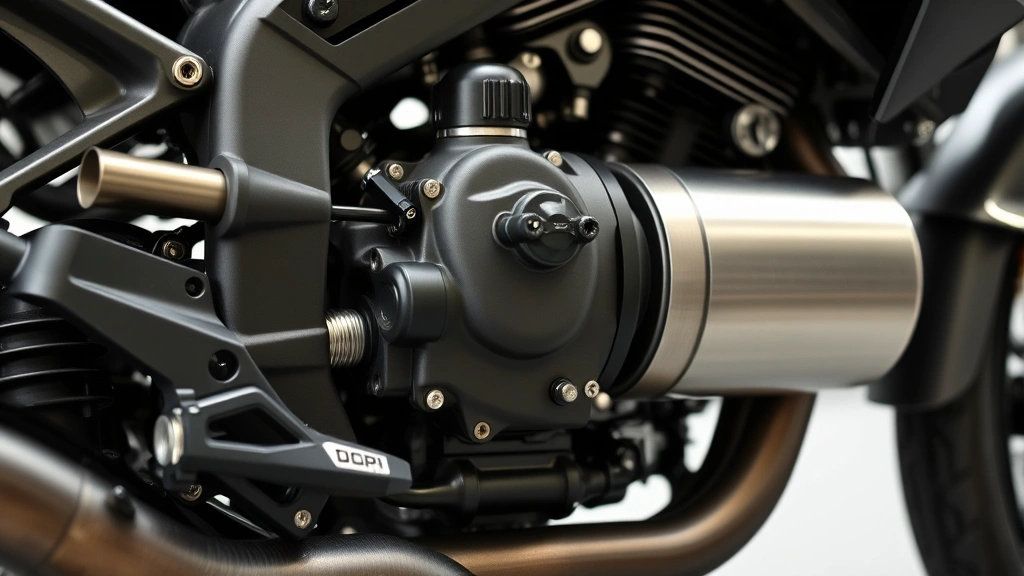
Environmental Impact of Gas Dirt Bikes
Gas dirt bikes, like all internal combustion engines, contribute to environmental degradation through multiple pathways. These vehicles emit carbon dioxide (CO2), a primary greenhouse gas driving climate change, along with nitrogen oxides (NOx) and particulate matter that degrade air quality. The Environmental Protection Agency (EPA) has documented that recreational vehicles, including dirt bikes, contribute significantly to localized air pollution, particularly in popular riding areas.
Beyond direct emissions, gas dirt bikes impact ecosystems through soil and water contamination. Oil leaks, fuel spillage, and improper maintenance can introduce hydrocarbons into groundwater and soil. Off-road riding itself causes habitat disruption, soil erosion, and vegetation damage. The cumulative effect of thousands of riders in sensitive ecosystems creates measurable environmental stress. Studies from environmental research institutions indicate that recreational off-road vehicle use in protected areas can accelerate erosion rates by up to 300% compared to undisturbed terrain.
The fuel consumption of gas dirt bikes also represents an indirect environmental cost. Most modern dirt bikes consume between 1.5 to 3 gallons per hour of operation, translating to substantial fossil fuel extraction and refining requirements. This energy-intensive supply chain amplifies the overall carbon footprint of recreational riding activities.
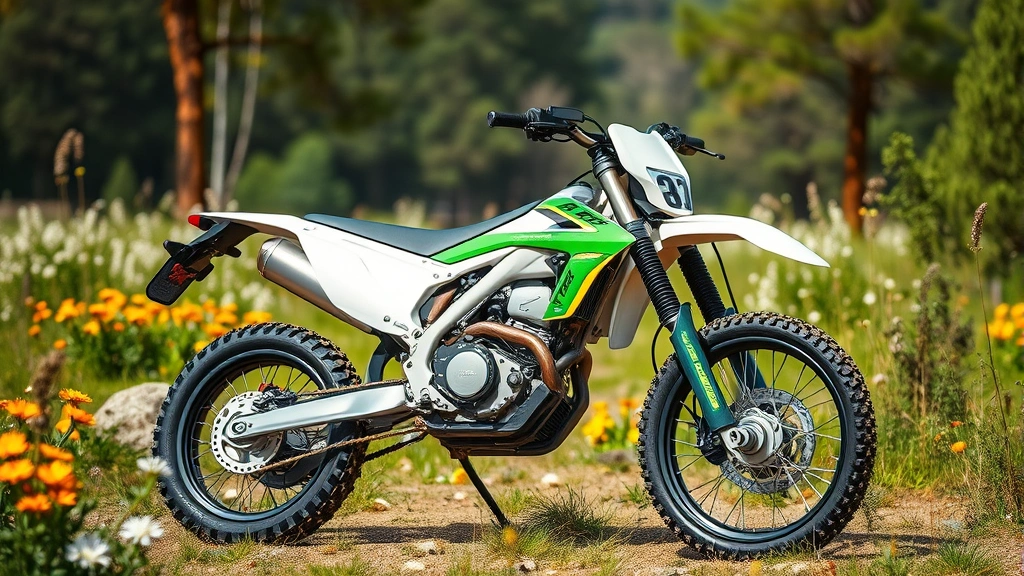
Current Emissions Standards and Regulations
Regulatory frameworks have evolved significantly to address off-road vehicle emissions. The EPA implemented Tier 4 emissions standards for small non-road engines, which gas dirt bikes must meet in many jurisdictions. These standards require substantial reductions in nitrogen oxides and particulate matter compared to earlier regulations. California, known for aggressive environmental policy, has implemented even stricter standards through the California Air Resources Board (CARB), pushing manufacturers toward cleaner combustion technologies.
However, enforcement remains inconsistent across regions. Many areas lack strict regulation of recreational vehicles, creating a patchwork of environmental standards. Some manufacturers have voluntarily exceeded minimum requirements, recognizing both environmental responsibility and market demand for cleaner options. The EPA’s official guidance on recreational vehicle emissions provides detailed specifications for compliance.
International markets face varying standards. European manufacturers often build to stricter Euro 5 standards, which require advanced emission control systems. This regulatory diversity creates opportunities for manufacturers to develop genuinely cleaner technologies while maintaining performance standards that riders demand.
Cleaner Technologies and Innovations
Modern gas dirt bike manufacturers are implementing several technologies to reduce environmental impact while maintaining the performance characteristics riders expect. Four-stroke engines have become standard in many markets, replacing two-stroke designs that historically produced significantly higher emissions. Four-stroke engines operate more efficiently, with better fuel combustion and lower hydrocarbon emissions.
Advanced fuel injection systems represent another significant innovation. Direct fuel injection optimizes the combustion process, ensuring more complete burning of fuel and reducing unburned hydrocarbons. This technology improves both environmental performance and fuel efficiency, allowing riders to travel farther on less fuel. Catalytic converters, once rare on dirt bikes, are increasingly integrated into exhaust systems to convert harmful pollutants into less harmful compounds.
Variable valve timing and electronic engine management systems enable sophisticated control of combustion parameters. These systems adjust engine performance in real-time based on operating conditions, optimizing for both power delivery and emissions reduction. Premium models now incorporate these technologies, though they remain less common on entry-level bikes.
Manufacturers are also exploring alternative fuel compatibility. Some gas dirt bikes can operate on ethanol-blended fuels or synthetic oils that produce lower emissions than conventional petroleum products. While not a complete solution, these incremental improvements collectively reduce environmental impact. Research into sustainable biofuels specifically formulated for small engines shows promise for further emission reductions.
Understanding the relationship between engine technology and environmental impact helps riders make informed purchasing decisions. When exploring sustainable energy solutions, consider how modern engine technologies apply to recreational vehicles.
Maintenance Practices for Reduced Emissions
Proper maintenance is fundamental to minimizing gas dirt bike emissions. A well-maintained engine operates more efficiently, burns fuel completely, and produces lower emissions. Regular air filter replacement prevents fuel mixture degradation that increases pollutant output. Dirty air filters force engines to run rich, burning excess fuel and producing more harmful emissions.
Oil changes at manufacturer-recommended intervals are critical. Fresh, high-quality oil reduces internal friction, improves combustion efficiency, and prevents buildup of carbon deposits that increase emissions. Using synthetic oils specifically formulated for small engines provides superior protection and environmental performance compared to conventional oils.
Spark plug maintenance directly affects combustion efficiency. Worn or fouled spark plugs create incomplete combustion, increasing unburned hydrocarbon emissions. Checking and replacing spark plugs according to manufacturer specifications ensures optimal engine performance and lower emissions.
Carburetor tuning, where applicable, significantly impacts environmental performance. A properly tuned carburetor delivers the correct fuel-air mixture for complete combustion. Many riders neglect this aspect, unaware that poor carburetor adjustment can increase emissions by 50% or more. Modern fuel injection systems reduce this variability but still require periodic inspection.
Fuel system maintenance prevents leaks and contamination. Regular inspection of fuel lines, filters, and tanks identifies potential sources of environmental contamination before they occur. Using ethanol-free or premium fuel reduces deposit formation and improves combustion quality.
Environmental responsibility extends to proper disposal of used oil, fuel, and filters. Never dispose of these materials in soil or water systems. Community recycling centers and automotive retailers typically offer free or low-cost disposal services, preventing environmental contamination.
Electric Dirt Bikes as Sustainable Alternatives
Electric dirt bikes represent the most significant shift toward sustainable off-road recreation. These vehicles produce zero direct emissions, eliminate fuel consumption, and operate significantly quieter than gas counterparts. The environmental benefits extend beyond riding—electric bikes require no oil changes, produce no fuel spills, and generate minimal maintenance waste.
Battery technology has advanced dramatically, with modern lithium-ion batteries providing ranges of 30-80 miles per charge depending on terrain and riding style. Charging from renewable energy sources makes electric bikes virtually emission-free throughout their operational lifecycle. Even when charged from grid electricity with fossil fuel components, electric bikes produce 50-70% fewer lifecycle emissions than gas alternatives.
The advantages of electric vehicles extend to dirt bikes, offering superior torque delivery, lower operating costs, and reduced noise pollution. Regenerative braking systems recover energy during deceleration, further extending range and efficiency.
However, electric bikes present trade-offs. Initial purchase costs remain higher than comparable gas models, though prices continue declining. Battery replacement represents a significant future expense, though modern batteries often outlast vehicle lifespans. Weight distribution differs from gas bikes, requiring riders to adjust techniques. Limited range suits certain riding styles better than others, making gas bikes more practical for long-distance trail adventures.
Battery production and disposal raise environmental considerations. Lithium mining has documented environmental impacts, though battery recycling programs are expanding rapidly. When considering lifecycle environmental impact, electric bikes still demonstrate substantial advantages over gas alternatives across most metrics.
Hybrid and Fuel-Efficient Models
Hybrid dirt bikes represent an emerging middle ground, combining gas engines with electric motor assistance. These systems optimize efficiency by using electric motors for low-speed operation and acceleration, where gas engines are least efficient. Gas engines handle sustained high-speed riding where they perform optimally. This combination reduces overall fuel consumption and emissions compared to conventional gas bikes.
Manufacturers experimenting with hybrid technology report 30-40% improvements in fuel efficiency compared to traditional gas-only designs. The electric components also provide torque boost during acceleration, improving performance while reducing emissions during this high-pollutant-generation phase of operation.
Fuel-efficient gas models incorporating advanced combustion technologies offer another intermediate option. Modern four-stroke engines with direct injection and electronic management achieve fuel efficiency improvements of 15-25% compared to older designs. While not addressing emissions as comprehensively as electric alternatives, these improvements meaningfully reduce environmental impact.
When evaluating green technology innovations in the recreational vehicle sector, hybrid and efficient gas models demonstrate how transitional technologies bridge current capabilities with future sustainability goals.
Rider Responsibility and Sustainable Practices
Individual rider behavior significantly influences the environmental impact of gas dirt biking. Responsible riding practices minimize emissions, prevent environmental damage, and protect sensitive ecosystems. Staying on designated trails prevents habitat disruption and erosion. Off-trail riding causes disproportionate environmental damage, compacting soil, damaging vegetation, and accelerating erosion processes.
Ride planning matters environmentally. Combining multiple trips into single outings reduces total emissions. Coordinating with other riders to share transportation to riding locations dramatically decreases per-person carbon footprints. Riding during cooler parts of the day reduces stress on engines and improves efficiency.
Fuel and oil management prevents environmental contamination. Never refuel near water sources. Use absorbent materials to contain spills immediately. Carry equipment for proper waste disposal. Respect private property and protected areas, understanding that environmental preservation enables future riding opportunities.
Rider education about environmental impact creates cultural shifts within the off-road community. Experienced riders modeling sustainable practices influence newcomers. Many riding clubs now incorporate environmental stewardship into their missions, organizing trail maintenance and habitat restoration projects.
Consider exploring how to save energy at home principles and applying similar efficiency-focused thinking to recreational activities. The mindset of intentional resource use applies universally.
Supporting manufacturers investing in cleaner technologies demonstrates market demand for sustainable options. Purchasing decisions influence industry development. Riders choosing efficient gas models or transitioning to electric alternatives send powerful signals about consumer values. Industry responses to these market signals accelerate innovation in cleaner technologies.
FAQ
Are gas dirt bikes becoming more eco-friendly?
Yes, incremental improvements continue through stricter emissions standards, advanced combustion technologies, and better fuel efficiency. However, fundamental environmental challenges of fossil fuel combustion remain. The most significant eco-friendly progress comes from manufacturers developing electric alternatives and hybrid systems rather than optimizing gas engines.
How do electric dirt bikes compare environmentally to gas models?
Electric dirt bikes produce zero direct emissions and 50-70% fewer lifecycle emissions than gas alternatives, even accounting for battery production and electricity generation. They require minimal maintenance, eliminate oil and fuel spills, and operate quietly. Trade-offs include higher initial costs, limited range, and battery replacement expenses.
What maintenance reduces gas dirt bike emissions?
Regular air filter replacement, timely oil changes with quality synthetic oils, spark plug maintenance, proper carburetor tuning, and fuel system inspection all reduce emissions. A well-maintained engine burns fuel efficiently, producing significantly lower pollution than neglected equipment.
Can gas dirt bikes use alternative fuels?
Some models can operate on ethanol-blended fuels or synthetic oils that produce lower emissions. However, most dirt bikes require unleaded gasoline as specified by manufacturers. Research your specific model before attempting alternative fuels, as improper fuel can damage engines.
What’s the environmental cost of battery production for electric bikes?
Lithium mining has documented environmental impacts including water usage and habitat disruption. However, battery recycling programs continue expanding, and lifecycle analyses show electric bikes still produce substantially lower total environmental impact than gas alternatives over their operational lifespans.
Are hybrid dirt bikes practical for serious riders?
Hybrid technology is still emerging in the dirt bike market. Current models offer improved efficiency and reduced emissions compared to conventional gas bikes, but they remain heavier and more complex. As technology develops, hybrid bikes will likely appeal increasingly to performance-conscious environmentally-aware riders.


