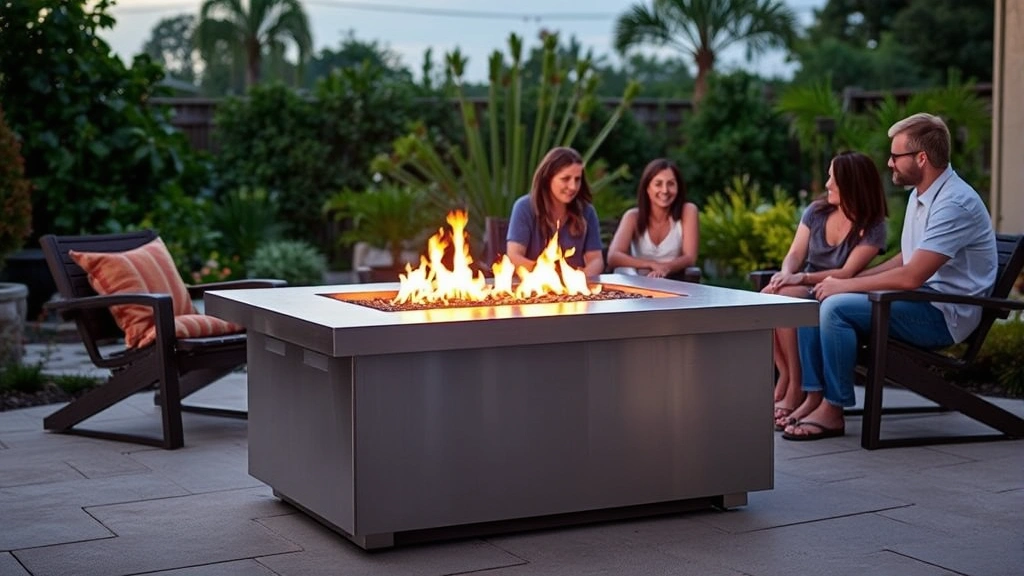
Are Gas Fire Pit Tables Eco-Friendly? Expert Insights on Sustainability
When it comes to creating an inviting outdoor living space, gas fire pit tables have become increasingly popular among homeowners seeking warmth, ambiance, and entertainment value. However, as environmental consciousness grows, many consumers are asking critical questions about the ecological impact of these fixtures. Are gas fire pit tables truly eco-friendly, or do they represent another source of unnecessary emissions and energy waste? The answer is more nuanced than a simple yes or no, requiring us to examine the complete lifecycle of these products, their operational efficiency, and how they compare to alternative heating solutions.
The debate surrounding gas fire pit tables intersects several important sustainability considerations: fuel consumption, carbon emissions, manufacturing processes, and the broader context of outdoor living choices. Unlike traditional wood-burning fire pits that produce significant smoke and particulate matter, gas fire pit tables offer cleaner combustion and greater control. Yet they still rely on fossil fuel consumption, which raises legitimate environmental concerns. Understanding these complexities helps homeowners make informed decisions aligned with their values and sustainable energy solutions for their homes.
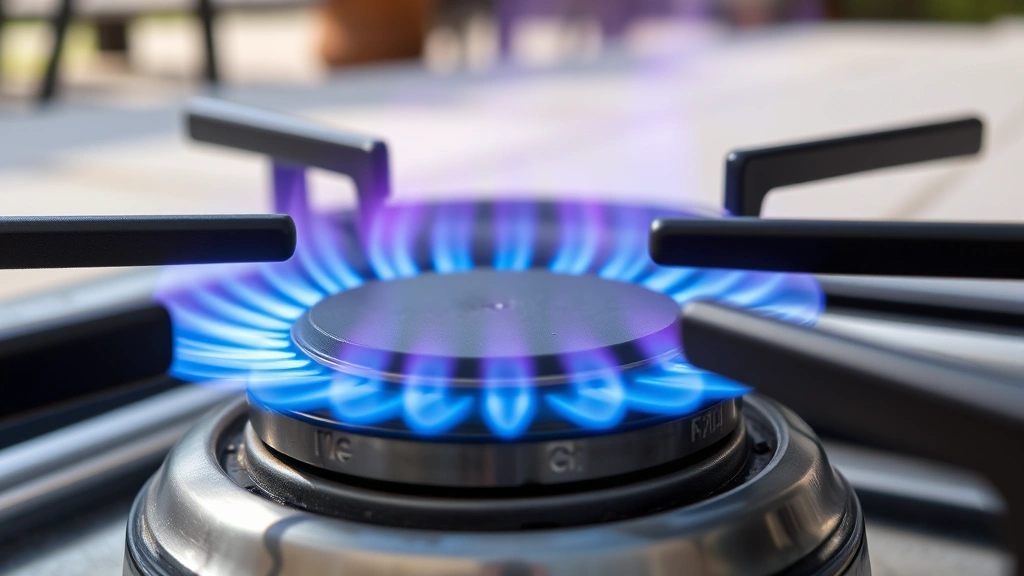
Environmental Impact of Gas Fire Pit Tables
Gas fire pit tables operate by burning propane or natural gas to create flames and heat, making them fundamentally dependent on fossil fuel consumption. The environmental impact extends beyond the immediate combustion process to include extraction, refinement, transportation, and distribution of the fuel itself. When evaluating whether a gas fire pit table qualifies as eco-friendly, we must consider multiple dimensions of sustainability.
The primary environmental concern centers on greenhouse gas emissions. Natural gas combustion produces carbon dioxide and methane, contributing to climate change. Propane, while slightly cleaner than some alternatives, still releases CO2 when burned. A typical gas fire pit table might consume between 10,000 and 40,000 BTU per hour, depending on size and design. This translates to measurable emissions over an outdoor season, particularly in regions with extended warm weather where people use these fixtures frequently.
However, gas fire pit tables present a more favorable environmental profile compared to wood-burning alternatives. Traditional wood fires produce significant air pollution through particulate matter, volatile organic compounds, and incomplete combustion byproducts. The EPA’s Burn Wise program highlights concerns about residential wood burning, particularly regarding air quality impacts. Gas combustion is cleaner and more complete, producing fewer harmful pollutants that affect both local air quality and human respiratory health.
Manufacturing considerations also matter when assessing overall eco-friendliness. Most gas fire pit tables are constructed from metal components (steel, aluminum, stainless steel) combined with concrete or stone elements. The production of these materials involves energy-intensive processes, though many manufacturers are increasingly adopting sustainable manufacturing practices and using recycled materials in their designs.
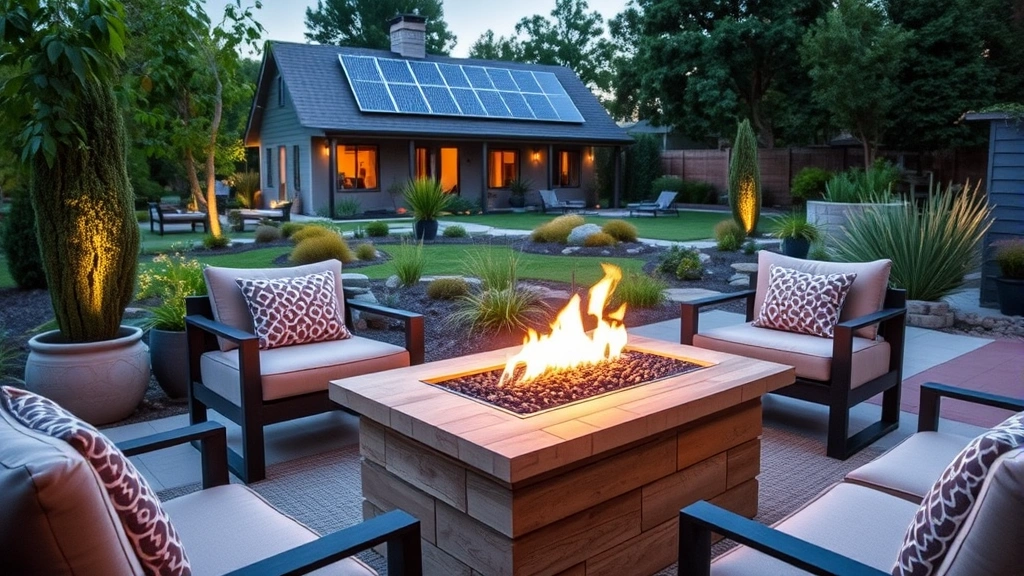
Emissions Analysis and Carbon Footprint
Understanding the precise carbon footprint of gas fire pit tables requires examining usage patterns and fuel sources. A typical household using a gas fire pit table for social gatherings during warmer months might operate it 15-20 hours per week over a 6-month season. At average BTU consumption levels, this translates to approximately 600-1,200 pounds of CO2 emissions annually, assuming propane use.
The carbon intensity of your fuel matters significantly. Natural gas sourced from renewable biogas programs carries a lower environmental burden than conventional fossil gas. Some utility companies now offer renewable natural gas options, allowing conscientious consumers to reduce their carbon footprint while maintaining their gas fire pit tables. Propane sourced as a byproduct of petroleum refining represents a different environmental calculus than propane from dedicated fossil extraction.
To contextualize these emissions, consider that a single cross-country flight produces significantly more carbon than operating a gas fire pit table for an entire season. This doesn’t eliminate environmental concerns but provides perspective on relative impact. The key question becomes whether the social and recreational value justifies the environmental cost, and whether there are ways to minimize that cost through operational choices and alternative designs.
Research from Carbon Brief demonstrates that outdoor heating appliances represent a small fraction of household energy-related emissions, typically less than 2% of total residential carbon footprint. This suggests that while not without impact, gas fire pit tables are not major contributors to individual carbon emissions compared to heating, cooling, and transportation choices.
How They Compare to Alternative Heating Options
Evaluating gas fire pit tables requires comparing them to realistic alternatives rather than an impossible zero-impact scenario. Most people choosing between heating options consider wood-burning fire pits, electric heating solutions, and solar-powered alternatives alongside gas models.
Wood-Burning Fire Pits: Traditional wood fires produce substantially more air pollution than gas alternatives. They emit particulate matter (PM2.5), nitrogen oxides, and volatile organic compounds that harm air quality and human health. A single wood fire can produce as much particulate pollution as driving a diesel truck for several miles. Wood sourcing also raises sustainability questions, particularly if harvested unsustainably. However, sustainably harvested firewood from managed forests represents a renewable fuel source, unlike fossil gases.
Electric Fire Pit Tables: These use electricity to power flame effects and heating elements, producing zero direct emissions. However, their true environmental impact depends entirely on your electrical grid’s energy mix. In regions powered primarily by renewable energy, electric fire pits are the clear environmental choice. In areas relying on coal or fossil gas generation, the emissions are simply displaced to power plants rather than eliminated. Learn more about how to save energy at home through strategic appliance choices.
Solar-Powered Options: Emerging solar fire pit designs represent the most sustainable choice, though they currently offer limited heat output and flame intensity. As technology advances, solar heating for outdoor living spaces may become increasingly viable, particularly in sunny climates.
From a pure emissions perspective, electric fire pits powered by renewable electricity are superior. From a practical standpoint considering reliability, heat output, and user experience, gas fire pit tables offer compelling advantages. The environmental comparison ultimately depends on your specific circumstances, regional electricity sources, and usage frequency.
Efficiency Factors and Operational Considerations
The eco-friendliness of gas fire pit tables improves substantially when considering operational efficiency and smart usage patterns. Several design and behavioral factors influence environmental impact:
- Burner Design: Modern gas fire pit tables feature optimized burner systems that achieve more complete combustion, reducing waste and emissions. Stainless steel burners with proper air mixing produce cleaner, hotter flames with less fuel consumption.
- Heat Output Control: Adjustable flame settings allow users to operate at lower BTU levels when full heat isn’t necessary, directly reducing fuel consumption and emissions. This flexibility gives gas fire pits an efficiency advantage over wood fires, where heat output is difficult to control.
- Insulation and Design: Tables with integrated heat reflection and insulation direct warmth downward toward occupants rather than dissipating it into the atmosphere, improving heating efficiency and reducing fuel requirements.
- Usage Patterns: Using your gas fire pit table strategically—only when entertaining guests, for limited evening hours—significantly reduces environmental impact compared to running it continuously.
- Maintenance: Properly maintained burners operate more efficiently and produce fewer emissions. Regular cleaning and inspection ensure optimal combustion.
Expert insights from outdoor living specialists emphasize that gas fire pit table efficiency rivals or exceeds many home heating applications. The localized heat delivery means less energy waste compared to whole-house heating systems that warm empty rooms.
Making Sustainable Choices for Outdoor Living
If you’re committed to environmental responsibility while enjoying outdoor living, consider these sustainable approaches to gas fire pit tables:
Choose Quality Construction: Investing in durable, well-manufactured gas fire pit tables extends product lifespan, reducing the environmental impact of manufacturing and disposal. Stainless steel components resist corrosion and last decades longer than cheaper alternatives. This aligns with green technology innovations that emphasize durability and longevity.
Optimize Fuel Selection: If your region offers renewable natural gas or sustainably sourced propane options, prioritize these over conventional fossil fuels. Some specialty fuel suppliers now offer carbon-neutral propane through offsetting programs, allowing consumers to maintain gas fire pit tables with reduced environmental guilt.
Integrate with Renewable Energy: Combine your gas fire pit table with renewable energy solutions for other household systems. If you’ve installed solar panels or use renewable electricity, the relative impact of occasional gas fire pit use becomes negligible within your overall energy profile.
Limit Usage Frequency: Use your fire pit table intentionally for entertaining and special occasions rather than casual daily use. This straightforward behavioral change dramatically reduces environmental impact without sacrificing the experience.
Consider Hybrid Approaches: Some innovative designs combine gas heating with solar elements or integrate electric flame effects with optional gas burners. These hybrid solutions provide flexibility while reducing reliance on any single fuel source.
Offset Your Emissions: If environmental impact concerns you significantly, calculate your gas fire pit table’s annual emissions and invest in verified carbon offset programs. Offsets supporting renewable energy development or reforestation projects can neutralize the climate impact of your outdoor heating choices.
Maintenance and Product Lifecycle
A comprehensive sustainability assessment must consider the entire product lifecycle from manufacturing through disposal. Gas fire pit tables with proper maintenance can provide 10-20 years of service, amortizing manufacturing impacts across decades of use. This extended lifespan makes them more sustainable than cheaper alternatives requiring replacement every few years.
Proper maintenance practices include:
- Regular cleaning of burner ports to ensure efficient combustion
- Inspection and replacement of ignition components as needed
- Protective covers during off-season storage to extend material lifespan
- Annual professional inspection for safety and efficiency
- Prompt repair of gas leaks or damaged components
At end-of-life, gas fire pit tables can be partially recycled. Metal components are recyclable through standard metal recycling programs. Concrete or stone elements can often be repurposed for landscaping or disposed of through construction waste programs. Glass fire reflectors present disposal challenges but represent a small portion of total product weight.
The environmental impact of manufacturing one quality gas fire pit table that lasts 15 years is substantially lower per year of service than manufacturing three cheaper models requiring replacement every 5 years. This emphasizes the sustainability value of choosing quality products and maintaining them properly.
For additional context on sustainable living practices, explore our SustainWise Hub Blog for comprehensive guides on eco-conscious home and lifestyle choices.
FAQ
Are gas fire pit tables better for the environment than wood-burning pits?
Yes, gas fire pit tables produce significantly fewer air pollutants and particulate matter than wood-burning alternatives. Natural gas and propane combustion is cleaner and more efficient, though both still produce carbon dioxide. The air quality improvement alone makes gas tables preferable in most environmental assessments, though neither is carbon-neutral.
What’s the carbon footprint of running a gas fire pit table for a season?
A typical household using a gas fire pit table 15-20 hours weekly over six months produces approximately 600-1,200 pounds of CO2 annually, depending on BTU consumption and fuel source. This represents less than 2% of average household carbon emissions and is substantially lower than many common activities like air travel.
Can I reduce the environmental impact of my gas fire pit table?
Absolutely. Use renewable natural gas or sustainably sourced propane if available, limit usage to intentional gatherings, maintain your equipment properly for optimal efficiency, and consider carbon offset programs. Operating your fire pit at lower BTU settings when full heat isn’t needed also reduces environmental impact.
Are electric fire pit tables more eco-friendly?
Electric fire pit tables produce zero direct emissions and are superior in regions powered by renewable energy. However, in areas relying on fossil fuel electricity generation, the environmental benefit is reduced since emissions are displaced to power plants. Check your local grid’s energy mix to determine relative benefits.
How long do gas fire pit tables last, and does durability matter environmentally?
Quality gas fire pit tables last 10-20 years with proper maintenance. Durability matters significantly for sustainability because manufacturing impacts are amortized across a longer service life. Investing in a well-built table is more environmentally responsible than repeatedly replacing cheaper models.
Should I feel guilty about using a gas fire pit table?
No. While gas fire pit tables do produce emissions, their environmental impact is modest compared to household heating, cooling, and transportation. If you enjoy outdoor entertaining and properly maintain your equipment, the recreational and social value can justify the limited environmental cost, especially if you take steps to minimize it.


