Is Geothermal Energy Sustainable? Expert Insights
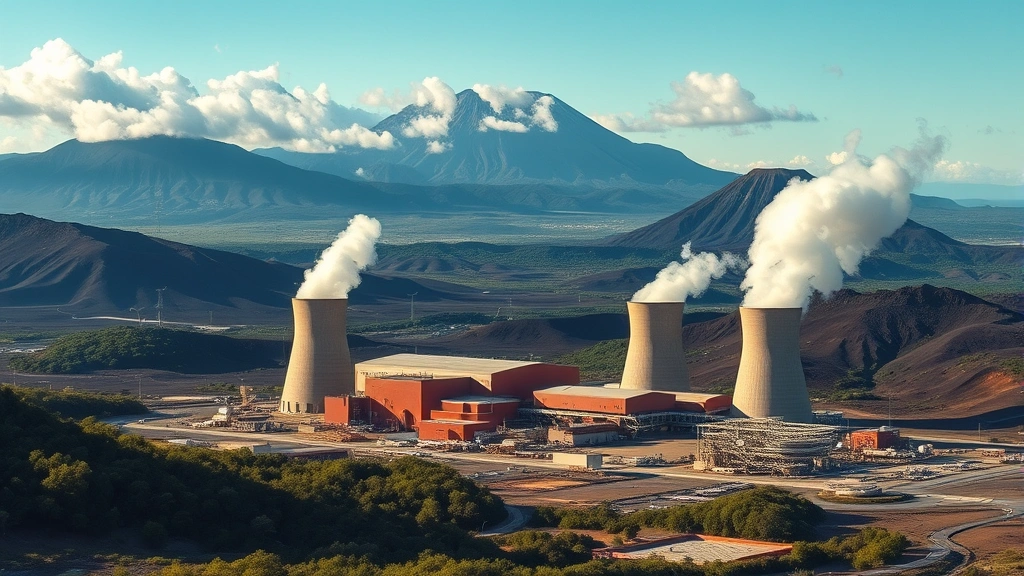
Geothermal energy represents one of the most promising renewable energy sources available today, yet many people remain uncertain about its true sustainability credentials. Unlike solar and wind energy, which depend on weather conditions and time of day, geothermal power taps into the Earth’s internal heat—a resource that remains constant and reliable regardless of external environmental factors. This fundamental advantage has positioned geothermal energy as a cornerstone technology in the global transition toward carbon-neutral electricity generation.
The sustainability question surrounding geothermal energy is multifaceted. While the energy source itself is renewable and produces minimal greenhouse gas emissions during operation, the full lifecycle impacts—from exploration and drilling to plant decommissioning—deserve careful examination. Understanding these nuances helps policymakers, investors, and environmental advocates make informed decisions about geothermal’s role in our clean energy future. This comprehensive analysis explores the scientific evidence, expert perspectives, and practical considerations that define geothermal energy’s sustainability profile.
What Is Geothermal Energy and How Does It Work?
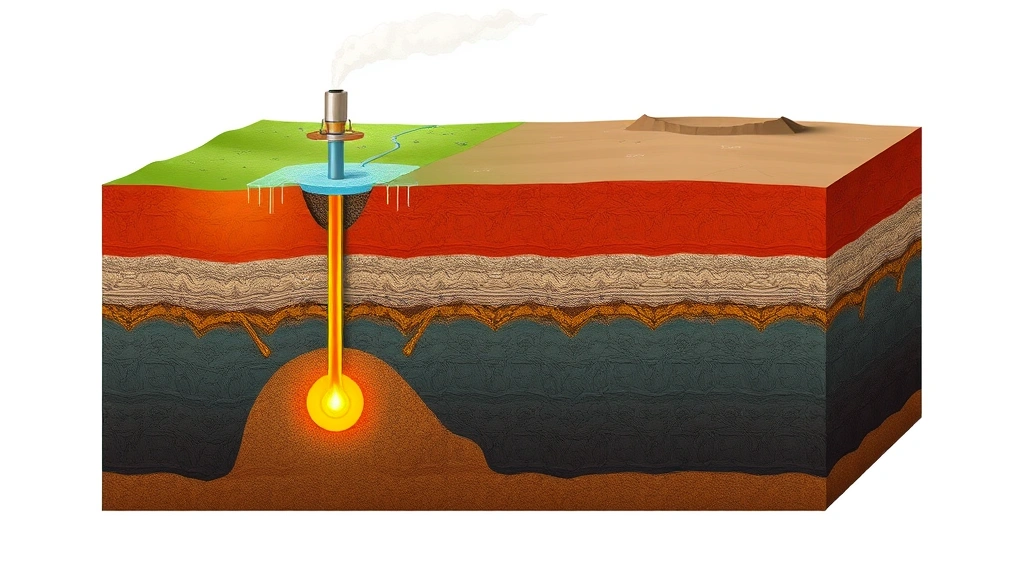
Geothermal energy harnesses heat from within the Earth’s crust to generate electricity and provide direct heating applications. The planet’s internal temperature, maintained by radioactive decay of elements like uranium and thorium, creates a continuous heat source that increases with depth. In geothermal power plants, this heat is accessed through deep wells that tap into underground reservoirs of hot water and steam, typically located 1 to 3 kilometers below the surface.
The process begins when superheated water or steam rises through fractures in the rock, reaching the surface where it’s captured and directed through turbines. As the fluid expands and cools, it spins turbine blades connected to generators that produce electricity. The cooled water is then reinjected into the reservoir to maintain pressure and heat availability—a crucial sustainability feature that distinguishes geothermal from fossil fuel extraction. This closed-loop system allows geothermal plants to operate continuously, with capacity factors often exceeding 70-90%, compared to 25-35% for solar installations and 35-45% for wind farms.
Geothermal resources are geographically concentrated in tectonically active regions, particularly along the Pacific Ring of Fire. Countries like Iceland, New Zealand, the Philippines, and Indonesia lead in geothermal capacity utilization, while the United States operates the world’s largest geothermal power plant complex in California. This geographic limitation is a critical factor in assessing geothermal’s role within broader sustainable energy solutions strategies.
Environmental Benefits of Geothermal Power
The environmental credentials of geothermal energy are substantial and well-documented. Operating geothermal plants emit approximately 5-15 grams of CO2 per kilowatt-hour of electricity generated—significantly lower than natural gas (490 g CO2/kWh) or coal (820 g CO2/kWh), and comparable to wind energy. This dramatic reduction in greenhouse gas emissions positions geothermal as a critical tool for climate change mitigation.
Beyond carbon emissions, geothermal energy production generates virtually no air pollutants during operation. Unlike fossil fuel power plants, geothermal facilities don’t release sulfur dioxide, nitrogen oxides, or particulate matter that contribute to respiratory illness and environmental degradation. This characteristic makes geothermal particularly valuable in regions already struggling with air quality challenges. The absence of combustion byproducts means geothermal plants require no fuel supply chains, eliminating the environmental costs associated with extraction, transportation, and processing of coal or natural gas.
Geothermal energy also provides remarkable energy density and reliability. A single geothermal plant can generate consistent baseload power 24/7, making it an ideal complement to intermittent renewables. When integrated with advantages of electric vehicles and other electrification strategies, geothermal becomes even more valuable by providing the stable grid foundation necessary to support widespread EV adoption.
Research from the National Renewable Energy Laboratory (NREL) demonstrates that expanding geothermal capacity could displace billions of tons of CO2 equivalent annually while reducing air pollution-related mortality by thousands of cases per year.
Land Use and Ecological Impacts
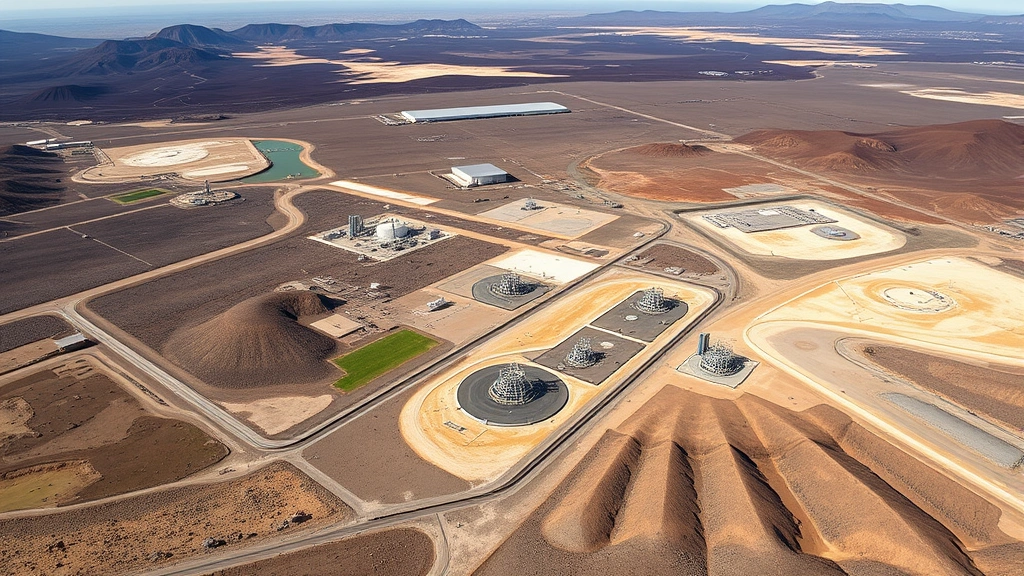
Geothermal facilities require surprisingly small land footprints compared to other renewable sources. A typical geothermal power plant occupies 1-8 acres per megawatt of capacity, whereas solar farms require 4-8 acres per megawatt and wind farms need 5-10 acres per megawatt. This efficiency in land utilization becomes increasingly important as global energy demand rises and available land becomes more contested.
The minimal surface disturbance of geothermal operations allows land to serve dual purposes. In Iceland and New Zealand, geothermal facilities coexist with agricultural activities, tourism infrastructure, and natural ecosystems. The drilling process, while requiring temporary equipment and access roads, leaves relatively small permanent scars compared to mining operations or large-scale solar installations.
However, geothermal development does pose specific ecological considerations. Construction activities can temporarily disrupt wildlife habitats and migration corridors. In sensitive ecosystems, particularly those harboring endemic species, careful environmental impact assessment is essential. The U.S. Environmental Protection Agency (EPA) requires comprehensive environmental reviews for geothermal projects on federal lands, ensuring that ecological values are protected alongside energy production goals.
Geothermal plants in geologically unique areas—such as Yellowstone’s thermal features or New Zealand’s Rotorua district—require especially rigorous environmental management. These regions often possess intrinsic scientific and cultural value that must be balanced against energy benefits. Proper site selection and engineering practices can minimize conflicts, but developers must acknowledge that some pristine geothermal areas should remain undisturbed for their ecological and scientific significance.
Water Resources and Geothermal Operations
Water consumption represents one of the more nuanced sustainability challenges associated with geothermal energy. Unlike thermoelectric power plants that require enormous quantities of cooling water, modern geothermal plants operate with closed-loop systems that significantly reduce water demand. Binary cycle plants, which use a secondary fluid to drive turbines rather than directly utilizing geothermal fluid, consume virtually no water and represent the most water-efficient geothermal technology.
Traditional geothermal plants may require 1.5-4 liters of water per kilowatt-hour of electricity generated, compared to 20-50 liters for coal or natural gas plants. The water used in geothermal operations is typically reinjected into the reservoir, creating a sustainable cycle. However, in arid regions where water scarcity is acute, even modest water consumption warrants careful consideration.
Geothermal fluids sometimes contain dissolved minerals and trace elements that, if released into surface waters, could cause environmental problems. Responsible geothermal operations employ advanced treatment systems to manage these fluids safely. The U.S. Geological Survey (USGS) provides detailed guidance on fluid management best practices, emphasizing the importance of proper casing and monitoring to prevent subsurface contamination.
Induced seismicity—small earthquakes triggered by fluid injection or extraction—represents another water-related concern. While most induced earthquakes are minor (magnitude less than 3), rare events have caused notable tremors. Modern monitoring and operational adjustments can effectively manage this risk, but it requires ongoing scientific attention and transparent communication with affected communities.
Comparing Geothermal to Other Energy Sources
Understanding geothermal’s sustainability profile requires direct comparison with alternative energy sources. Against fossil fuels, geothermal’s advantages are unambiguous: dramatically lower emissions, no air pollution, minimal resource extraction impacts, and superior capacity factors. A coal plant and geothermal facility producing equivalent electricity would show geothermal’s superiority across virtually every environmental metric.
Comparing geothermal to other renewables reveals different trade-offs. Solar and wind energy have zero fuel costs and minimal operational environmental impacts, but their intermittency requires either massive energy storage infrastructure or reliable backup generation. Geothermal provides that backup function naturally, creating a synergistic relationship. In regions pursuing how to reduce your environmental footprint, combining geothermal baseload with variable renewables offers optimal grid resilience.
Hydroelectric power generates clean electricity with high capacity factors but often requires large reservoirs that inundate ecosystems and displace communities. Geothermal development impacts are typically more localized and reversible. Nuclear energy produces abundant low-carbon electricity but generates long-lived radioactive waste and carries catastrophic accident risks. Geothermal avoids these concerns entirely while matching nuclear’s capacity factor and baseload reliability.
The ideal energy portfolio includes diverse renewable sources, with geothermal serving as a foundational element where geological conditions permit. In regions blessed with geothermal resources, prioritizing development of this energy source should be a central strategy.
Challenges and Limitations
Despite its advantages, geothermal energy faces significant constraints that limit its global applicability. Geographic concentration represents the fundamental limitation—geothermal resources suitable for electricity generation exist only in tectonically active regions, restricting development to perhaps 5-10% of Earth’s land surface. This geographic reality means geothermal cannot serve as a universal solution, though it becomes the optimal choice within favorable regions.
High upfront capital costs present another barrier. Geothermal plants require expensive exploration, drilling, and reservoir development before any electricity flows. A single exploratory well costs $2-5 million, and many wells prove unproductive. This risk and capital intensity deters investment compared to solar or wind projects with more predictable costs. However, once operational, geothermal plants offer exceptional long-term economics with 30-50 year operational lifespans and minimal fuel costs.
Enhanced Geothermal Systems (EGS) technology promises to expand geothermal’s geographic reach by artificially creating reservoirs in hot rock formations lacking natural permeability. However, EGS remains largely experimental, with technical challenges around induced seismicity, fluid loss, and economic viability still being resolved. Success in EGS could revolutionize geothermal’s potential, but substantial research investment is required.
Public perception and environmental advocacy sometimes oppose geothermal development, particularly in regions valued for pristine natural features. Indigenous communities may object to development on traditional lands. These social and cultural considerations, while not technical sustainability issues, fundamentally affect whether projects proceed. Genuine community consultation and benefit-sharing arrangements are essential for ethical geothermal development.
Concerns about gas leak repair in other industrial contexts highlight the importance of proper well maintenance in geothermal operations. Aging geothermal wells require vigilant monitoring to prevent fluid leakage into groundwater, a responsibility that extends across a plant’s entire operational life.
Future Innovations in Geothermal Technology
Technological advancement promises to expand geothermal energy’s sustainability and applicability. Direct use applications—heating buildings, greenhouses, and industrial processes—represent an underutilized opportunity. Geothermal heat pumps, which extract heat from shallow ground or water sources, can provide efficient heating and cooling for buildings worldwide, regardless of local electricity-generating geothermal resources. These systems reduce building energy consumption by 30-70% compared to conventional heating and cooling.
Closed-loop geothermal systems using liquid CO2 or other working fluids represent an emerging innovation that could improve thermal efficiency and reduce water requirements. These systems, still in development, might enable geothermal electricity generation from lower-temperature resources, expanding viable development sites.
Modular geothermal plants designed for smaller applications could bring geothermal benefits to communities currently dependent on natural gas heater systems. Distributed geothermal networks could provide district heating in suitable regions, displacing fossil fuel heating infrastructure.
Hybrid systems combining geothermal with solar, wind, or battery storage could optimize energy generation and storage. A geothermal plant providing steady baseload generation paired with variable renewables and storage creates a highly resilient grid with minimal carbon footprint.
Research into supercritical geothermal systems—operating at temperatures and pressures above water’s critical point—could dramatically increase power output from individual wells. These systems remain experimental but could substantially improve geothermal economics.
Economic Sustainability and Cost Analysis
The economic sustainability of geothermal energy depends on long-term cost trajectories and policy support. Current levelized costs of electricity (LCOE) from geothermal range from $70-100 per megawatt-hour in favorable locations, competitive with natural gas and increasingly competitive with solar and wind when considering capacity factors.
Geothermal’s economic advantage emerges over decades of operation. While initial construction costs are high ($2-5 million per megawatt), operating costs remain remarkably low—typically $10-20 per megawatt-hour. This creates exceptional long-term economics, with plants remaining profitable for 40-50 years with minimal fuel expenditures. A coal plant, by contrast, faces escalating fuel costs and environmental compliance expenses throughout its operational life.
Investment in geothermal exploration and development infrastructure generates local economic benefits. Drilling companies, engineering firms, and specialized equipment manufacturers create skilled employment. In geothermal-rich regions like Iceland and New Zealand, the industry supports thousands of jobs while generating government revenue.
Policy mechanisms matter significantly for geothermal expansion. Tax credits, production incentives, and renewable energy mandates have successfully stimulated geothermal development in the United States and Europe. The International Energy Agency (IEA) advocates for increased geothermal investment as part of comprehensive decarbonization strategies, emphasizing its role in achieving climate targets cost-effectively.
Financial institutions increasingly recognize geothermal’s sustainability credentials, facilitating project financing. Green bonds and climate-focused investment funds view geothermal development favorably, improving capital availability and reducing borrowing costs for developers.
FAQ
Is geothermal energy truly renewable?
Yes, geothermal energy is renewable in practical terms. While Earth’s internal heat eventually dissipates over billions of years, the timescale is so vast that geothermal resources are effectively inexhaustible from a human perspective. Properly managed geothermal reservoirs sustain production indefinitely through reinjection of cooled fluids.
Can geothermal energy replace fossil fuels globally?
Geothermal cannot single-handedly replace fossil fuels due to geographic constraints, but it should serve as a foundational element in decarbonization strategies for regions with suitable resources. A diverse renewable portfolio including geothermal, solar, wind, and hydroelectric power, supported by storage and grid modernization, offers the most practical path to deep decarbonization.
What are the main environmental concerns with geothermal development?
Primary concerns include induced seismicity from fluid injection, potential groundwater contamination if wells aren’t properly managed, habitat disruption during construction, and conflicts with pristine natural areas. Modern engineering practices and regulatory oversight effectively mitigate these risks in most contexts.
How does geothermal’s carbon footprint compare to solar and wind?
All three technologies produce electricity with minimal operational emissions. Geothermal’s advantage lies in capacity factor and reliability—a geothermal plant generates power continuously, while solar and wind require storage or backup. When accounting for the full energy system, geothermal often provides superior climate benefits by enabling higher renewable penetration without stranded capacity.
What is Enhanced Geothermal Systems (EGS) technology?
EGS artificially creates geothermal reservoirs by fracturing hot rock formations and circulating fluid through engineered pathways. This technology could enable geothermal development in non-traditional locations, but faces technical challenges around induced seismicity and economic viability. Multiple pilot projects are advancing this promising but still-emerging technology.
How long do geothermal power plants operate?
Modern geothermal plants typically operate for 30-50 years with proper maintenance. Some facilities have exceeded 40 years of continuous operation. Extended lifespans are possible through well rehabilitation and equipment upgrades, making geothermal an excellent long-term energy investment.
Does geothermal energy require government subsidies?
Geothermal has become increasingly competitive without subsidies in favorable locations. However, government support for exploration, research, and deployment—similar to support provided to other renewables—accelerates development and reduces investment risk. Tax credits and production incentives have proven effective in stimulating geothermal growth.
Can geothermal and renewable energy work together?
Yes, geothermal and variable renewables complement each other excellently. Geothermal’s steady baseload generation pairs naturally with solar and wind’s variable output. Together, they create a resilient, low-carbon grid that maintains reliability while achieving deep decarbonization.


