Gas Pedal & Sustainability: Unexpected Link?
When you hear the phrase “gas pedal,” your mind likely jumps to one of two places: either the accelerator in your car, or perhaps the wildly popular song by Mark Ronson featuring Miley Cyrus. But there’s an unexpected intersection between these cultural and mechanical references that speaks directly to our sustainability challenges. The “Gas Pedal” lyrics metaphorically accelerate conversations about energy consumption, transportation efficiency, and our collective responsibility to reduce carbon emissions. Understanding this connection reveals how pop culture, physics, and environmental consciousness converge in meaningful ways.
The relationship between gasoline-powered vehicles and environmental impact has never been more relevant. As we examine the implications of pressing the gas pedal—both literally and figuratively—we discover that every acceleration choice carries environmental weight. This exploration bridges music, mechanics, and meaningful climate action, offering readers a comprehensive look at how our transportation decisions ripple through ecosystems worldwide.
Understanding Gas Pedal Culture and Consumption
The “Gas Pedal” song became an anthem of speed and liberation, resonating with audiences who found freedom in the metaphor of acceleration. Yet this cultural moment coincided with growing environmental awareness about the true costs of our petroleum-dependent society. When we press the gas pedal, we’re not just moving forward; we’re consuming fossil fuels at rates that contribute significantly to atmospheric carbon dioxide levels.
Our culture has long celebrated the power and freedom associated with driving fast. From classic rock anthems to contemporary pop hits, acceleration represents breaking free from constraints. However, this cultural narrative rarely addresses the environmental implications embedded in every mile driven. The average passenger vehicle emits approximately 4.6 metric tons of carbon dioxide annually, and aggressive acceleration increases this figure substantially. Understanding this disconnect between cultural messaging and environmental reality is crucial for building a more sustainable future.
The consumption patterns we’ve normalized around personal vehicles reflect deeper issues about energy efficiency and resource management. When considering how to reduce your environmental footprint, transportation choices become one of the most impactful decisions individuals can make. The gas pedal represents more than mechanical function; it symbolizes our relationship with consumption itself.
Peak acceleration demands maximum fuel consumption. A vehicle accelerating rapidly from a standstill uses significantly more fuel per mile than steady-state driving. This physics-based reality means that driving habits directly correlate with environmental impact. Understanding this relationship empowers drivers to make conscious choices about when and how aggressively they accelerate.

The Environmental Cost of Acceleration
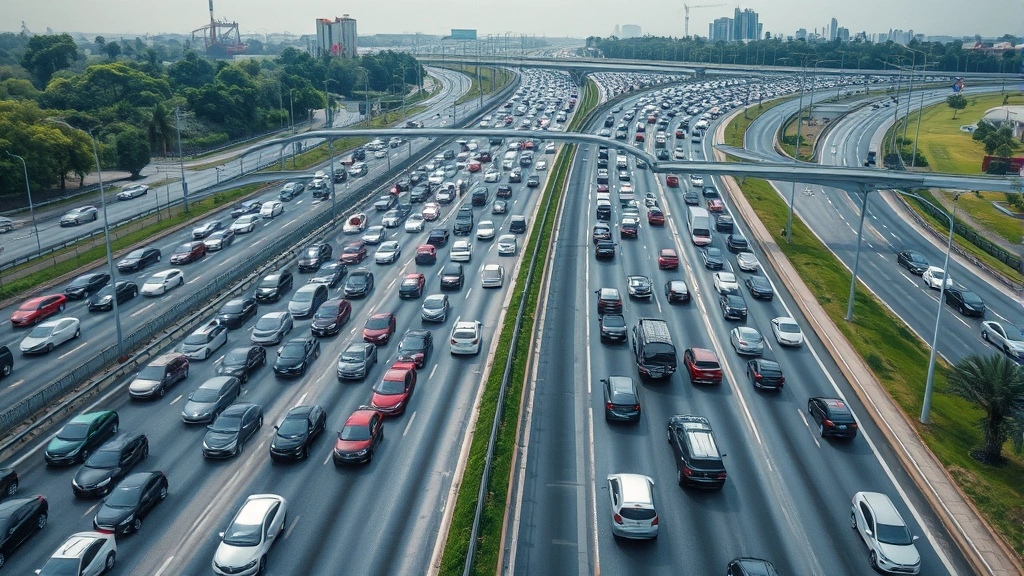
Every time you press the gas pedal hard, your vehicle’s engine works harder, burns more fuel, and releases more emissions into the atmosphere. This simple mechanical reality has profound environmental consequences when multiplied across billions of vehicles worldwide. The transportation sector accounts for approximately 27% of greenhouse gas emissions in the United States alone, making driving habits genuinely consequential.
Aggressive acceleration creates several environmental problems simultaneously. First, it increases fuel consumption dramatically. A vehicle accelerating rapidly uses 20-30% more fuel than gradual acceleration to the same speed. Second, it increases emissions of not just carbon dioxide but also nitrogen oxides and particulate matter, which contribute to air pollution and respiratory health problems. Third, it accelerates wear on engine components, potentially leading to increased maintenance and replacement cycles that consume additional resources.
When examining sustainable energy solutions, we must confront the reality that gasoline-powered vehicles represent an outdated energy paradigm. The internal combustion engine, while mechanically elegant, fundamentally depends on burning fossilized carbon that took millions of years to accumulate. In just over a century, we’ve released significant portions of these reserves back into the atmosphere, fundamentally altering Earth’s climate systems.
The Environmental Protection Agency (EPA) provides comprehensive data on vehicle emissions standards and fuel economy ratings. EPA fuel economy standards demonstrate how regulatory frameworks attempt to manage the environmental impact of transportation. However, individual driver behavior remains the most variable factor in determining actual emissions from any given vehicle.
Cold engine starts compound these issues. When engines start from cold, they operate less efficiently and produce higher emissions per mile for the first few minutes of operation. Aggressive acceleration immediately after starting multiplies these negative effects. This is why driving patterns matter enormously: short trips with aggressive acceleration represent some of the most environmentally damaging driving scenarios.
Lyrical Messages and Behavioral Change
The intersection of popular culture and environmental consciousness creates opportunities for meaningful behavioral change. While “Gas Pedal” lyrics celebrate speed and power, they also provide entry points for discussing the environmental implications of these desires. Music and art have historically driven social change, and climate-conscious messaging embedded in cultural products can shift normalized behaviors.
Pop culture influences how we perceive normal and desirable behavior. When celebrities and artists celebrate reckless acceleration and fuel consumption, they reinforce cultural narratives that prioritize individual thrills over collective wellbeing. Conversely, when influential figures champion sustainable transportation choices, they help normalize more environmentally responsible behavior.
The challenge lies in acknowledging legitimate desires for performance and freedom while redirecting them toward sustainable outlets. Electric vehicles now offer acceleration capabilities that rival or exceed traditional sports cars, providing thrilling performance without fossil fuel combustion. This technological shift creates opportunities to decouple the cultural celebration of speed from environmental destruction.
Educational initiatives that frame sustainable driving as both environmentally necessary and personally beneficial prove most effective. When drivers understand that smooth acceleration saves money on fuel costs while reducing emissions, they gain personal incentives aligned with environmental goals. This alignment of individual and collective interests creates powerful motivation for behavior change.
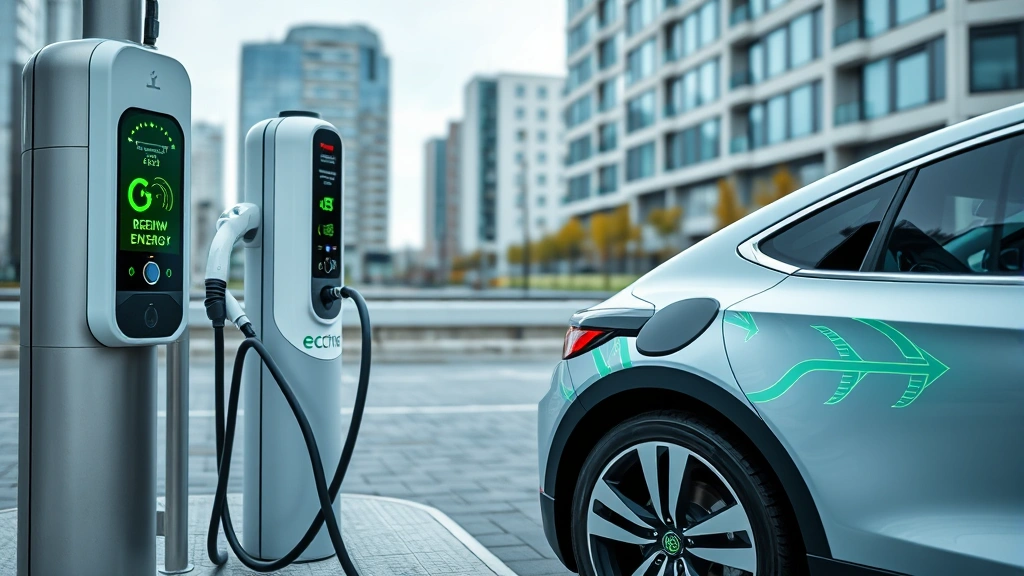
Exploring advantages of electric vehicles reveals how technology can satisfy cultural desires for performance while eliminating tailpipe emissions entirely. Modern electric vehicles provide instant torque and impressive acceleration, offering the thrill factor without environmental guilt.
Sustainable Transportation Alternatives
The transition away from gasoline-powered vehicles represents one of the most important environmental shifts of our era. Multiple sustainable transportation alternatives now exist, each with distinct advantages depending on individual circumstances and needs. Understanding these options empowers people to make choices aligned with their values and environmental commitments.
Electric vehicles (EVs) have emerged as the most technologically mature alternative to traditional cars. Battery technology improvements have dramatically increased range and decreased charging times. Modern EVs can travel 200-400 miles per charge, with fast-charging infrastructure expanding rapidly. The environmental benefits extend beyond eliminating tailpipe emissions; as electrical grids incorporate more renewable energy sources, the environmental benefit of driving electric vehicles increases over time.
Public transportation offers another crucial alternative, particularly for urban commuters. Buses, trains, and light rail systems move many people using a fraction of the fuel per passenger compared to individual vehicles. Investment in robust public transit infrastructure represents one of the most impactful climate actions cities can undertake. For those with access to quality public transportation, choosing buses or trains over personal vehicles can reduce individual carbon footprints by 50% or more.
Cycling and walking remain underutilized sustainable transportation modes in many regions. For trips under three miles—which represent a substantial portion of urban driving—bicycles provide viable, zero-emission alternatives. Cities that have invested in protected bike lanes and pedestrian infrastructure report significant shifts toward these active transportation modes.
Car-sharing and ride-sharing services reduce the total number of vehicles needed while improving vehicle utilization rates. When vehicles are used more intensively, the environmental cost per mile traveled decreases substantially. These models also reduce parking demands, freeing urban land for more productive uses.
Reviewing natural gas news reveals ongoing debates about transitional fuels. While natural gas produces fewer emissions than gasoline, it remains a fossil fuel that contributes to climate change. Most environmental experts view natural gas as a bridge fuel at best, not a long-term solution.
The Future of Driving: Technology Meets Responsibility
The future of transportation involves dramatic technological shifts combined with cultural and behavioral changes. Autonomous vehicles, improved battery technology, expanded charging infrastructure, and integration of various transportation modes will fundamentally reshape how people move through the world. These changes create opportunities to design transportation systems that prioritize environmental sustainability from inception.
Battery technology improvements continue at accelerating rates. Solid-state batteries promise even greater energy density, faster charging, and longer lifespan than current lithium-ion batteries. These advances will make electric vehicles increasingly practical and affordable for broader populations. Research institutions and companies worldwide are racing to commercialize these technologies, with significant breakthroughs expected within the next decade.
Autonomous vehicle technology presents both opportunities and risks for sustainability. On the positive side, self-driving vehicles could optimize driving patterns to minimize energy consumption and emissions. They could also reduce accidents, allowing safer designs that reduce vehicle weight and improve efficiency. On the concerning side, autonomous vehicles could increase total vehicle miles traveled if they make driving so convenient that people use them for trips previously made by transit, walking, or cycling.
Explore green technology innovations transforming our future to understand the broader landscape of sustainable technological advancement. The transportation sector represents just one element of necessary systemic change toward sustainability.
Urban planning will play crucial roles in the transportation future. Cities designed around walkability, cycling infrastructure, and integrated public transit can dramatically reduce transportation-related emissions regardless of vehicle technology. Some forward-thinking cities are already implementing 15-minute neighborhoods where residents can access most daily needs within a 15-minute walk or bike ride.
The International Energy Agency projects that electric vehicles could represent 60% of new car sales by 2030 if current policy momentum continues. This transition would dramatically reduce transportation emissions, though complete decarbonization requires additional actions including grid electrification with renewable energy sources.
Personal Actions for Conscious Drivers
Individual drivers possess significant power to reduce their transportation environmental impact through deliberate choices and behavioral changes. These actions work simultaneously at personal and systemic levels, demonstrating to markets and policymakers that sustainable transportation represents genuine consumer demand.
Optimize your driving habits: Smooth acceleration and deceleration consume less fuel and produce fewer emissions. Maintaining steady speeds on highways, avoiding unnecessary idling, and keeping tires properly inflated can reduce fuel consumption by 10-15%. These changes cost nothing and begin reducing environmental impact immediately.
Reduce driving frequency: Consolidating errands, combining trips, and considering alternatives to driving for short distances yields substantial benefits. Working from home one or more days weekly can reduce annual commuting emissions by 20% or more for those with that flexibility.
Transition to electric or hybrid vehicles: When replacing a vehicle, prioritize electric or plug-in hybrid options if financially feasible. The environmental payback period—the time required for an EV to offset manufacturing emissions through cleaner operation—typically occurs within 2-3 years of normal driving.
Utilize public transportation: Even occasional transit use reduces personal vehicle miles and supports infrastructure development. Regular transit users can reduce transportation emissions by 45% compared to driving alone.
Support policy changes: Advocate for investments in public transit, cycling infrastructure, and charging networks. Vote for candidates and policies supporting clean transportation. Participate in local planning processes that shape transportation infrastructure.
Consider your vehicle type: If personal vehicle ownership remains necessary, smaller, efficient models produce fewer emissions than larger SUVs and trucks. Average vehicle size has increased dramatically over recent decades, and right-sizing vehicles to actual needs reduces environmental impact.
For comprehensive guidance, review resources from the U.S. Department of Energy’s fuel economy website, which provides detailed comparisons of vehicle efficiency across all models. The Carbon Trust offers additional resources for calculating and reducing transportation carbon footprints.
Returning to SustainWise Hub Blog provides additional perspectives on sustainable living across all life domains. Transportation represents just one element of comprehensive sustainability, though a particularly impactful one.
FAQ
What does “gas pedal” mean in environmental context?
In environmental discussions, “gas pedal” refers both to the accelerator mechanism in vehicles and metaphorically to our collective consumption patterns. Pressing the gas pedal harder increases fuel consumption and emissions proportionally, making it a symbol of environmental impact.
How much more fuel does aggressive acceleration use?
Aggressive acceleration increases fuel consumption by 20-30% compared to gradual acceleration to the same speed. This difference multiplies across millions of drivers daily, creating substantial aggregate environmental impact.
Are electric vehicles truly better for the environment?
Yes, electric vehicles produce zero tailpipe emissions and typically generate 50-70% fewer lifecycle emissions than comparable gasoline vehicles, even accounting for battery manufacturing. This advantage increases as electrical grids incorporate more renewable energy.
What’s the most impactful transportation change individuals can make?
Reducing driving frequency through trip consolidation, remote work, or transit use provides the most immediate impact. When vehicle use remains necessary, transitioning to electric or hybrid vehicles offers the next highest impact.
How can cities improve transportation sustainability?
Cities can invest in public transit, develop cycling and pedestrian infrastructure, implement congestion pricing, and design neighborhoods around walkability. These systemic changes reduce transportation emissions more effectively than individual behavior changes alone.
What role does driving behavior play in emissions?
Driving behavior significantly impacts emissions. Smooth acceleration, consistent speeds, reduced idling, and proper tire pressure can reduce fuel consumption and emissions by 10-15% without changing vehicles or travel patterns.


