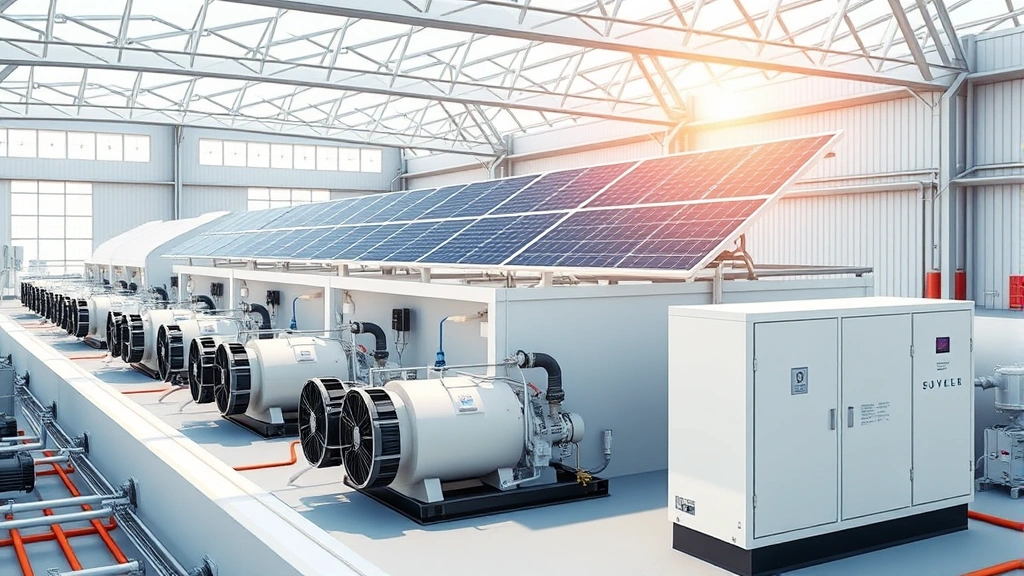
Are Gas Compressors Sustainable? Expert Analysis
Gas-powered air compressors have long been the workhorse of construction sites, workshops, and industrial facilities worldwide. Yet as environmental consciousness grows and climate targets become increasingly stringent, a critical question emerges: can these machines align with sustainability goals? The answer is nuanced and demands careful examination of their environmental impact, operational efficiency, and role within broader energy transitions.
This comprehensive analysis explores the sustainability credentials of gas-powered air compressors, comparing them against electric alternatives and examining innovative solutions that promise cleaner compressed air systems. Whether you’re an industrial operator, contractor, or facility manager, understanding these dynamics is essential for making informed decisions that balance operational needs with environmental responsibility.
Understanding Gas Compressor Environmental Impact
Gas-powered air compressors operate by burning fossil fuels—typically gasoline or diesel—to generate mechanical energy that compresses air. This fundamental process creates multiple environmental concerns that extend beyond simple emissions. Understanding these impacts requires examining the complete lifecycle of the equipment, from manufacturing through disposal.
The primary environmental challenge stems from direct combustion. Unlike electric motors that can potentially draw power from renewable sources, gas engines inherently rely on non-renewable fossil fuels. A typical gas-powered air compressor emits carbon dioxide, nitrogen oxides, particulate matter, and volatile organic compounds during operation. These emissions contribute directly to climate change and local air quality degradation.
Beyond operational emissions, the manufacturing process itself carries environmental costs. Gas compressor production requires resource extraction, energy-intensive manufacturing, and transportation to distribution centers. Many units end up in landfills after their useful life, creating additional waste management challenges. The EPA’s climate impact assessments consistently highlight portable power equipment as a growing emissions source, particularly in urban and suburban areas.
Noise pollution represents another often-overlooked sustainability dimension. Gas compressors generate significant noise levels—typically 80-90 decibels—that disrupt ecosystems and human communities. This externalized cost rarely appears in purchase decisions but contributes meaningfully to environmental degradation.
Storage and handling of fuel introduces additional concerns. Gasoline and diesel storage creates spill risks, groundwater contamination potential, and requires secure infrastructure. Small-scale fuel spills from portable equipment collectively cause substantial environmental damage across landscapes.
Emissions and Carbon Footprint Analysis
Quantifying the carbon footprint of gas-powered air compressors reveals substantial environmental costs. A typical portable gas compressor operating eight hours daily generates approximately 2-3 tons of CO₂ annually, equivalent to driving a passenger vehicle 5,000-7,500 miles.
Diesel compressors, commonly used in industrial settings, produce even higher emissions. A 100-horsepower diesel compressor operating continuously can emit 50+ tons of CO₂ yearly, plus significant quantities of particulate matter and nitrogen oxides that contribute to smog and respiratory health problems. According to EPA regulations on non-road engines, portable gas equipment represents one of the fastest-growing emission sources in many regions.
The emissions profile extends beyond carbon dioxide. Gas compressors emit volatile organic compounds that react with sunlight to form ground-level ozone, a major air pollutant. Nitrogen oxides contribute to acid rain and nutrient pollution in waterways. Particulate matter penetrates deep into lungs, causing respiratory and cardiovascular disease.
Methane emissions present another concern, particularly with diesel engines where incomplete combustion can release unburned fuel. Though methane comprises a smaller percentage of total emissions, its global warming potential exceeds CO₂ by 25-28 times over a century-long timeframe.
The carbon intensity varies significantly based on usage patterns. Compressors operating in idle or light-load conditions burn fuel inefficiently, producing more emissions per unit of useful work. Industrial applications with consistent, high-demand loads achieve better efficiency metrics but still generate substantial absolute emissions.
When analyzing lifecycle emissions, manufacturing impacts merit consideration. Producing a gas compressor requires approximately 1-2 tons of CO₂ equivalent through raw material extraction, processing, manufacturing, and transportation. This manufacturing carbon debt requires 6-12 months of operation to offset through efficiency gains versus alternative systems.
Energy Efficiency Comparison
Energy efficiency serves as a crucial sustainability metric. Gas-powered air compressors typically convert 20-30% of fuel energy into useful compressed air, with the remainder lost as heat, noise, and friction. This contrasts sharply with electric compressors, which achieve 70-85% efficiency when powered by grid electricity, and substantially higher efficiency when connected to renewable energy sources.
The efficiency disadvantage compounds when considering typical usage patterns. Gas compressors often operate at partial loads where efficiency drops dramatically. An engine throttled to 50% capacity may achieve only 15-20% overall efficiency, making light-duty applications particularly wasteful.
Industrial compressed air systems demonstrate these efficiency challenges acutely. A poorly maintained gas compressor system can lose 20-30% of compressed air through leaks before reaching end-use points. Adding leak detection and repair to your facility operations significantly improves performance across all compressor types, but the baseline efficiency gap remains substantial.
Electric compressors offer variable-speed drives that match output to demand, eliminating idle losses. Modern variable-frequency drive (VFD) technology adjusts motor speed based on air demand, reducing energy consumption by 20-50% compared to fixed-speed operation. Gas engines cannot match this responsiveness, operating at constant RPM regardless of actual demand.
Thermal efficiency losses in gas compressors also exceed electric alternatives. The engine generates substantial waste heat that dissipates into the environment, representing lost energy. Electric compressors transfer energy more directly, though they do generate heat that can sometimes be captured for beneficial uses in facilities.
When powered by renewable electricity, electric compressors achieve near-zero operational emissions, fundamentally changing the sustainability equation. Even when powered by grid electricity containing fossil fuel generation, electric compressors typically produce 40-60% fewer lifecycle emissions than equivalent gas units, depending on regional energy mix.
Electric Compressors as Sustainable Alternatives
Electric air compressors represent the primary sustainable alternative to gas-powered models. These systems eliminate direct emissions during operation, reduce noise pollution by 50-70%, and achieve substantially higher energy efficiency. For stationary applications where grid power access exists, electric compressors constitute the most environmentally responsible choice available today.
The sustainability advantages extend beyond operational metrics. Electric motors require minimal maintenance compared to internal combustion engines, reducing resource consumption over their lifetime. No fuel storage is required, eliminating spill risks and contamination potential. Battery-powered portable electric compressors now serve many applications previously reserved for gas units, expanding sustainable options.
However, electric compressors introduce different sustainability considerations. Grid electricity generation varies significantly by region. In areas with high renewable energy penetration—such as parts of California, Germany, or Denmark—electric compressors operate with minimal carbon footprint. Conversely, regions relying heavily on coal or natural gas generation see less dramatic emissions reductions, though improvements remain substantial.
The manufacturing carbon footprint of electric compressors typically exceeds gas units due to battery production in portable models. Lithium-ion battery manufacturing generates 60-100 kg of CO₂ per kilowatt-hour of capacity. A portable electric compressor with a 2-5 kWh battery carries 120-500 kg of manufacturing emissions. This manufacturing carbon debt requires 200-500 hours of operation to offset through efficiency gains, achievable within 6-18 months of typical use.
Battery recycling and end-of-life management represent evolving sustainability challenges. Fortunately, lithium-ion battery recycling technology is advancing rapidly, with recovery rates approaching 95% for valuable materials. Choosing electric compressors from manufacturers with established battery take-back programs ensures responsible end-of-life management.
Explore sustainable energy solutions to understand how electric systems fit within broader decarbonization strategies. The transition to electric compressed air systems aligns with advantages of electric vehicles and broader electrification trends transforming industrial sectors.
Hybrid and Renewable Solutions
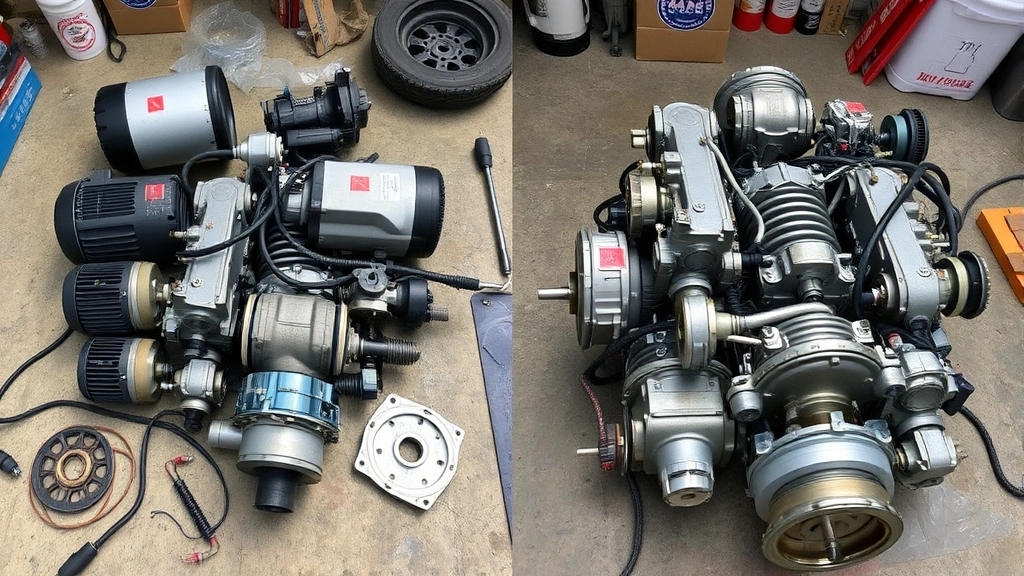
Emerging hybrid technologies promise middle-ground solutions combining gas and electric power. These systems use electric motors during low-demand periods and engage gas engines only when compressed air demand exceeds electric capacity. This approach reduces overall fuel consumption by 30-50% compared to dedicated gas systems while maintaining operational flexibility.
Solar-powered air compressors represent another innovative sustainable approach. Photovoltaic panels paired with battery storage enable completely emission-free compressed air generation in suitable climates. Construction sites and outdoor operations benefit particularly from solar systems, with payback periods of 5-7 years in high-insolation regions. The National Renewable Energy Laboratory has documented successful solar compressor deployments across diverse applications.
Biogas-powered compressors offer sustainable solutions in agricultural and waste management settings. Anaerobic digesters generate biogas from organic waste, providing a renewable fuel source with negative carbon intensity when displacing landfill methane emissions. These systems work particularly well in integrated facilities combining livestock operations, food processing, or wastewater treatment.
Compressed air energy storage (CAES) systems represent a larger-scale sustainability innovation. These facilities compress air during periods of excess renewable energy generation, storing it for later use when wind and solar production decline. While primarily utility-scale technology, CAES demonstrates how compressed air fits within renewable energy infrastructure.
Implementing energy-saving strategies applies equally to compressed air systems. Demand-side management—reducing actual compressed air requirements through process optimization—often provides the most sustainable solution, regardless of power source.
Best Practices for Sustainable Operation
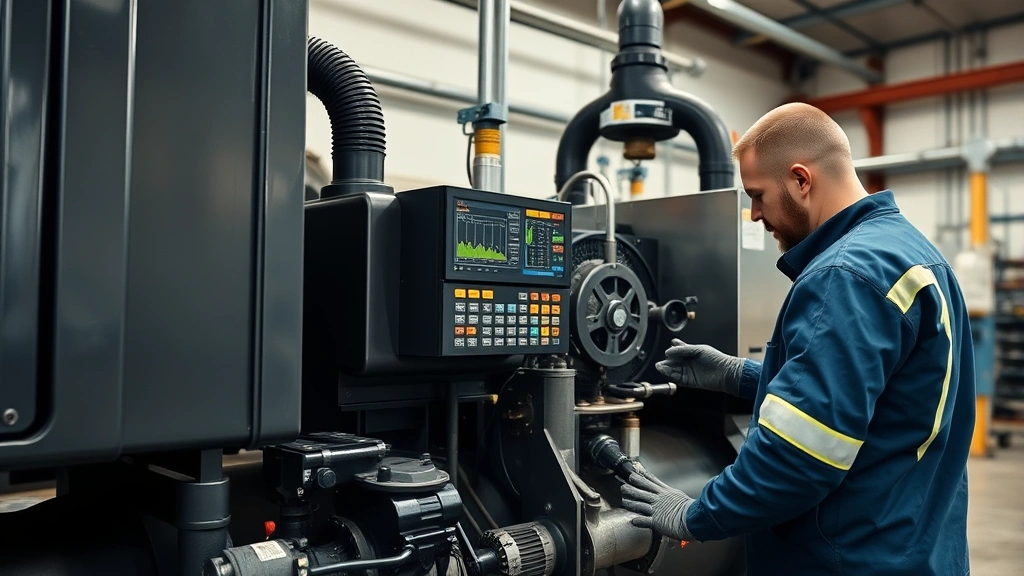
Regardless of compressor type, operational practices significantly influence environmental impact. Implementing maintenance programs that keep equipment running efficiently reduces fuel consumption and extends equipment lifespan. Regular filter changes, oil analysis, and component inspection prevent efficiency degradation that can increase emissions by 10-20%.
Leak detection and repair programs deserve particular attention in industrial settings. Compressed air leaks represent one of the largest efficiency losses in manufacturing facilities. A single 1/8-inch diameter leak wastes approximately 14 CFM at 100 PSI, equivalent to running a small compressor continuously. Systematic leak audits and repairs can reduce compressed air system energy consumption by 20-30%.
Proper compressor sizing prevents efficiency losses from oversized equipment. Installing multiple smaller compressors for variable loads rather than one large unit sized for peak demand reduces overall energy consumption through better part-load efficiency. This approach also provides operational redundancy and flexibility.
Pressure optimization delivers substantial efficiency improvements. Many facilities operate at higher pressures than necessary for end-use applications. Reducing system pressure by 2 PSI decreases energy consumption by approximately 1%, with compounding benefits across large installations. Pressure regulators on individual tools and equipment enable higher system pressure where needed while maintaining lower pressure in other areas.
Waste heat recovery from air compressors—whether gas or electric—captures energy otherwise lost. Heat exchangers can preheat water for facility use or space heating, offsetting other energy consumption. Industrial facilities often recover 80-90% of compressor waste heat, providing meaningful efficiency improvements.
Strategic scheduling aligns compressed air use with available renewable energy. Facilities with solar or wind generation can schedule energy-intensive compressed air tasks during peak renewable output periods, minimizing reliance on grid electricity or fossil fuels.
Exploring green technology innovations reveals emerging solutions for compressed air sustainability. Advanced monitoring systems using IoT sensors provide real-time efficiency data, enabling rapid identification and correction of performance degradation.
FAQ
Are gas-powered air compressors ever sustainable?
Gas compressors cannot achieve true sustainability due to inherent reliance on fossil fuels. However, in remote locations lacking grid power or battery infrastructure, gas units represent the only practical option. In these limited scenarios, minimizing environmental impact through proper maintenance and efficient operation provides the best available approach. For most applications with electricity access, electric alternatives offer substantially better sustainability profiles.
How much does switching to electric compressors cost?
Electric compressor prices vary widely based on capacity and features, typically ranging from $200 for small portable units to $50,000+ for large industrial systems. While initial costs often exceed comparable gas models by 20-40%, operational cost savings through reduced fuel and maintenance expenses recover this premium within 2-5 years for most applications. Long-term total cost of ownership strongly favors electric systems.
Can electric compressors handle the same work as gas models?
Modern electric compressors match or exceed gas unit performance in most applications. Stationary electric systems provide unlimited runtime without fuel limitations. Portable electric units with battery systems now achieve sufficient capacity for many job-site applications, though extreme remote locations still benefit from gas portability. Matching compressor selection to actual application requirements—rather than assuming gas superiority—often reveals electric adequacy.
What is the environmental impact of manufacturing batteries for electric compressors?
Battery manufacturing carries real environmental costs, primarily from energy-intensive lithium extraction and cell production. However, lifecycle analysis consistently demonstrates that manufacturing emissions are offset through operational efficiency gains within 6-24 months of typical use. Over a 10-15 year equipment lifespan, electric compressor lifecycle emissions remain 60-80% lower than equivalent gas units.
Do compressed air systems have a role in renewable energy infrastructure?
Yes. Compressed air energy storage systems store excess renewable energy generation for later use, providing grid stability and enabling higher renewable penetration. At facility scale, compressed air systems can store solar and wind energy for off-peak use. This energy storage application represents an important sustainability use case for compressed air technology.
How can existing gas compressor users improve sustainability?
Immediate improvements include implementing rigorous maintenance programs, detecting and repairing leaks, optimizing operating pressure, and scheduling usage efficiently. Planning equipment replacement toward electric systems provides long-term sustainability improvements. For facilities with renewable energy access, hybrid systems combining gas and solar/wind power offer transitional solutions while grid infrastructure develops.


