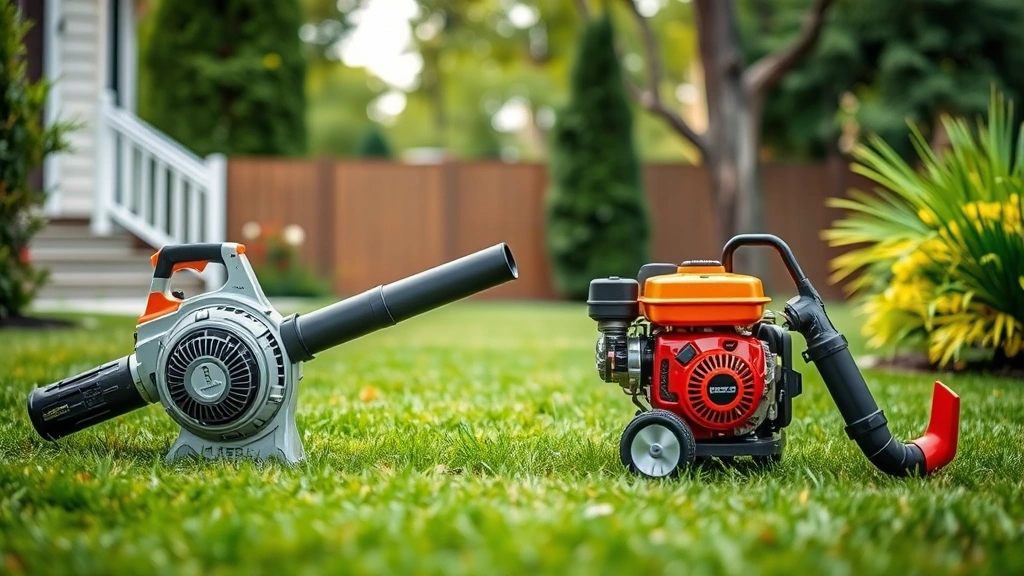
Gas Blowers: Eco Impact & Alternatives Explained
Gas powered blowers have become ubiquitous tools in landscaping, property maintenance, and outdoor cleanup operations. Yet their widespread adoption masks a significant environmental problem that most homeowners and professionals overlook. These machines, while convenient, contribute substantially to air pollution, greenhouse gas emissions, and noise pollution in our communities. Understanding the true ecological cost of gas blowers is the first step toward making more sustainable choices for your yard maintenance routine.
The environmental impact of gas powered blower usage extends far beyond the immediate exhaust fumes visible when operating the equipment. From manufacturing emissions to fuel production and distribution, the lifecycle of a gas blower represents a considerable carbon footprint. This comprehensive guide explores the hidden environmental costs of traditional gas blowers, examines viable alternatives, and provides actionable insights for reducing your landscaping-related environmental impact.
The Environmental Cost of Gas Powered Blowers
A single gas powered blower produces emissions equivalent to driving a car for several hours. Research from the EPA’s air quality standards reveals that small engines like those in gas blowers emit disproportionately high levels of pollutants relative to their size. The typical gas blower contains a small internal combustion engine that burns fossil fuels, releasing carbon dioxide, nitrogen oxides, and particulate matter directly into the atmosphere.
The lifecycle emissions of gas blowers begin long before you pull the starter cord. Oil extraction, refining, transportation, and distribution all consume energy and generate emissions. Manufacturing the equipment itself requires significant resources and energy input. When you add the operational emissions from regular use throughout the year, the cumulative environmental impact becomes substantial. Many homeowners use gas blowers weekly during fall and spring seasons, multiplying the annual emissions footprint considerably.
Beyond carbon emissions, gas blowers contribute to local air pollution that affects community health. According to research from the California Air Resources Board, small gasoline engines are a significant source of volatile organic compounds and nitrogen oxides in urban and suburban areas. These pollutants combine with sunlight to form ground-level ozone, a major component of smog that triggers respiratory problems and aggravates existing health conditions.
Air Quality and Health Implications
The health consequences of widespread gas blower use extend throughout entire communities. Children, elderly individuals, and people with asthma or other respiratory conditions face increased risk from the air pollution generated by landscape maintenance equipment. A single hour of gas blower operation can produce emissions equivalent to driving a new car for 28 miles, according to environmental advocacy organizations.
Noise pollution represents another significant environmental concern often overlooked in discussions about gas blowers. These machines typically operate at 85-100 decibels, disrupting wildlife behavior, interfering with human communication, and contributing to stress-related health problems. The noise disturbance extends across neighborhoods, affecting residents who don’t directly use the equipment.
Soil and water contamination occurs when gas blowers are used near waterways or in areas with sensitive ecosystems. Fuel spills, oil residue, and incomplete combustion byproducts can contaminate groundwater and harm aquatic life. Additionally, the dust and debris stirred up by gas blowers can spread invasive seeds, fungal spores, and other environmental contaminants across properties and into natural areas.
When considering your environmental footprint reduction strategy, evaluating your yard maintenance tools should rank high on the priority list. The choices you make about equipment directly influence local air quality and community health.
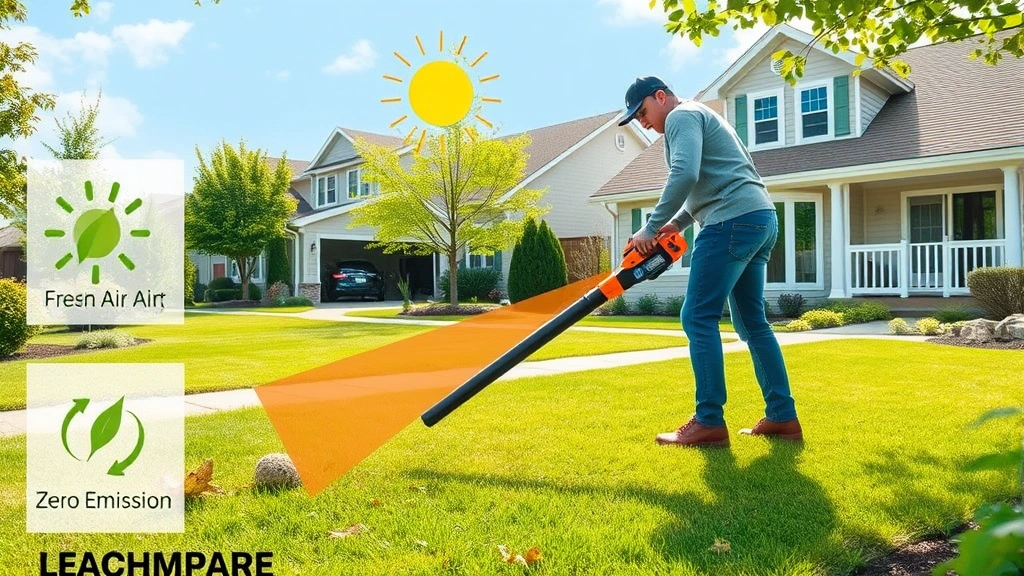
” alt=”Comparison of electric and gas yard equipment showing modern sustainable alternatives” />
Comparing Gas vs. Electric Alternatives
Electric blowers represent a dramatic improvement over their gas-powered counterparts in virtually every environmental metric. They produce zero direct emissions during operation, eliminating the air pollution and greenhouse gases associated with combustion engines. When powered by renewable electricity sources, electric blowers become truly sustainable tools for property maintenance.
The operational efficiency of electric blowers far exceeds that of gas models. Electric motors convert approximately 85-90% of electrical energy into useful work, while gasoline engines achieve only 20-30% efficiency. This means electric blowers accomplish the same work with a fraction of the energy input, whether that energy comes from the grid or renewable sources.
Maintenance requirements differ significantly between gas and electric blowers. Gas models require regular tune-ups, spark plug replacements, air filter cleaning, and seasonal preparation. Oil changes, fuel stabilization, and carburetor cleaning consume time and resources. Electric blowers require minimal maintenance—essentially just occasional cleaning and battery care. This reduced maintenance burden means fewer trips to service centers and less waste generated over the tool’s lifetime.
Cost comparisons have shifted dramatically in recent years. While gas blowers initially cost less at purchase, electric models now offer competitive pricing, especially when considering lifetime operating costs. Electricity costs less than gasoline per unit of work performed, and the reduced maintenance expenses of electric equipment offset the slightly higher purchase price within a few years of regular use.
Exploring sustainable energy solutions for your home includes transitioning yard equipment to electric alternatives. This aligns with broader efforts to reduce fossil fuel dependence in residential settings.
Battery-Powered Blower Technology
Modern lithium-ion battery technology has revolutionized cordless yard equipment, making battery-powered blowers practical for most residential applications. These batteries provide sufficient runtime for typical homeowner needs while maintaining consistent power output throughout the charge cycle. Most residential properties can be completely maintained with a single battery charge.
Battery capacity measured in amp-hours determines runtime and power output. A 4.0 Ah battery typically provides 30-45 minutes of runtime depending on blower model and usage intensity. For larger properties, investing in multiple batteries or higher-capacity options ensures uninterrupted work sessions. Battery technology continues improving, with newer generations offering longer runtimes and faster charging times.
Charging infrastructure has become increasingly convenient. Modern chargers can fully recharge a battery in 30-60 minutes, and many homeowners now maintain two batteries—one charging while the other operates. Some systems offer ultra-fast chargers that restore full charge in under 30 minutes, eliminating downtime between tasks.
The environmental benefits of battery technology extend beyond operational emissions. When powered by renewable electricity sources, battery-powered blowers represent truly clean yard maintenance. As electrical grids incorporate more renewable energy, the environmental advantage of electric equipment grows continuously. Homeowners who install solar panels or purchase renewable energy can achieve near-zero-emission yard maintenance.
Performance characteristics of quality battery-powered blowers now match or exceed gas models for typical residential applications. Air velocity and volume measurements show comparable or superior performance from modern electric blowers, while delivering these results with virtually no noise pollution or emissions.
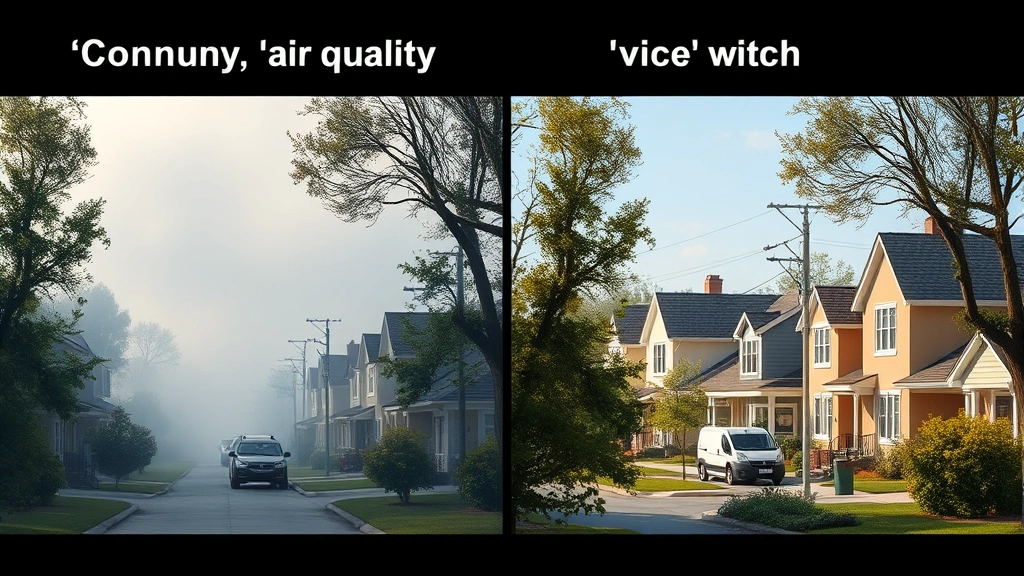
” alt=”Person using cordless battery-powered leaf blower in residential yard with clean air and quiet operation” />
Manual and Human-Powered Options
Before powered equipment became standard, humans managed leaves and debris through manual methods that remain viable today. Rakes and brooms offer completely sustainable alternatives requiring no fuel, electricity, or batteries. For many homeowners, particularly those with smaller properties, manual tools provide sufficient capability while offering health and wellness benefits.
Pushing a broom or using a rake provides light cardiovascular exercise, contributing to personal fitness while accomplishing yard work. This dual benefit appeals to many people seeking to integrate physical activity into their daily routines. The meditative quality of manual yard work appeals to others who appreciate the connection with their outdoor space.
Manual tools produce zero emissions, zero noise pollution, and require minimal maintenance. A quality broom or rake lasts for years with basic care, producing virtually no waste over its lifetime. The initial environmental cost of manufacturing these simple tools is negligible compared to complex powered equipment.
Limitations of manual methods include increased time requirements and physical demands that may not suit everyone. Older adults, people with mobility limitations, or those with large properties may find manual tools impractical. However, for many homeowners, combining manual tools with occasional powered assistance represents an ideal compromise.
Mulching strategies offer another sustainable alternative to blowing leaves away. Leaving leaves on lawns and garden beds provides natural mulch, returning nutrients to soil and reducing yard waste. This practice, known as “grasscycling,” eliminates the need for blowing leaves entirely while improving soil health and reducing landfill waste.
Making the Transition
Transitioning from gas to electric yard equipment requires thoughtful planning but offers substantial environmental benefits. Start by assessing your specific needs—property size, terrain, and typical yard maintenance tasks determine which equipment makes sense for your situation.
Battery ecosystem compatibility deserves careful consideration. Many manufacturers now produce entire lines of yard equipment using the same battery platform. Investing in one system allows you to use batteries across multiple tools—blowers, mowers, trimmers, and chainsaws. This consolidation reduces the number of batteries needed and simplifies charging infrastructure.
Budget considerations matter, but calculating total cost of ownership reveals the true financial picture. Factor in fuel costs, maintenance expenses, and repair bills when comparing gas and electric options. Most homeowners discover that electric equipment costs less over five to ten years of regular use, while delivering superior environmental performance.
Disposal of old gas equipment requires responsible handling. Many communities offer e-waste recycling programs that accept yard equipment. Some retailers accept trade-ins, refurbishing equipment for resale or recycling components responsibly. Never simply discard gas equipment in landfills where fuel and oil can leak into soil and groundwater.
Joining the transition movement connects you with other environmentally conscious homeowners. Online communities and local gardening groups share experiences with different equipment brands and offer practical tips for maximizing battery performance and tool longevity. This peer support makes the transition smoother and more rewarding.
Your choices about green technology innovations in yard maintenance influence community norms and market demand. As more homeowners adopt electric alternatives, manufacturers invest more heavily in these technologies, driving innovation and reducing costs for everyone.
Understanding the broader context of sustainability definition helps frame yard equipment choices as part of comprehensive environmental responsibility. Sustainable living encompasses numerous decisions, and equipment selection represents one meaningful area where individuals can directly reduce environmental impact.
For those interested in comprehensive environmental improvement, exploring advantages of electric vehicles reveals how similar principles apply across transportation and equipment categories. The shift toward electric alternatives spans residential, commercial, and transportation sectors.
Visit the SustainWise Hub Blog for additional insights on sustainable living practices and environmental decision-making. The blog regularly features articles on reducing household environmental impact through technology choices and behavior modifications.
For deeper exploration of systemic sustainability issues, the Sustainable Energy Solutions guide addresses broader energy choices and their environmental implications. Understanding energy systems helps contextualize why equipment electrification matters at both individual and community levels.
FAQ
How much pollution does a gas blower actually produce?
A single gas blower produces approximately 11 times more emissions per hour than a new car, according to EPA measurements. Over a typical year of regular use, a gas blower generates emissions equivalent to driving a car for hundreds of miles. This disproportionate pollution comes from the small engine’s lack of advanced emission controls found in modern vehicles.
Are battery-powered blowers as powerful as gas models?
Modern battery-powered blowers match or exceed gas models in air velocity and volume for residential applications. Performance differences become apparent only in commercial-grade applications requiring extended runtime or maximum power output. For typical homeowner needs, quality electric blowers deliver equivalent or superior results.
How long do batteries last, and what do they cost to replace?
Lithium-ion batteries typically last 3-5 years of regular use before degrading noticeably. Replacement batteries cost $100-300 depending on capacity and brand. This cost amortizes over years of use, often costing less annually than the fuel required for gas equipment operation.
Can I use electric blowers in wet conditions?
Most battery-powered blowers are weather-resistant and can operate in damp conditions. However, avoiding use during heavy rain protects equipment longevity. Always check manufacturer specifications for your specific model, as weather resistance varies. Gas blowers face similar weather limitations despite their sealed engines.
What about noise levels with electric blowers?
Battery-powered blowers typically operate at 60-75 decibels, significantly quieter than gas models at 85-100 decibels. This dramatic noise reduction benefits users, neighbors, and wildlife. Quieter operation means you can work during early morning or evening hours without disturbing the community.
How do I dispose of old gas equipment responsibly?
Contact local waste management facilities to locate hazardous waste disposal sites accepting yard equipment. Many retailers selling new equipment offer trade-in programs. Some recycling centers accept small engines separately from other equipment. Never discard gas equipment in regular trash where fuel and oil contaminate landfills.


