
Is a KitchenAid Gas Range Eco-Friendly? Facts Inside
When shopping for kitchen appliances, many homeowners face a critical decision: should they invest in a gas range or explore electric alternatives? KitchenAid gas ranges are renowned for their professional-grade performance and sleek design, but the ecological implications deserve careful examination. Understanding whether a KitchenAid gas range aligns with your sustainability goals requires looking beyond marketing claims and diving into the environmental impact of gas cooking technology.
The intersection of culinary performance and environmental responsibility has become increasingly important as consumers seek to reduce their household carbon footprint. Gas ranges offer distinct cooking advantages, including precise temperature control and immediate heat response, but these benefits come with environmental trade-offs that merit thorough investigation. This comprehensive guide explores the eco-friendliness of KitchenAid gas ranges, examining their energy efficiency, emissions profile, and how they compare to alternative cooking technologies.

Understanding Gas Range Emissions
KitchenAid gas ranges, like all gas cooking appliances, operate by burning natural gas to produce heat. This combustion process releases several byproducts into your kitchen and home environment. The primary emissions include carbon dioxide (CO2), a major greenhouse gas, along with nitrogen oxides (NOx), methane, and particulate matter. Understanding these emissions is fundamental to assessing whether a KitchenAid gas range represents an eco-friendly cooking solution.
When natural gas burns in a KitchenAid gas range, the chemical reaction produces thermal energy that heats cookware. However, this process is inherently less efficient than it might appear. According to research from the Environmental Protection Agency (EPA), gas cooking appliances typically achieve only 40-50% energy efficiency, meaning more than half the energy produced escapes as heat through ventilation or surrounding air.
The combustion of natural gas also releases methane, a potent greenhouse gas approximately 80 times more effective at trapping heat than carbon dioxide over a 20-year period. Even small leaks in gas delivery systems or incomplete combustion in cooking appliances contribute to methane emissions that accelerate climate change. For environmentally conscious consumers, this reality challenges the perception that gas cooking is inherently sustainable.
KitchenAid Gas Range Energy Efficiency
KitchenAid manufactures gas ranges with various efficiency features designed to improve performance and reduce energy consumption. Many contemporary KitchenAid models include sealed burners that concentrate heat directly on cookware, reducing wasted heat compared to older open-burner designs. Sealed burners also prevent spills from dripping into the range body, improving longevity and safety.
The brand has incorporated innovations such as precise flame control and improved insulation in oven cavities to maximize heat retention. Some premium KitchenAid gas range models feature convection baking systems that circulate hot air more efficiently throughout the oven, reducing cooking times and energy consumption. These technological improvements represent meaningful steps toward greater efficiency within the gas cooking category.
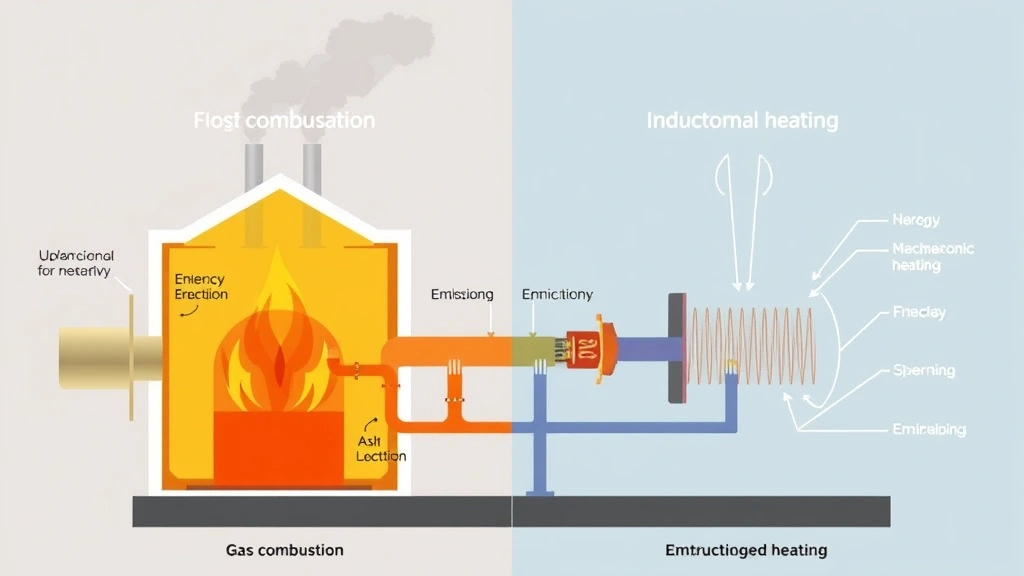
However, it’s crucial to recognize that incremental efficiency improvements within gas technology don’t fundamentally change the environmental calculus. Even the most efficient KitchenAid gas range remains less efficient than modern electric induction cooktops, which convert 80-90% of electrical energy directly into heat. When evaluating whether a KitchenAid gas range is eco-friendly, comparing it to alternative technologies reveals important context.
Energy Star certification provides a useful benchmark for appliance efficiency. While KitchenAid gas ranges may meet certain efficiency standards, the gas cooking category itself presents inherent environmental challenges that efficiency improvements alone cannot overcome. The source of the natural gas—whether it involves hydraulic fracturing, transportation emissions, or methane leakage—adds additional environmental costs beyond kitchen combustion.
Environmental Impact of Natural Gas Cooking
The environmental footprint of a KitchenAid gas range extends far beyond what happens inside your kitchen. The natural gas supply chain involves extraction, processing, transportation, and distribution—each stage generating environmental impacts. Understanding this broader context is essential for making truly informed sustainability decisions about your cooking appliance.
Natural gas extraction through hydraulic fracturing (fracking) requires substantial water usage and poses risks of groundwater contamination. The processing and liquefaction of natural gas consume significant energy, and the transportation of gas through pipelines involves infrastructure that can leak methane into the atmosphere. These upstream emissions must be factored into the total environmental cost of using a KitchenAid gas range.
Indoor air quality represents another important environmental and health consideration. Gas combustion in your kitchen produces nitrogen dioxide and other pollutants that can affect respiratory health, particularly for children and individuals with asthma. Proper ventilation mitigates some risk, but the fundamental issue remains: burning gas indoors introduces combustion byproducts into your living space. This contrasts sharply with electric cooking, which produces zero direct emissions in the home.
The methane leakage problem deserves particular emphasis. Research from various environmental organizations indicates that natural gas systems leak methane at rates higher than previously estimated, with some studies suggesting losses between 1-5% of total gas distributed. These leaks occur at production sites, processing facilities, transportation pipelines, and even in residential gas lines. Over a 20-year timeframe, these methane emissions create climate impacts significantly larger than the CO2 produced by actual gas combustion.
Comparing Gas to Electric and Induction Cooking
To accurately assess whether a KitchenAid gas range is eco-friendly, direct comparison with sustainable energy solutions provides essential perspective. Electric resistance cooktops offer moderate efficiency improvements over gas, while induction cooktops represent the most efficient cooking technology available today. The choice between these technologies has substantial environmental implications.
Induction cooktops use electromagnetic fields to heat cookware directly, achieving efficiency rates of 80-90% compared to 40-50% for gas ranges. This means an induction cooktop accomplishes the same cooking task using roughly half the energy of a gas range. When powered by electricity from renewable sources like solar or wind, induction cooking becomes genuinely low-carbon. Even with current grid electricity containing fossil fuel components, induction cooking typically produces lower lifetime emissions than gas.
Electric resistance cooktops fall between gas and induction in terms of efficiency, typically achieving 65-75% efficiency. While not as efficient as induction technology, electric cooking eliminates indoor air quality concerns and supports cleaner operation when powered by renewable electricity. The environmental advantage of electric cooking grows as electrical grids incorporate more renewable energy sources.
The geographic context matters significantly. In regions where electricity comes primarily from renewable sources, switching from a KitchenAid gas range to an electric or induction cooktop dramatically reduces environmental impact. Even in areas where grid electricity includes coal or natural gas generation, the centralized efficiency of power plants often surpasses the distributed inefficiency of home gas combustion when accounting for upstream emissions.
Cooking performance represents the trade-off consideration. Gas cooking offers immediate flame response and precise control that many professional and home chefs prefer. Induction cooking provides excellent performance for most applications but requires magnetic cookware and involves a learning curve for some users. If you’re committed to gas cooking specifically, understanding the environmental trade-offs becomes part of a broader lifestyle sustainability assessment.
Sustainability Features in Modern KitchenAid Models
Contemporary KitchenAid gas ranges incorporate several features designed to improve sustainability performance and reduce environmental impact. Recognizing these innovations helps contextualize the brand’s approach to eco-conscious manufacturing and product design.
Sealed burner systems prevent grease and food debris from accumulating in hard-to-clean areas, extending appliance lifespan and reducing the need for frequent replacement. Extended product lifespan represents genuine environmental benefit, as manufacturing new appliances consumes substantial resources and energy. KitchenAid’s reputation for durability means many of their gas ranges serve households for 15-20 years or more, spreading the manufacturing impact across extended use periods.
Improved insulation in oven cavities reduces heat loss during baking and roasting, lowering energy consumption for these common cooking tasks. Some premium models feature convection fans that distribute heat more evenly, reducing cooking times and energy requirements. These incremental improvements matter within the context of gas cooking technology.
KitchenAid has also invested in more precise ignition systems that reduce pilot light energy consumption. Modern electronic ignition eliminates the need for continuously burning pilot lights, which can represent significant energy waste over time. This technology improvement directly reduces energy consumption and associated emissions.
However, it’s important to recognize that these sustainability features represent optimization within gas cooking technology rather than fundamental solutions to the environmental challenges inherent to burning natural gas. When evaluating KitchenAid gas range models, these features should be weighed against the option of transitioning to electric or induction cooking entirely.
Making an Eco-Conscious Kitchen Choice
Deciding whether to purchase a KitchenAid gas range requires balancing multiple considerations: cooking performance preferences, budget constraints, existing home infrastructure, and environmental values. There’s no universally correct answer, but informed decision-making demands honest assessment of trade-offs.
If you’re committed to a gas range for culinary reasons, selecting the most efficient model available and ensuring proper installation and ventilation represents responsible environmental stewardship. Regular maintenance, including checking for gas leaks and ensuring burner efficiency, reduces ongoing environmental impact. Pairing a KitchenAid gas range with energy-efficient practices in other kitchen areas helps minimize overall household environmental footprint.
If environmental impact weighs heavily in your decision-making, transitioning to green gas alternatives or electric cooking options aligns better with sustainability goals. The upfront cost of replacing a functioning gas range with an electric or induction cooktop may seem substantial, but the long-term environmental and health benefits merit consideration. Many utility companies offer rebates for upgrading to efficient electric cooking appliances, reducing the financial burden.
Exploring how to reduce your environmental footprint in the kitchen extends beyond cooking appliances. Choosing cookware made from recycled or sustainable materials, selecting foods from local and organic sources, and reducing food waste all contribute to comprehensive kitchen sustainability. Your cooking appliance choice fits within this larger ecosystem of household environmental impact.
For those considering home energy upgrades more broadly, the KitchenAid gas range decision connects to broader energy strategy. If you’re already investing in renewable energy through solar panels or planning to transition your home heating system away from natural gas, replacing a gas range with electric cooking creates synergies that amplify environmental benefits. Conversely, if your home heating and water heating systems already depend on natural gas, the incremental impact of a gas range adds less additional burden.
Looking ahead, the trajectory of cooking technology suggests continued innovation in electric and induction cooking efficiency and performance. Future generations of electric cooktops will likely match or exceed gas cooking performance while maintaining superior environmental profiles. Early adoption of these technologies positions your home at the forefront of sustainable kitchen design.
Ultimately, the question “Is a KitchenAid gas range eco-friendly?” requires nuanced answer: compared to older gas ranges, modern KitchenAid models represent efficiency improvements; compared to electric and induction alternatives, gas ranges carry significantly higher environmental costs. Your personal answer depends on how you weight culinary preferences against environmental values and what alternatives align with your household circumstances and sustainability commitments.
FAQ
Are KitchenAid gas ranges more efficient than other gas brands?
KitchenAid gas ranges incorporate efficiency features comparable to other premium brands, including sealed burners and improved insulation. However, efficiency variations among gas ranges are relatively modest—all gas cooking inherently operates within the 40-50% efficiency range. Brand reputation matters for durability and reliability, which extends product lifespan and reduces manufacturing-related environmental impact.
Can I reduce emissions from my KitchenAid gas range?
Yes, several strategies minimize environmental impact: ensure proper installation with adequate ventilation, maintain your range regularly to prevent gas leaks, use appropriately sized cookware to maximize heat transfer, and keep burners clean for optimal combustion efficiency. However, these measures optimize within gas cooking’s inherent limitations rather than fundamentally changing its environmental profile.
What’s the environmental cost of replacing a functional gas range?
Manufacturing new appliances consumes resources and energy, so replacing a functioning gas range with electric or induction cooking involves upfront environmental costs. However, if the gas range will operate for another 10-15 years, the cumulative environmental benefit of lower-emission cooking often outweighs manufacturing impacts. Utility rebates can offset financial costs and improve the decision’s environmental economics.
How does natural gas’s environmental impact compare to electricity?
Natural gas involves extraction, processing, and transportation emissions before reaching your home, plus methane leakage throughout the supply chain. Even accounting for fossil fuel components in grid electricity, centralized power generation typically achieves better efficiency than distributed home gas combustion. As grids incorporate more renewables, electricity’s environmental advantage grows substantially.
Is ventilation important for a gas range’s environmental impact?
Ventilation doesn’t reduce emissions to the environment, but it does protect indoor air quality by removing combustion byproducts from your living space. From a pure climate perspective, emissions still occur whether vented outdoors or recirculated indoors. However, protecting family health through proper ventilation remains important even while considering broader environmental impact.
What kitchen upgrades complement an eco-conscious cooking choice?
Sustainable cookware made from recycled materials, energy-efficient refrigeration, water-saving fixtures, and mindful food sourcing all contribute to comprehensive kitchen sustainability. Pairing your cooking appliance choice with these complementary upgrades creates a holistically sustainable kitchen that extends environmental benefits beyond cooking itself.


