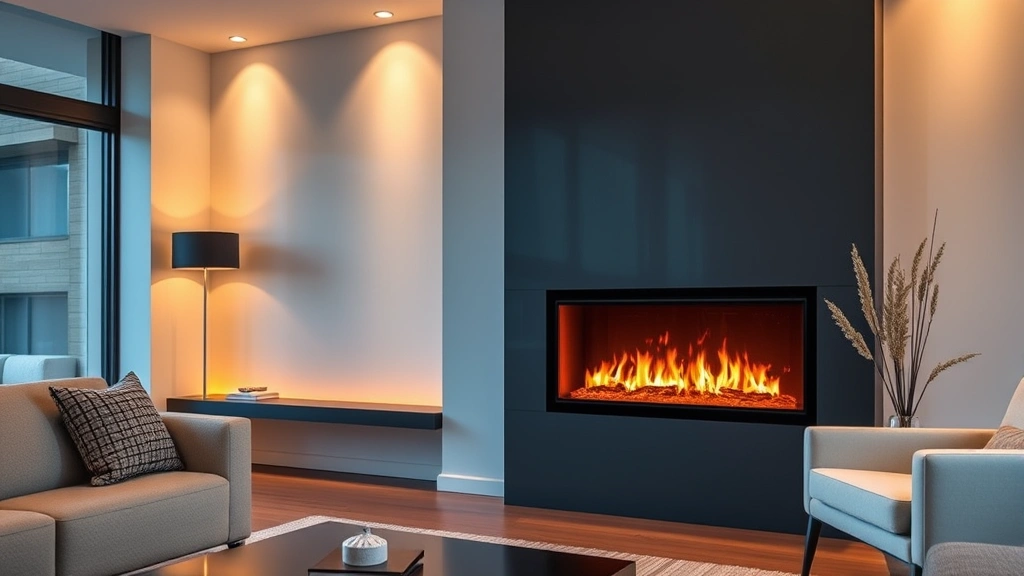
Is a Natural Gas Fireplace Eco-Friendly? Facts Inside
Natural gas fireplaces have become increasingly popular in modern homes, offering warmth and aesthetic appeal without the mess of traditional wood-burning fireplaces. However, homeowners concerned about environmental impact often wonder whether these appliances align with sustainable living practices. The answer is nuanced—natural gas fireplaces present both environmental benefits and drawbacks that deserve careful consideration.
Understanding the ecological footprint of a natural gas fireplace requires examining its efficiency ratings, emissions profiles, and how it compares to alternative heating methods. This comprehensive guide explores the science behind these appliances and helps you make an informed decision for your home’s heating needs and environmental goals.
How Natural Gas Fireplaces Work
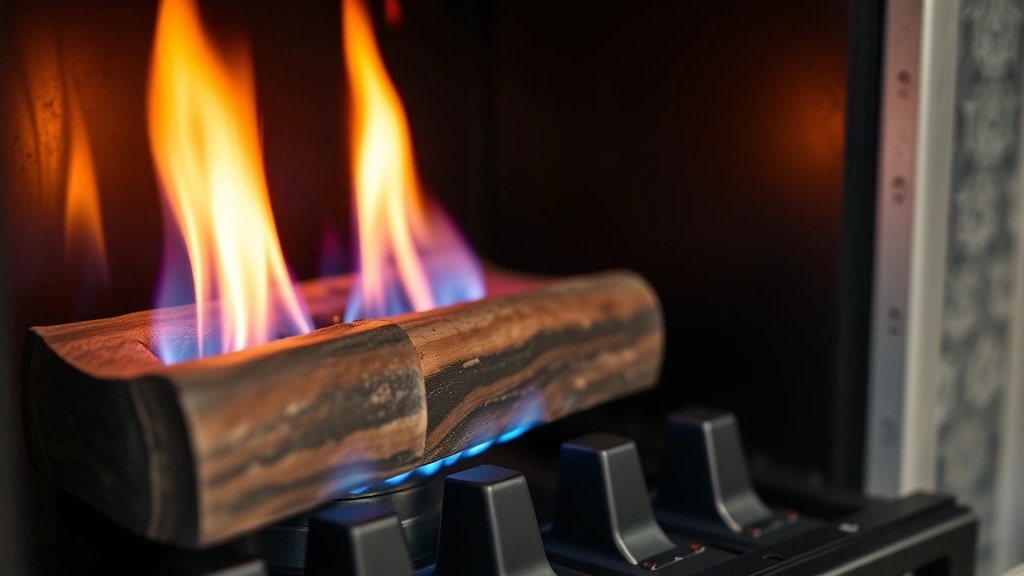
A natural gas fireplace operates by burning methane gas—a fossil fuel extracted from underground deposits—to produce heat and flame. Unlike traditional fireplaces that require wood and chimney maintenance, natural gas units connect directly to your home’s gas line or a propane tank. Modern designs feature ceramic logs or realistic flame effects powered by electronic ignition systems, eliminating the need for matches or kindling.
The combustion process generates heat that radiates into your living space, with varying efficiency levels depending on the unit’s design. Some models include blowers that distribute warm air more effectively throughout the room. Direct vent fireplaces exhaust combustion byproducts outside through a sealed pipe, while ventless models release emissions directly into your home—a significant distinction for indoor air quality and environmental considerations.
Understanding this mechanism is essential when evaluating whether a natural gas fireplace fits your sustainable energy solutions strategy. The efficiency of combustion directly affects how much fuel converts to usable heat versus wasted emissions.
Environmental Impact of Natural Gas
Natural gas combustion produces carbon dioxide (CO₂), the primary greenhouse gas driving climate change. When you burn one therm of natural gas, approximately 5.3 pounds of CO₂ enter the atmosphere. Beyond carbon emissions, natural gas extraction and distribution create additional environmental concerns, including methane leakage during production and transportation.
Methane, the primary component of natural gas, is 28-34 times more potent than CO₂ at trapping atmospheric heat over a 100-year period, according to EPA greenhouse gas data. Even small leaks during extraction, processing, and distribution significantly amplify the climate impact of natural gas use. Studies suggest that 1-2% of natural gas leaks throughout the supply chain, partially offsetting the efficiency advantages of modern appliances.
The carbon intensity of natural gas varies by region and extraction method. Conventional drilling, hydraulic fracturing (fracking), and offshore extraction each carry different environmental profiles. Additionally, natural gas is a finite fossil fuel, meaning its use contributes to resource depletion rather than supporting renewable energy transitions that define true sustainability.
However, natural gas does emit significantly less CO₂ per unit of energy than coal or oil, making it a transitional fuel in some sustainability frameworks. This context matters when comparing your fireplace options to other heating methods.
Efficiency and Emissions Data
Modern natural gas fireplaces achieve efficiency ratings between 70-90%, meaning 70-90% of the fuel’s energy converts to usable heat. This substantially exceeds traditional wood-burning fireplaces, which typically operate at 10-30% efficiency. Direct vent models perform better than ventless alternatives because sealed exhaust systems prevent heat loss through open chimneys.
Direct vent fireplaces draw combustion air from outside and exhaust gases externally, improving overall efficiency while maintaining indoor air quality. These units typically achieve 80-90% efficiency ratings and produce minimal indoor pollutants.
Ventless fireplaces release all combustion byproducts into your home, achieving 99-100% theoretical efficiency since all heat remains indoors. However, this comes with significant trade-offs: increased indoor moisture, nitrogen dioxide exposure, and potential oxygen depletion in poorly ventilated spaces. The Consumer Product Safety Commission recommends using ventless fireplaces only as supplemental heat with proper ventilation.
Emissions from natural gas combustion include:
- Carbon dioxide (CO₂): Primary greenhouse gas contributing to climate change
- Nitrogen oxides (NOx): Air pollutants affecting respiratory health and ozone formation
- Particulate matter: Fine particles that penetrate deep into lungs
- Water vapor: Increases indoor humidity, potentially promoting mold growth
Comparing these emissions to your regional electricity grid’s carbon intensity is crucial. In areas powered primarily by renewable energy, electric heating alternatives may prove significantly more eco-friendly than natural gas combustion.
Comparison with Wood-Burning Fireplaces
Traditional wood-burning fireplaces create a romantic ambiance but represent one of the least sustainable heating options available. Here’s why:
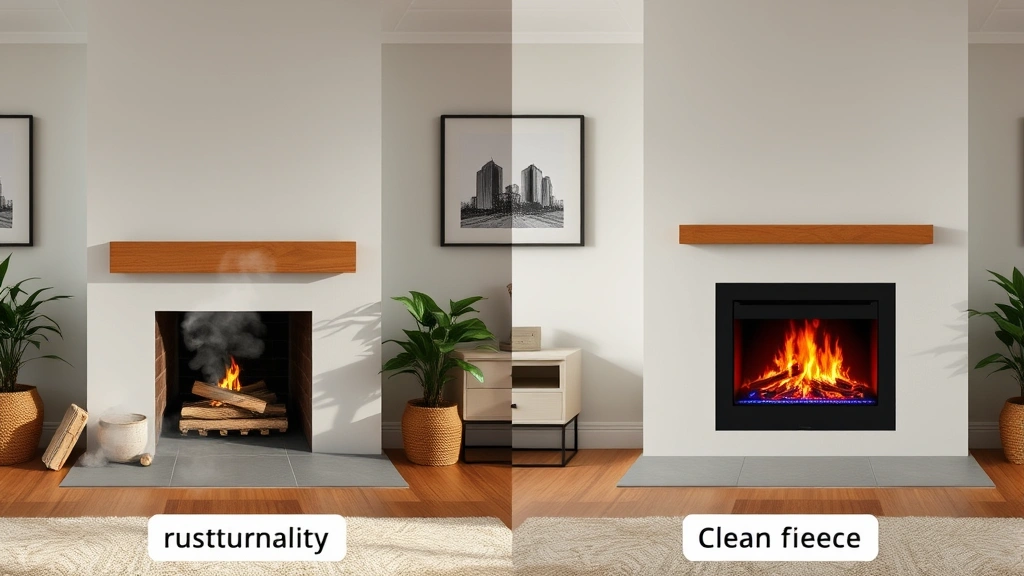
Efficiency disparity: Wood fireplaces operate at 10-30% efficiency, with most heat escaping through the chimney. Natural gas fireplaces deliver 70-90% efficiency—a dramatic improvement that reduces fuel consumption and emissions per unit of heat generated.
Air pollution: Wood smoke contains particulate matter, carbon monoxide, and volatile organic compounds that damage indoor and outdoor air quality. The EPA’s Burn Wise program documents wood smoke’s severe health impacts, particularly for vulnerable populations. Natural gas combustion produces cleaner emissions, though not zero-impact.
Deforestation concerns: Large-scale wood burning contributes to unsustainable forest harvesting. While responsibly managed forests can be renewable resources, many regions lack adequate reforestation programs. Natural gas, though fossil-based, doesn’t require ongoing biomass harvesting.
Carbon accounting: Wood burning releases carbon stored in trees, while natural gas releases carbon locked underground for millions of years. However, if harvested wood comes from sustainably managed forests replanting at harvest rates, the carbon cycle becomes more balanced. Most residential wood-burning doesn’t meet this standard.
For families considering natural gas fire pit alternatives to wood burning, the environmental advantages are substantial.
Electric and Alternative Options
If minimizing environmental impact is your priority, exploring alternatives to natural gas fireplaces reveals compelling options:
Electric fireplaces: These plug-in units use electricity to generate heat and create flame effects through LED lights and mirrors. Their environmental footprint depends entirely on your regional electricity grid’s composition. In areas with high renewable energy percentages, electric fireplaces become significantly more sustainable than natural gas. Even in regions relying on fossil fuels, electric heating efficiency (95-100%) often surpasses combustion-based systems.
Heat pump technology: Modern air-source and ground-source heat pumps deliver 300-400% efficiency by moving heat rather than generating it through combustion. These systems represent the most sustainable heating approach when paired with renewable electricity sources.
Biomass heating: Wood pellet stoves and boilers can achieve 85-90% efficiency while utilizing agricultural waste or sustainably harvested materials. Certified pellets from sustainable forestry operations present lower environmental impact than conventional firewood.
Solar thermal systems: For those in sunny climates, solar water heating and thermal mass systems provide passive heating without combustion or electricity consumption, though they require significant upfront investment.
Explore green technology innovations reshaping home heating to understand emerging alternatives gaining market traction.
Making Your Fireplace More Sustainable
If you already own a natural gas fireplace or are committed to installing one, several strategies reduce its environmental impact:
Optimize efficiency: Ensure your fireplace receives professional inspection and maintenance annually. Clean burners and inspected vents maximize combustion efficiency and minimize incomplete combustion byproducts.
Install a direct vent system: If upgrading from a ventless model, direct venting improves efficiency by 10-15% while eliminating indoor air quality concerns. This single modification significantly reduces emissions per unit of heat.
Use as supplemental heat: Rather than relying on your fireplace as primary heating, use it to warm specific rooms during evenings or cold snaps. This reduces overall natural gas consumption compared to whole-home heating. Pair it with energy-saving strategies throughout your home.
Offset carbon emissions: Calculate your fireplace’s annual CO₂ emissions and invest in verified carbon offset programs supporting renewable energy development or forest conservation. Many organizations offer transparent, third-party verified offsets.
Upgrade to efficient thermostats: Smart thermostats prevent unnecessary heating and optimize your entire system’s performance, reducing overall energy consumption and emissions.
Seal air leaks: Improve your home’s insulation and air sealing to reduce heating demands. A well-insulated home requires less supplemental fireplace use, directly lowering fossil fuel consumption.
Consider renewable gas options: Some natural gas providers now offer renewable natural gas (RNG) derived from agricultural waste, landfill gas, and wastewater treatment. Switching to RNG can reduce your fireplace’s carbon footprint by 70-100%, though availability varies by region.
Cost Considerations
Environmental sustainability intersects with financial practicality. Natural gas fireplaces offer compelling economic advantages:
Installation costs: Direct vent natural gas fireplaces typically cost $2,000-$5,000 installed, while electric fireplaces range from $300-$2,000. Heat pumps represent larger investments ($8,000-$15,000+) but deliver superior long-term heating efficiency.
Operating costs: Natural gas heating typically costs $0.50-$1.50 per therm depending on regional rates. Electric heating costs vary dramatically by region but average $0.12-$0.25 per kilowatt-hour. In cold climates with high gas prices, electric alternatives may prove more economical.
Maintenance expenses: Gas fireplaces require annual professional inspections ($100-$300) and occasional repairs. Electric fireplaces need minimal maintenance, reducing lifetime costs.
Return on investment: Gas fireplaces provide ambiance and supplemental heat but rarely recover installation costs through energy savings alone. However, they enhance home value and appeal—indirect financial benefits.
When evaluating sustainable energy solutions, balance upfront costs against lifetime environmental impact and operational expenses. A slightly more expensive electric option may prove superior when considering total carbon footprint over 15-20 years.
FAQ
Are natural gas fireplaces more eco-friendly than wood-burning fireplaces?
Yes, significantly. Natural gas fireplaces achieve 70-90% efficiency compared to 10-30% for wood fireplaces. They produce fewer air pollutants, require no deforestation, and eliminate indoor smoke. However, both remain less sustainable than modern electric or heat pump alternatives.
Do ventless natural gas fireplaces pose health risks?
Ventless fireplaces release combustion byproducts directly indoors, increasing humidity, nitrogen dioxide, and carbon monoxide exposure. While safe in well-ventilated spaces with proper oxygen supply, direct vent models provide superior indoor air quality and efficiency.
How can I calculate my fireplace’s carbon footprint?
Multiply your annual therm consumption by 5.3 pounds CO₂ per therm. If using your fireplace 4 hours daily during winter (120 days), consuming approximately 0.5 therms per day, that equals 315 pounds CO₂ annually. Include supply chain methane leakage (typically 5-10% additional emissions) for comprehensive accounting.
What’s the most eco-friendly fireplace alternative?
Electric fireplaces powered by renewable electricity represent the most sustainable option in most regions. Heat pumps offer superior efficiency and should be prioritized for primary home heating. For ambiance-focused supplemental heating, electric fireplaces provide excellent environmental performance with minimal installation complexity.
Can I switch my gas fireplace to renewable natural gas?
Most existing natural gas fireplaces operate with renewable natural gas without modifications. Contact your local utility provider to determine RNG availability and pricing in your area. Adoption varies significantly by region, with higher availability in progressive markets.
Should I install a natural gas fireplace if I’m building a new home?
For new construction prioritizing sustainability, consider installing a heat pump system or high-efficiency electric heating supplemented by an electric fireplace for ambiance. These options offer better long-term environmental performance and typically lower lifetime operating costs. If natural gas aligns with your climate and infrastructure, choose direct vent models and plan renewable gas conversion.


