
Okaloosa Gas: Sustainable Practices in 2023?
Okaloosa Gas has emerged as a regional energy provider serving the Florida Panhandle, but as climate consciousness grows, customers and stakeholders alike are asking critical questions about the company’s commitment to sustainability. In 2023, the energy sector faced unprecedented pressure to transition away from fossil fuels and embrace cleaner alternatives, yet many traditional gas utilities have been slow to adapt. This comprehensive analysis examines Okaloosa Gas’s sustainable practices, environmental initiatives, and how the company positions itself within the broader context of climate action and energy transition.
As consumers increasingly prioritize how to reduce your environmental footprint, understanding a local utility’s sustainability stance becomes essential. While Okaloosa Gas primarily distributes natural gas—a fossil fuel with inherent carbon emissions—the company’s 2023 initiatives, transparency, and future commitments reveal important insights about corporate environmental responsibility in the energy sector.
Understanding Okaloosa Gas and Its Operations
Okaloosa Gas serves the Okaloosa County region of northwest Florida, providing natural gas to residential, commercial, and industrial customers. As a regional utility company, it operates within a highly regulated framework established by the Florida Public Service Commission (FPSC). The company maintains an extensive distribution network of pipelines, meters, and service infrastructure that spans across the county.
Like most traditional gas utilities, Okaloosa Gas’s primary business model centers on fossil fuel distribution. However, the company operates within an increasingly complex regulatory and social landscape where sustainability expectations continue to escalate. Understanding the company’s structure and operational scope provides context for evaluating its environmental performance and future potential.
The utility industry has historically been resistant to rapid change, partly due to massive infrastructure investments in fossil fuel systems and regulatory frameworks that prioritize reliability and cost stability over environmental innovation. Yet 2023 marked a turning point where even traditional utilities began acknowledging the sustainable energy solutions imperative.
Natural Gas Infrastructure and Environmental Impact
Natural gas, while cleaner than coal or oil in terms of carbon emissions per unit of energy, remains a fossil fuel with significant environmental consequences. When burned for electricity generation or heating, natural gas releases CO2 into the atmosphere. More concerning, however, is methane leakage throughout the distribution system—methane is approximately 80-86 times more potent than CO2 over a 20-year period, according to EPA greenhouse gas data.
Okaloosa Gas’s infrastructure, like all natural gas distribution systems, faces inherent environmental challenges. Pipeline networks can develop leaks from aging infrastructure, maintenance issues, or natural wear and tear. These fugitive emissions represent a significant but often underreported environmental impact. The company’s commitment to identifying, monitoring, and reducing these leaks directly correlates with its sustainability credentials.
Additionally, natural gas extraction itself carries environmental risks including water contamination concerns, land disruption, and methane release during production and transport. While Okaloosa Gas doesn’t control upstream extraction, understanding these broader supply chain impacts provides important context for evaluating the company’s overall environmental footprint.
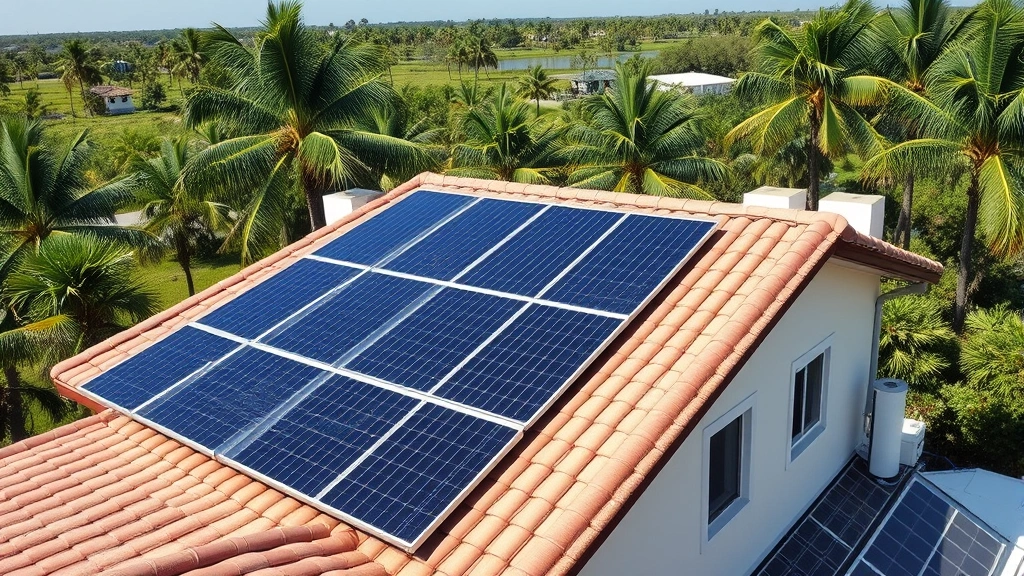
2023 Sustainability Initiatives and Commitments
In 2023, Okaloosa Gas demonstrated several sustainability-oriented initiatives, though the company’s commitment remains measured compared to some forward-thinking utilities. The company invested in infrastructure modernization, which can simultaneously improve safety and reduce emissions. Aging pipeline systems tend to have higher leak rates, and replacing old infrastructure with modern materials and technology provides environmental co-benefits.
The company also expanded its customer communication regarding energy efficiency, recognizing that reducing overall gas consumption represents a meaningful sustainability strategy. By promoting efficient appliances and smart thermostat adoption, Okaloosa Gas helps customers minimize their energy consumption and associated carbon footprint—a win-win scenario that reduces environmental impact while potentially lowering customer bills.
However, critically important to note is what was not prominently featured in the company’s 2023 sustainability messaging: concrete plans for transitioning away from fossil fuels, investments in renewable energy alternatives, or carbon neutrality commitments. This contrasts sharply with leading utilities in other regions that have announced ambitious net-zero targets and significant renewable energy integration goals.
The company’s approach in 2023 reflected what industry observers call “incremental sustainability”—meaningful but limited improvements within the existing business model rather than transformative change toward decarbonization.
Methane Emissions and Leak Detection Programs
Methane management emerged as perhaps the most critical environmental issue for Okaloosa Gas in 2023. The company implemented enhanced leak detection and repair (LDAR) programs, utilizing aerial and ground-based monitoring technologies to identify fugitive emissions throughout the distribution network.
These programs represent genuine environmental progress. Advanced detection methods using infrared imaging and specialized sensors can identify leaks invisible to conventional inspection methods. Rapid repair protocols ensure that identified leaks receive prompt attention, minimizing the duration of methane release.
According to EPA’s Natural Gas STAR Program, proactive methane management can reduce emissions by 15-30% compared to baseline leak rates. If Okaloosa Gas successfully implemented comprehensive LDAR programs, the environmental benefits would be substantial.
However, transparency regarding actual leak rates, detection metrics, and repair timelines remained somewhat limited in publicly available 2023 reporting. Customers and environmental advocates seeking concrete data on the company’s methane performance faced challenges accessing detailed, verified information.

Customer Education and Energy Efficiency Programs
Okaloosa Gas’s educational initiatives in 2023 focused on helping customers optimize their natural gas usage. This approach aligns with the principle that the most sustainable energy is energy not consumed. The company provided resources on:
- Appliance efficiency: Information about ENERGY STAR certified gas appliances and their efficiency advantages
- Home insulation: Guidance on weatherization and insulation improvements that reduce heating demands
- Smart thermostat adoption: Promotion of programmable and smart thermostats that minimize unnecessary heating
- Maintenance best practices: Tips for maintaining furnaces and water heaters to ensure optimal efficiency
The company also offered rebate programs for customers upgrading to high-efficiency equipment, though the scope and generosity of these programs varied. These initiatives directly support natural gas water heater efficiency improvements and broader home energy optimization.
What distinguished forward-thinking utilities was whether they also educated customers about alternative energy sources. Leading sustainability-focused companies provided information about electric heat pumps, solar thermal systems, and other alternatives that could replace natural gas appliances. Okaloosa Gas’s 2023 messaging remained focused on optimizing gas usage rather than exploring alternatives, reflecting the company’s inherent business incentive to maintain gas consumption.
Comparing Regional Gas Utilities
To contextualize Okaloosa Gas’s sustainability performance, comparison with regional and national peers provides valuable perspective. Some larger utilities have committed to:
- Specific carbon reduction targets aligned with climate science recommendations
- Significant investments in renewable natural gas (RNG) derived from organic waste
- Infrastructure projects supporting electrification transition planning
- Transparent environmental reporting and third-party verification
- Board-level sustainability governance and accountability structures
Okaloosa Gas, as a smaller regional utility, operates with different resource constraints than major national companies. However, this doesn’t eliminate the imperative for meaningful sustainability action. The company could distinguish itself by:
- Publishing comprehensive sustainability reports with verified emissions data
- Establishing specific, measurable carbon reduction targets
- Investing in renewable natural gas procurement
- Supporting customer transition to advantages of electric vehicles and electrification
- Partnering with renewable energy providers for innovative solutions
Regional utilities often have greater flexibility to innovate than massive national corporations, yet Okaloosa Gas hadn’t fully capitalized on this advantage as of 2023.
Renewable Energy Alternatives for Okaloosa Customers
For Okaloosa Gas customers concerned about environmental impact, exploring alternatives to natural gas represents an important consideration. Modern green technology innovations transforming our future provide viable substitutes for many natural gas applications:
Electric Heat Pumps: Modern air-source and ground-source heat pumps efficiently provide heating and cooling. When powered by renewable electricity, they eliminate direct fossil fuel consumption. While Florida’s electricity grid remains partially fossil fuel-dependent, this is changing rapidly with increasing solar deployment.
Solar Thermal Systems: Solar water heating systems can significantly reduce or eliminate natural gas water heating needs. Florida’s abundant sunshine makes solar thermal particularly practical for the Okaloosa region.
Induction Cooktops: Electric induction cooking provides superior efficiency compared to gas cooking while eliminating indoor air quality concerns from gas combustion.
Heat Pump Water Heaters: These devices use electricity to move heat rather than generating it through combustion, achieving 2-3 times greater efficiency than traditional gas water heaters.
Progressive utility companies increasingly view these alternatives not as threats but as inevitable transitions requiring proactive management. Okaloosa Gas could position itself as a trusted advisor helping customers navigate this energy transformation rather than resisting it.
Future Outlook and Sustainability Roadmap
Looking beyond 2023, Okaloosa Gas faces critical decisions about its long-term sustainability positioning. Several trajectories are possible:
Status Quo Continuation: The company could maintain incremental improvements within existing operations—continuing leak detection, efficiency programs, and infrastructure modernization while fundamentally preserving the fossil fuel-based business model. This approach minimizes short-term disruption but increasingly misaligns with climate science and customer expectations.
Renewable Natural Gas Transition: The company could invest substantially in renewable natural gas (RNG) procurement from landfills, wastewater treatment, and agricultural sources. RNG provides a pathway to reduce carbon intensity while maintaining existing infrastructure and customer relationships. This represents a middle-ground approach with genuine environmental benefits.
Comprehensive Decarbonization: The most ambitious path would involve planning for systematic transition away from fossil fuels entirely. This could include supporting customer electrification, investing in renewable energy infrastructure, and repositioning as an energy services company rather than a gas utility.
The regulatory environment will significantly influence these decisions. The California Public Utilities Commission has been particularly forward-thinking in pushing utilities toward decarbonization, while other states remain more permissive. Florida’s regulatory framework will determine what sustainability requirements Okaloosa Gas faces in coming years.
Industry momentum suggests that utilities pursuing comprehensive sustainability strategies will increasingly attract capital investment, customer loyalty, and regulatory favor. For Okaloosa Gas, 2024 and beyond represent a critical window for establishing genuine sustainability leadership rather than remaining a laggard in the energy transition.
FAQ
Is natural gas actually sustainable?
Natural gas is cleaner than coal when burned, but remains a fossil fuel with significant carbon emissions. True sustainability requires transitioning away from fossil fuels entirely toward renewable energy sources. Natural gas can serve as a transitional fuel during energy transition, but shouldn’t be considered a permanent sustainable solution.
What is renewable natural gas (RNG)?
Renewable natural gas is methane captured from organic waste sources like landfills, wastewater treatment facilities, and agricultural operations. When used instead of conventional natural gas, it can reduce carbon emissions by up to 80% or more, though production capacity remains limited.
How can I reduce my natural gas consumption?
Improve home insulation, upgrade to ENERGY STAR certified appliances, install a smart thermostat, maintain your heating system, and consider switching to electric alternatives like heat pumps for heating and solar for water heating.
Does Okaloosa Gas have a sustainability report?
As of 2023, Okaloosa Gas’s public sustainability reporting was limited compared to larger utilities. Customers seeking detailed environmental data should contact the company directly or consult Florida Public Service Commission filings.
What’s the difference between natural gas and propane?
Both are fossil fuels with similar environmental impacts. Natural gas is distributed through pipelines and consists primarily of methane. Propane is a liquefied gas stored in tanks. Neither is sustainable long-term, though both can serve transitional roles during energy transformation.
Are electric alternatives more sustainable than natural gas?
Electric alternatives like heat pumps and induction cooking are substantially more sustainable when powered by renewable electricity. In regions with clean electrical grids, electrification dramatically reduces carbon emissions compared to gas. Even in areas with mixed-source electricity, electrification typically outperforms natural gas on lifecycle emissions.


