
Are Sam’s Club Gas Prices Eco-Friendly? A Comprehensive Analysis
Sam’s Club has become a household name for bulk purchasing and competitive pricing, but when it comes to gasoline, the environmental implications deserve closer examination. While lower prices at the pump may seem attractive to consumers’ wallets, the sustainability angle presents a more complex picture that requires careful analysis of fuel sourcing, refining practices, carbon emissions, and the broader impact of discounted fuel on consumer behavior and climate goals.
This comprehensive guide explores whether Sam’s Club gas prices truly align with environmental responsibility, examining the fuel supply chain, comparing alternatives, and providing actionable insights for eco-conscious consumers who want to make informed decisions about their energy consumption. Understanding the relationship between competitive fuel pricing and environmental sustainability helps you navigate the tension between personal savings and planetary health.
Understanding Sam’s Club Fuel Operations
Sam’s Club operates one of the largest fuel networks in North America, with over 600 fuel stations serving millions of members annually. The warehouse retailer sources gasoline from major refineries across the United States, utilizing existing petroleum distribution infrastructure. Their fuel typically meets or exceeds EPA standards for gasoline quality, but the environmental credentials depend on several upstream factors including refinery efficiency, transportation methods, and the specific crude oil sources used in production.
The company’s pricing strategy relies on high-volume sales to maintain thin profit margins, which naturally incentivizes increased fuel consumption. This volume-based model creates a fundamental tension with environmental objectives, as lower prices typically correlate with increased demand for fossil fuels. Understanding this business model is essential when evaluating whether Sam’s Club gas aligns with the definition of sustainability and long-term environmental responsibility.
Sam’s Club does not currently offer alternative fuel options like ethanol blends beyond standard E10 gasoline at most locations, nor do they provide electric vehicle charging infrastructure at their fuel stations. This absence of sustainable alternatives represents a significant limitation for environmentally conscious consumers seeking lower-cost options that reduce their carbon footprint.
Fuel Quality and Environmental Standards
All gasoline sold in the United States must comply with EPA fuel quality standards, which include regulations on sulfur content, detergent packages, and other emissions-related specifications. Sam’s Club fuel meets these baseline requirements, but compliance with minimum standards does not necessarily indicate environmental leadership or superiority. The fuel itself, regardless of price point, produces identical greenhouse gas emissions when combusted in vehicles.
Tier 1 gasoline standards apply nationwide, while some states in California and the Northeast enforce stricter Tier 2 and Tier 3 standards. Sam’s Club adjusts their fuel formulations accordingly in these regions, but the fundamental carbon content remains similar across all conventional gasoline products. The environmental impact of fuel consumption is determined primarily by how much fuel is burned, not which brand provides it at discount prices.
One consideration worth noting is that fuel quality can affect engine efficiency. Higher-quality detergent packages may improve fuel economy slightly, potentially reducing overall consumption. However, savings from competitive pricing typically encourage additional driving, offsetting any efficiency gains from superior fuel formulations. Research from FuelEconomy.gov indicates that driving behavior and vehicle maintenance have far greater impact on emissions than fuel brand selection.
Carbon Emissions and Climate Impact
The critical environmental question isn’t whether Sam’s Club gas is eco-friendly, but rather how discounted pricing affects overall carbon emissions from transportation. When fuel prices decrease, economic theory and empirical data demonstrate that consumption increases—a phenomenon known as the rebound effect. Studies consistently show that every 10% reduction in fuel prices correlates with approximately 3-5% increase in miles driven, resulting in higher total emissions despite improved unit economics.
A gallon of gasoline produces approximately 19.6 pounds of carbon dioxide when combusted, regardless of where it was purchased. Sam’s Club’s competitive pricing makes fuel more accessible and affordable, which may encourage longer commutes, additional recreational driving, and increased vehicle usage overall. From a climate perspective, this increased consumption directly contradicts environmental sustainability goals established by the EPA and climate scientists.
The upstream environmental impact of fuel production—extraction, refining, transportation, and distribution—adds another 20-30% to the total carbon footprint of gasoline. Sam’s Club’s high-volume model may achieve slight efficiencies in distribution logistics, but these marginal gains cannot offset the increased consumption driven by lower prices. The net environmental effect of Sam’s Club fuel pricing is likely negative when considering total carbon emissions across the consumer base.
To contextualize this issue, explore how sustainable energy solutions can provide alternatives to traditional petroleum-based fuels and reduce your transportation carbon footprint through electrification and renewable energy integration.

Comparison with Alternative Fuel Options
For environmentally conscious consumers, several alternatives to Sam’s Club gasoline deserve consideration. Electric vehicles represent the most significant opportunity for emissions reduction in personal transportation, with lifetime emissions typically 50-70% lower than conventional gasoline vehicles depending on grid electricity sources. While EV charging infrastructure remains less ubiquitous than gas stations, rapid expansion and improving battery technology make electrification increasingly practical.
Hybrid vehicles offer an intermediate solution, reducing fuel consumption by 30-50% compared to conventional engines through regenerative braking and electric motor assistance. Toyota Prius, Honda Civic Hybrid, and other hybrid models provide meaningful emissions reductions while maintaining familiar fueling infrastructure. The environmental advantage of hybrid vehicles remains substantial even when fueled with discounted Sam’s Club gasoline, as they consume significantly less fuel overall.
Biofuel blends like E85 (85% ethanol, 15% gasoline) are available at select locations and produce lower net carbon emissions than conventional gasoline when sourced from sustainable feedstocks. However, availability at Sam’s Club locations is extremely limited. Biodiesel and advanced biofuels represent additional alternatives that remain largely inaccessible through warehouse club fuel networks.
Public transportation, carpooling, and remote work arrangements eliminate or reduce personal vehicle fuel consumption entirely, providing the most significant environmental benefits. These behavioral changes often provide greater emissions reductions than fuel choice optimization, though they require lifestyle adjustments beyond purchasing decisions.
Learn more about green technology innovations transforming our future to understand how emerging solutions are reshaping transportation and energy sectors.
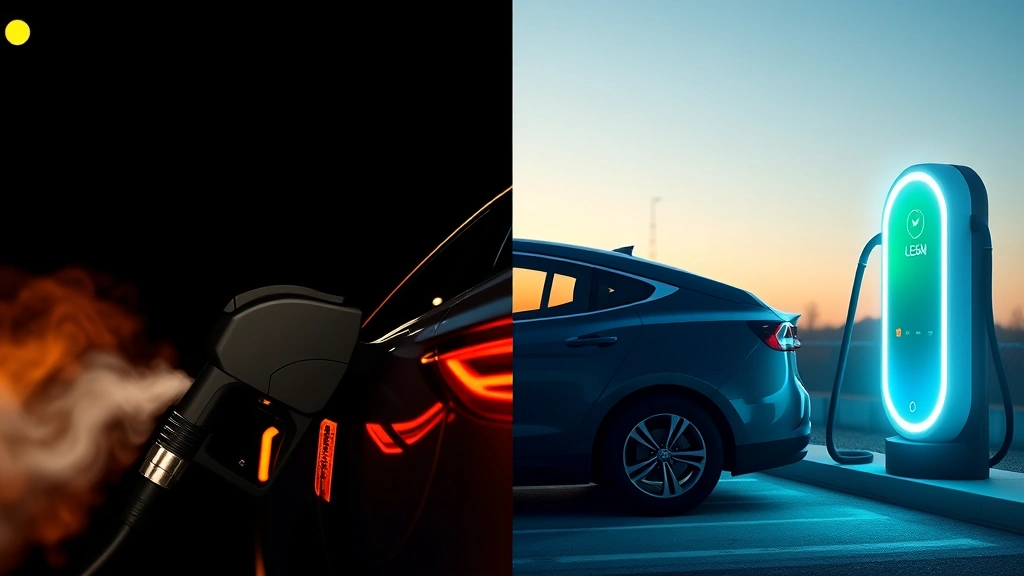
Consumer Behavior and Sustainability Paradox
The Sam’s Club fuel pricing model exemplifies a broader sustainability paradox: lower prices for resource-intensive products can undermine environmental goals despite seeming economically beneficial. Behavioral economics research demonstrates that discount pricing triggers psychological responses that increase consumption beyond rational utility maximization. Consumers perceive fuel savings as “found money” available for additional driving, road trips, and vehicle-dependent activities.
This paradox extends beyond individual consumer choices to systemic implications. As fuel becomes cheaper through warehouse club pricing, vehicle manufacturers have less incentive to invest in efficiency improvements. Urban planning decisions may favor car-dependent development patterns when transportation costs decrease. Policy makers face reduced pressure to implement carbon pricing or emissions regulations when fuel remains inexpensive relative to climate costs.
From a true sustainability perspective, aligning fuel prices with environmental externalities—the costs imposed on society and the environment—would require higher prices, not lower ones. Carbon pricing mechanisms like cap-and-trade systems or carbon taxes aim to internalize these environmental costs. Sam’s Club’s discount pricing moves in the opposite direction, externalizing environmental costs and making fossil fuel consumption appear cheaper than it truly is when climate damage is considered.
However, for lower-income consumers with limited transportation options and tight budgets, Sam’s Club fuel pricing provides genuine economic relief. This creates a tension between environmental sustainability and economic equity that requires nuanced consideration. Effective climate policy must address transportation affordability while simultaneously incentivizing emissions reductions through technology and behavior change.
Making Eco-Conscious Fuel Choices
If you currently purchase fuel at Sam’s Club, several strategies can reduce your overall transportation carbon footprint without requiring immediate vehicle replacement. First, reduce your environmental footprint by optimizing driving patterns—combine trips, plan efficient routes, and minimize unnecessary travel. These behavioral changes typically reduce fuel consumption by 10-15% while saving money regardless of where fuel is purchased.
Second, prioritize vehicle maintenance to maximize fuel efficiency. Regular tune-ups, proper tire inflation, and air filter replacement improve fuel economy by 3-5%. These maintenance investments pay dividends through reduced fuel consumption, offsetting any price advantage from discounted gasoline through improved efficiency.
Third, consider vehicle electrification timelines. If you anticipate replacing your current vehicle within 5-10 years, research electric or hybrid options. The environmental payback period for EV purchases has declined significantly, with most EVs offsetting their manufacturing emissions within 1-3 years of driving. Long-term ownership economics increasingly favor electrification despite higher upfront costs.
Fourth, explore transportation alternatives. If feasible, use public transit, carpool, or work remotely part-time to reduce overall fuel consumption. These options eliminate fuel purchasing decisions entirely while providing the maximum environmental benefit. Even occasional alternative transportation reduces annual fuel consumption substantially.
Fifth, offset unavoidable fuel consumption through verified carbon credit programs. Organizations like Gold Standard and Verra provide transparent carbon offset options that support renewable energy projects, reforestation, and emissions reduction initiatives. While offsets should complement rather than replace consumption reduction, they provide options for environmentally conscious consumers seeking to address their carbon footprint.
Finally, support climate policy that prices carbon appropriately and incentivizes sustainable transportation infrastructure. Individual purchasing decisions matter, but systemic change requires policy support for electric vehicle infrastructure, public transportation funding, and carbon pricing mechanisms that align fuel prices with environmental costs.
Frequently Asked Questions
Is Sam’s Club gas actually cheaper than other brands?
Sam’s Club fuel prices are typically 5-15 cents per gallon lower than major branded stations, though prices fluctuate with crude oil markets. The savings depend on local market conditions and current wholesale fuel costs. For members purchasing large quantities, the cumulative savings can be significant, but these savings come with the environmental trade-off of potentially increased consumption.
Does Sam’s Club use lower quality fuel than name brands?
No. All gasoline sold in the United States meets EPA minimum quality standards. Sam’s Club fuel meets these requirements and often includes standard detergent packages. The quality difference between brands is negligible for engine performance and emissions. Price differences reflect business model and profit margin strategies rather than fuel quality variations.
What is the environmental impact of choosing Sam’s Club over Shell or Chevron?
The direct environmental impact of brand choice is minimal—all conventional gasoline produces identical emissions when combusted. The indirect impact is more significant: Sam’s Club’s lower prices may encourage increased driving and fuel consumption. From an environmental perspective, reducing total fuel consumption matters far more than which brand provides the fuel.
Are there eco-friendly fuel options at Sam’s Club?
Most Sam’s Club locations offer standard E10 gasoline (10% ethanol blend). Premium grades may include additional detergents, but these are not significantly more environmentally friendly. Sam’s Club does not currently offer E85 biofuel blends, biodiesel, or EV charging infrastructure at most locations, limiting sustainable fuel options for members.
Should I stop buying gas at Sam’s Club for environmental reasons?
Not necessarily. The most important environmental factor is total fuel consumption, not where fuel is purchased. If Sam’s Club membership provides overall savings that enable other sustainable choices (like hybrid vehicle purchase or electric vehicle charging infrastructure investment), the membership may support broader environmental goals. Focus on reducing total driving and transitioning to efficient or electric vehicles rather than optimizing fuel brand selection.
How can I offset the carbon emissions from Sam’s Club fuel purchases?
You can purchase verified carbon offsets through organizations like Gold Standard or Verra, which support renewable energy, reforestation, and methane reduction projects. Calculate your annual fuel consumption in gallons, multiply by 19.6 pounds CO2 per gallon, and purchase equivalent carbon offsets. However, offsets should complement rather than replace efforts to reduce fuel consumption through behavior change and vehicle electrification.
What is the best environmentally friendly alternative to Sam’s Club gas?
The most effective environmental alternative is eliminating or significantly reducing personal vehicle fuel consumption through electrification, public transportation, carpooling, or remote work arrangements. If vehicle ownership remains necessary, prioritize electric or hybrid vehicles that reduce fuel consumption by 50-100%. These options provide far greater environmental benefits than optimizing fuel brand selection.


