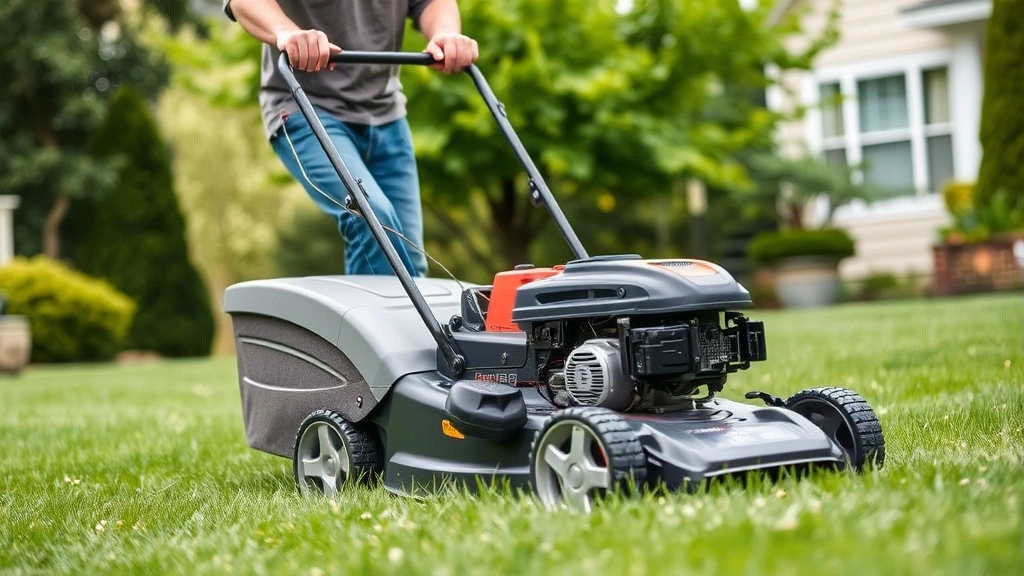
Gas Mowers & Sustainability: An Expert Review of the Best Gas Lawn Mower Options
The debate surrounding lawn care equipment has intensified as environmental consciousness grows among homeowners. While gas-powered mowers have dominated the market for decades, understanding their sustainability implications requires a nuanced examination of their environmental impact, efficiency standards, and how they compare to alternative technologies. This comprehensive guide explores the reality of gas lawn mowers through a sustainability lens, helping you make informed decisions about your yard maintenance approach.
Finding the best gas lawn mower involves balancing performance, durability, and environmental responsibility. Rather than dismissing gas mowers outright, we examine which models incorporate cleaner-burning engines, fuel efficiency improvements, and emission-reduction technologies that align with modern sustainability principles. Whether you’re maintaining a large property or seeking reliable equipment, understanding the environmental trade-offs of your choice matters.
Understanding Gas Mower Environmental Impact
Gas-powered lawn mowers represent a significant source of residential emissions, often overlooked in broader sustainability discussions. According to the Environmental Protection Agency, a single gas mower operating for one hour produces emissions equivalent to driving a car for approximately 34 miles. This startling statistic reflects the inefficiency of small gasoline engines compared to larger automotive powerplants.
The environmental footprint of gas mowers extends beyond direct emissions. Manufacturing processes, fuel extraction, transportation, and eventual disposal all contribute to their overall carbon impact. However, recognizing these challenges provides an opportunity to identify the most responsible options within the gas mower category. When selecting equipment, understanding what sustainability truly means helps contextualize your choices within broader environmental goals.
Gas mowers emit volatile organic compounds (VOCs), nitrogen oxides (NOx), and particulate matter that contribute to ground-level ozone formation and air quality degradation. These pollutants affect human health, particularly in urban and suburban areas where residential lawn care is concentrated. Children, elderly individuals, and those with respiratory conditions face heightened vulnerability to these emissions.
Emission Standards and Regulations
The Environmental Protection Agency has implemented increasingly stringent emission standards for small engines, including those in lawn mowers. Tier 4 standards, now applicable to most new equipment, require significant reductions in particulate matter and nitrogen oxide emissions. Understanding these regulatory frameworks helps identify which models incorporate the latest emission-control technologies.
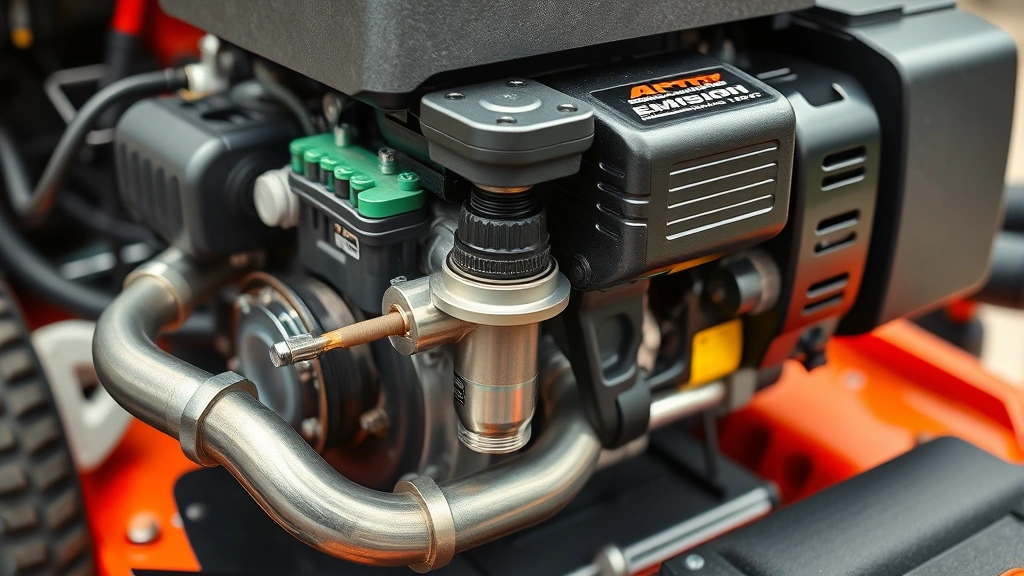
Modern gas mowers achieving compliance with current EPA standards typically feature:
- Advanced fuel injection systems that optimize combustion efficiency and reduce unburned hydrocarbons
- Catalytic converters that chemically convert harmful emissions into less toxic compounds
- Sealed fuel systems that minimize evaporative emissions during storage and operation
- Stratified charge engines that improve fuel-air mixing for cleaner combustion
- Improved carburetor designs that reduce cold-start emissions and fuel waste
Manufacturers like Honda, Toro, and Briggs & Stratton have invested substantially in meeting these standards, resulting in engines that emit significantly less pollution than models from a decade ago. When evaluating the best gas lawn mower, prioritizing models with the newest engine technology provides measurable environmental benefits.
Checking for EPA compliance labels ensures you’re purchasing equipment that meets current emission standards. Look for the EPA certification mark on packaging and product documentation, confirming that the mower has undergone rigorous testing and validation.
Top Gas Mower Models for Eco-Conscious Buyers
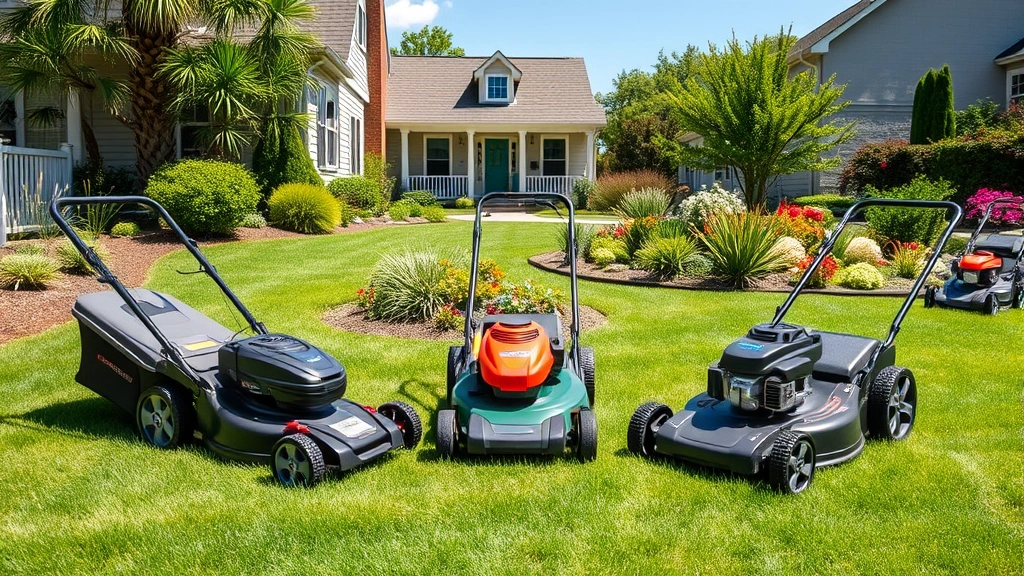
Several manufacturers have distinguished themselves through commitment to cleaner-burning technologies and efficient designs. The Honda HRX217K5VKA represents a benchmark in the consumer market, featuring a professional-grade engine with advanced emission controls and exceptional fuel efficiency. Its design prioritizes operator comfort and mulching capabilities, reducing the need for frequent mowing cycles.
The Toro TimeMaster 30″ combines wide cutting width with efficient engine management, allowing homeowners to complete yard work in fewer passes. This efficiency-focused design reduces total operating time and cumulative emissions, making it an environmentally pragmatic choice for larger properties. Its commercial-grade construction ensures longevity, which itself represents a sustainability advantage through extended product lifespan.
Briggs & Stratton’s professional-grade mowers incorporate their Stratton SmartChoke technology, which automatically adjusts fuel-air ratios for optimal combustion across varying conditions. This innovation minimizes cold-start emissions and improves overall engine efficiency throughout the mowing season.
For those seeking to explore sustainable energy solutions while maintaining gas equipment, hybrid mower systems are emerging. These models combine gas engines with electric motors, using the electric system during low-load operations and engaging the gas engine only when maximum power is needed. This approach significantly reduces fuel consumption and emissions compared to conventional gas-only designs.
The Cub Cadet XT1 series offers zero-turn capabilities with fuel-efficient engines, appealing to homeowners with larger properties who prioritize both performance and environmental responsibility. These professional-grade machines deliver superior cutting quality while maintaining reasonable fuel consumption rates.
Fuel Efficiency and Performance Metrics
Evaluating fuel consumption requires understanding how mower design influences efficiency. Blade sharpness, deck design, engine load management, and transmission type all affect how much fuel a mower consumes per hour of operation. A well-maintained mower with sharp blades requires less engine power to cut grass effectively, directly reducing fuel consumption and emissions.
Modern gas mowers achieve fuel consumption rates between 0.6 and 1.2 gallons per hour, depending on engine size, load conditions, and operational techniques. Larger mowers with wider cutting decks complete yard work more quickly, reducing total fuel consumption even if hourly consumption rates appear higher. A 42-inch mower completing a yard in two hours uses less total fuel than a 21-inch mower requiring three hours for the same property.
Engine displacement, measured in cubic centimeters (cc), influences both power output and fuel efficiency. Most residential mowers operate in the 150-200cc range, providing adequate power for typical residential applications without excessive fuel consumption. Professional-grade equipment often features larger engines (250-500cc), justified by commercial durability requirements and higher performance demands.
Fuel quality significantly impacts engine efficiency and emissions. Using fresh, high-quality gasoline with appropriate octane ratings ensures optimal combustion. Ethanol-blended fuels (E10) are standard in most markets, but some equipment operates more efficiently with pure gasoline or E5 blends. Consulting manufacturer specifications ensures you’re using fuel that maximizes efficiency for your specific mower model.
For property owners with larger acreage, exploring natural gas versus propane alternatives for other equipment may complement your overall energy sustainability strategy, even if your mower runs on gasoline.
Maintenance Practices for Sustainability
Proper maintenance represents perhaps the most impactful sustainability action for gas mower owners. Regular tune-ups, filter changes, and spark plug replacements maintain engine efficiency and minimize emissions. A well-maintained mower operates cleaner, consumes less fuel, and produces superior cutting results.
Essential maintenance practices include:
- Seasonal tune-ups before mowing season begins, ensuring engines start reliably and run efficiently
- Oil changes every 50-100 hours of operation, using synthetic oils that improve fuel efficiency and reduce friction
- Air filter replacement every 100 hours of operation, preventing engine strain from restricted airflow
- Spark plug inspection annually, replacing as needed to ensure proper combustion
- Blade sharpening every 20-25 hours of operation, reducing engine load and improving cutting quality
- Fuel system cleaning using appropriate additives to remove deposits that compromise efficiency
- Deck cleaning after each use to prevent grass buildup that increases weight and engine load
Proper storage during off-seasons prevents fuel degradation and engine corrosion. Using fuel stabilizers in stored gasoline prevents gum formation that can clog carburetors and compromise spring startup. Draining carburetors or running the engine dry before extended storage eliminates fuel that degrades over time.
Professional servicing through authorized dealers ensures technicians use proper diagnostic equipment and genuine parts. While DIY maintenance saves money, professional service guarantees compliance with manufacturer specifications and proper emission system maintenance.
Comparing Gas to Alternative Technologies
The sustainability landscape for lawn care equipment has expanded dramatically with electric and battery-powered options. Understanding how gas mowers compare to alternatives provides essential context for making informed purchasing decisions.
Electric corded mowers offer zero direct emissions and quiet operation, ideal for small urban properties. However, they depend on grid electricity, which may be generated from fossil fuels depending on your regional energy mix. Their limited range and cord management challenges restrict their practicality for larger properties. The advantages of electric vehicles philosophy applies similarly to electric lawn equipment, emphasizing reduced emissions and operational cleanliness.
Battery-powered mowers have advanced significantly, with modern lithium-ion systems providing runtime adequate for most residential properties. They eliminate direct emissions, reduce noise pollution, and require minimal maintenance. However, their higher initial cost and battery replacement expenses present financial barriers for many homeowners. Battery production involves environmental costs through mining and manufacturing, though lifecycle analyses generally favor batteries over fossil fuel consumption.
Reel mowers powered entirely by human effort represent the ultimate low-impact option for small properties, requiring no fuel or electricity. They excel on flat terrain with well-maintained grass but struggle with larger areas, thick weeds, or uneven ground.
For large properties, commercial landscaping operations, or properties with challenging terrain, gas mowers often represent the most practical choice despite environmental concerns. Their reliability, runtime, and power delivery remain unmatched by current battery technology. Selecting the cleanest-burning gas option available represents responsible decision-making within practical constraints.
Understanding green technology innovations reveals how rapid advancement in battery systems and electric motor design may eventually make gas mowers obsolete. However, current technology hasn’t universally displaced gas equipment for all applications.
Making Your Sustainable Choice
Selecting the best gas lawn mower from a sustainability perspective requires balancing multiple factors beyond simple emissions comparisons. Consider your specific property characteristics, maintenance commitment level, and long-term equipment needs.
For properties under 0.5 acres with flat terrain, battery-powered equipment likely represents your most sustainable choice, despite higher initial costs. For larger properties or challenging terrain, modern EPA-compliant gas mowers with advanced emission controls provide practical environmental responsibility within realistic constraints.
Regardless of your choice, adopting sustainable lawn care practices amplifies environmental benefits:
- Reduce mowing frequency by allowing grass to grow slightly taller, which strengthens root systems and reduces cutting requirements
- Leave grass clippings on the lawn (mulching) to return nutrients and reduce landfill waste
- Use sharp blades to minimize engine load and reduce fuel consumption
- Maintain proper tire pressure to reduce rolling resistance and engine strain
- Mow during cooler parts of the day when grass is less stressed and cutting requires less power
- Avoid mowing wet grass which requires more engine power and damages turf
- Consider native plantings that require less frequent mowing or no mowing at all
Visiting the SustainWise Hub Blog provides additional resources for integrating lawn care into comprehensive home sustainability strategies. Your equipment choice represents just one element of responsible environmental stewardship.
When the time comes to replace your mower, research current technology options thoroughly. Electric and battery systems advance rapidly, and today’s limitations may be resolved within five years. Making informed decisions based on current information ensures your equipment choices align with evolving sustainability best practices.
FAQ
What makes a gas mower more sustainable than others?
Modern EPA-compliant gas mowers incorporate advanced emission controls, fuel injection systems, and catalytic converters that significantly reduce harmful pollutants. Choosing newer models with these technologies, maintaining equipment properly, and optimizing mowing practices all contribute to greater sustainability compared to older, poorly-maintained equipment.
How do gas mowers compare environmentally to battery-powered options?
Battery-powered mowers produce zero direct emissions and operate quietly, making them ideal for small properties. However, gas mowers offer superior power and runtime for larger areas. The environmental comparison depends on your grid’s electricity sources and your specific property needs. For most residential properties under one acre, battery equipment represents the more sustainable choice.
What maintenance most significantly impacts gas mower sustainability?
Regular tune-ups, sharp blade maintenance, and proper fuel management provide the greatest sustainability benefits. Well-maintained engines operate more efficiently, consume less fuel, and produce fewer emissions. A neglected mower may consume 30-50% more fuel than properly maintained equipment.
Should I replace my older gas mower with a new one?
If your mower is over 10 years old and requires frequent repairs, replacing it with a modern EPA-compliant model likely provides environmental benefits through improved efficiency. However, if your equipment functions reliably, keeping it maintained may be more sustainable than manufacturing a new unit. Extended product lifespan reduces overall environmental impact.
Are there hybrid gas-electric mower options?
Yes, hybrid systems combining gas engines with electric motors are emerging in the market. These models use electric power during low-load operations and engage gas engines only when maximum cutting power is needed, significantly reducing fuel consumption compared to conventional gas-only equipment.
What fuel should I use in my gas mower?
Use fresh, high-quality gasoline appropriate for your mower’s specifications. Most modern mowers accept standard E10 (10% ethanol) fuel, though some perform better with pure gasoline or E5 blends. Check your manufacturer’s recommendations and use fuel stabilizers during storage periods to maintain fuel quality.


