Best Gas Stove for Efficiency? Expert Insights on Modern Cooking Solutions
Choosing the right gas stove involves balancing performance, energy efficiency, and environmental impact. While gas cooking remains popular for its precision and immediate heat control, understanding efficiency ratings and sustainable alternatives is crucial for eco-conscious homeowners. This guide explores the best gas stoves available today, their efficiency metrics, and how they fit into a broader strategy for reducing your environmental footprint.
Modern gas stoves have evolved significantly, with manufacturers now prioritizing fuel efficiency and lower emissions. Whether you’re renovating your kitchen or simply seeking an upgrade, knowing what makes a gas stove truly efficient—beyond marketing claims—empowers you to make a decision aligned with both performance needs and sustainability values. We’ll examine top-performing models, efficiency standards, and considerations for transitioning toward cleaner cooking technologies.
Understanding Gas Stove Efficiency Ratings
Gas stove efficiency differs fundamentally from electric appliances. Unlike electric coil or smooth-top ranges, gas burners convert approximately 70-75% of fuel energy into heat, with the remainder escaping as exhaust. The Energy Star program doesn’t certify gas stoves as frequently as other appliances, making independent research essential. Instead, look for models meeting American Gas Association (AGA) standards, which indicate tested performance and safety compliance.
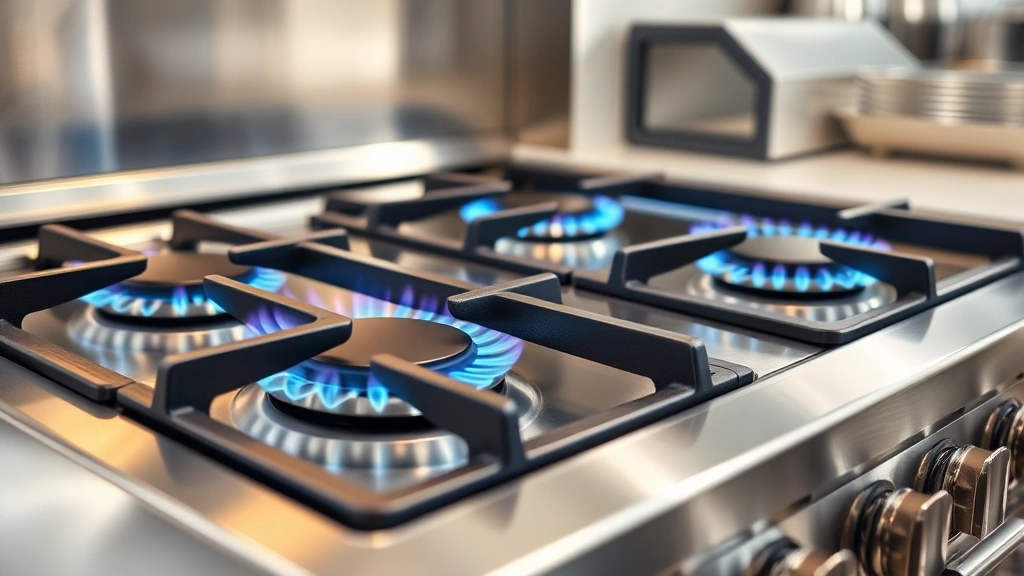
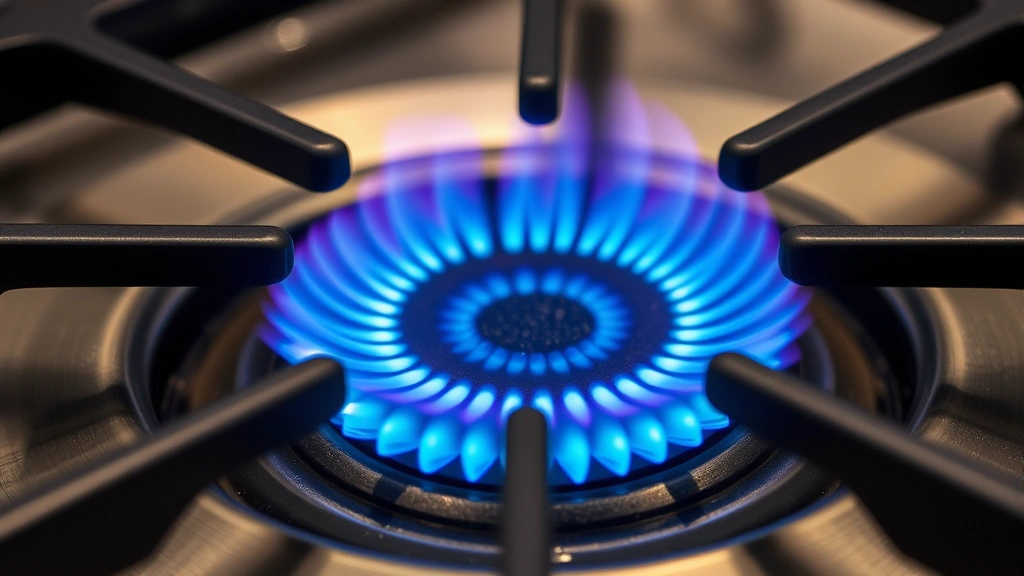
Efficiency in gas cooking encompasses several factors: burner design, ignition systems, and grate configuration. Modern sealed burners prevent spills from contaminating the cooktop surface and improve heat distribution. Electronic ignition systems eliminate the need for standing pilot lights, reducing energy waste by approximately 30% compared to older models. The BTU (British Thermal Unit) output of each burner matters—higher BTU doesn’t mean better efficiency; rather, it indicates maximum heat capacity. Efficient models feature variable BTU ranges, allowing precise temperature control from simmering to rapid boiling.
When evaluating efficiency, examine burner coverage and cookware compatibility. Burners that efficiently match your cookware size waste less heat. Stainless steel grates with proper spacing ensure even flame distribution and faster cooking times. Premium models incorporate dual-ring burners that provide both high-power and low-simmer capabilities, maximizing versatility while maintaining fuel efficiency.

Top Efficient Gas Stove Models
Several manufacturers have established themselves as leaders in efficient gas stove production. Miele gas ranges combine German engineering with innovative burner technology, featuring sealed burners with precise flame control and energy-efficient ignition systems. Their models typically achieve consistent heat distribution and reduce cooking times, translating to lower fuel consumption.
Viking Professional series gas ranges offer commercial-grade performance with sealed burners and powerful BTU outputs (up to 18,000 BTU), yet they maintain efficiency through optimized burner geometry. These stoves appeal to serious home cooks seeking reliability and precision. Thermador models incorporate convection capabilities in their ovens, distributing heat more evenly and reducing overall cooking energy requirements.
For budget-conscious consumers, GE and Whirlpool produce reliable gas ranges with sealed burners, electronic ignition, and respectable efficiency ratings. These mid-range options provide solid performance without premium pricing. LG and Samsung have entered the market with innovative features like Wi-Fi connectivity and dual-fuel options, though their gas-only models compete effectively on efficiency metrics.
When selecting a model, prioritize sealed burners with electronic ignition, adjustable grates, and variable flame control. Read independent reviews from Consumer Reports and kitchen appliance specialists rather than relying solely on manufacturer specifications. Real-world user feedback reveals how models perform under various cooking conditions and whether efficiency claims hold up in practice.
Key Features for Maximum Performance
Maximizing gas stove efficiency requires understanding which features genuinely impact fuel consumption. Electronic ignition systems represent the single most important efficiency improvement over standing pilot lights. Pilot lights consume gas continuously, even when the stove isn’t in use, wasting approximately 300-400 BTUs per hour. Modern electronic ignition eliminates this waste entirely.
Sealed burner design prevents grease and food particles from falling through to the cooktop surface, maintaining optimal flame geometry and heat transfer. Unsealed burners gradually accumulate debris, reducing efficiency over time. Sealed designs also simplify cleaning and extend appliance lifespan.
The grate material and design significantly affects cooking performance. Cast iron grates conduct and distribute heat effectively, while stainless steel alternatives offer easier maintenance. Elevated grates with sufficient spacing allow proper airflow under cookware, ensuring consistent heating. Some premium models feature continuous grates spanning the entire cooktop, enabling seamless cookware movement.
Consider burner ring configuration. Dual-ring burners provide both intense heat and gentle simmer capabilities without requiring multiple burners. This design reduces fuel consumption by allowing precise heat matching for various cooking tasks. Models with at least one high-power burner (15,000+ BTU) and multiple lower-output options (5,000-8,000 BTU) offer optimal versatility.
Oven efficiency contributes significantly to overall appliance performance. Convection ovens circulate hot air, cooking food faster and more evenly than conventional models. This reduces cooking time and energy consumption. Quality insulation and properly sealed oven doors maintain internal temperatures, preventing heat loss and reducing fuel requirements.
Environmental Considerations and Emissions
While gas stoves offer efficiency advantages over electric resistance cooking, they produce nitrogen dioxide (NO2) and other combustion byproducts that affect indoor air quality and contribute to outdoor pollution. Understanding these environmental impacts is crucial for making informed decisions aligned with sustainable living principles.
Gas combustion releases carbon dioxide, a primary greenhouse gas contributing to climate change. According to the U.S. Environmental Protection Agency (EPA), residential cooking accounts for roughly 1-2% of household energy consumption, yet the emissions impact extends beyond direct fuel use. Studies indicate that homes with gas stoves experience elevated indoor NO2 levels, with potential respiratory health implications, particularly for children and individuals with asthma.
Efficient gas stoves minimize these impacts by reducing fuel consumption and operational time. Proper ventilation is absolutely essential when using gas stoves; installing range hoods that vent to the outdoors (not recirculating filters) removes combustion byproducts from living spaces. This ventilation requirement adds operational costs but proves necessary for health and environmental protection.
For environmentally conscious homeowners, understanding the full lifecycle impact of cooking appliances matters. Gas stove manufacturing involves resource extraction and transportation, while induction cooking powered by renewable electricity offers a cleaner alternative. Exploring sustainable energy solutions for powering your home can offset gas cooking’s environmental impact.
The carbon footprint of gas cooking depends heavily on your regional electricity grid composition. In areas with renewable energy sources, electric or induction cooking proves significantly cleaner than gas. Conversely, regions relying on coal or fossil fuel power plants may see smaller environmental advantages. Researching your local energy grid composition helps contextualize cooking appliance choices within broader sustainability goals.
Comparing Gas to Alternative Cooking Technologies
Modern cooking technology extends beyond traditional gas ranges. Induction cooktops represent the most efficient cooking method available, converting approximately 85-90% of electrical energy into heat. They offer instant temperature control comparable to gas, without combustion emissions or indoor air quality concerns. However, induction requires compatible cookware with magnetic properties, and the upfront cost exceeds many gas stove options.
Electric smooth-top ranges provide cleaner cooking than gas but achieve only 65-70% energy efficiency. Convection ovens improve electric range performance, distributing heat more evenly and reducing cooking times. Hybrid dual-fuel ranges combine gas cooktops with electric convection ovens, offering gas cooking benefits alongside superior oven performance. These represent a middle ground for cooks valuing both stovetop and oven capabilities.
The green technology innovations transforming our future increasingly focus on electric cooking solutions powered by renewable energy. As electricity grids transition toward wind, solar, and other clean sources, induction and electric cooking become progressively more sustainable. Homeowners planning long-term kitchen investments should consider future energy infrastructure developments.
For those committed to reducing their overall environmental impact, transitioning from gas to electric or induction cooking offers greater benefits than optimizing existing gas stove efficiency. However, this transition requires substantial investment and kitchen renovation. In the interim, selecting the most efficient gas stove available represents a practical compromise between immediate needs and long-term sustainability goals.
Installation and Maintenance for Optimal Efficiency
Proper installation directly affects gas stove efficiency and safety. Professional installation ensures correct gas line sizing, proper ventilation connections, and compliance with local building codes. Inadequate ventilation reduces efficiency and allows combustion byproducts to accumulate in living spaces. Range hoods should be sized appropriately for your cooktop (typically 100 CFM per linear foot of cooktop), venting to the outdoors rather than recirculating.
Regular maintenance preserves efficiency over the appliance’s lifespan. Burner cleaning prevents grease and food debris from obstructing flame ports, which reduces heat output and increases fuel consumption. Monthly inspection and cleaning of sealed burners maintains optimal flame geometry. Oven seals should be checked periodically; degraded seals allow heat escape, increasing fuel requirements.
Grate and cookware maintenance contributes to overall efficiency. Keeping grates clean prevents debris accumulation that interferes with proper flame distribution. Using flat-bottomed cookware with diameters matching burner sizes maximizes heat transfer. Warped or undersized cookware reduces contact with flames, wasting energy and extending cooking times.
Annual professional servicing identifies potential issues before they compromise efficiency. Technicians inspect ignition systems, validate proper gas pressure, and ensure all components function optimally. This preventive maintenance extends appliance lifespan and maintains warranty coverage while sustaining peak efficiency performance.
Cost Analysis and Long-Term Savings
Gas stove pricing varies significantly based on features and brand positioning. Budget models range from $400-$800, offering basic sealed burners and electronic ignition without premium features. Mid-range options ($800-$2,000) incorporate enhanced burner configurations, convection ovens, and improved materials. Premium models ($2,000-$5,000+) deliver commercial-grade performance, advanced features, and superior construction quality.
Calculating true cost-of-ownership requires considering fuel consumption, maintenance, and longevity. An efficient gas stove might cost $300-$500 more than a basic model but reduces monthly gas bills by 15-25%, recovering the investment within 3-5 years. Durability matters significantly; premium brands often provide 15-20 year lifespans, while budget models may require replacement after 10 years.
Regional natural gas prices affect financial calculations. Areas with lower gas costs see slower payback periods for efficiency investments, while regions with higher rates benefit more substantially from fuel-saving features. Using your local gas rates, estimate monthly cooking energy consumption to project long-term savings.
Consider opportunity costs when evaluating gas stove investments. Allocating funds toward home energy efficiency improvements—insulation, weatherization, renewable energy installation—might generate greater overall savings and environmental benefits than optimizing cooking appliances. Comprehensive energy audits help prioritize investments for maximum impact.
FAQ
What BTU output is ideal for a home gas stove?
Most home cooking requires burners ranging from 5,000-15,000 BTU. At least one high-power burner (12,000-18,000 BTU) enables rapid boiling and searing, while multiple lower-output burners (5,000-8,000 BTU) provide precise simmering control. The ideal configuration balances maximum heat capacity with fine-tuning capabilities for varied cooking tasks.
Do gas stoves use more energy than electric alternatives?
Gas stoves achieve 70-75% efficiency, while electric resistance cooktops reach 65-70% and induction cooktops achieve 85-90%. However, overall energy consumption depends on your regional electricity grid composition. In coal-dependent regions, gas cooking may produce lower total emissions than electric cooking, while renewable-powered grids favor electric and induction options.
How often should gas stove burners be cleaned?
Monthly cleaning maintains optimal burner performance and efficiency. Remove sealed burner caps and grates, wiping away grease and food debris with warm soapy water. Inspect flame ports for blockages; use a thin wire or toothpick to clear any obstructions. More frequent cleaning may be necessary in high-use kitchens.
Can I improve my existing gas stove’s efficiency?
Yes, several upgrades enhance performance without full replacement. Installing a high-efficiency range hood improves ventilation and comfort. Upgrading to premium cookware with flat bottoms and appropriate diameters increases heat transfer. Professional maintenance ensures ignition systems and burners function optimally. However, older models with standing pilots cannot match modern electronic ignition efficiency.
Is venting a gas stove to the outdoors absolutely necessary?
Yes, outdoor venting is essential for health and safety. Gas combustion produces nitrogen dioxide and other pollutants that accumulate indoors without proper ventilation. Recirculating filters cannot adequately remove these byproducts. Building codes require gas stove ventilation for good reason; indoor air quality and respiratory health depend on removing combustion emissions.
What’s the difference between sealed and unsealed burners?
Sealed burners prevent spills from falling through to underlying surfaces, maintaining consistent flame geometry and heat distribution. Unsealed burners allow grease and debris to accumulate beneath, gradually reducing efficiency and complicating cleaning. Sealed designs offer superior performance, longevity, and cleanliness, justifying their slightly higher cost.


