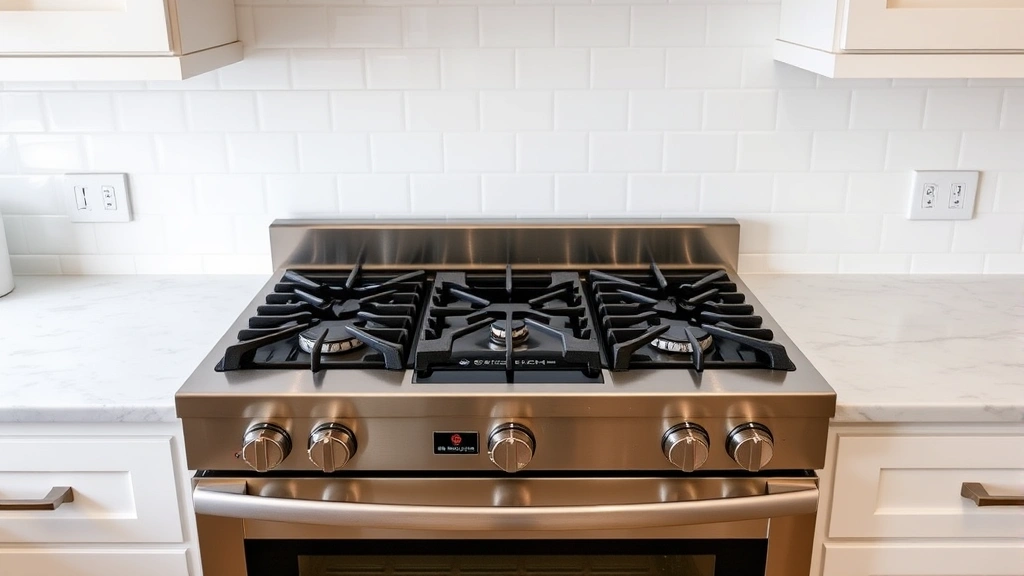
Bosch Gas Range: Energy Efficiency Analysis
When selecting kitchen appliances, energy efficiency plays a crucial role in both reducing household utility bills and minimizing environmental impact. The Bosch gas range represents a significant investment in your home, and understanding its efficiency metrics is essential for making an informed purchasing decision. This comprehensive analysis examines how Bosch gas ranges perform in terms of energy consumption, operational efficiency, and their contribution to a more sustainable household.
Bosch, a trusted name in home appliances for over a century, has consistently prioritized engineering excellence and environmental responsibility. Their gas range models incorporate advanced technologies designed to optimize fuel consumption while maintaining superior cooking performance. By exploring the efficiency features, comparing them with industry standards, and evaluating real-world performance data, homeowners can better understand whether a Bosch gas range aligns with their sustainability goals and budget requirements.
Understanding Gas Range Efficiency Ratings
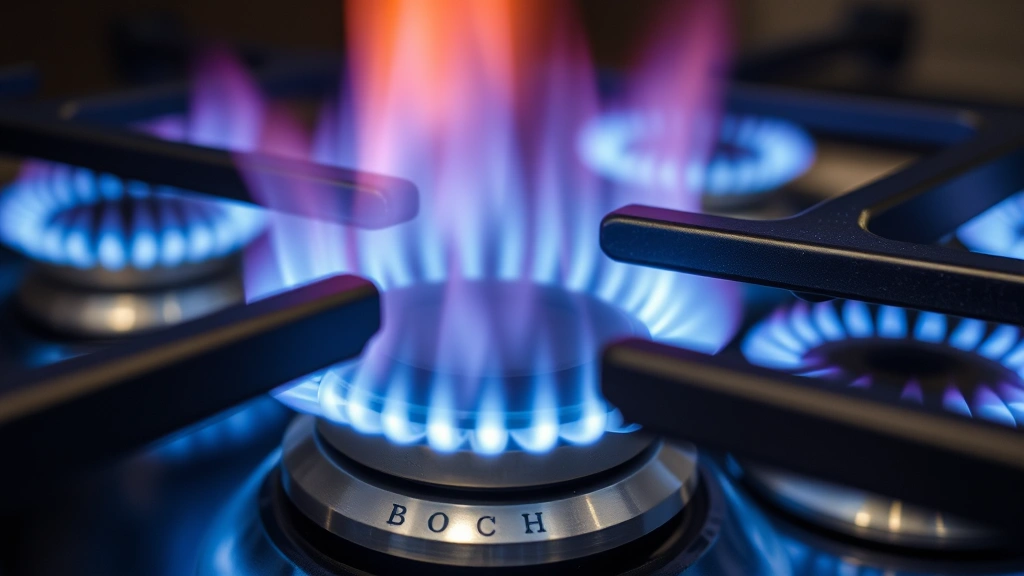
Energy efficiency ratings for gas ranges differ significantly from electric appliances, requiring homeowners to understand specific metrics and measurement standards. Unlike refrigerators or dishwashers with established Energy Star certifications, gas ranges rely on different evaluation criteria focused on burner efficiency and overall heat transfer. The Department of Energy measures gas cooking appliance efficiency through thermal efficiency percentages, which indicate how much of the fuel’s energy actually heats food versus escaping as waste heat.
Bosch gas ranges typically achieve thermal efficiency ratings between 70-75%, which represents solid performance within the residential cooking appliance market. This metric reflects the percentage of fuel energy that directly contributes to cooking, with remaining percentages accounting for heat loss through venting systems and appliance exterior surfaces. Understanding this distinction helps consumers recognize that higher efficiency ratings translate to less wasted energy and reduced monthly utility expenses.
The importance of efficiency ratings extends beyond individual cost savings. When examining sustainability definitions, we recognize that cumulative household energy reduction contributes meaningfully to broader environmental conservation. A Bosch gas range operating at optimal efficiency reduces natural gas consumption, thereby decreasing greenhouse gas emissions associated with fossil fuel extraction, processing, and combustion.
Bosch Gas Range Technology Features
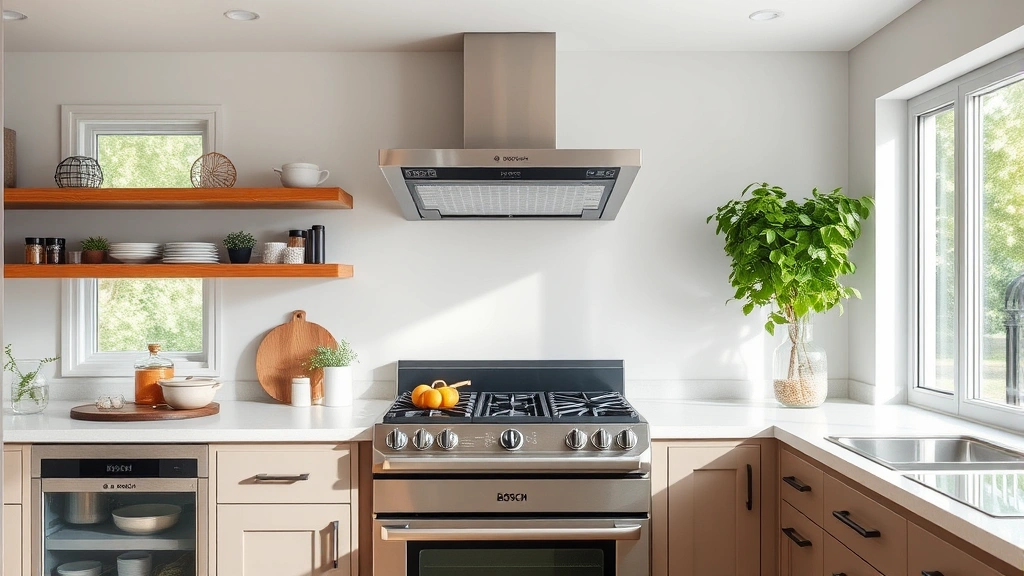
Modern Bosch gas range models incorporate several technological innovations specifically designed to enhance cooking efficiency and reduce energy waste. The flame ignition systems in contemporary Bosch ranges use electronic ignition rather than pilot lights, eliminating continuous gas consumption that occurs with traditional standing pilots. This single feature can reduce annual natural gas usage by 5-10%, representing substantial cumulative savings over the appliance’s operational lifespan.
Bosch engineers have developed precision burner designs that optimize flame distribution across cookware bottoms, ensuring more uniform heat transfer and reducing the time required to reach desired cooking temperatures. The burners feature sealed bases that prevent heat from escaping around cookware, concentrating thermal energy precisely where needed. This engineering approach exemplifies how sustainable energy solutions emerge from thoughtful design and technological advancement.
Many Bosch gas range models include convection cooking capabilities in their ovens, which circulates heated air throughout the cooking chamber for more even temperature distribution. Convection cooking reduces cooking times by approximately 25%, directly translating to reduced natural gas consumption per meal prepared. Additionally, improved insulation in Bosch oven cavities minimizes heat loss, allowing the appliance to maintain target temperatures with less frequent burner cycling.
The control systems in premium Bosch models feature precise temperature regulation and burner power adjustment, enabling cooks to use exact heat levels rather than approximations. This precision prevents energy waste from excessive heat application and reduces cooking time variability. Digital displays and intuitive interfaces help users operate the range efficiently, as better understanding of available features encourages optimal utilization patterns.
Comparing Energy Performance Across Models
Bosch offers multiple gas range models at different price points, each with varying efficiency characteristics. Entry-level models prioritize basic functionality while maintaining respectable efficiency standards, making them suitable for budget-conscious consumers seeking reliable performance. Mid-range Bosch gas ranges introduce additional features like convection ovens and enhanced burner technology, offering improved efficiency without premium pricing.
The flagship Bosch gas range models represent the pinnacle of efficiency engineering, incorporating every available technology to minimize energy consumption. These premium units feature multiple convection systems, advanced insulation, precision burners with multiple flame settings, and sophisticated control systems. While initial purchase prices exceed basic models by $1,500-3,000, the enhanced efficiency can recover this investment premium through reduced utility bills over 15-20 years of typical use.
Comparing Bosch gas ranges with competitor offerings reveals that Bosch maintains competitive efficiency ratings while often exceeding rivals in cooking performance and durability. Independent testing by consumer organizations consistently ranks Bosch favorably for even heat distribution, temperature accuracy, and reliable ignition systems. This balance between efficiency and functionality distinguishes Bosch within the appliance market, making them attractive to consumers pursuing both sustainability and cooking quality.
When evaluating specific models, examining BTU (British Thermal Unit) ratings for individual burners provides insight into power availability and flexibility. Bosch ranges typically offer burner options ranging from 5,000 BTU for simmering applications to 18,000 BTU for rapid heating tasks. This diversity allows users to match burner power precisely to cooking requirements, avoiding unnecessary energy consumption from oversized burners.
Environmental Impact and Carbon Footprint
The environmental implications of Bosch gas range efficiency extend beyond individual household consumption to systemic energy production and distribution networks. Natural gas, while cleaner than coal or oil, remains a fossil fuel with inherent carbon emissions. Every cubic foot of natural gas combusted releases approximately 0.12 pounds of carbon dioxide equivalent into the atmosphere. Therefore, reducing gas consumption through efficient cooking appliances directly diminishes personal carbon footprints.
A typical household using a gas range for daily cooking consumes 40-60 cubic feet of natural gas monthly for cooking purposes. An efficient Bosch gas range can reduce this consumption by 10-20% compared to average appliances, preventing 5-15 pounds of CO2 emissions monthly, or 60-180 pounds annually. Over a 15-year appliance lifespan, choosing an efficient Bosch model prevents approximately 1,350 pounds of carbon dioxide from entering the atmosphere.
This environmental benefit connects directly to broader climate action initiatives. As discussed in our analysis of green technology innovations transforming our future, kitchen appliances represent one of numerous household technologies where efficiency improvements compound into meaningful environmental impact. When millions of households adopt efficient gas ranges, the cumulative effect approaches significant greenhouse gas reduction equivalent to removing thousands of vehicles from roads annually.
The manufacturing and transportation of Bosch gas ranges also factors into comprehensive environmental assessment. Bosch implements sustainable manufacturing practices, including waste reduction initiatives and renewable energy usage in production facilities. The company’s commitment to circular economy principles means that end-of-life appliances are designed for material recovery and recycling, minimizing landfill contribution.
Cost-Benefit Analysis for Homeowners
Evaluating whether a Bosch gas range represents a sound financial investment requires examining purchase price, operational costs, and longevity. A quality Bosch gas range costs between $1,200-4,500 depending on features and model selection. While this exceeds budget-tier alternatives by $500-2,000, the enhanced efficiency and durability characteristics often justify the premium investment.
Monthly natural gas savings from operating an efficient Bosch gas range typically range from $8-15, depending on local utility rates and cooking frequency. At this savings rate, a premium Bosch model costing $2,500 more than a basic alternative recovers its price premium in 12-18 years of operation. Since quality Bosch ranges reliably operate for 15-20 years, most households realize net financial benefits from their efficiency-focused purchase decision.
Beyond direct utility savings, choosing an efficient Bosch gas range contributes to broader household sustainability goals discussed in our guide to reducing your environmental footprint. The appliance becomes one element within a comprehensive household efficiency strategy that might include insulation improvements, LED lighting upgrades, and renewable energy adoption. This holistic approach maximizes both financial returns and environmental benefits.
Financing options and utility rebate programs can further improve the financial case for premium Bosch gas ranges. Many regional utility companies offer rebates of $200-500 for purchasing ENERGY STAR certified appliances, directly reducing net purchase costs. Some manufacturers provide extended financing options that spread payments across multiple years, making premium models more accessible to budget-conscious households.
Maintenance Tips for Optimal Efficiency
Proper maintenance ensures that a Bosch gas range sustains its efficiency ratings throughout its operational lifespan. Regular cleaning of burner caps and grates prevents grease accumulation that can obstruct gas flow and reduce heating efficiency. Cleaning should occur monthly or whenever visible residue appears, using warm soapy water and soft brushes to avoid damaging precision-engineered components.
The oven cavity interior should be cleaned regularly to prevent grease buildup that impairs insulation effectiveness and reduces convection efficiency. Bosch recommends using the self-cleaning function on models that feature this capability, as the high-heat cleaning cycle burns away accumulated residue without requiring chemical cleaners. For models without self-cleaning functions, careful manual cleaning using appropriate oven cleaners maintains interior surface reflectivity and thermal performance.
Gas burner ignition systems require periodic inspection to ensure reliable operation. If burners fail to ignite on first attempt or flame appearance seems irregular, professional servicing ensures proper gas flow and combustion efficiency. Annual professional maintenance by certified technicians identifies potential efficiency issues before they significantly impact performance, ultimately preserving the appliance’s energy efficiency and cooking capability.
Checking door seals and oven insulation integrity prevents heat loss that reduces efficiency. Visible gaps around oven doors or deteriorating insulation around the oven cavity should prompt professional inspection and repair. These maintenance investments, typically costing $150-300 annually, preserve efficiency and prevent more expensive repairs resulting from deferred maintenance.
Industry Certifications and Standards
Understanding the certifications and standards governing gas range efficiency helps consumers evaluate manufacturer claims and compare products objectively. The U.S. Department of Energy establishes efficiency standards for residential cooking appliances, with regulations updated periodically as technology advances. These standards establish minimum efficiency thresholds that all manufacturers must meet, ensuring baseline performance across the industry.
Bosch gas ranges often exceed minimum DOE standards by 5-10%, demonstrating the company’s commitment to efficiency beyond regulatory requirements. Some models carry ENERGY STAR certification, a voluntary program recognizing appliances that achieve efficiency levels significantly above baseline standards. While ENERGY STAR certification is less common for gas ranges than for electric appliances, Bosch models earning this distinction represent premium efficiency choices.
The American Gas Association (AGA) tests and certifies gas appliances, verifying safety and performance claims. AGA certification ensures that Bosch gas ranges meet rigorous safety standards and that manufacturer efficiency claims are substantiated through independent testing. Consumers can verify AGA certification through product documentation and manufacturer websites, providing confidence in efficiency ratings.
International efficiency standards provide additional context for evaluating Bosch gas range performance. The European Union’s energy labeling system (EU 2019/2014) establishes efficiency classes for cooking appliances, with Bosch models typically achieving A or A+ ratings. These international standards demonstrate that Bosch maintains consistent efficiency excellence across global markets, not merely meeting regional minimum requirements.
The Consortium for Energy Efficiency (CEE) recognizes high-efficiency appliances meeting stringent performance criteria. Bosch participates in CEE programs, with selected models earning recognition for exceptional efficiency achievement. This industry recognition from independent efficiency organizations validates Bosch’s commitment to energy-conscious manufacturing and product development.
Frequently Asked Questions
How does a Bosch gas range compare to electric ranges in terms of energy efficiency?
Gas ranges generally achieve faster heating and better temperature control than electric alternatives, though efficiency comparisons depend on regional electricity sources. If local electricity generation relies heavily on natural gas power plants, efficiency advantages diminish significantly. In regions with renewable energy infrastructure, electric induction ranges may prove more efficient overall. Bosch manufactures both gas and electric ranges, allowing consumers to evaluate options based on local energy sources and cooking preferences. Our sustainability blog provides additional appliance comparison resources.
What size Bosch gas range best serves typical household cooking needs?
Standard residential Bosch gas ranges measure 30 inches wide and accommodate most kitchens, with available widths up to 48 inches for larger spaces. Burner count varies from 4-6 on most models, with 5-burner configurations offering optimal flexibility for most households. Oven capacity typically ranges from 4.5-6.0 cubic feet, sufficient for family cooking and occasional entertaining.
Can I retrofit an existing kitchen for a Bosch gas range if one doesn’t currently exist?
Converting kitchens from electric to gas cooking requires professional installation of gas supply lines, venting systems, and safety mechanisms. This conversion typically costs $1,500-3,500 depending on kitchen layout and existing infrastructure. Consult licensed gas technicians and local building codes before pursuing conversion, as regulations vary significantly by jurisdiction.
How long does a Bosch gas range typically last with proper maintenance?
Quality Bosch gas ranges reliably operate for 15-20 years with appropriate maintenance and normal usage. Some components, particularly electronic controls and burner ignition systems, may require replacement after 10-15 years, but these repairs typically cost $300-800. The substantial lifespan justifies premium purchase prices, as efficiency benefits accumulate across many years of operation.
Are there government incentives available for purchasing efficient Bosch gas ranges?
Federal tax credits for gas appliances are limited, though some state and local utility programs offer rebates for efficient appliance purchases. Contact your regional utility company to inquire about available incentive programs. Additionally, some retailers offer promotional financing or discounts on premium models, reducing effective purchase costs.
What features should I prioritize when selecting a Bosch gas range for maximum efficiency?
Prioritize models with electronic ignition systems, precision burner controls, and convection oven capabilities. Sealed burners that prevent heat loss, enhanced insulation, and digital temperature controls significantly impact operational efficiency. While these features increase purchase prices by $500-1,500, the efficiency benefits justify the investment for households cooking frequently.
How does cooking technique affect the efficiency of a Bosch gas range?
Using appropriately-sized cookware matching burner diameters, utilizing lids to retain heat, and matching burner power to cooking requirements all enhance efficiency. Preheating ovens only when recipes specifically require it, and using residual heat for finishing cooking tasks, further reduces energy consumption. Even with premium appliances, user behavior significantly influences actual efficiency outcomes.
Choosing a Bosch gas range represents an investment in both cooking quality and household sustainability. The combination of advanced efficiency technologies, durable construction, and manufacturer commitment to environmental responsibility makes Bosch an excellent choice for environmentally-conscious homeowners. By understanding efficiency metrics, comparing available models, and maintaining appliances properly, households can realize both financial savings and meaningful environmental benefits throughout the appliance’s operational lifespan. As part of comprehensive sustainability strategies that incorporate sustainable energy solutions throughout the home, an efficient Bosch gas range serves as a foundation for reduced environmental impact and lower utility expenses.


