
CenterPoint Gas Bill Pay: Easy Tips, Customer Insights & Sustainable Energy Management
Managing your CenterPoint Gas bill pay doesn’t have to be complicated or time-consuming. Whether you’re a long-time customer in Texas, Indiana, or Minnesota, understanding your billing options and payment methods can help you save money, reduce stress, and make more environmentally conscious energy choices. CenterPoint Energy serves millions of customers across multiple states, and their digital platforms offer convenient ways to manage your account from anywhere.
Beyond simple bill payment, this guide explores how you can leverage your CenterPoint account to monitor energy consumption, identify savings opportunities, and align your natural gas usage with broader sustainability goals. By understanding your billing structure and payment options, you’re taking the first step toward more intentional energy management and reducing your household’s environmental impact.
CenterPoint Gas Bill Pay Methods
CenterPoint Energy offers multiple convenient payment options to suit different customer preferences and lifestyles. The most popular method is online bill payment through their website or mobile app, which allows you to pay instantly from your bank account or credit card. This method is secure, immediate, and provides instant confirmation of payment, eliminating the uncertainty of mailed checks.
For customers who prefer traditional methods, phone payments are available 24/7 by calling their customer service line. You’ll need your account number and payment information ready. Mail payments remain an option for those who prefer paper-based transactions—simply send a check or money order to the address listed on your bill. However, mail payments typically take 7-10 business days to process, so plan accordingly to avoid late fees.
Automatic payments (autopay) represent one of the smartest bill pay strategies. By enrolling in automatic payment, you authorize CenterPoint to deduct your bill amount on your due date directly from your bank account. This eliminates the risk of forgetting payments, protects your account from disconnection, and often qualifies you for a small discount on your monthly bill. Many utility companies offer 0.25% to 1% savings for autopay enrollment.
In-person payment centers and authorized retail locations also accept CenterPoint payments. These locations typically charge a convenience fee ($2-5), so they’re best reserved for emergency situations when you need same-day payment processing. Some customers utilize payment kiosks at grocery stores or pharmacies, which offer immediate processing without mailing delays.
For customers experiencing financial hardship, CenterPoint offers deferred payment arrangements and flexible billing options. Rather than facing disconnection, you can work with their customer assistance team to create a manageable payment schedule that fits your budget while maintaining service.
Online Account Management Features
The CenterPoint Energy online portal and mobile app provide far more than simple bill payment. These digital tools empower customers to take control of their energy consumption and costs. Upon logging in, you’ll access your account dashboard, which displays your current balance, due date, and recent payment history. This transparency helps you stay organized and track your financial obligations.
One of the most valuable features is detailed usage history. CenterPoint’s online portal shows your gas consumption patterns over weeks, months, and even years. By reviewing this data, you can identify seasonal trends—such as increased usage during winter months—and understand how your consumption compares to similar households in your area. This benchmarking feature is invaluable for spotting unusual usage spikes that might indicate a leak or appliance malfunction.
The bill comparison tool allows you to view how your current bill compares to previous periods. This helps you understand whether price increases are due to consumption changes or rate adjustments. Many customers are surprised to discover that small behavioral changes can significantly impact their monthly costs.
CenterPoint’s online portal also provides access to service request management. Need to schedule a service appointment, report a gas smell, or request a meter reading? You can initiate these requests directly through your account without calling customer service. The system provides estimated appointment windows and allows you to track technician arrival in real-time.
Notification settings are customizable through your online account. You can opt to receive bill reminders via email or text message before your due date, notifications when payments are processed, and alerts if your usage exceeds normal patterns. These proactive notifications help prevent missed payments and alert you to potential issues early.
The portal also displays important information about service plans, rate structures, and any available seasonal discounts. Understanding whether you’re on a fixed or variable rate plan helps you anticipate billing fluctuations and make informed decisions about your energy management strategy.
Understanding Your Gas Bill
A typical CenterPoint gas bill contains several components that confuse many customers. Breaking down these elements helps you understand exactly what you’re paying for and identify opportunities to reduce costs.
Commodity charges represent the actual cost of natural gas. This is the bulk of your bill and fluctuates based on market prices and your consumption volume. These charges are typically measured in therms (a unit of heat energy) or cubic feet. Your usage directly impacts this portion of your bill—the more gas you consume, the higher your commodity charges.
Distribution charges cover the cost of maintaining the infrastructure that delivers gas to your home—pipes, meters, maintenance, and customer service. These charges exist regardless of your consumption level. Some customers on fixed-rate plans pay a flat distribution fee, while others on tiered pricing pay different rates based on consumption brackets.
Taxes and surcharges are typically added at the end of your bill. These may include state and local sales taxes, environmental surcharges, or system improvement charges mandated by regulatory bodies. While you can’t control these directly, understanding them helps you comprehend your total bill amount.
Many CenterPoint bills also include budget billing options. Under this plan, the company calculates an average monthly bill based on your annual consumption and charges you the same amount each month. This eliminates bill spikes during winter months and provides payment predictability, though you may owe a balance at year-end if consumption exceeds projections.
The bill also displays meter readings—both current and previous readings that determine your consumption during the billing period. Some customers receive estimated readings if a meter reader couldn’t access the property. You can request an actual reading or provide a self-reading through your online account to ensure accuracy.
Payment Plans and Assistance Programs
CenterPoint Energy recognizes that not all customers can pay their bills in full each month, especially during winter months when heating demands surge. The company offers several assistance programs designed to help customers avoid disconnection while managing their finances responsibly.
Budget billing is available to most customers and spreads your annual costs evenly across 12 months. This eliminates seasonal surprises and helps with budgeting. At year-end, you’ll reconcile any differences—either paying an additional balance or receiving a credit.
Extended payment plans allow customers facing temporary hardship to spread their bill payments over several months. These arrangements require documentation of hardship and commitment to regular payments, but they prevent service disconnection during difficult periods.
CenterPoint partners with community action agencies and non-profit organizations to provide direct assistance to eligible low-income households. The Low Income Home Energy Assistance Program (LIHEAP) offers grants that directly reduce your bill. Eligibility is based on household income and family size.
The CARE (Customer Assistance and Relief Efforts) program provides additional support through CenterPoint directly. Eligible customers receive bill reductions or credits that help lower their monthly costs. Application is straightforward and conducted entirely through CenterPoint’s customer service.
For seniors and disabled customers, CenterPoint offers lifeline rates—reduced rates for essential gas usage. These programs recognize that certain populations are more vulnerable to utility disconnection and prioritize maintaining essential service.
During winter months, many states have cold-weather protections that prevent utility disconnection. These regulations protect customers from service loss during periods of extreme cold when losing heat could be dangerous. However, these protections don’t eliminate your debt—they simply postpone collection efforts until spring.
Energy Efficiency Tips to Reduce Costs
The most effective way to reduce your CenterPoint gas bill is to decrease your consumption. By implementing energy efficiency strategies, you’ll lower your bills while reducing your environmental impact simultaneously.
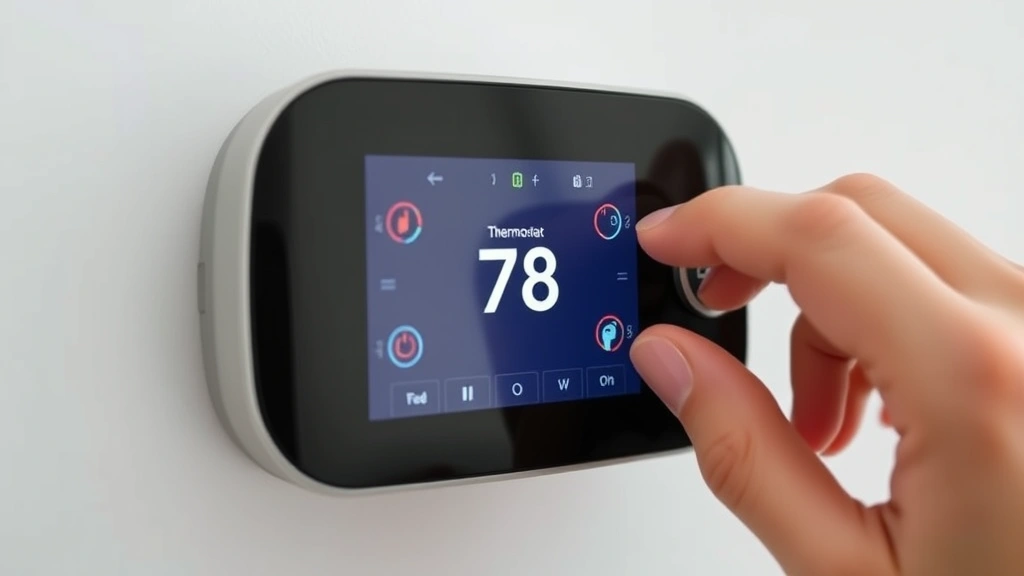
Thermostat management is the single most impactful efficiency measure. Lowering your thermostat by just 7-10 degrees Fahrenheit for 8 hours daily (such as overnight or while away) can reduce heating costs by 10-15% annually. Programmable and smart thermostats automate this process, learning your schedule and adjusting temperatures accordingly without requiring manual intervention.
Weatherization prevents heated air from escaping your home. Seal air leaks around windows, doors, and electrical outlets using caulk or weatherstripping. Insulate your attic to prevent heat loss through the roof—this is often the most cost-effective efficiency upgrade. Pipe insulation in unheated spaces (basements, crawl spaces) prevents heat loss from water pipes and reduces gas consumption for water heating.
Water heating efficiency contributes significantly to natural gas bills. Reduce hot water usage by installing low-flow showerheads, fixing leaks promptly, and washing clothes in cold water when possible. Insulating your water heater tank and pipes reduces standby heat loss. Consider upgrading to a tankless water heater or heat pump water heater for dramatic long-term savings.
HVAC maintenance ensures your heating system operates at peak efficiency. Annual professional maintenance includes cleaning filters, inspecting the system, and identifying potential issues. A well-maintained furnace operates 10-15% more efficiently than a neglected one. Replace furnace filters monthly during heating season to prevent airflow restriction.
Appliance upgrades to ENERGY STAR-certified models reduce gas consumption. Modern furnaces, water heaters, and cooking appliances are significantly more efficient than older models. While the upfront cost is higher, the long-term savings often justify the investment within 5-10 years.
Behavioral changes also matter. Door and window management—closing doors to unused rooms and keeping blinds closed at night—reduces the volume of space you’re heating. Cooking efficiency—using lids on pots, matching pan size to burner size, and using the oven efficiently—reduces gas consumption for cooking.
Sustainable Alternatives to Natural Gas
While optimizing your natural gas usage is important, considering sustainable energy solutions offers long-term environmental and economic benefits. Natural gas, though cleaner than coal, remains a fossil fuel that contributes to climate change through methane emissions and carbon dioxide combustion.
Electric heating systems, powered by renewable electricity, represent a cleaner alternative. Heat pump technology has advanced dramatically, providing efficient heating even in cold climates. Air-source heat pumps can heat homes effectively at temperatures well below freezing, while ground-source heat pumps offer even higher efficiency by utilizing stable ground temperatures.
Solar thermal systems can handle much of your water heating needs. These systems use the sun’s energy to heat water, reducing or eliminating natural gas consumption for water heating. In many regions, solar incentives and tax credits make these systems affordable.
Biomass heating offers a renewable alternative in some regions. Pellet stoves and wood boilers use sustainably harvested biomass, which is carbon-neutral because the carbon released during combustion was recently absorbed by growing trees.
For cooking, induction cooktops are more efficient than gas burners and eliminate combustion byproducts in your kitchen. Induction technology heats cookware directly, wasting less energy and providing better temperature control than gas flames.
Understanding green technology innovations helps you identify which alternatives make sense for your situation. CenterPoint Energy’s service territory is expanding renewable energy options, and many customers can supplement their natural gas usage with renewable alternatives.
Troubleshooting Common Payment Issues
Despite straightforward payment processes, customers occasionally encounter issues. Understanding how to resolve these problems quickly prevents service disconnection and protects your account.
Payment not posting is a common concern. If you’ve paid online but your account still shows a balance, the payment may still be processing. Online payments typically post within 24 hours, while ACH transfers from your bank may take 1-3 business days. Check your payment confirmation number and contact customer service if the payment doesn’t appear within this timeframe.
Duplicate charges occasionally occur, particularly when customers submit multiple payments thinking their first payment failed. Always wait to see if your first payment processes before submitting another. If you notice duplicate charges, contact CenterPoint immediately with your payment confirmation numbers for quick resolution and credit.
Incorrect meter readings can result in unexpectedly high bills. If your bill seems unusually high, request an actual meter reading through your online account or by calling customer service. You can also provide a self-reading to ensure accuracy. Investigate potential leaks or malfunctioning appliances if your consumption genuinely has increased.
Billing errors can occur due to system glitches or data entry mistakes. Review your bill carefully each month, comparing it to your previous bills and checking the meter readings. If you identify an error, contact CenterPoint with documentation of the discrepancy. Most companies offer bill adjustments within 30 days of discovery.
Service disconnection notices indicate that you’re behind on payments. Don’t ignore these notices. Contact CenterPoint immediately to discuss payment arrangements, hardship programs, or assistance options. Acting quickly often prevents actual disconnection and protects your service.
Technical issues with online payment occasionally prevent successful transactions. If your online payment is declined or interrupted, try again using a different browser or device. If problems persist, call customer service to process your payment by phone. Never attempt to pay the same bill multiple times—this creates reconciliation problems.
FAQ
What is the easiest way to pay my CenterPoint gas bill?
Online payment through CenterPoint’s website or mobile app is the easiest method—it’s fast, secure, and provides instant confirmation. Automatic payment (autopay) is even easier because it eliminates the need to remember your due date. You can set it and forget it while enjoying potential discounts.
Can I set up automatic payments with CenterPoint?
Yes, CenterPoint allows automatic payments through their online account portal or by calling customer service. You can authorize recurring payments from your bank account on your due date each month. Many customers receive a small discount for enrolling in autopay.
How long does it take for my CenterPoint payment to post?
Online payments typically post within 24 hours. ACH transfers from your bank account may take 1-3 business days. Phone payments usually process immediately. Mail payments take 7-10 business days, so plan accordingly to avoid late fees.
What should I do if I can’t afford my gas bill?
Contact CenterPoint’s customer service to discuss available assistance programs. Options include extended payment plans, the CARE program, budget billing, and connections to LIHEAP assistance. Many customers qualify for help without realizing it exists.
How can I reduce my CenterPoint gas bill?
Implement efficiency measures like lowering your thermostat, sealing air leaks, insulating your attic, maintaining your HVAC system, and reducing hot water usage. These steps typically reduce consumption by 10-20%, significantly lowering your monthly bill. Reviewing your usage patterns through the online portal helps identify specific opportunities.
What does a therm mean on my CenterPoint bill?
A therm is a unit of energy equal to 100,000 BTUs (British Thermal Units). It measures the amount of natural gas you’ve consumed. Your bill shows the number of therms used during the billing period, which is multiplied by the rate per therm to calculate your commodity charges.
Why is my CenterPoint bill higher than usual?
Higher bills typically result from increased consumption due to colder weather, increased heating usage, or appliance changes. Check your meter readings and usage history through your online account. If consumption genuinely increased, investigate potential leaks or malfunctioning appliances. Weather-related increases are normal during winter months.
Can I dispute a CenterPoint bill?
Yes, you can dispute billing errors. Contact CenterPoint with documentation of the discrepancy. The company investigates and typically resolves disputes within 30 days. Request an actual meter reading if you believe the meter reading is inaccurate.
How do I report a gas leak to CenterPoint?
If you smell gas, leave your home immediately and call CenterPoint’s emergency number (typically 911 or the number on your bill). Don’t use electrical switches, phones, or lighters—these can ignite gas. CenterPoint provides 24/7 emergency response for suspected leaks.
Does CenterPoint offer budget billing?
Yes, CenterPoint offers budget billing that spreads your annual costs evenly across 12 months, eliminating seasonal bill fluctuations. This helps with budgeting and prevents sticker shock during winter months. At year-end, you reconcile any differences between your budget amount and actual costs.


