
Are Gas Bikes Eco-Friendly? Research Insights and Environmental Impact Analysis
The question of whether gas bikes represent a sustainable transportation option has become increasingly relevant as communities worldwide seek alternatives to conventional automobiles. Gas bikes, also known as motorized bicycles or mopeds powered by gasoline engines, occupy a middle ground in the transportation spectrum—cleaner than cars but with notable environmental trade-offs compared to electric or human-powered alternatives. Understanding their true ecological impact requires examining emissions data, manufacturing processes, and how they compare to other mobility solutions.
As urban planners and environmental advocates push for greener commuting options, gas bikes have gained attention as an affordable, efficient choice for short-distance travel. However, the sustainability narrative surrounding these vehicles demands rigorous analysis. This comprehensive guide explores the environmental implications of gas bikes, examining peer-reviewed research, emission standards, and lifecycle assessments to provide you with evidence-based insights into their ecological footprint.
Understanding Gas Bikes and Their Market Position
Gas bikes represent a category of vehicles that blend bicycle frames with small internal combustion engines, typically ranging from 50cc to 150cc displacement. These machines fill a transportation niche between traditional bicycles and full-size motorcycles, offering motorized convenience at a fraction of the cost and complexity of larger vehicles. The affordability factor has made them particularly popular in developing nations and as a budget-conscious option for urban commuters.
The appeal of gas bikes extends beyond cost considerations. They require minimal infrastructure compared to electric vehicles—no charging stations or grid dependence—and offer greater range than most e-bikes on a single fuel tank. For riders in areas without developed public transportation or those unable to afford electric alternatives, gas bikes present a practical mobility solution. However, this practicality must be weighed against environmental responsibilities and the availability of sustainable energy solutions that may serve similar purposes.
Understanding the specifications of these vehicles proves essential for evaluating their ecological impact. Most gas bikes operate with two-stroke or four-stroke engines, with four-stroke variants generally producing fewer emissions. The fuel efficiency of gas bikes—typically achieving 100-150 miles per gallon—exceeds that of automobiles, though this advantage diminishes when compared to electric bikes or public transit options.
Emissions Profile: What Research Shows
Scientific research examining gas bike emissions reveals a complex environmental picture. Studies conducted by environmental agencies and independent laboratories demonstrate that small gasoline engines, including those in gas bikes, produce disproportionately high emissions relative to their size and power output. A single gas bike operating for one hour can generate pollution equivalent to driving a modern car for several hours.
The primary pollutants emitted by gas bikes include nitrogen oxides (NOx), particulate matter (PM), volatile organic compounds (VOCs), and carbon dioxide (CO2). According to research from the EPA’s regulations on small spark-ignition engines, two-stroke engines are particularly problematic, as they burn oil mixed with fuel, resulting in incomplete combustion and substantial hydrocarbon emissions. Four-stroke engines perform better but still contribute meaningfully to air pollution in urban environments.
Carbon emissions from gas bikes present another environmental concern. While a single gas bike produces less CO2 than a car per mile traveled, when aggregated across populations and considering manufacturing emissions, their climate impact becomes significant. The fuel combustion process releases stored carbon, contributing to greenhouse gas accumulation in the atmosphere. For context, electric vehicles eliminate direct emissions, though their overall sustainability depends on electricity grid composition.
Research also indicates that gas bikes often operate in urban areas with high population density, meaning their emissions affect concentrated populations. Children, elderly individuals, and those with respiratory conditions face heightened health risks from the particulate matter and nitrogen oxides these vehicles produce. Public health studies have documented correlations between small-engine emissions and respiratory diseases in urban communities.
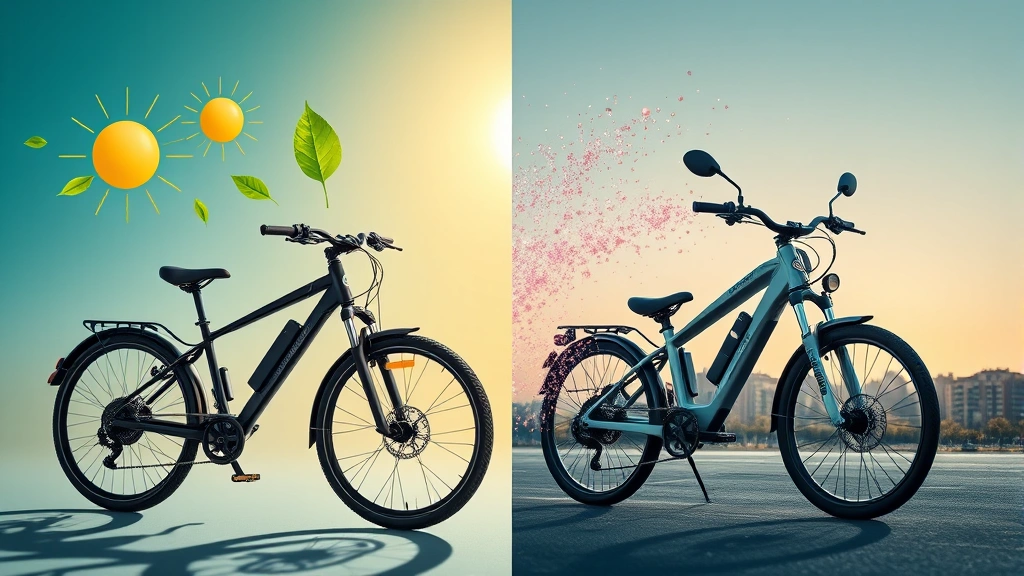
” alt=”Gas bike engine emissions visualization” style=”max-width: 100%; height: auto;”>
A comprehensive sustainability assessment of gas bikes must extend beyond operational emissions to encompass their entire lifecycle. Manufacturing processes, material extraction, transportation, and eventual disposal all contribute to the total environmental footprint. Lifecycle assessment (LCA) studies reveal that gas bikes require significant resource inputs during production, including metal mining, petroleum-based plastic manufacturing, and chemical processing for engine components. The battery-free nature of gas bikes might suggest lower manufacturing impact compared to electric alternatives, but this advantage proves marginal. Gas bikes still require precision manufacturing, quality metals, and energy-intensive production processes. The engines themselves contain multiple components requiring specialized machining, and the fuel systems demand corrosion-resistant materials. Transportation of finished products from manufacturing facilities to distributors adds additional carbon emissions to the lifecycle tally. When examining natural gas versus propane alternatives, we see that alternative fuels can reduce some emissions categories, but gas bikes typically run on conventional gasoline. This fuel choice locks them into a petroleum-dependent supply chain with associated environmental extraction impacts. Oil drilling, refining, and transportation all carry significant ecological costs that rarely appear in simple emissions comparisons. End-of-life considerations present additional environmental challenges. Gas bikes, like all motorized equipment, eventually require disposal or recycling. The small engines contain hazardous materials including motor oil, fuel residues, and potentially lead-containing components in older models. Improper disposal can contaminate soil and water systems. While some components can be recycled, the diffuse nature of gas bike ownership often means these vehicles end up in landfills rather than proper recycling facilities. The sustainability conversation around gas bikes gains clarity when placed in comparative context. Electric bikes have emerged as a compelling alternative, offering zero direct emissions, significantly lower operating costs, and minimal noise pollution. An e-bike produces no emissions during operation, and if charged with renewable electricity, achieves near-zero lifecycle emissions. The manufacturing impact of e-bike batteries, while notable, distributes across the vehicle’s 5-10 year lifespan, resulting in lower annual emissions than gas bikes. Traditional bicycles represent the most sustainable mobility option, requiring only human power and producing zero emissions at any lifecycle stage. For trips under 3-5 miles—the distance encompassing a significant portion of urban commutes—regular bicycles prove adequate for most riders. When physical limitations or longer distances necessitate motorized assistance, e-bikes provide superior environmental performance compared to gas alternatives. Public transportation systems, despite their infrastructure requirements, dramatically outperform both gas and electric bikes in per-passenger emissions. A single bus transporting 40 passengers produces roughly one-tenth the emissions per passenger-mile compared to an individual driving a car, and substantially less than a gas bike rider when accounting for manufacturing impacts. From a perspective on reducing environmental footprint, prioritizing public transit over individual motorized vehicles yields maximum climate benefits. The comparison reveals a clear hierarchy of sustainability: human-powered bikes, electric bikes, public transportation, gas bikes, and finally personal automobiles. Gas bikes occupy a problematic middle position—they offer marginal environmental improvement over cars while failing to match the performance of available alternatives. For riders capable of using e-bikes or public transit, gas bikes represent a step backward in sustainability commitment.Manufacturing and Lifecycle Environmental Impact
Comparing Gas Bikes to Electric and Human-Powered Alternatives
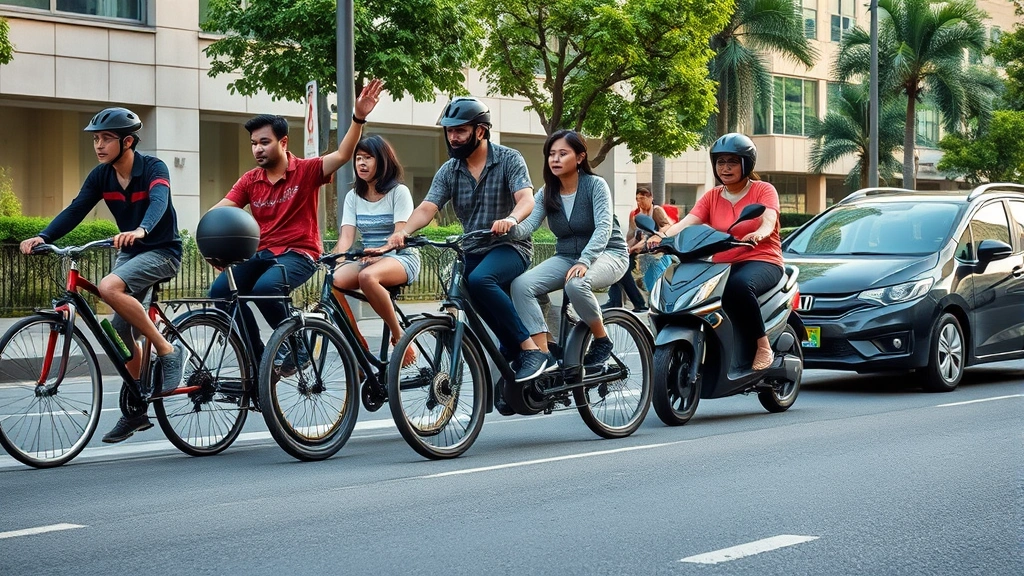
” alt=”Sustainable transportation mode comparison chart visualization” style=”max-width: 100%; height: auto;”>
Regulatory frameworks governing gas bike emissions vary significantly by jurisdiction, reflecting different environmental priorities and enforcement capacities. The United States EPA has established emissions standards for small spark-ignition engines, categorizing equipment by engine size and application. However, many gas bikes fall into categories with less stringent requirements than larger motorcycles or automobiles, creating a regulatory gap. The EPA’s small nonroad engine standards have tightened over successive decades, pushing manufacturers toward cleaner four-stroke designs. However, compliance deadlines often lag technological capability, and enforcement in the aftermarket remains challenging. Many gas bikes sold today meet basic standards but still produce emissions substantially higher than what modern automotive technology could achieve. European Union regulations impose stricter emissions limits than the United States, effectively banning the most polluting two-stroke gas bikes from the market. This regulatory divergence creates a situation where higher-pollution vehicles concentrate in regions with weaker standards, often corresponding with lower-income communities least able to absorb health costs from air pollution. The absence of consistent global standards enables a regulatory arbitrage where manufacturers concentrate dirty production in unregulated markets. This creates environmental injustice, concentrating pollution in developing nations while wealthy countries benefit from cleaner air. Strengthening and harmonizing emissions standards represents a critical step toward making gas bikes genuinely more sustainable. Beyond technical specifications and laboratory tests, real-world sustainability depends on how gas bikes integrate into actual transportation patterns. If a gas bike substitutes for automobile trips, it represents genuine environmental improvement. However, if it enables additional motorized trips that would otherwise occur via walking, cycling, or transit, net environmental impact becomes negative. Research on motorized bike adoption reveals mixed results. In some contexts, gas bikes successfully reduce automobile use, capturing car trips and converting them to lower-emission alternatives. In other situations, gas bikes generate additional vehicle miles traveled, with riders making trips they would previously have skipped. The sustainability outcome depends entirely on displacement effects—whether motorized bikes replace or supplement other transportation modes. Infrastructure context matters substantially. Gas bikes prove most sustainable in areas with poor public transit, where they genuinely provide the best available option for necessary trips. In urban areas with comprehensive sustainable transportation alternatives documented on the SustainWise Hub Blog, gas bikes represent a regression from available better options. Individual circumstances determine whether a gas bike represents environmental progress or compromise. The maintenance practices of gas bike owners significantly affect their actual environmental impact. Poorly maintained engines produce substantially higher emissions than well-tuned versions. Many casual gas bike owners perform minimal maintenance, allowing engines to degrade and emissions to increase. This maintenance gap widens the environmental performance gap between gas bikes and electric alternatives, which require minimal upkeep. Evaluating whether a gas bike suits your sustainability goals requires honest assessment of your transportation needs, available alternatives, and local environmental conditions. If your primary concern involves reducing personal transportation emissions, electric bikes almost universally outperform gas alternatives. They cost less to operate, produce zero emissions, require minimal maintenance, and qualify for incentive programs in many jurisdictions. Gas bikes make most sense in specific circumstances: areas lacking public transportation, where e-bike range proves insufficient, for individuals with physical limitations preventing regular cycling, and in regions where they genuinely displace automobile trips. Even in these scenarios, investigating green technology innovations transforming transportation may reveal superior options emerging in your area. If you currently own or use a gas bike, several practices improve its environmental profile. Maintain your engine meticulously, ensuring proper fuel mixture, spark plug condition, and air filter cleanliness. Use high-quality fuel and synthetic oils when possible. Ride efficiently, avoiding unnecessary acceleration and maintaining steady speeds. Consider transitioning to an e-bike when feasible, particularly if your typical trips fall within e-bike range capabilities. For manufacturers and policymakers, the path toward genuine sustainability involves accelerating the transition away from gas bikes toward electric alternatives. Incentive programs favoring e-bike adoption, investment in public transportation infrastructure, and stricter emissions standards for remaining gas bikes all contribute to meaningful environmental progress. Some cities have successfully implemented gas bike phase-out programs, offering rebates for trading older, higher-emission models for electric alternatives. Yes, gas bikes produce fewer emissions than automobiles on a per-mile basis, achieving superior fuel efficiency. However, they remain significantly worse for the environment than electric bikes, human-powered bicycles, or public transportation. The comparison matters less than whether the gas bike displaces car trips or generates additional motorized travel. A typical 50cc gas bike produces approximately 50-100 grams of CO2 per mile, with NOx and particulate matter emissions varying based on engine type and condition. Two-stroke engines produce roughly 2-3 times higher emissions than four-stroke variants. These figures vary substantially based on maintenance and operating conditions. Electric bikes dramatically outperform gas bikes environmentally. E-bikes produce zero direct emissions, cost 1/10th as much to operate, require minimal maintenance, and when charged with renewable electricity, achieve near-zero lifecycle emissions. For nearly all use cases, e-bikes represent the superior sustainability choice. Standard gas bikes are designed for petroleum gasoline and cannot reliably use alternative fuels without significant modifications. Some experimental models have been developed for ethanol or other biofuels, but these remain rare and often produce higher emissions than conventional gasoline variants. Regulations vary by location. Some cities restrict gas bikes to specific areas or prohibit them entirely. Many jurisdictions require registration, emissions testing, or licenses for gas bike operation. Before purchasing, verify local regulations regarding gas bike legality and compliance requirements. Well-maintained gas bike engines typically last 10,000-20,000 miles, roughly 5-10 years of regular use. Poor maintenance significantly shortens lifespan, while careful upkeep can extend it. Engine longevity affects the lifecycle environmental impact calculation, with longer-lasting engines distributing manufacturing emissions across more miles.Regulatory Standards and Compliance
Real-World Sustainability Considerations
Making an Informed Decision
Frequently Asked Questions
Are gas bikes better for the environment than cars?
What is the average emissions output of a gas bike?
How do gas bikes compare to electric bikes in terms of sustainability?
Can gas bikes use alternative fuels?
Are there regulations limiting gas bike use?
What is the lifespan of a gas bike engine?


