
Gas Line Safety Tips: Expert Insights for Home Protection
Gas lines are critical infrastructure in millions of homes, delivering fuel for heating, cooking, and water heating. However, they require careful maintenance and attention to prevent dangerous leaks, explosions, and carbon monoxide exposure. Whether you’re dealing with gas line repair near me or simply want to understand how to keep your system safe, this comprehensive guide provides expert insights into gas line safety, maintenance, and when to call professionals.
Understanding gas line safety isn’t just about preventing emergencies—it’s about protecting your family, your property, and contributing to a safer community. Many homeowners underestimate the importance of regular inspections and maintenance, yet these simple steps can prevent catastrophic incidents. This guide covers everything from recognizing warning signs to finding reliable repair services in your area.
Understanding Your Gas Line System
Your home’s gas line system consists of several interconnected components working together to safely deliver fuel from the main supply to your appliances. The system begins at the meter, where gas enters your home from the municipal supply or your propane tank. From there, pipes distribute gas throughout your house to various appliances like furnaces, water heaters, stoves, and fireplaces.
Modern gas lines are typically made from black iron, copper, or flexible stainless steel tubing. Each material has specific advantages and applications. Black iron is durable and cost-effective but can corrode over time. Copper is resistant to corrosion and ideal for certain applications. Flexible tubing offers easy installation but requires proper support and protection. Understanding which type of piping your home uses helps you recognize potential issues and communicate effectively with professionals when you need propane versus natural gas considerations.
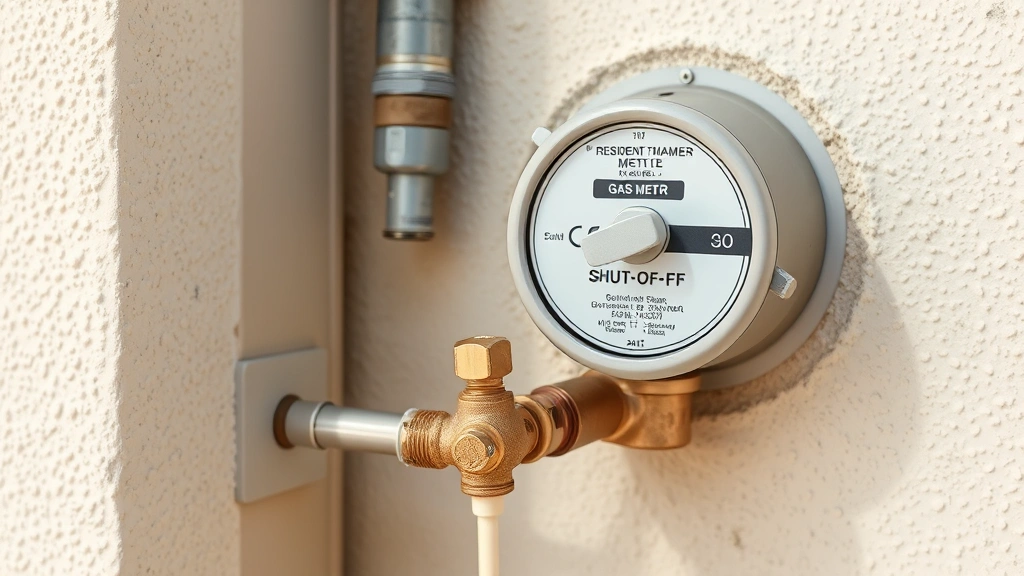
The pressure regulators, shut-off valves, and safety devices integrated into your system are equally important. These components maintain proper gas pressure, prevent backflow, and automatically shut off gas supply in emergencies. Familiarizing yourself with your system’s layout and knowing where your main shut-off valve is located can save precious seconds during an emergency.
Warning Signs of Gas Line Problems
Recognizing early warning signs of gas line issues is crucial for preventing serious safety hazards. The most obvious indicator is the distinctive smell of natural gas—utility companies add mercaptan, a chemical with a rotten egg odor, to naturally odorless gas to make leaks detectable. If you smell this odor inside your home, it indicates a potential leak that requires immediate attention.
Beyond smell, several other signs suggest gas line problems. Hissing sounds near gas appliances or pipes, unusual bubbling in water around outdoor gas lines, or dead patches of grass in your yard (caused by gas escaping underground) all warrant professional inspection. Inside your home, watch for soot accumulation around gas appliances, yellow flames instead of blue on your stove burners, and unexplained increases in your gas bills.
Physical damage to visible gas lines, corrosion appearing as white powder or discoloration on pipes, or loose connections near appliances should never be ignored. Damp or wet areas around gas lines suggest condensation problems or potential leaks. Some signs are subtle—persistent headaches, dizziness, or nausea when using certain appliances might indicate carbon monoxide production from incomplete combustion, a serious safety concern related to faulty gas lines.
If you notice any of these warning signs, don’t attempt DIY repairs. Contact a qualified technician immediately to perform a professional inspection. Searching for “gas line repair near me” on Google Maps or through your local utility company’s referral program can connect you with certified professionals quickly.
Essential Safety Precautions
Your first line of defense against gas-related accidents is understanding and practicing essential safety precautions. Every household member should know how to identify a gas smell and understand the proper response protocol. Establish a family plan that includes identifying the main shut-off valve location, designating an outdoor meeting point, and knowing when to call emergency services versus a repair company.
Never ignore the smell of gas, even if it’s faint or intermittent. Trust your senses and your instincts. If you suspect a leak, don’t use electrical switches, light matches, or create any spark or flame. Don’t use your phone indoors if you suspect a major leak—use a neighbor’s phone or move outside before calling emergency services. This precaution prevents ignition of accumulated gas.
Ensure proper ventilation around gas appliances, especially in kitchens and bathrooms. Blocked vents can cause carbon monoxide accumulation. Install battery-operated carbon monoxide detectors in bedrooms and common living areas, testing them monthly and replacing batteries annually. These devices provide early warning of dangerous gas buildup that you might not otherwise detect.
Keep gas appliances well-maintained and don’t attempt repairs unless you’re a licensed professional. Regular cleaning of appliance vents and burners prevents blockages that can cause incomplete combustion. Never use your oven or stove for heating—this is a common cause of carbon monoxide poisoning. Store flammable materials away from gas appliances and ensure adequate clearance around heating equipment.
When installing new gas appliances, hire licensed professionals to ensure proper connections, adequate venting, and compliance with local building codes. Improper installation is a leading cause of gas-related accidents. If you’re considering sustainable energy solutions for your home, discuss how transitioning away from gas appliances might fit into your long-term safety and environmental goals.

Regular Maintenance and Inspections
Preventive maintenance is your most powerful tool for ensuring gas line safety and longevity. Many serious problems can be caught during routine inspections before they become emergencies. Professional inspections should occur at least annually, more frequently if your system is older or you’ve noticed any warning signs.
During professional inspections, technicians check for leaks using specialized equipment like pressure gauges and soapy water tests—bubbles indicate escaping gas. They inspect all visible pipes for corrosion, damage, or improper connections. They test regulators and safety devices to ensure they’re functioning correctly. They verify proper venting of appliances and check for carbon monoxide production using monitoring equipment.
Between professional inspections, you can perform basic visual checks. Look for obvious damage, corrosion, or loose connections. Ensure shut-off valves operate smoothly. Check that appliance connections are secure and haven’t shifted. Note any changes in appliance performance or unusual smells. Keep records of maintenance and repairs—this documentation helps professionals understand your system’s history.
Older homes with gas lines installed decades ago need particular attention. Materials degrade over time, and installation standards have evolved significantly. If your home was built before 1980 and has never had a professional gas line inspection, schedule one immediately. Corroded pipes from that era are a common source of leaks and safety hazards.
If you’re planning renovations or remodeling projects that involve moving appliances or modifying walls where gas lines run, hire professionals to safely relocate lines. Never attempt to move gas lines yourself—improper relocation can create kinks, stress points, or incorrect connections that compromise safety.
Finding Professional Gas Line Repair Services
When you need “gas line repair near me,” knowing how to find qualified professionals is essential. Start by asking for referrals from friends, family, and neighbors who’ve had recent work done. Your local utility company often maintains lists of approved contractors and may even offer referral services. Online reviews on Google, Yelp, and the Better Business Bureau provide insights into company reliability and customer satisfaction.
Verify that any contractor you consider is properly licensed and insured. Most states require licenses for gas line work, and licensing standards vary by location. Ask to see current licenses and insurance certificates before hiring anyone. Licensed professionals have met specific training requirements and understand local building codes and safety regulations.
Request multiple quotes from different companies—pricing varies significantly based on the scope of work, your location, and local labor costs. However, don’t choose solely based on price. The cheapest option might cut corners on safety. Look for companies that explain their process clearly, answer your questions thoroughly, and provide detailed written estimates.
Ask about warranties on repairs and parts. Reputable companies stand behind their work and offer guarantees. They should also provide documentation of completed work, including what was repaired or replaced, testing results, and recommendations for future maintenance.
Check whether the company offers emergency services. Gas line problems don’t always occur during business hours, and having a trusted contractor you can call at 2 AM provides peace of mind. Ask about their emergency response time and whether they charge premium rates for after-hours service.
When interviewing potential contractors, notice how they communicate. Professional technicians explain technical issues in understandable terms, answer questions patiently, and don’t pressure you into unnecessary work. They prioritize your safety over maximizing profits. A good contractor educates you about your system and preventive measures you can take.
Emergency Response Procedures
Despite your best preventive efforts, gas emergencies can still occur. Knowing how to respond properly can save lives. If you smell gas strongly or suspect a major leak, evacuate your home immediately. Don’t stop to gather belongings—get everyone outside safely. Meet at a designated location away from your home, at least 300 feet away.
Once outside, call emergency services (911 in the United States) from a neighbor’s phone or a safe distance away. Don’t use your home phone or cell phone indoors where gas might be present—the electrical spark from a phone could ignite accumulated gas. Inform dispatchers that you suspect a gas leak so they can dispatch appropriate emergency responders.
Never re-enter your home until emergency responders have confirmed it’s safe. Don’t attempt to locate the leak yourself or try repairs. Even small leaks that seem manageable could indicate larger problems. Let professionals assess the situation and determine when it’s safe to return.
If someone shows symptoms of carbon monoxide poisoning—confusion, headache, dizziness, nausea, chest pain, or difficulty breathing—move them outside immediately to fresh air. Call emergency services and provide information about potential carbon monoxide exposure. Even if symptoms improve after moving outside, seek medical evaluation. Carbon monoxide poisoning can cause long-term health effects.
For minor gas smells that come and go, or smells that seem to originate from a specific appliance, you might safely call a repair company during business hours rather than emergency services. However, if you’re uncertain whether it’s safe, err on the side of caution and evacuate. It’s better to have a false alarm than to risk serious injury.
After any gas emergency, don’t use your home until a professional has inspected the system and confirmed it’s safe. Document what happened, including when you noticed the problem, what it smelled like, and any symptoms you experienced. This information helps technicians diagnose the issue more quickly.
Long-Term Safety and Efficiency
Beyond immediate safety concerns, maintaining your gas line system contributes to long-term efficiency and cost savings. Well-maintained systems operate more efficiently, reducing your energy bills. Leaks waste gas and money while increasing your environmental impact. Properly functioning regulators and safety devices prevent dangerous situations and extend appliance lifespan.
Consider how your current gas system fits into your broader environmental footprint reduction goals. Natural gas burns cleaner than coal or oil, but it’s not carbon-neutral. As technology advances, exploring green technology innovations like electric heat pumps, induction cooktops, and renewable energy sources might align better with your long-term sustainability values.
If you’re not planning to switch away from gas immediately, focus on maximizing your current system’s safety and efficiency. High-efficiency gas furnaces and water heaters use less fuel while delivering the same comfort. Modern gas stoves with better controls reduce wasted fuel. These upgrades improve safety while reducing your environmental impact.
Keep detailed records of all maintenance, inspections, and repairs. This documentation proves you’ve maintained your system properly—important information if you ever sell your home or file an insurance claim. It also helps professionals understand your system’s history and spot patterns that might indicate developing problems.
Educate household members about gas safety. Children should understand the rotten egg smell associated with gas and know to tell an adult immediately if they notice it. Elderly household members might be more susceptible to carbon monoxide poisoning effects. Everyone should know where the main shut-off valve is located and understand basic emergency procedures.
Stay informed about recalls or safety notices for your specific appliances. The Consumer Product Safety Commission maintains a database of product recalls. Manufacturers sometimes issue safety bulletins about specific models. Subscribing to recall notifications ensures you’re aware of issues affecting your equipment.
Consider your home’s overall safety infrastructure. Proper ventilation, working smoke detectors, fire extinguishers, and emergency contact information all complement gas line safety. A comprehensive approach to home safety addresses multiple potential hazards rather than focusing on gas lines alone.
FAQ
How often should I have my gas lines inspected?
Professional gas line inspections should occur at least annually. Older systems, homes with history of problems, or those in areas with water table issues might need more frequent inspections. After any repair work, request a follow-up inspection to confirm proper repairs.
What should I do if I smell gas outside my home?
If you smell gas outside, move away from the area and call your local utility company’s emergency line. Don’t investigate or try to locate the source yourself. Underground gas leaks can be dangerous, and utility companies have specialized equipment to locate and repair them safely.
Can I use my oven to heat my home?
Never use your oven or stove for heating. This is extremely dangerous and a leading cause of carbon monoxide poisoning. It also voids most appliance warranties and violates building codes. Use only appliances designed specifically for heating.
Are flexible gas lines safe?
Flexible stainless steel gas lines are safe when properly installed, supported, and protected. They’re commonly used for appliance connections. However, they require proper routing to avoid damage from sharp bends, kinks, or physical contact. Black iron or copper piping is typically used for main distribution lines.
What’s the difference between natural gas and propane safety?
While both require similar safety precautions, there are important differences. Natural gas is lighter than air and rises, while propane is heavier and sinks. This affects how leaks behave and where detectors should be placed. Understanding propane versus natural gas differences helps you implement appropriate safety measures for your specific fuel type.
How much does gas line repair typically cost?
Repair costs vary widely based on the problem’s severity, your location, and local labor rates. Minor repairs might cost $150-300, while major repairs or replacements could exceed $1,000. Always get quotes from multiple contractors and understand exactly what’s included in the estimate.
Should I repair or replace my old gas lines?
This depends on the extent of corrosion or damage. Localized corrosion might be repairable by replacing that section. Extensive corrosion throughout the system typically requires complete replacement. A professional inspection will determine whether repair or replacement is more appropriate and cost-effective.
Can I install gas appliances myself?
No. Gas appliance installation must be performed by licensed professionals. Improper installation creates safety hazards and voids manufacturer warranties. Building codes require licensed professional installation, and inspectors must approve the work before you can legally use the appliance.


