Buying a Gas Station? Insider Tips for a Sustainable Future
The gas station industry is undergoing a significant transformation as the world shifts toward cleaner energy solutions. If you’re considering gas stations for sale, it’s crucial to understand that today’s fuel retail landscape extends far beyond traditional petroleum pumps. Modern convenience stores and fuel retailers are increasingly diversifying their offerings to include electric vehicle charging stations, renewable energy products, and sustainable alternatives that appeal to environmentally conscious consumers.
Whether you’re a seasoned entrepreneur or a first-time business buyer, purchasing a gas station requires careful financial analysis, regulatory compliance understanding, and strategic positioning for future market trends. This comprehensive guide explores the essential considerations, financial metrics, operational challenges, and sustainability opportunities that define successful gas station ownership in the 21st century.

Financial Evaluation and Investment Analysis
Before committing capital to gas stations for sale, conduct thorough financial due diligence. Most gas station businesses operate on razor-thin margins, typically between 2-5% for fuel sales, with profitability heavily dependent on convenience store merchandise, car washes, and ancillary services. Request detailed financial statements covering at least three years of operation, including gross revenue, cost of goods sold, operating expenses, and net income broken down by revenue stream.
Analyze the fuel volume metrics carefully. Average daily fuel sales, measured in gallons, directly impact profitability and cash flow. A high-volume location selling 3,000+ gallons daily provides better margin absorption than low-volume stations. Calculate the real estate value separately from the business value, as many stations operate under lease agreements with fuel suppliers or property owners. Review lease terms, including rent escalation clauses, renewal options, and termination conditions that could affect long-term viability.
Investigate the franchise or supplier relationship thoroughly. Many gas stations operate under brand agreements with major oil companies, which provide brand recognition and supply chain reliability but impose operational restrictions and rebate structures. Understand commission rates, volume rebates, and any exclusivity agreements that limit your ability to diversify revenue streams. Examine working capital requirements, particularly inventory financing for fuel and convenience items, which can represent significant ongoing capital needs.
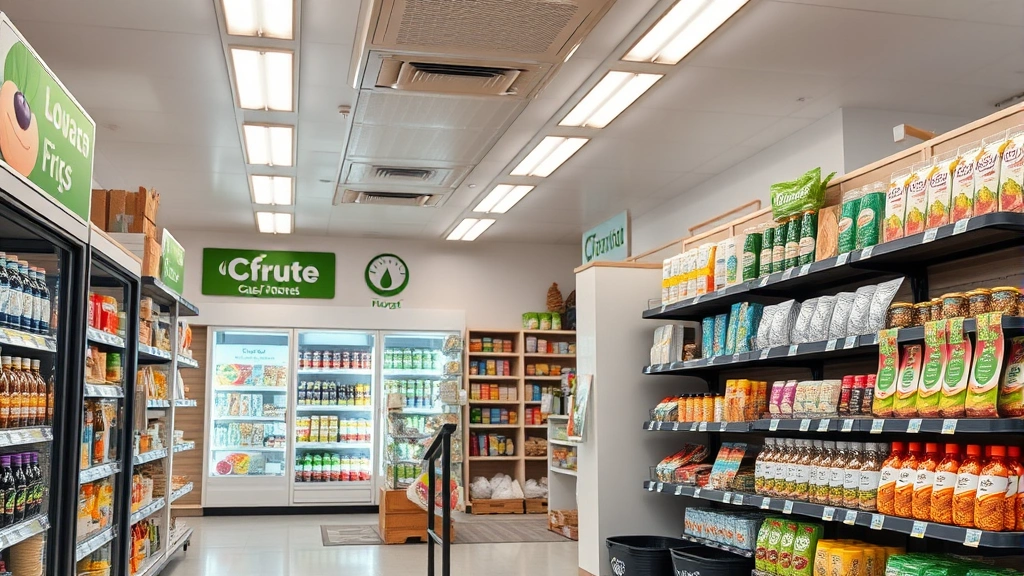
Review the income statement’s convenience store performance meticulously. In many markets, convenience store sales represent 40-60% of total revenue while consuming only 20-30% of operating costs, making it the true profit center. Assess the quality of the inventory management system, supplier relationships, and pricing strategy. Evaluate whether the current operator has optimized product selection for local demographics or if there’s opportunity for improvement through sustainable energy solutions and eco-friendly product offerings.
Understanding Regulatory Requirements and Compliance
Gas station ownership involves complex regulatory frameworks at federal, state, and local levels. The Environmental Protection Agency (EPA) enforces strict regulations regarding fuel storage, vapor recovery systems, and environmental contamination prevention. Underground storage tanks (USTs) must meet specific construction standards, monitoring requirements, and closure procedures outlined in EPA regulations.
Each state maintains separate petroleum storage tank regulations and licensing requirements. Some states require operator certification, environmental compliance bonds, and regular inspections of fuel dispensers and storage systems. Local jurisdictions may impose additional zoning restrictions, environmental permits, and safety requirements. Before purchasing, verify that the property has all necessary permits and environmental clearances. Request Phase I and Phase II environmental assessments to identify potential contamination from previous operations or neighboring properties.
Understand the payment processing regulations affecting point-of-sale systems, credit card processing, and customer data protection. Compliance with Payment Card Industry Data Security Standard (PCI DSS) is mandatory for accepting card payments. Review sales tax obligations, which vary significantly by state and product category—some jurisdictions tax prepared foods differently than packaged goods, and certain fuel types may have different tax treatments.
Investigate alcohol beverage licensing if the station sells beer or other alcoholic beverages. These licenses are often the most restrictive and expensive regulatory requirements, with strict rules about hours of operation, promotional activities, and age verification. Verify that the location doesn’t violate distance restrictions from schools, parks, or other sensitive areas that many jurisdictions impose.
Location Assessment and Market Viability
Location fundamentally determines gas station success. Evaluate traffic patterns, demographics, competition, and accessibility. High-visibility locations near major intersections, highways, or residential areas with limited alternative fuel options command premium valuations. Analyze daily traffic counts on adjacent roads and estimate what percentage converts to fuel customers based on local market penetration rates.
Study competitive dynamics by identifying all competing fuel retailers within a three-mile radius. Assess their pricing strategies, brand positioning, and convenience store offerings. Markets with 4-6 competitors within a mile typically show price compression and reduced profitability compared to areas with fewer options. Evaluate demographic trends—growing population areas with increasing vehicle ownership present stronger demand than declining or stagnant regions.
Consider accessibility factors including ease of entry and exit, number of pump islands, canopy condition, and parking availability. Difficult ingress/egress reduces customer conversion and limits peak-hour capacity. Pump island configuration affects throughput—eight island pumps (16 pump positions) represent standard capacity, though premium locations may justify expansion.
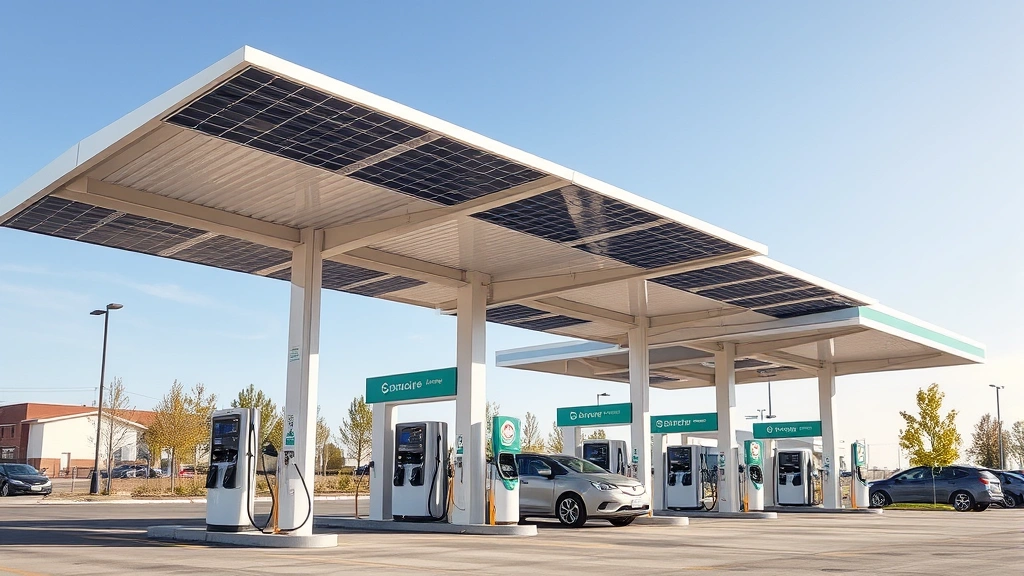
Examine whether the location has infrastructure for electric vehicle charging stations, which represent the future of fuel retail. Properties with available electrical capacity and space for EV chargers position owners advantageously for market evolution. Some jurisdictions offer incentives or grants for EV charging infrastructure installation, creating additional revenue opportunities.
Research local development plans, zoning changes, and infrastructure projects that could impact the location. New highways, road closures, or commercial development patterns influence long-term viability. Speak with neighboring business owners about traffic trends and market changes they’ve observed.
Environmental and Underground Storage Tank Considerations
Underground storage tanks represent one of the most significant liability exposures in gas station ownership. Tanks typically last 20-40 years, depending on construction material and maintenance. Older steel tanks are susceptible to corrosion and leakage, potentially causing soil and groundwater contamination that results in expensive remediation costs exceeding $100,000-$500,000.
Request comprehensive tank inspection reports detailing tank age, material composition, wall thickness measurements, and any visible corrosion or damage. Modern fiberglass-reinforced plastic (FRP) tanks offer superior durability and corrosion resistance compared to older steel tanks. If the station contains aging steel tanks, budget for replacement within your business plan, or negotiate price reduction to account for this future capital expenditure.
Verify that the property has secondary containment systems meeting current EPA standards. These systems prevent soil contamination if a tank leaks. Older installations may lack proper secondary containment, requiring expensive retrofitting. Review records of all environmental inspections, monitoring reports, and any contamination incidents or cleanup activities.
Understand the closure process for decommissioned tanks. Proper closure involves tank removal, soil testing, and environmental documentation to prevent future liability. Improper closure can create environmental hazards and legal liability for subsequent property owners. Ensure all previous tank closures were completed according to regulatory standards with proper documentation.
Investigate whether the property has any environmental liens or deed notices restricting future development or use. Some contaminated properties carry perpetual environmental restrictions even after remediation, limiting your ability to modify or expand operations. Review all environmental reports and regulatory correspondence before purchase.
Transitioning to Sustainable Fuel Solutions
The transportation sector is rapidly transitioning away from traditional gasoline and diesel toward electric vehicles, biofuels, and hydrogen fuel cells. Forward-thinking gas station owners recognize this transformation and position their businesses accordingly. Understanding green technology innovations transforming our future helps identify opportunities to remain competitive.
Electric vehicle charging represents the most immediate opportunity for fuel retailers. Level 2 chargers (240V) cost $3,000-$8,000 per unit and provide 25-30 miles of range per hour of charging. DC fast chargers ($40,000-$100,000+) deliver 80% charge in 20-40 minutes, making them suitable for highway locations. Many states and federal programs offer incentives covering 30-80% of installation costs through Department of Energy programs and state-level initiatives.
Biodiesel and renewable diesel blends represent intermediate solutions for stations serving commercial fleets. These fuels provide performance comparable to petroleum diesel while reducing lifecycle carbon emissions by 50-80%. Many fleet operators actively seek retailers offering B20 or higher biodiesel blends, creating differentiated revenue opportunities in competitive markets.
Hydrogen fuel cell infrastructure remains nascent in most markets but represents long-term opportunity for stations in regions with hydrogen production facilities and vehicle manufacturer support. Early adopters in California and select other markets are installing hydrogen dispensers, positioning themselves as forward-thinking retailers aligned with definition of sustainability principles.
Natural gas and propane remain viable alternative fuels, particularly for commercial vehicle fleets. These fuels offer lower emissions than gasoline and often provide cost advantages during periods of crude oil price volatility. Evaluate whether your target market includes fleet customers seeking alternative fuel options.
Implement sustainability practices throughout convenience store operations, including eco-friendly product selection, sustainable packaging, and waste reduction initiatives. Offer locally-sourced products, organic options, and environmentally conscious personal care items that appeal to sustainability-focused consumers. These products typically command premium pricing while reducing your environmental footprint.
Operational Management and Staffing
Gas station operations require reliable staffing for 24/7 coverage if the location operates around the clock. Staff challenges include high turnover rates, wage pressures, and training requirements for fuel handling, customer service, and point-of-sale systems. Budget for competitive wages, benefits, and retention incentives to maintain service quality and reduce costly turnover.
Implement robust security systems including surveillance cameras, alarm systems, and access controls. Gas stations experience elevated theft risk from both customers and organized retail theft groups targeting high-value convenience store products. Proper security infrastructure protects inventory and employee safety while providing evidence for insurance claims and law enforcement investigations.
Develop comprehensive inventory management systems tracking fuel deliveries, convenience store stock, and shrinkage. Modern point-of-sale systems integrate with fuel dispensers, providing real-time data on sales volumes, pricing, and inventory levels. This data enables optimization of pricing strategies, product selection, and promotional activities to maximize profitability.
Establish maintenance protocols for fuel dispensers, pump islands, canopy structures, and underground systems. Regular preventive maintenance reduces costly emergency repairs and extends equipment life. Many fuel suppliers provide maintenance support as part of brand agreements, but verify coverage details and response times.
Create standard operating procedures for fuel handling, customer service, and emergency situations. Training programs should cover environmental compliance, spill prevention, fire safety, and customer interaction standards. Regular training refreshers ensure staff maintains competency and compliance with regulatory requirements.
Technology Integration and Customer Experience
Modern fuel retail increasingly incorporates advanced technology enhancing customer experience and operational efficiency. Contactless payment systems, mobile app integration, and loyalty programs drive customer retention and competitive differentiation. Evaluate the existing point-of-sale system’s functionality, integration capabilities, and upgrade path.
Digital fuel price displays and dynamic pricing systems enable rapid response to wholesale price changes and competitive pressure. Real-time pricing optimization maximizes revenue per gallon while remaining competitive in your market. Some systems incorporate predictive analytics suggesting optimal price points based on demand, competition, and inventory levels.
Mobile applications offering loyalty rewards, fuel price transparency, and location-based promotions enhance customer engagement. Integration with popular payment platforms and digital wallets simplifies transactions and provides valuable customer data for targeted marketing.
Consider how technology supports your how to reduce your environmental footprint goals. Digital systems reduce paper usage, enable remote monitoring of tank levels and fuel quality, and facilitate data-driven sustainability improvements. EV charging networks increasingly require smartphone apps and digital payment integration, making tech infrastructure essential for future fuel retail.
Evaluate cybersecurity measures protecting customer payment data, fuel dispenser systems, and business operations. Point-of-sale system breaches expose customer financial information and create regulatory liability. Implement robust security protocols, regular software updates, and employee training on data protection practices.
Review the existing website and online presence. Modern consumers research fuel prices and convenience store offerings before visiting. An effective web presence with real-time pricing, location information, and available services drives customer traffic and competitive positioning. Consider whether the business supports or should develop an online ordering system for convenience items with in-store or curbside pickup.
FAQ
What is the average profit margin for gas stations?
Gas station profitability varies significantly by location and business model. Fuel sales typically generate 2-5% margins, while convenience store merchandise produces 20-35% margins. Overall net profit margins for gas stations typically range from 1-3% of gross revenue, making volume and operational efficiency critical to success. High-performing locations with optimized convenience store operations and ancillary services can achieve 5-8% net margins.
How much capital is required to purchase a gas station?
Gas station purchases typically require $250,000-$1,000,000+ depending on location, property ownership, equipment condition, and brand affiliation. This includes down payment (typically 20-30% of purchase price), working capital for inventory, and reserves for unexpected repairs. Financing options include small business loans, franchisor financing programs, and equipment financing for fuel dispensers and other systems. Budget additional capital for potential environmental remediation, tank replacement, or facility upgrades.
What environmental risks should I investigate before purchasing?
Primary environmental concerns include underground storage tank condition, soil and groundwater contamination, secondary containment adequacy, and vapor recovery system functionality. Request Phase I and Phase II environmental site assessments identifying potential contamination. Review all environmental inspection records, regulatory correspondence, and previous cleanup activities. Verify that tank closures were completed properly and that no environmental liens encumber the property.
How do I position a gas station for the electric vehicle transition?
Install EV charging infrastructure compatible with your target market’s vehicle fleet composition. Research available federal and state incentives covering 30-80% of installation costs. Start with Level 2 chargers (lower cost, slower charging) and evaluate DC fast charging based on location traffic patterns and demand. Partner with charging network operators providing payment processing and customer support. Promote EV charging services through digital marketing and loyalty programs.
What are the most important metrics to evaluate in a gas station financial analysis?
Key metrics include daily fuel volume (gallons sold), fuel margin per gallon, convenience store sales and margin, customer count, average transaction value, inventory turnover, and operating expense ratio. Compare metrics against industry benchmarks and competitor performance. Calculate return on investment based on purchase price, working capital requirements, and projected net income. Analyze cash flow separately from accounting profit, as fuel inventory represents significant working capital.
Should I operate independently or under a fuel brand franchise?
Brand affiliation provides supply chain reliability, marketing support, customer loyalty programs, and quality assurance but restricts operational flexibility and imposes commission/rebate structures. Independent operations offer greater control over pricing, product selection, and branding but require establishing your own supply relationships and marketing. Most successful stations operate under major brand agreements balancing these tradeoffs. Evaluate specific franchise terms, rebate structures, and operational restrictions before deciding.
What staffing model works best for gas station operations?
Staffing requirements depend on operating hours and location traffic volume. 24/7 locations require 5-8 full-time equivalent employees enabling coverage across three shifts. Evaluate wage rates, benefits, and retention strategies for your market. Consider whether to employ staff directly or contract with staffing agencies. Implement training programs ensuring regulatory compliance, customer service excellence, and operational consistency. Budget 25-35% of revenue for total labor costs including wages, payroll taxes, and benefits.
How do I evaluate the franchise agreement and supplier relationship?
Retain an attorney experienced in petroleum industry contracts to review franchise agreements before purchase. Key evaluation points include commission rates, volume rebates, pricing policies, exclusivity restrictions, brand standards requirements, renewal terms, and termination provisions. Understand how the franchisor sets fuel prices and whether you have pricing flexibility. Verify that the franchise agreement permits diversification into EV charging and alternative fuel sales. Assess the franchisor’s financial stability and brand positioning within your market.


