
Are Electric Cars Sustainable? Expert Insights
The question of whether electric vehicles (EVs) are truly sustainable has become increasingly important as climate change accelerates and consumers seek environmentally responsible transportation options. While electric cars are often marketed as the green solution to fossil fuel dependence, the reality is more nuanced. Understanding the complete lifecycle impact—from manufacturing and energy sources to disposal and recycling—reveals that sustainability depends heavily on regional factors, electricity grids, and manufacturing practices.
This comprehensive guide explores the genuine environmental benefits and challenges of electric vehicles, examines the role of charging infrastructure, and provides expert perspectives on whether EVs represent a truly sustainable transportation future. Whether you’re considering purchasing an EV or simply want to understand the environmental implications, this article offers evidence-based insights to inform your perspective.

Manufacturing Impact and Battery Production
The production phase of electric vehicles presents one of the most significant environmental considerations in their sustainability profile. Battery manufacturing, which accounts for approximately 30-40% of an EV’s production emissions, involves extracting and processing raw materials like lithium, cobalt, nickel, and manganese. These extraction processes consume substantial energy and water resources, and mining operations can disturb ecosystems and local communities.
However, recent advances in battery technology are reducing these impacts. Manufacturers are developing batteries with higher energy density, requiring fewer raw materials while maintaining performance. Additionally, industry initiatives are improving mining practices and establishing ethical sourcing standards. The Environmental Protection Agency (EPA) reports that battery production emissions have decreased by approximately 50% over the past decade through technological improvements.
Understanding advantages of electric vehicles requires acknowledging that manufacturing emissions are a one-time investment. Once produced, an EV’s operational emissions are significantly lower than traditional vehicles, meaning the environmental cost is recovered within 1-3 years of driving, depending on the regional electricity grid’s carbon intensity.
The industry is also moving toward domestic battery production and recycling infrastructure, which reduces transportation emissions and creates circular economy opportunities. Companies investing in battery manufacturing plants in regions with renewable energy sources further improve the sustainability equation.
Energy Source and Grid Sustainability
The most critical factor determining whether an electric car is truly sustainable is the source of electricity powering it. An EV charged using renewable energy from solar, wind, or hydroelectric sources produces zero direct emissions and minimal lifecycle emissions. Conversely, an EV charged primarily from coal-generated electricity offers limited environmental benefits over conventional vehicles.
Across North America and Europe, electricity grids are rapidly transitioning toward cleaner energy sources. The U.S. grid now includes approximately 23% renewable energy, with targets to reach 100% clean electricity by 2035 according to the U.S. Department of Energy. As grids become cleaner, every EV on the road automatically becomes more sustainable without requiring any changes to the vehicle itself.
Regional variations significantly impact EV sustainability. Owners in regions powered by renewable-heavy grids like California, New York, or much of Scandinavia experience substantially lower emissions than those in coal-dependent regions. This geographic reality means that EV sustainability is improving continuously as utilities invest in renewable infrastructure and phase out fossil fuel generation.
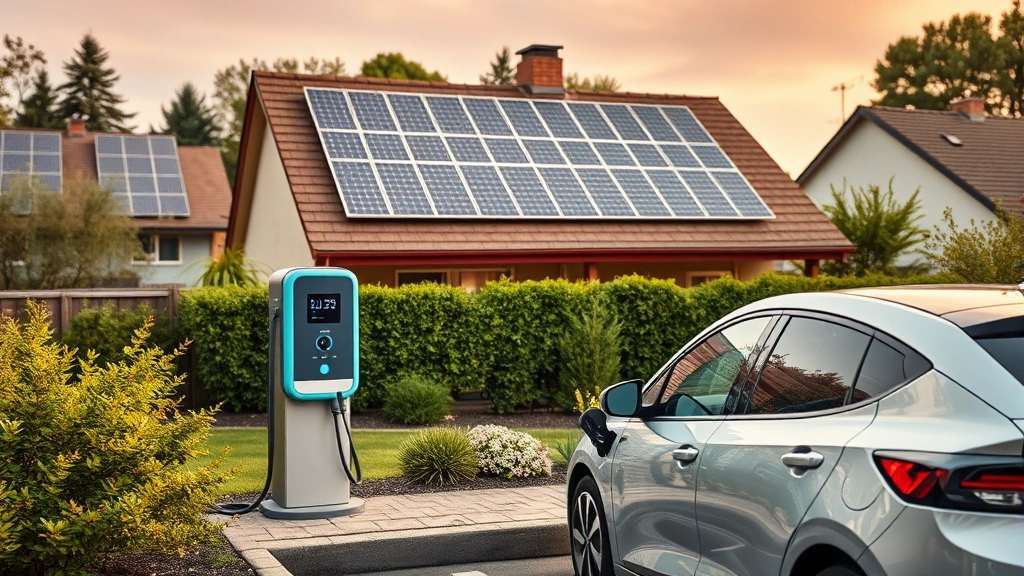
Exploring sustainable energy solutions reveals that home charging with rooftop solar panels represents the pinnacle of EV sustainability, offering truly zero-emission driving when combined with battery storage systems. This integration represents the future of personal transportation sustainability.
Lifecycle Emissions Analysis
Comprehensive lifecycle assessment (LCA) studies provide the most accurate picture of EV sustainability by analyzing environmental impact from raw material extraction through vehicle disposal. According to research from the International Council on Clean Transportation (ICCT), electric vehicles produce 50-70% fewer lifecycle emissions than gasoline vehicles in most regions, even when accounting for manufacturing impacts.
The lifecycle advantage of EVs increases over time and distance. A typical EV requires approximately 15,000-30,000 miles of driving to offset its higher manufacturing emissions through operational benefits. After this payback period, every additional mile driven represents net environmental savings compared to traditional vehicles.
Manufacturing accounts for approximately 40% of an EV’s total lifecycle emissions, while operational emissions constitute 60%. This ratio differs significantly from gasoline vehicles, where operational emissions dominate. This structural difference means that improving electricity grids automatically improves EV sustainability without requiring vehicle upgrades.
Long-term studies demonstrate that over a 200,000-mile lifespan, electric vehicles produce approximately 50 tons of CO2 equivalent, compared to 80-100 tons for gasoline vehicles powered by conventional engines. These figures assume average grid electricity and standard driving patterns.
Charging Infrastructure Development
Robust charging infrastructure is essential for EV sustainability because it enables widespread adoption and reduces range anxiety that might otherwise push consumers toward inefficient driving patterns or backup fossil fuel vehicles. The development of public charging networks, workplace charging, and home installation represents a critical sustainability investment.
Fast-charging stations have become increasingly prevalent, with networks expanding rapidly across urban and highway corridors. However, charging infrastructure sustainability depends on the electricity sources powering these stations. Stations powered by renewable energy maximize environmental benefits, while those relying on fossil fuels partially undermine EV advantages.
Home charging remains the most convenient and efficient option for most EV owners, as it enables overnight charging during off-peak hours when electricity is often generated from renewable sources and grid demand is lower. Installing Level 2 chargers (240V) at home provides optimal sustainability and convenience.
Understanding definition of sustainability in transportation context includes considering infrastructure accessibility. Equitable charging access across all communities—not just affluent neighborhoods—represents an important sustainability dimension that ensures environmental benefits reach diverse populations.
Recycling and End-of-Life Considerations
Battery recycling represents an emerging frontier in EV sustainability, with significant potential to reduce raw material extraction requirements and environmental impacts. Modern recycling facilities can recover 90-95% of battery materials, including lithium, cobalt, nickel, and manganese, enabling closed-loop manufacturing cycles.
Second-life applications extend battery utility beyond vehicle use. EV batteries still retaining 70-80% capacity can power stationary energy storage systems for homes and businesses, providing grid stabilization services while deferring recycling for 10-15 additional years. This extended lifecycle dramatically improves the sustainability profile of battery production investments.
Regulatory frameworks like the EU Battery Regulation and emerging U.S. battery recycling standards incentivize manufacturers to design vehicles for disassembly and material recovery. These policies ensure that end-of-life vehicles contribute to circular economy objectives rather than becoming waste streams.
The recycling infrastructure is still developing, but projections indicate that recycled battery materials will supply 25-30% of lithium, cobalt, and nickel demand by 2035, significantly reducing mining pressures and associated environmental impacts.
Comparing EVs to Traditional Vehicles
Direct comparison between electric and gasoline vehicles reveals substantial sustainability advantages for EVs across most metrics. Gasoline vehicles produce emissions not only during operation but also through fuel extraction, refining, and transportation. These upstream emissions often exceed 20% of total lifecycle emissions.
Particulate matter and nitrogen oxide emissions from gasoline engines cause significant air quality degradation and public health impacts, particularly in urban areas where vehicle density is highest. Electric vehicles eliminate these local pollutants entirely, providing immediate community health benefits alongside climate advantages.
Exploring how to reduce your environmental footprint through transportation choices demonstrates that EV adoption represents one of the highest-impact personal sustainability decisions available. A single EV can offset 4-6 tons of CO2 annually compared to average gasoline vehicles.
However, sustainability context matters. For individuals with short commutes who could alternatively use public transportation, cycling, or walking, those options might represent even greater sustainability advantages. For those requiring personal vehicles, EVs represent the most sustainable choice.
Hybrid vehicles offer intermediate sustainability benefits, producing 30-40% fewer emissions than conventional gasoline vehicles while avoiding some EV manufacturing drawbacks. However, they don’t match full EV sustainability potential and perpetuate dependence on fossil fuel extraction.
Future Sustainability Improvements
The sustainability trajectory for electric vehicles points decidedly upward. Technological innovations currently in development promise significant improvements in battery efficiency, charging speed, material requirements, and manufacturing processes.
Solid-state batteries, expected to reach commercial availability within 5-10 years, offer 50% higher energy density than current lithium-ion technology, reducing material requirements while improving performance. These batteries also improve safety and enable faster charging, addressing key consumer concerns.
Manufacturing innovations including dry electrode coating and water-based processing reduce production energy consumption and chemical waste. Industry investments in these technologies position battery manufacturing as increasingly sustainable.
Discovering green technology innovations transforming our future reveals that autonomous electric vehicles could further improve sustainability through optimized driving patterns, reduced congestion, and improved energy efficiency. However, these benefits depend on responsible deployment prioritizing sustainability over profit maximization.
Grid decarbonization represents perhaps the most impactful sustainability improvement on the horizon. As electricity generation transitions to 100% renewable sources, every EV on the road automatically achieves zero operational emissions without requiring any vehicle modifications.
Policy support remains critical for realizing EV sustainability potential. Government investments in charging infrastructure, battery manufacturing, recycling facilities, and grid modernization accelerate the transition toward sustainable transportation systems.
Returning to the initial question: are electric cars sustainable? The answer is definitively yes—and increasingly so. While manufacturing challenges and grid composition matter, lifecycle analyses consistently demonstrate substantial sustainability advantages compared to fossil fuel vehicles. Moreover, these advantages continue improving as technology advances and electricity grids decarbonize.
For consumers considering EV purchase, sustainability benefits are real and significant. Charging with renewable energy maximizes environmental advantages, but even grid-charged EVs typically produce 50% fewer lifecycle emissions than conventional vehicles. Combined with health benefits from eliminating local air pollution and supporting climate stabilization, electric vehicles represent the most sustainable personal transportation choice available today.
FAQ
How long does it take for an EV to offset its manufacturing emissions?
Most electric vehicles offset their higher manufacturing emissions through operational benefits within 15,000-30,000 miles of driving. This payback period varies based on regional electricity grid composition, vehicle efficiency, and driving patterns. In regions with cleaner electricity grids, payback occurs faster. After this initial period, every additional mile represents net environmental savings compared to gasoline vehicles.
Are EV batteries recyclable?
Yes, modern EV batteries are highly recyclable, with facilities recovering 90-95% of materials including lithium, cobalt, nickel, and manganese. Beyond recycling, second-life applications allow batteries to power home and grid energy storage for 10-15 additional years before recycling becomes necessary. This extended utility significantly improves the sustainability profile of battery production.
Do electric cars produce zero emissions?
Electric vehicles produce zero direct emissions during operation. However, lifecycle emissions include manufacturing, electricity generation, and recycling impacts. Even when charged from current grid electricity, EVs typically produce 50-70% fewer total lifecycle emissions than gasoline vehicles. As electricity grids transition to renewable sources, lifecycle emissions approach zero.
Is it more sustainable to buy a used EV or a new gasoline car?
Purchasing a used EV is substantially more sustainable than buying a new gasoline vehicle. The manufacturing emissions of the EV have already been incurred, and you immediately begin benefiting from lower operational emissions. A used EV offers better sustainability than a new gasoline car from the moment of purchase.
How does EV sustainability compare across different regions?
EV sustainability varies significantly based on regional electricity grid composition. In regions with renewable-heavy grids (California, New York, Scandinavia), EVs achieve 70-80% lower lifecycle emissions than gasoline vehicles. In coal-dependent regions, benefits are more modest but still substantial at 40-50% reductions. As grids decarbonize, all EVs automatically become more sustainable.
What makes battery production unsustainable?
Battery production involves extracting raw materials like lithium, cobalt, and nickel, which requires significant energy and can impact local ecosystems. However, recent technological improvements have reduced production emissions by 50% over the past decade. Recycling and second-life applications further improve sustainability by reducing future mining requirements.


