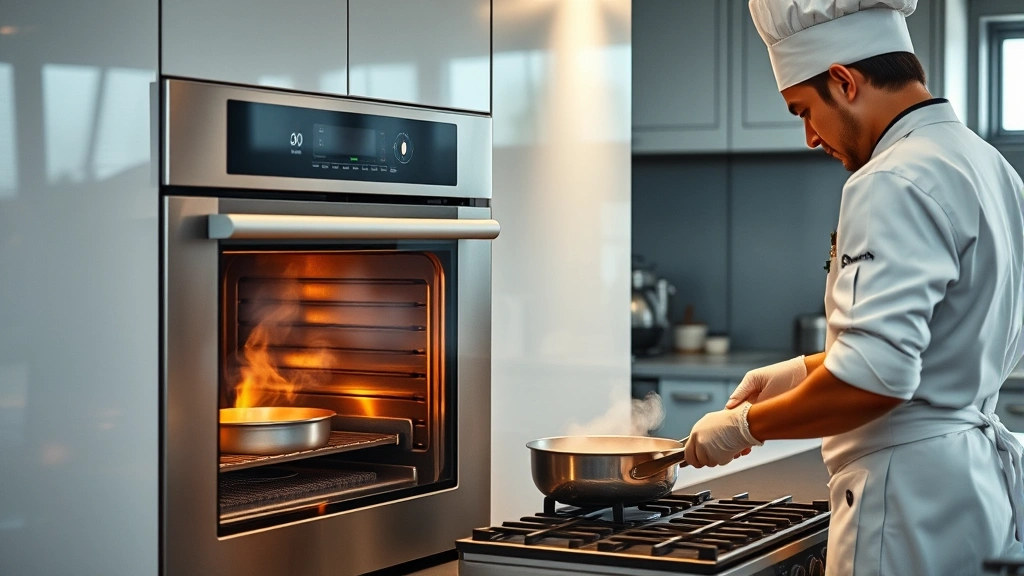
Gas Wall Oven Efficiency: Top Chef Insights for Modern Kitchens
Gas wall ovens have long been the preferred choice for professional chefs and serious home cooks, offering superior heat control and responsive cooking performance. However, understanding their efficiency metrics and environmental impact is crucial for making informed decisions about kitchen appliances. Modern gas wall ovens combine culinary excellence with improved energy efficiency, making them a viable option for sustainability-conscious households seeking to balance performance with environmental responsibility.
This comprehensive guide explores gas wall oven efficiency from both professional and ecological perspectives. We’ll examine how these appliances work, their energy consumption patterns, and practical strategies to maximize their performance while minimizing your household’s carbon footprint. Whether you’re renovating your kitchen or simply looking to optimize your current setup, understanding gas wall oven efficiency will help you make choices that align with your cooking needs and environmental values.
Understanding Gas Wall Oven Efficiency Ratings
Gas wall oven efficiency is measured through several standardized metrics that help consumers understand energy consumption and performance capabilities. The primary measurement is thermal efficiency, which indicates what percentage of fuel energy actually heats the cooking chamber versus escaping as waste heat. Modern gas wall ovens typically achieve thermal efficiency ratings between 60-75%, compared to electric ovens which reach 70-85% efficiency ratings.
The U.S. Department of Energy establishes efficiency standards for cooking appliances, though gas wall ovens currently have less stringent requirements than other major appliances. When evaluating a gas tank system for your home, understanding how your wall oven contributes to overall natural gas consumption helps you assess your household’s energy profile. Energy Guide labels provide estimated annual operating costs, allowing direct comparison between models from different manufacturers.
Several factors influence efficiency ratings: insulation quality, burner design, ignition systems, and heat distribution mechanisms all play crucial roles. Premium models featuring dual-fuel capabilities, convection functions, and advanced temperature controls often demonstrate superior efficiency performance. The ENERGY STAR certification program, while not currently mandatory for gas ovens, identifies models that exceed standard efficiency benchmarks by at least 10-15%.
Understanding the difference between nominal efficiency and real-world efficiency is essential for accurate assessment. Laboratory testing conditions often differ from typical home cooking scenarios, so actual efficiency may vary based on usage patterns, maintenance frequency, and installation quality. Professional chefs often prioritize responsiveness and heat precision over raw efficiency metrics, as these factors directly impact culinary outcomes.
How Professional Chefs Optimize Performance
Top culinary professionals have developed numerous techniques to maximize gas wall oven performance and consistency. The most critical practice involves proper preheating, which typically requires 15-20 minutes for most models. During this period, the oven stabilizes at target temperature, allowing thermal mass to distribute heat evenly throughout the cooking chamber. Skipping or shortening the preheat cycle compromises both efficiency and cooking quality.
Professional chefs emphasize the importance of understanding your specific oven’s hot spots and temperature variations. Most ovens have uneven heat distribution, with certain areas running hotter than others. Mapping these patterns through careful observation allows cooks to position dishes strategically, reducing cooking time and energy waste. Rotating dishes midway through cooking also promotes even results while optimizing heat utilization.
Batch cooking represents another efficiency strategy employed by professional kitchens. Rather than running the oven multiple times for different dishes, chefs coordinate recipes to cook simultaneously at compatible temperatures. This approach maximizes oven utilization and significantly reduces overall energy consumption. Home cooks can adopt similar strategies for meal preparation and entertaining scenarios.
Ventilation management directly impacts efficiency performance. Excessive ventilation removes heated air from the kitchen, forcing the oven to work harder to maintain target temperatures. Professional installations typically feature damper systems that control air exchange rates, balancing safety requirements with energy conservation. When considering natural gas furnace and cooking appliance combinations, comprehensive ventilation planning becomes essential.
Temperature discipline separates professional from casual cooking approaches. Rather than opening the oven door frequently to check progress, experienced chefs rely on visual cues through the window, timer management, and experience-based timing estimates. Each door opening reduces internal temperature by 25-50 degrees, requiring significant additional energy to recover. Modern ovens with interior lighting and window designs support this practice by enabling visibility without door opening.
Energy Consumption and Environmental Impact
Gas wall ovens contribute meaningfully to household natural gas consumption, typically accounting for 3-5% of total residential gas usage depending on cooking frequency and habits. A standard 30-inch gas wall oven consumes approximately 20,000-25,000 BTU per hour during operation, though actual consumption varies based on temperature settings and cooking duration. Understanding this consumption helps contextualize environmental impact within broader household energy strategies.
The environmental considerations surrounding gas cooking extend beyond direct energy consumption. Natural gas production, distribution, and combustion generate greenhouse gas emissions at multiple points in the supply chain. Methane leakage during extraction and transportation represents a significant environmental concern, as methane’s global warming potential exceeds carbon dioxide by 28-36 times over a 100-year period. Choosing highly efficient models and optimizing usage patterns reduces your contribution to these emissions.
Transitioning toward sustainable energy solutions for residential cooking involves evaluating long-term environmental commitments. While electric induction cooktops offer superior efficiency when powered by renewable electricity, gas ovens remain practical for many households, particularly those valuing precise temperature control and responsive heat. The most sustainable approach often involves optimizing current equipment before replacement cycles.
Indoor air quality represents an important environmental health consideration. Gas combustion produces nitrogen dioxide and other pollutants that can accumulate in poorly ventilated kitchens. EPA indoor air quality guidelines recommend proper ventilation for gas cooking appliances to protect household health. This ventilation requirement must be balanced against energy efficiency goals through intelligent system design.
Lifecycle assessment of gas wall ovens reveals that manufacturing and transportation impacts are relatively minor compared to operational emissions. A typical gas oven operates for 15-20 years, during which fuel consumption dominates environmental impact calculations. This reality emphasizes the importance of selecting durable, efficient models and maintaining them properly to maximize operational lifespan.
Comparing Gas vs Electric Wall Ovens
The gas versus electric oven debate involves multiple dimensions beyond simple efficiency ratings. Gas ovens provide superior heat responsiveness, enabling rapid temperature adjustments and precise control during cooking. This responsiveness particularly benefits bread baking, roasting, and other applications requiring specific thermal environments. Electric ovens, conversely, offer more even heat distribution and greater temperature consistency, advantages for baking applications.
Efficiency comparisons become more complex when considering electricity source and generation methods. If your regional power grid relies heavily on renewable energy, electric ovens become environmentally superior despite lower thermal efficiency ratings. Conversely, in areas dependent on fossil fuel power plants, the overall environmental advantage narrows considerably. Understanding your local electricity grid composition provides crucial context for this comparison.
Operating costs differ significantly based on local energy pricing. Natural gas typically costs less per BTU than electricity in most North American markets, making gas ovens cheaper to operate despite lower thermal efficiency. However, this price advantage may narrow as renewable energy adoption increases and natural gas prices rise. Long-term cost projections should incorporate anticipated energy price changes and efficiency improvements.
Installation requirements and kitchen layout constraints often determine practical choices. Gas ovens require dedicated gas line connections and specific ventilation systems, while electric ovens need adequate electrical service capacity. Existing kitchen infrastructure frequently influences purchasing decisions more than efficiency metrics. Retrofitting gas lines or upgrading electrical service involves substantial costs that may outweigh efficiency benefits.
Hybrid approaches deserve consideration for homeowners seeking optimal balance. Dual-fuel ranges combining gas cooktops with electric ovens leverage advantages of both technologies. This configuration provides responsive stovetop cooking while maintaining electric oven consistency benefits. For wall oven applications, separate cooktop and oven selections allow customized combinations matching your specific cooking style and kitchen infrastructure.
Installation and Ventilation Considerations
Proper installation fundamentally determines gas wall oven efficiency and safety performance. Professional installation by certified technicians ensures correct gas line sizing, pressure regulation, and safety compliance. Undersized gas lines restrict fuel flow, reducing burner output and heating capacity. Oversized lines can cause pressure instability and temperature fluctuations. Certified installers calculate precise requirements based on total household gas demand and utility specifications.
Ventilation system design significantly impacts both efficiency and performance. Range hoods and ventilation systems must remove combustion byproducts and cooking odors while maintaining adequate makeup air to prevent negative pressure. Inadequate ventilation forces the oven to work harder, reducing efficiency while potentially creating indoor air quality issues. Modern ventilation designs incorporate dampers and variable-speed fans that balance removal requirements with energy conservation.
Clearance requirements around wall ovens ensure proper air circulation and heat dissipation. Manufacturers specify minimum distances from combustible materials, cabinetry, and other appliances. Inadequate clearances trap heat around the oven exterior, reducing efficiency and creating safety hazards. Professional installers verify compliance with building codes and manufacturer specifications before final commissioning.
Gas line materials and connections require attention to efficiency and safety. Modern installations use black iron pipe or corrugated stainless steel tubing, properly secured and tested for leaks. Poorly sealed connections allow gas leakage, reducing efficiency while creating safety and environmental concerns. Annual inspections by qualified technicians identify potential issues before they impact performance.
When evaluating your complete home’s how to reduce your environmental footprint through appliance choices, installation quality becomes a critical factor. Proper installation maximizes efficiency potential, extends equipment lifespan, and ensures safe operation. Cutting corners during installation often results in efficiency penalties that exceed any initial cost savings over the appliance’s 15-20 year operational life.
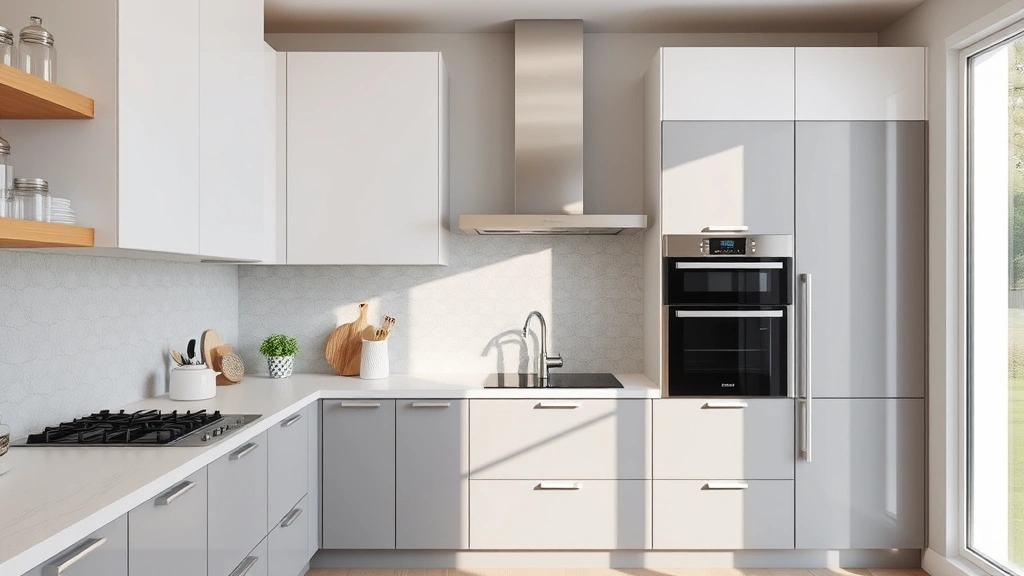
Maintenance Tips for Peak Efficiency
Regular maintenance preserves gas wall oven efficiency and prevents performance degradation. The most important maintenance task involves cleaning burner ports and ignition systems. Mineral deposits and food debris accumulate over time, obstructing gas flow and creating uneven flame patterns. Gentle cleaning with appropriate tools restores proper burner function without damaging delicate components.
Oven window and door seals require periodic inspection and replacement. Deteriorated seals allow heated air to escape, forcing the oven to work harder to maintain temperature. Most manufacturers provide replacement seal kits designed for specific models. Annual seal inspection, particularly for ovens in heavy-use environments, prevents efficiency losses before they become significant.
Temperature calibration should be verified annually using independent thermometers. Over time, temperature sensors and control systems drift, causing ovens to operate at inaccurate settings. Recalibration or sensor replacement restores accuracy, preventing unnecessary energy consumption from extended cooking times. Many professional kitchens maintain detailed temperature logs documenting calibration history.
Insulation integrity directly impacts efficiency performance. Check door seals and surrounding cabinet insulation for gaps or deterioration. Damaged insulation allows heat loss that increases energy consumption. Some manufacturers offer insulation retrofit kits for older models, extending their efficiency potential while avoiding replacement costs.
Gas line inspection should occur annually or whenever you notice unusual odors or performance changes. Professional technicians use specialized equipment to detect microscopic leaks impossible to identify through visual inspection. Early detection prevents efficiency losses and safety hazards. Many utility companies offer free or subsidized gas line inspection services to residential customers.
Cleaning the oven interior periodically maintains optimal heat distribution and prevents efficiency losses. Accumulated grease and food residue absorb heat that would otherwise cook food, increasing cooking time and energy consumption. Self-cleaning cycles, while energy-intensive short-term, can improve long-term efficiency by removing heavy buildup. Chemical cleaners offer alternatives for ovens without self-cleaning features.
Cost-Benefit Analysis for Homeowners
Evaluating gas wall oven efficiency requires comprehensive cost-benefit analysis extending beyond purchase price. Premium efficiency models typically cost $500-1,500 more than baseline options, a difference that influences purchase decisions significantly. However, operating cost savings from improved efficiency accumulate over 15-20 year operational lifespans, potentially offsetting initial premiums.
Annual operating costs for gas wall ovens vary based on usage frequency, local gas rates, and model efficiency. Average households spending $150-300 annually on oven operation might save $20-50 yearly through efficiency improvements, equating to $300-1,000 over the appliance’s lifetime. These savings, while meaningful, must be weighed against higher initial costs and personal cooking requirements.
Replacement timing strategies influence overall cost-benefit outcomes. Replacing functioning ovens solely for efficiency improvements rarely achieves attractive financial returns. However, upgrading during planned renovations or when current equipment fails makes efficiency improvements more cost-effective. Strategic timing aligns efficiency investments with necessary capital expenditures.
Tax incentives and rebate programs occasionally support efficient appliance purchases. Federal tax credits have periodically applied to ENERGY STAR certified cooking appliances, though current programs focus primarily on heating and cooling systems. Check with local utilities and government agencies regarding available incentives in your area. These programs can substantially improve cost-benefit calculations for efficiency upgrades.
Resale value considerations provide additional cost-benefit dimensions. Homes with modern, efficient kitchens featuring high-quality appliances command premium prices in competitive real estate markets. Upgrading to premium gas wall ovens can contribute to overall kitchen appeal and property value, offsetting some efficiency investment costs through improved sale prices or faster sales.
Environmental cost-benefit analysis assigns monetary value to carbon emissions reductions, though methodologies vary widely. Using standard carbon pricing estimates of $50-150 per metric ton of CO2, efficiency improvements reducing annual emissions by 0.5-1 metric tons generate $25-150 in annual environmental benefits. Over 20 years, these benefits accumulate to $500-3,000, potentially justifying premium efficiency investments from environmental perspectives.
Frequently Asked Questions
What efficiency rating should I look for when purchasing a gas wall oven?
Target models achieving 70%+ thermal efficiency ratings, ideally with ENERGY STAR certification or manufacturer efficiency documentation. Compare Energy Guide labels across models in your price range to identify best performers. Consider your specific cooking needs alongside efficiency metrics, as the most efficient model may not suit your culinary style.
How much can I save annually by upgrading to a high-efficiency gas wall oven?
Typical savings range from $20-50 annually depending on usage frequency and local gas rates. These modest annual savings accumulate to $300-1,000 over 15-20 year equipment lifespans. Combined with potential tax incentives and resale value improvements, efficiency upgrades become more financially attractive.
Does convection functionality improve gas oven efficiency?
Convection fans improve heat distribution and cooking speed, potentially reducing overall cooking time and energy consumption. However, fans themselves consume electricity, partially offsetting efficiency gains. For specific cooking applications, convection provides significant advantages, though efficiency improvements depend on usage patterns and cooking techniques.
Should I choose gas or electric ovens for environmental reasons?
This decision depends primarily on your regional electricity grid composition. Areas with high renewable energy penetration favor electric ovens, while regions dependent on fossil fuel power plants show minimal environmental advantage for electricity. Consider your complete household energy profile rather than isolated appliance comparisons.
How often should I have my gas wall oven professionally serviced?
Annual professional servicing optimizes efficiency and identifies potential issues before they impact performance. Between professional visits, perform monthly burner cleaning and quarterly seal inspections. Heavy-use environments may warrant semi-annual professional servicing to maintain peak efficiency.
Can I improve my current gas oven’s efficiency without replacement?
Yes, several strategies enhance existing oven efficiency: maintain proper seal integrity, clean burners regularly, verify temperature calibration, optimize cooking techniques, and ensure adequate ventilation. These maintenance and operational improvements often cost under $200 while delivering meaningful efficiency gains.
What role does ventilation play in gas oven efficiency?
Proper ventilation removes combustion byproducts and maintains indoor air quality but must be balanced against efficiency. Excessive ventilation removes heated air, forcing the oven to work harder. Modern damper systems and variable-speed fans optimize this balance by removing necessary air while minimizing energy waste.
Are dual-fuel ranges more efficient than dedicated gas wall ovens?
Dual-fuel ranges combine gas cooktops with electric ovens, leveraging advantages of both technologies. Overall efficiency depends on specific model designs and usage patterns. They offer cooking flexibility but may cost more than dedicated gas ovens, requiring careful cost-benefit analysis for your situation.


