Are Gas Stoves Eco-Friendly? Expert Insights on GE Gas Kitchen Stoves
The question of whether gas stoves, including popular models like GE gas kitchen stoves, are truly eco-friendly has become increasingly important as homeowners seek to reduce their environmental footprint. While gas cooking has long been favored by chefs and home cooks for its precise temperature control and immediate heat response, the environmental implications tell a more complex story. Understanding the sustainability credentials of gas stoves requires examining their energy efficiency, emissions output, and comparison with alternative cooking technologies.
GE, a leading appliance manufacturer, has invested in developing gas stove models that aim to balance cooking performance with environmental responsibility. However, the broader question remains: can fossil fuel-powered cooking appliances truly align with eco-conscious living? This comprehensive guide explores the environmental impact of gas stoves, examines what makes them more or less sustainable, and provides expert insights into whether they deserve a place in your sustainable kitchen.
Environmental Impact of Gas Stoves
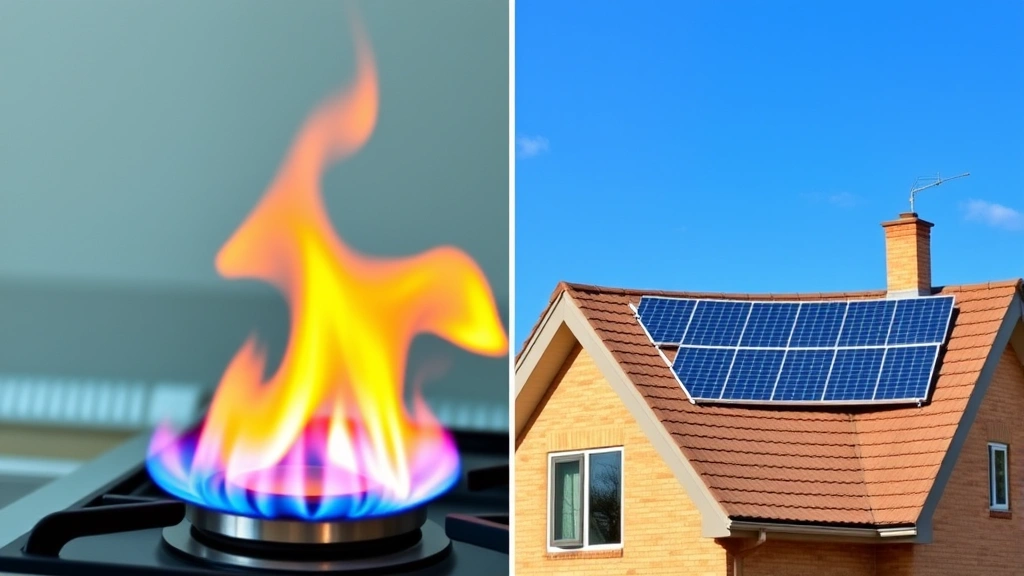
Gas stoves operate by burning natural gas to produce heat for cooking. This fundamental process creates several environmental considerations that sustainability-minded consumers should understand. Natural gas, while often marketed as a “cleaner” fossil fuel compared to coal or oil, is still a non-renewable resource extracted from the earth through drilling and fracking operations. The extraction process itself carries environmental risks, including methane leakage, water contamination, and habitat disruption.
When natural gas burns in your kitchen stove, it releases carbon dioxide (CO2), a primary greenhouse gas contributing to climate change. According to research from environmental organizations, the average household gas stove produces approximately 1-2 tons of CO2 annually, depending on usage frequency. Additionally, natural gas combustion releases other pollutants including nitrogen oxides and particulate matter, which can affect both outdoor air quality and indoor air quality within your home.
The complete lifecycle of gas stove use includes extraction, processing, transportation, and combustion. Each stage carries environmental costs. Methane, the primary component of natural gas, is approximately 28-34 times more potent as a greenhouse gas than CO2 over a 100-year period. Even small leaks during extraction, processing, and delivery contribute significantly to atmospheric methane levels. Exploring sustainable energy solutions can help you understand alternative cooking methods that minimize these impacts.
The infrastructure supporting natural gas delivery also presents environmental challenges. Natural gas pipelines require extensive construction, maintenance, and replacement, consuming resources and potentially disrupting ecosystems. For consumers considering whether GE gas kitchen stoves align with their environmental values, understanding these upstream impacts is crucial to making an informed decision.

GE Gas Kitchen Stoves and Efficiency Standards
GE manufactures a range of gas kitchen stoves designed to meet modern efficiency standards and consumer preferences. The company has responded to environmental concerns by incorporating features intended to improve energy efficiency and reduce waste. However, it’s important to understand what “efficient” means in the context of gas stoves and how it compares to other cooking technologies.
Gas stoves are inherently more efficient at transferring heat to cookware than traditional electric coil stoves, with approximately 70-80% of the energy reaching the food. This efficiency advantage has made gas cooking popular among culinary professionals. GE’s premium gas models often include features such as precise burner controls, even heat distribution, and improved combustion technology designed to maximize fuel usage and minimize waste.
However, efficiency ratings for gas stoves don’t account for the carbon intensity of the fuel source itself. A highly efficient gas stove still relies on fossil fuel combustion, whereas sustainable energy alternatives powered by renewable electricity offer fundamentally lower environmental impact. When evaluating GE gas kitchen stoves, consumers should consider both operational efficiency and the broader environmental footprint of natural gas as an energy source.
GE has also worked to comply with regulatory standards for gas appliance safety and emissions. In the United States, gas stoves must meet standards set by the American National Standards Institute (ANSI) and the U.S. Department of Energy. These standards primarily focus on safety and basic efficiency rather than comprehensive environmental impact, leaving room for more sustainable alternatives.
The manufacturing process for GE gas stoves also carries environmental weight. Steel production, component manufacturing, and assembly all consume energy and resources. Choosing a durable, long-lasting gas stove rather than frequently replacing lower-quality models can reduce the overall environmental impact associated with manufacturing and waste.
Emissions and Indoor Air Quality Concerns
Beyond climate considerations, gas stoves present significant indoor air quality concerns that affect both environmental sustainability and household health. When natural gas burns, it releases several pollutants directly into your kitchen and home, including nitrogen dioxide (NO2), carbon monoxide (CO), and formaldehyde. These emissions are not merely environmental concerns—they directly impact the health of household occupants.
Recent research from the U.S. Environmental Protection Agency has highlighted the indoor air quality risks associated with gas cooking appliances. Studies show that homes with gas stoves can have nitrogen dioxide levels 50-100% higher than homes using electric cooking. For families with children, elderly members, or individuals with respiratory conditions, these elevated pollutant levels pose genuine health risks.
Unvented gas stoves present even greater concerns, as they release all combustion byproducts directly into living spaces. Even properly vented gas stoves can allow some pollutants to escape into the home, particularly when ventilation systems are inadequate or when cooking without the exhaust fan running. This creates a sustainability paradox: while gas stoves may be efficient at cooking, they externalize environmental and health costs onto households and communities.
The American Academy of Pediatrics has recommended that families avoid unvented gas appliances in homes with children, citing health risks. This position reflects growing scientific consensus that gas stove emissions present real dangers. From an environmental justice perspective, lower-income households that cannot afford advanced ventilation systems or kitchen upgrades bear disproportionate health burdens from gas stove emissions.
Understanding these indoor air quality implications is essential when considering whether GE gas kitchen stoves align with your definition of sustainability. True sustainability must account for human health and environmental justice, not merely operational efficiency.
Comparing Gas to Electric and Induction Cooking
To properly evaluate whether gas stoves are eco-friendly, direct comparison with electric and induction cooking technologies is essential. Each cooking method carries distinct environmental advantages and disadvantages that vary based on your regional electricity grid composition and usage patterns.
Electric Coil and Smooth-Top Stoves: Traditional electric stoves are less efficient than gas stoves at transferring heat to cookware, typically achieving 65-75% efficiency. However, their environmental impact depends entirely on how electricity is generated in your region. In areas with renewable energy sources like wind, solar, or hydroelectric power, electric stoves become significantly more sustainable than gas alternatives. Even in regions relying on natural gas power plants, the efficiency of centralized generation often results in lower overall emissions compared to direct gas combustion in homes.
Induction Cooking: Induction stoves represent the most efficient cooking technology available, achieving 80-90% efficiency by using electromagnetic energy to directly heat compatible cookware. Induction cooking produces no direct emissions and offers superior safety features. Like electric stoves, the environmental benefit of induction cooking depends on regional electricity generation. In renewable-heavy grids, induction cooking is substantially more sustainable than gas. Even in conventional grids, the superior efficiency and zero direct emissions make induction cooking environmentally preferable to gas cooking.
The comparison becomes more nuanced when examining lifecycle emissions. GE gas kitchen stoves require only electricity for ignition and controls—minimal energy compared to cooking. Electric and induction stoves require substantial electricity for heating. However, modern electricity grids are increasingly powered by renewable sources. According to the EPA, the U.S. electricity grid now includes over 20% renewable energy, a percentage that continues growing annually.
For environmentally conscious consumers, understanding your regional natural gas versus propane infrastructure and electricity generation sources is crucial. If your region generates significant renewable electricity, switching from gas to electric or induction cooking could reduce your cooking-related emissions by 40-60%. Conversely, in regions with coal-heavy grids, the comparison is more balanced, though gas still carries significant upstream methane leakage concerns.
Making Your Kitchen More Sustainable
Whether you currently use GE gas kitchen stoves or are considering your options, numerous strategies can increase your kitchen’s overall sustainability. These practical approaches address both cooking technology and usage patterns that influence environmental impact.
Optimize Current Gas Stove Usage: If you’re committed to keeping your gas stove, several practices reduce environmental impact. Use lids on pots and pans to reduce cooking time and energy consumption. Match burner size to cookware size to minimize wasted heat. Maintain your stove properly, ensuring burners ignite completely and efficiently. Use your exhaust fan during and briefly after cooking to manage indoor air quality, but avoid excessive ventilation that wastes heated air during winter months.
Transition Planning: If replacing your current stove, strongly consider electric or induction alternatives. Modern electric and induction stoves offer superior cooking performance compared to older models, with rapid heating, precise temperature control, and excellent heat distribution. As you explore green technology innovations, you’ll discover that cooking technology has advanced significantly beyond the limitations of outdated electric stoves.
Supporting Infrastructure: If transitioning to electric cooking, ensure your home’s electrical system can support the required capacity. Modern induction stoves require dedicated circuits but operate efficiently and safely. Upgrading electrical infrastructure represents an upfront investment but provides long-term environmental and practical benefits.
Renewable Energy Integration: Maximize the environmental benefits of electric or induction cooking by pairing them with renewable energy sources. Installing rooftop solar panels, subscribing to community solar programs, or choosing renewable energy options from your utility provider transforms electric cooking into a genuinely sustainable practice.
Complementary Practices: Beyond stove selection, kitchen sustainability encompasses food sourcing, meal planning, and waste reduction. Sourcing local, seasonal produce reduces transportation emissions. Planning meals reduces food waste. Composting organic waste closes nutrient cycles. These practices work synergistically with sustainable cooking technology choices to create a genuinely sustainable kitchen.
The Future of Sustainable Cooking Technology
The cooking appliance industry is undergoing significant transformation as manufacturers respond to climate concerns and consumer demand for sustainable options. Understanding emerging technologies helps contextualize current decisions about gas stoves and future kitchen planning.
Induction cooking technology continues advancing, with improvements in efficiency, speed, and user experience. Manufacturers are developing hybrid induction-convection systems that combine electromagnetic cooking with advanced convection ovens, offering professional-grade performance with superior sustainability. These innovations make the case for transitioning away from gas increasingly compelling.
Smart cooking technology integration represents another frontier. Connected stoves that optimize energy usage based on cooking patterns, ambient conditions, and renewable energy availability are under development. These systems could coordinate cooking with peak renewable energy generation, further improving sustainability metrics for electric and induction cooking.
The gas appliance industry is also responding with incremental improvements. Some manufacturers are developing hybrid systems combining gas burners with induction cooktops, attempting to capture benefits of both technologies. However, these solutions still rely on fossil fuel combustion and don’t fundamentally address the environmental concerns of natural gas.
Policy trends increasingly favor transitioning away from gas appliances. Several cities and regions have implemented or proposed regulations restricting natural gas in new construction, citing climate and health concerns. California has adopted building standards allowing all-electric homes. These policy shifts reflect growing recognition that gas appliances, including GE gas kitchen stoves, represent an outdated technology incompatible with climate goals.
The International Energy Agency has emphasized that meeting global climate targets requires rapid electrification of heating and cooking applications. This perspective aligns with the scientific consensus that natural gas, despite being less carbon-intensive than coal or oil, cannot play a significant role in a sustainable energy future.
Understanding the definition of sustainability helps contextualize these technological shifts. True sustainability requires meeting present needs without compromising future generations’ ability to meet theirs. From this perspective, reliance on finite fossil fuel resources like natural gas is inherently unsustainable, regardless of operational efficiency improvements.
FAQ
Are GE gas stoves more efficient than electric stoves?
GE gas stoves achieve approximately 70-80% heat transfer efficiency, superior to traditional electric coil stoves at 65-75%. However, induction stoves surpass both at 80-90% efficiency. Efficiency comparison must also account for electricity generation methods—in regions with renewable energy sources, electric and induction cooking become more sustainable than gas despite slightly lower direct efficiency.
Do gas stoves produce harmful indoor air pollutants?
Yes, gas stoves release nitrogen dioxide, carbon monoxide, and formaldehyde during operation. Research shows homes with gas stoves have nitrogen dioxide levels 50-100% higher than electric-cooking homes. Proper ventilation reduces but doesn’t eliminate these risks. The American Academy of Pediatrics recommends avoiding unvented gas appliances in homes with children.
What’s the environmental impact of natural gas extraction?
Natural gas extraction through drilling and fracking carries significant environmental costs including methane leakage, water contamination, and habitat disruption. Methane is 28-34 times more potent as a greenhouse gas than CO2 over 100 years. These upstream impacts make gas cooking less sustainable than electric or induction alternatives powered by renewable electricity.
Is switching from gas to induction cooking worth the investment?
For most households, switching to induction cooking provides substantial long-term benefits including superior efficiency, better indoor air quality, enhanced safety, and lower operating costs. If your region generates significant renewable electricity, the environmental benefits are substantial. Even in conventional grids, induction cooking’s superior efficiency and zero direct emissions make it preferable to gas.
Can I make my current gas stove more sustainable?
While you cannot eliminate the fundamental environmental concerns of natural gas combustion, you can optimize usage through proper maintenance, using lids on cookware, matching burner size to pans, and maintaining ventilation. However, these improvements are incremental compared to transitioning to electric or induction cooking.
What does the EPA say about gas stove emissions?
The EPA recognizes that gas stoves produce indoor air pollutants affecting household air quality. The agency recommends proper ventilation and has supported research documenting health risks associated with gas cooking, particularly for vulnerable populations.


