Grill Ribs Sustainably: Pro Chef Tips for Gas Grilling
Grilling ribs on a gas grill doesn’t have to conflict with your environmental values. In fact, with mindful practices and strategic choices, you can create restaurant-quality ribs while significantly reducing your carbon footprint and supporting sustainable food systems. Whether you’re a seasoned pitmaster or a weekend griller, this comprehensive guide reveals how professional chefs balance culinary excellence with ecological responsibility when preparing this beloved barbecue staple.
Gas grilling offers efficiency advantages over charcoal, but the real sustainability gains come from understanding fuel consumption, sourcing practices, ingredient selection, and waste reduction. By implementing the strategies outlined here, you’ll discover that sustainable grilling isn’t about compromise—it’s about smarter choices that enhance flavor, respect the environment, and contribute to a healthier planet for future generations.
Why Sustainable Grilling Matters
The food we consume represents one of the largest environmental impacts in our daily lives. Meat production, particularly beef and pork, accounts for approximately 14.5% of global greenhouse gas emissions according to FAO research on livestock emissions. However, this doesn’t mean abandoning grilling—it means making intentional decisions about sourcing, preparation, and consumption patterns.
Gas grilling presents a more efficient alternative to charcoal when you consider fuel consumption rates and carbon emissions. A typical gas grill produces approximately 5.6 kg of CO2 per hour of operation, while charcoal grills can emit significantly more depending on fuel quality and efficiency. By optimizing your gas grill usage and adopting sustainable practices, you can reduce this environmental impact while still enjoying perfectly grilled ribs.
Understanding how to reduce your environmental footprint extends beyond the grill itself—it encompasses every decision from farm to plate. This holistic approach ensures that your culinary pursuits align with your values and contribute positively to environmental stewardship.

Choosing Ethically Sourced Ribs
The foundation of sustainable grilling begins with sourcing. The origin, raising practices, and feed systems for your pork significantly impact your meal’s overall sustainability profile. Look for ribs from producers certified by recognized standards such as the Global Animal Partnership, Certified Humane, or Rainforest Alliance programs.
Key sourcing criteria include:
- Pasture-raised systems: Animals raised on pasture or in outdoor environments experience better welfare and often require fewer antibiotics, reducing environmental contamination
- Regenerative agriculture: Seek producers implementing rotational grazing that improves soil health and sequesters carbon
- Local sourcing: Purchasing ribs from regional producers reduces transportation emissions and supports your local economy
- Antibiotic-free certification: Supports both animal welfare and reduces antibiotic resistance in the environment
- Third-party verification: Look for certifications from independent organizations rather than self-regulated claims
Many farmers markets and specialty butchers offer detailed information about their suppliers’ practices. Building relationships with local meat producers allows you to understand exactly how your food was raised and processed. This transparency, combined with support for ethical farming, creates a complete sustainable grilling experience that extends beyond technique.
Consider visiting the USDA Organic certification database to verify claims about organic pork production in your region. Organic standards ensure no synthetic pesticides contaminate animal feed and grazing lands, further reducing environmental impact.
Gas Grill Efficiency and Fuel Optimization
Understanding your gas grill’s mechanics enables you to operate it more efficiently, reducing both fuel consumption and emissions. Modern gas grills vary significantly in design, insulation quality, and burner configuration—factors that directly influence how much propane or natural gas you consume.
Efficiency optimization strategies:
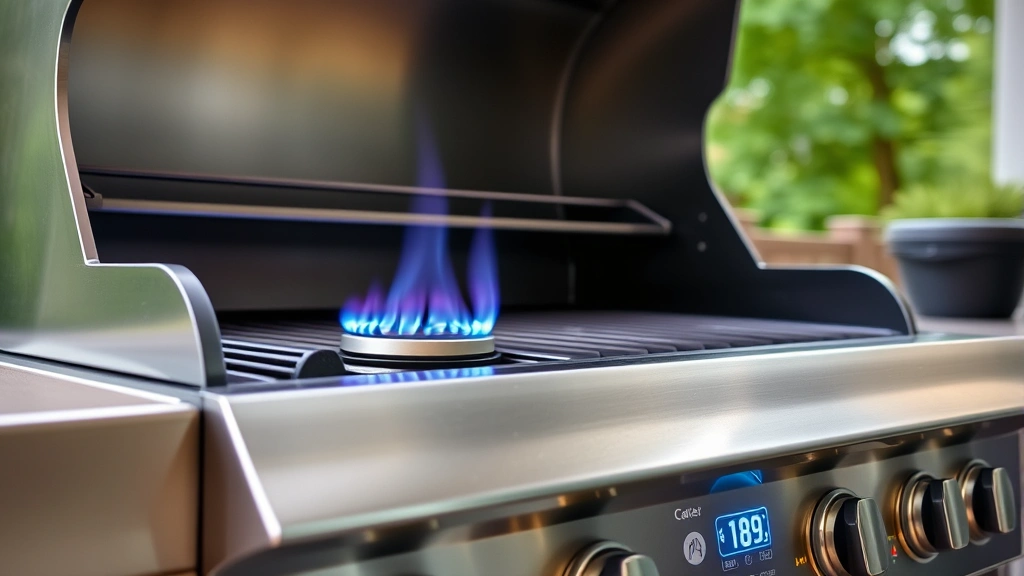
- Preheat strategically: Most gas grills require only 10-15 minutes of preheating, not the 30+ minutes many people use. This simple adjustment can reduce fuel consumption by 20-30% per grilling session
- Use zone heating: Light only the burners you need. For ribs, typically one side of the grill should remain unlit for indirect cooking, reducing overall heat production
- Maintain proper grill condition: Clean grates and burners ensure optimal fuel combustion and heat distribution. Clogged burners waste fuel and create uneven cooking
- Invest in grill covers: Quality covers insulate the grill and reduce heat loss during extended cooking sessions
- Monitor fuel levels: Keep your propane tank filled to at least half capacity to ensure consistent pressure and optimal burner performance
Consider upgrading to a modern gas grill with infrared burners or advanced temperature controls. While initial investment is higher, these systems reduce fuel consumption by 15-25% compared to older models. This aligns with broader sustainable energy solutions principles that emphasize efficiency investments for long-term environmental and financial benefits.
Preparation Techniques for Perfect Results
Professional chefs know that proper rib preparation directly impacts cooking time and fuel consumption. The more efficiently you cook, the less energy you expend and the better your environmental impact. Preparation also influences flavor development, allowing you to achieve restaurant-quality results with minimal fuel waste.
Essential preparation steps:
- Remove the membrane: The thin silver membrane on the bone side prevents seasoning penetration and moisture absorption. Slide a knife under the membrane and peel it away completely
- Trim excess fat strategically: Remove only the thickest fat deposits; a thin fat layer protects meat during cooking and adds flavor
- Pat ribs dry: Moisture on the surface interferes with seasoning adhesion and extends cooking time. Use paper towels or cloth towels (preferred for reduced waste) to thoroughly dry the meat
- Allow room temperature rest: Remove ribs from refrigeration 30-45 minutes before grilling. This promotes even cooking and reduces overall cooking time by 15-20%
- Score the fat cap: Make shallow diagonal cuts through the fat layer to allow seasonings to penetrate and fat to render properly
These preparation techniques represent culinary best practices that simultaneously improve results and reduce energy consumption. The extra 15 minutes of preparation saves 20+ minutes of grilling time, resulting in significant fuel savings across multiple grilling sessions.
Temperature Control and Cooking Methods
Mastering temperature control is essential for sustainable grilling. The low-and-slow method preferred for ribs actually offers environmental advantages when executed properly on a gas grill. Maintaining consistent lower temperatures (225-250°F) requires less fuel than high-heat grilling and produces superior results.
The 3-2-1 method explained:
- First 3 hours: Cook ribs directly over low heat (225-250°F), bone-side down. This phase develops the smoke ring and bark texture while rendering fat efficiently
- Next 2 hours: Wrap ribs in foil with butter, brown sugar, and honey. This steaming phase accelerates cooking and reduces overall fuel consumption
- Final 1 hour: Unwrap and return to direct heat with sauce applied. This phase develops caramelization and final flavor complexity
This method takes approximately 6 hours total but uses significantly less fuel than high-heat cooking methods. The foil wrapping acts as insulation, reducing heat loss and improving fuel efficiency. Professional pitmasters have used this approach for decades precisely because it optimizes both time and resource consumption.
Temperature monitoring is critical for fuel efficiency. Invest in a quality dual-probe thermometer that tracks both grill temperature and internal meat temperature simultaneously. This prevents guessing and temperature fluctuations that waste fuel.
Marinades and Rubs: Sustainable Flavor Building
Creating exceptional flavor through marinades and rubs reduces reliance on fuel-intensive smoking times and high-heat cooking. When seasonings are properly developed before grilling, you achieve deeper flavor profiles with shorter cooking times and lower emissions.
Sustainable flavor-building principles:
- Prioritize locally-sourced spices: While spices are imported globally, supporting local specialty shops that bulk-sell spices reduces packaging waste compared to pre-packaged options
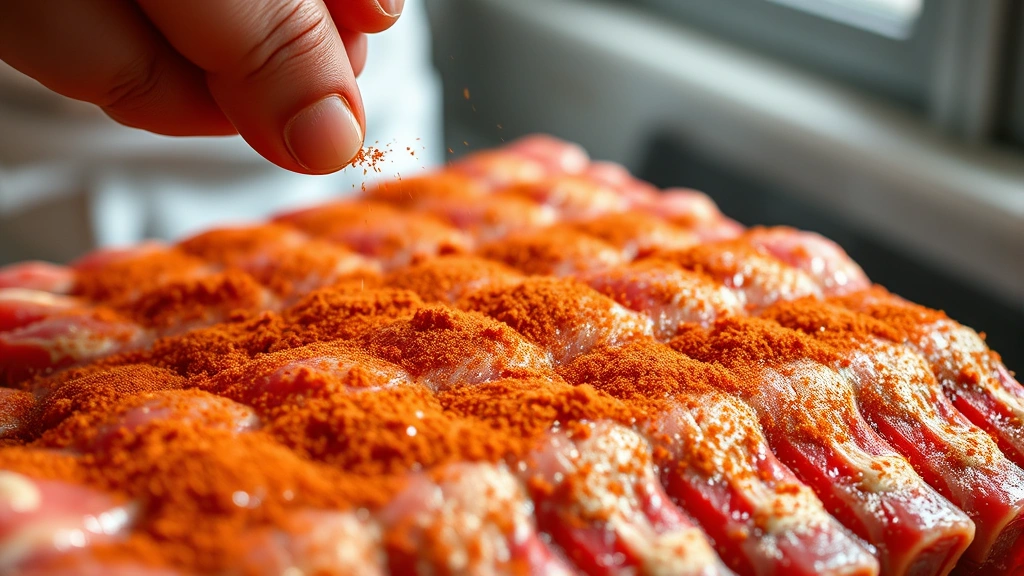
- Create balanced dry rubs: Combine brown sugar, paprika, garlic powder, onion powder, black pepper, cayenne, and sea salt. These fundamental flavors develop beautifully during grilling without added cooking time
- Develop marinades 12+ hours in advance: Extended marinating allows flavors to penetrate deeply, reducing the need for extended cooking and fuel consumption
- Use acid-based marinades: Vinegar, citrus juice, or yogurt-based marinades tenderize meat while adding complex flavors, reducing overall cooking time
- Minimize single-use ingredients: Buy spices in bulk and store in glass containers rather than purchasing individual pre-packaged seasonings
A well-developed rub applied 24 hours before grilling can reduce cooking time by 30-45 minutes compared to unseasoned ribs. This represents substantial fuel savings and environmental benefits when multiplied across a season of grilling.
Reducing Waste During Grilling
Professional chefs understand that waste reduction is integral to sustainable cooking practices. During grilling, multiple waste streams emerge—packaging, trimmed meat portions, foil, and disposal materials—all requiring intentional management.
Waste reduction strategies:
- Minimize packaging: Purchase ribs from butchers using minimal packaging or bring your own containers. Avoid pre-packaged ribs wrapped in excessive plastic
- Repurpose trim: Rib trimmings create exceptional stock for soups, sauces, and braises. Freeze trimmings immediately and use them within two months
- Use reusable foil alternatives: Beeswax wraps or silicone mats can replace foil for wrapping during the 2-hour phase. These reusable options eliminate single-use waste
- Compost non-meat waste: Vegetable scraps, leftover grains, and herb stems belong in compost rather than landfills
- Save rendered fat: Rib fat rendered during cooking creates exceptional cooking medium for vegetables and future grilling sessions
Implementing these practices typically reduces grilling-related waste by 60-75% compared to conventional approaches. Over a grilling season, this translates to significant environmental impact reduction while honoring the animal sacrifice inherent in meat consumption.
Post-Grill Cleanup and Maintenance
Proper grill maintenance extends equipment lifespan, reduces replacement waste, and ensures continued fuel efficiency. A well-maintained grill operates more efficiently and delivers consistent results across years of use.
Sustainable maintenance practices:
- Clean grates after each use: Use a stainless steel brush or crumpled foil to remove residue while grates are still warm. This prevents buildup that reduces heat transfer efficiency
- Monthly deep cleaning: Remove and clean burner covers, inspect burner ports for clogs, and ensure proper gas flow. Clogged burners waste fuel and create uneven heating
- Annual professional inspection: Have your grill serviced annually to identify efficiency issues before they impact performance
- Proper storage: Cover your grill when not in use to protect components from weathering and extend equipment lifespan by 5-10 years
- Avoid chemical cleaners: Use natural cleaning solutions—vinegar, baking soda, and water—instead of harsh chemicals that pollute waterways
Understanding how to get gas smell off hands after grilling involves using natural solutions like lemon juice and salt rather than harsh chemical soaps. This extends sustainable practices beyond the grill itself into post-grilling hygiene routines.
A well-maintained gas grill can operate efficiently for 15-20 years, dramatically reducing the environmental impact of manufacturing replacements. This longevity represents one of the most significant sustainability advantages of quality equipment investment.
FAQ
How long does it take to grill ribs on a gas grill using the 3-2-1 method?
The 3-2-1 method typically requires 6 hours total: 3 hours uncovered over low heat, 2 hours wrapped in foil, and 1 hour unwrapped with sauce. This timeframe can vary slightly depending on rib size and grill temperature consistency. Baby back ribs may complete in 5-5.5 hours, while St. Louis ribs or beef ribs require the full 6+ hours.
What’s the ideal gas grill temperature for ribs?
Maintain 225-250°F for the majority of cooking. This low-and-slow temperature range optimizes fuel efficiency, allows collagen conversion to gelatin (creating tenderness), and develops superior flavor. Avoid exceeding 275°F during the initial cooking phase, as higher temperatures accelerate fuel consumption without improving results.
Can I use sustainable alternatives to propane for grilling?
Natural gas is slightly more sustainable than propane due to reduced transportation emissions when connected to municipal supply lines. However, for portable grills, propane remains efficient. Consider advantages of electric vehicles thinking when evaluating fuel options—electric grills eliminate emissions entirely, though they require reliable electricity access. Explore what works best for your specific situation and local infrastructure.
How do I know if my ribs are sustainably sourced?
Look for third-party certifications from Global Animal Partnership, Certified Humane, or Rainforest Alliance. Visit the Eat Well Guide to locate local producers practicing sustainable farming. Ask your butcher specific questions about animal welfare, feed sources, and farming practices. Transparency and verifiable information indicate legitimate sustainable sourcing.
What’s the most fuel-efficient rib cooking method?
The 3-2-1 method with foil wrapping during the middle phase is most fuel-efficient because it reduces cooking time while maintaining quality. Wrapping acts as insulation, reducing heat loss and fuel consumption. Alternatively, smoking ribs in a dedicated offset smoker may be more efficient than gas grilling for large quantities, as the thermal mass of the smoker maintains temperature with minimal fuel adjustment.
How can I reduce plastic waste when purchasing ribs?
Purchase from local butchers who sell ribs wrapped in butcher paper or offer bulk purchasing options. Bring your own containers or reusable bags to reduce packaging. Some butchers offer unpackaged ribs sold by weight directly into customer containers. Farmers markets often provide less-packaged options than supermarkets. Building relationships with local meat providers typically reveals sustainable packaging alternatives.
Is gas grilling more sustainable than charcoal grilling?
Gas grilling is generally more efficient and produces fewer emissions per grilling session than charcoal. However, charcoal’s sustainability depends on sourcing—sustainably harvested hardwood charcoal has lower impact than conventional charcoal. Natural gas connected to municipal lines is more sustainable than propane. For maximum sustainability, consider the full lifecycle: equipment manufacturing, fuel sourcing, transportation, and operational efficiency. Gas grilling usually achieves better overall results with lower emissions.


